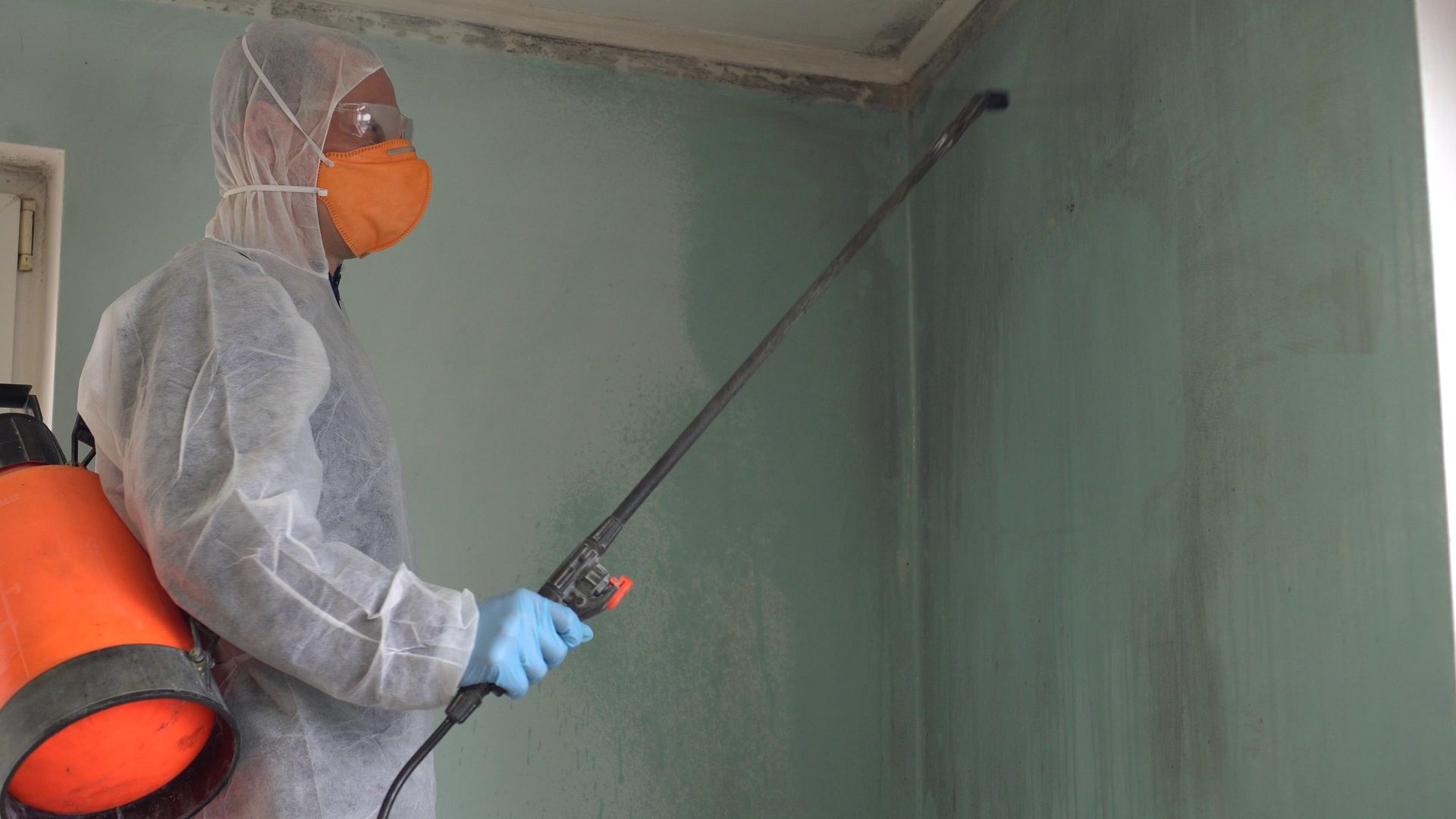
Why You Should Hire a Licensed Mold Remediation Contractor in Fairfax
Hiring a licensed mold remediation contractor in Fairfax ensures that fungal contamination is safely, thoroughly, and legally resolved according to Virginia regulations and established industry standards. Licensed contractors carry ess...
Hiring a licensed mold remediation contractor in Fairfax ensures that fungal contamination is safely, thoroughly, and legally resolved according to Virginia regulations and established industry standards. Licensed contractors carry essential liability insurance, follow strict containment protocols, address the root moisture cause, and provide the official documentation required for real estate disclosures and insurance reimbursement.
Contents
The Regulatory and Legal Framework in Virginia
Mold growth in residential and commercial properties is more than an aesthetic nuisance; it is a structural and environmental hazard. In Virginia, home restoration and environmental remediation fall under specific regulatory oversights designed to protect property owners from fraud, sub-standard workmanship, and hazardous exposures.
The Virginia Department of Professional and Occupational Regulation (DPOR) regulates business and trade licensing across the Commonwealth. Contractors undertaking structural repairs, drywall replacement, HVAC adjustments, or broad environmental remediation associated with mold must maintain appropriate DPOR contractor licensing. Depending on the scope of work, contractors must hold a Class A, B, or C contractor license with the appropriate specialty classifications.
- Virginia Regulatory Integration:
- DPOR Contractor Licensing: Ensures legal standing & bonding
- IICRC S520 Compliance: Governs technical execution
- VA Property Disclosure Act: Mandates proper seller disclosures
- EPA Guidelines: Sets indoor air quality metrics
Beyond baseline trade licensing, legal accountability in real estate transactions makes professional remediation critical. Under the Virginia Residential Property Disclosure Act, sellers must disclose known material defects or adhere to standardized property condition representations. Unlicensed, undocumented mold removal ("spray-and-cover" tactics) can expose property owners to severe legal liability if a buyer later discovers concealed microbial growth or structural rot. Hiring a licensed contractor creates a formal paper trail—including initial assessments, scope-of-work protocols, and post-remediation clearance testing—that verifies the problem was professionally resolved.
Technical Standards: Why DIY and Unlicensed Work Fail
Mold remediation is fundamentally different from standard household cleaning. Microscopic mold spores (Aspergillus, Penicillium, Stachybotrys chartarum, among others) settle on porous building materials such as drywall, plywood, insulation, and carpet backing when elevated moisture levels are present.
Unlicensed handymen or DIY attempts frequently rely on surface-level chemical treatments, such as applying household bleach to porous drywall. Bleach consists primarily of water and sodium hypochlorite; while the chlorine chemical vaporizes quickly on the surface, the water component penetrates deep into the porous material, inadvertently feeding the fungal hyphae beneath the surface.
Proper Containment & Remediation Flow:
- Moisture Source Identified
- Isolation & Negative Air Pressure (HEPA Filters)
- Physical Removal of Contaminated Porous Materials
- HEPA Vacuuming & Antimicrobial Wipe-Down
- Post-Remediation Verification & Clearance Testing
Professional remediation contractors operate under the IICRC S520 Standard for Professional Mold Remediation, an ANSI-accredited standard established by the Institute of Inspection, Cleaning and Restoration Certification (IICRC). This standard dictates that mold cannot simply be killed; it must be physically removed under controlled, contained conditions.
Essential Containment Protocols
When mold colonies are disturbed without containment, millions of spores are released into the air and drawn into the building's HVAC system, contaminating unaffected rooms. Licensed contractors deploy rigorous engineering controls:
- Critical Barriers: Constructing sealed plastic containment zones using 6-mil flame-retardant polyethylene sheeting to isolate affected areas from the rest of the building.
- Negative Pressure Isolation: Utilizing high-volume air scrubbers equipped with certified HEPA (High-Efficiency Particulate Air) filtration to exhaust air outdoors or maintain continuous negative pressure. This prevents contaminated air from leaking into living spaces.
- Decontamination Chambers: Installing multi-stage airlocks for technicians to vacuum off clothing and clean equipment prior to exiting the containment area.
- HVAC Containment: Sealing supply and return registers within the remediation area to stop cross-contamination through ductwork.
Evaluating Remediation Options
Choosing between a licensed remediation contractor, an unlicensed general handyman, or a do-it-yourself approach carries distinct operational, financial, and legal outcomes.
| Feature / Capability | Licensed Remediation Contractor | Unlicensed General Handyman | DIY (Homeowner) |
|---|---|---|---|
| DPOR Trade Licensing & Bonding | Verified Class A/B/C License | None or Unverified | N/A |
| Environmental & Liability Insurance | Full Pollution & General Liability | Standard or No Insurance | None |
| Adherence to IICRC S520 Standards | Mandatory Standard Operating Procedure | Rare / Absent | None |
| Containment Systems (Negative Air) | Commercial HEPA Air Scrubbers & Poly Isolation | None (Spreads Spores) | None |
| Moisture Diagnostics | Thermal Imaging & Moisture Meters | Visual Inspection Only | Visual Inspection Only |
| Post-Remediation Clearance Certification | Independent Third-Party PRV Testing | Not Provided | Not Provided |
| Real Estate Disclosure Protection | Full Documentation & Warranty | High Legal Risk | High Legal Risk |
| Insurance Claim Acceptability | Recognized by Adjusters | Frequently Rejected | Frequently Rejected |
Health Hazards and Climate Factors in Fairfax
Fairfax County experiences a humid subtropical climate characterized by hot, humid summers and moderate to high precipitation year-round. These climate conditions, combined with local housing characteristics—such as finished basements, crawl spaces, and older historic homes in areas like Old Town Fairfax, Herndon, and Vienna—create an environment prone to moisture accumulation.
Fairfax Environmental Risk Factors:
- Environmental Risk Factors:
- High Ambient Humidity (Summer)
- High Water Table / Basements
- Inadequate Attic Ventilation
- Chronic Moisture Retention
- Rapid Fungal Growth
When building materials remain damp for longer than 24 to 48 hours, mold spores germinate. Fungal contamination indoors poses documented health risks recognized by public health authorities, including the U.S. Environmental Protection Agency (EPA).
Health Risks Associated with Indoor Mold Spores
- Sensitization and Allergies: Chronic exposure can cause upper respiratory congestion, eye irritation, chronic coughing, and skin reactions.
- Asthma Exacerbation: Mold spores and fragmented cell walls are potent triggers for asthmatic reactions, particularly in children and immunocompromised individuals.
- Mycotoxin Exposure: Certain fungal species produce secondary metabolites known as mycotoxins under specific environmental conditions. Inhaling or touching these compounds can cause severe inflammatory and systemic health responses.
- Opportunistic Infections: Individuals with suppressed immune systems are at risk for deep fungal infections, such as pulmonary aspergillosis.
Without proper containment and HEPA-filtered air extraction during cleanup, attempting to remove mold spreads these biological hazards throughout the indoor air stream, escalating indoor environmental health risks.
Insurance Claims and Real Estate Protection
Remediating widespread mold can require significant financial resources depending on the extent of structural damage. Navigating insurance claims and preserving long-term property value requires professional execution.
Insurance Claim Compliance Pathway:
- Moisture Event Occurs
- Licensed Contractor Assessment
- Detailed Scope & Moisture Logs
- Adjuster Approval
- Certified Remediation
Navigating Insurance Claims
Homeowners insurance policies in Virginia vary regarding mold coverage. Most standard policies cover mold remediation only if the growth directly results from a covered peril, such as a sudden water pipe burst. They generally exclude damage caused by neglected maintenance or chronic groundwater seepage.
Insurance adjusters require comprehensive documentation to approve claims:
- Origin Assessment: Clear proof establishing the source and timeline of moisture intrusion.
- Itemized Estimates: Line-item estimates using industry-standard pricing databases (such as Xactimate).
- Moisture Logs: Daily logs documenting dry-down progress using moisture meters and psychrometric readings.
- Professional Certification: Proof that work was performed by a licensed, certified firm with specialized pollution liability coverage.
If an uncertified worker undertakes the project, insurance providers may refuse to pay claims or reject coverage for secondary structural damages, citing unverified or improper techniques.
Safeguarding Property Value in the Northern Virginia Market
Fairfax County's real estate market demands rigorous transparency. When selling a home, home inspectors routinely inspect basements, crawl spaces, attics, and HVAC systems for microbial activity.
If previous mold remediation was executed by a licensed contractor, the owner can produce a complete documentation packet:
- Initial environmental assessment reports.
- Detailed remediation scope of work.
- Post-Remediation Verification (PRV) passed clearance report issued by an independent indoor environmental professional (IEP).
This level of verification prevents deal cancellations, costly escrow withholdings, or post-closing failure-to-disclose lawsuits.
How to Verify a Mold Contractor in Fairfax
To ensure your property and health are protected, follow a systematic verification procedure before signing a contract with any remediation vendor in Fairfax County.
Contractor Verification Checklist:
- Check DPOR License Status (dpor.virginia.gov)
- Verify Environmental Pollution Liability Insurance Certificate
- Confirm Active IICRC AMRT/CAMS Certifications
- Confirm Third-Party Clearance Testing Protocol
- Review Written Warranty & Moisture Control Plan
1. Validate DPOR Licensing
Visit the Virginia DPOR license lookup portal to verify that the business holds an active contractor license. Ensure that the license is in good standing, has no pending disciplinary actions, and covers the necessary work classifications.
2. Confirm Insurance Coverage
Standard General Liability insurance often contains an Absolute Mold Exclusion clause. A qualified remediation firm must carry specialized Contractor’s Pollution Liability (CPL) insurance. Request a Certificate of Insurance (COI) naming you as a certificate holder, showing explicit coverage for mold, fungi, and environmental restoration work.
3. Verify Industry Certifications
Ensure that technicians handling the project hold credentials from recognized environmental bodies, such as the IICRC:
- AMRT (Applied Microbial Remediation Technician): Demonstrates specialized training in field containment, structural drying, and hazardous material handling.
- CAMS (Certified Antimicrobial Sanitation Specialist): Demonstrates expertise in advanced biocidal application and environmental hygiene.
4. Require Independent Third-Party Clearance Testing
A conflict of interest exists if the company performing the remediation also conducts its own final clearance testing. Require that your contractor agrees to a Post-Remediation Verification (PRV) test conducted by an independent indoor air quality consultant or industrial hygienist. The contractor should only consider the job complete once air and surface samples pass lab analysis.
Frequently Asked Questions
Can I use household bleach to clean mold on drywall?
No. Bleach is an aqueous solution containing sodium hypochlorite and water. On non-porous surfaces like glass or tile, bleach can remove surface mold. However, on porous materials like drywall or wood, the chlorine stays on the surface while the water sinks into the material. This provides moisture that feeds fungal hyphae beneath the surface, causing the mold to return quickly and spread deeper.
How much does professional mold remediation cost in Fairfax?
Costs vary based on the extent of the damage, accessibility, and location. Minor localized containment projects (e.g., a small utility room area) may cost between $1,500 and $3,500. Extensive remediation involving entire basements, attics, or HVAC ductwork can range from $5,000 to over $15,000. Comprehensive estimates require on-site moisture mapping and structural inspection.
Does Virginia require a specific "mold license" for contractors?
Virginia regulates trade contractors through the Department of Professional and Occupational Regulation (DPOR). While Virginia replaced its standalone mold-specific licensing program with general contractor classification frameworks, contractors carrying out structural modifications, drywall removal, or major environmental remediation must maintain an active DPOR Contractor License and carry specialized pollution liability insurance to operate legally.
What is the difference between mold removal and mold remediation?
"Mold removal" is a misleading industry term; mold spores naturally exist everywhere in indoor and outdoor air at low baseline levels. It is physically impossible to eliminate all mold spores from a building. "Mold remediation" is the scientifically accurate process of returning fungal ecology to normal indoor baseline levels (Condition 1) by fixing the moisture source, physically removing heavily contaminated materials, and scrubbing the air through HEPA containment systems.
Will my Fairfax homeowner's insurance cover mold remediation?
Coverage depends entirely on your specific policy terms and the root cause of the moisture. Standard Virginia home insurance policies generally cover mold remediation if it is the direct result of a sudden, accidental water release (such as a burst supply line). Coverage is typically excluded if the mold stems from long-term deferred maintenance, chronic humidity, high water tables, or surface flooding (unless you hold separate flood insurance).
Why must remediation include structural drying?
Removing contaminated materials without resolving the underlying moisture issue guarantees that mold will recur. Professional remediation contractors use industrial dehumidifiers, air movers, and thermal imaging cameras to track moisture pathways within studs, subfloors, and concrete foundations, ensuring the environment is dried to acceptable equilibrium moisture content (EMC) levels before rebuild efforts begin.
Summary of Recommended Actions
- Isolate the Area Immediately: Turn off central HVAC systems if mold is detected near return vents, and avoid disturbing the growth to prevent spore dispersal.
- Fix the Water Source: Identify and repair plumbing leaks, groundwater intrusion, or roof failures before initiating restoration work.
- Verify Contractor Credentials: Use the Virginia DPOR license lookup tool and confirm the firm maintains Contractor’s Pollution Liability insurance.
- Demand IICRC S520 Protocols: Ensure the contract explicitly details HEPA negative-air containment, physical removal of damaged materials, and structural drying parameters.
- Require Independent PRV Testing: Hire a separate indoor environmental professional to perform air sampling and surface testing after containment work is finished to confirm successful remediation.
Image Gallery