Understanding Florida Care Health Plans: A Comprehensive Guide
Florida care health plans refer to a diverse range of managed care organizations and insurance programs operating within the state of Florida, specifically designed to provide medical coverage, preventive care, and specialty services t...
Florida care health plans refer to a diverse range of managed care organizations and insurance programs operating within the state of Florida, specifically designed to provide medical coverage, preventive care, and specialty services to residents. These plans are regulated at both the state and federal levels to ensure compliance with quality standards, financial solvency, and consumer protection laws.
Contents
The Landscape of Healthcare Coverage in Florida
Navigating the healthcare market in Florida requires an understanding of the intersection between private insurance, government-subsidized programs, and managed care arrangements. In 2026, the Florida healthcare landscape is defined by its reliance on managed care entities. Most health plans operating in the state, whether they are commercial, Medicare-focused, or Medicaid-based, function under a managed care model.
Managed care is a system that organizes physicians, hospitals, and other healthcare providers into a network to coordinate patient care. By controlling the delivery of services, these plans aim to manage costs while maintaining defined quality benchmarks. In Florida, the Agency for Health Care Administration (AHCA) and the Florida Office of Insurance Regulation (OIR) serve as the primary entities responsible for overseeing these plans to ensure they meet the rigorous requirements set forth by state statutes.
Key Categories of Florida Health Plans
Health plans in Florida are generally segmented by the population they serve and the source of their funding. Understanding these categories is essential for identifying which plan is appropriate for your specific needs.
1. Commercial Health Insurance
Commercial plans are typically purchased by individuals or provided by employers. These include Health Maintenance Organizations (HMOs), Preferred Provider Organizations (PPOs), and Exclusive Provider Organizations (EPOs).
- HMOs: Require members to select a primary care physician (PCP) and obtain referrals for specialist visits. These plans generally offer lower out-of-pocket costs but restrict care to the plan’s network.
- PPOs: Provide more flexibility by allowing members to see out-of-network providers, though at a higher cost. These plans do not typically require referrals for specialists.
- EPOs: A hybrid model that limits coverage to in-network providers but generally does not require a referral from a PCP.
2. Managed Medical Assistance (MMA)
Under the Florida Medicaid program, the Statewide Medicaid Managed Care (SMMC) program governs the delivery of services. The MMA component covers doctor visits, hospital care, and prescription drugs for eligible low-income residents, children, and pregnant women. These plans are contracted by the state to provide comprehensive care management.
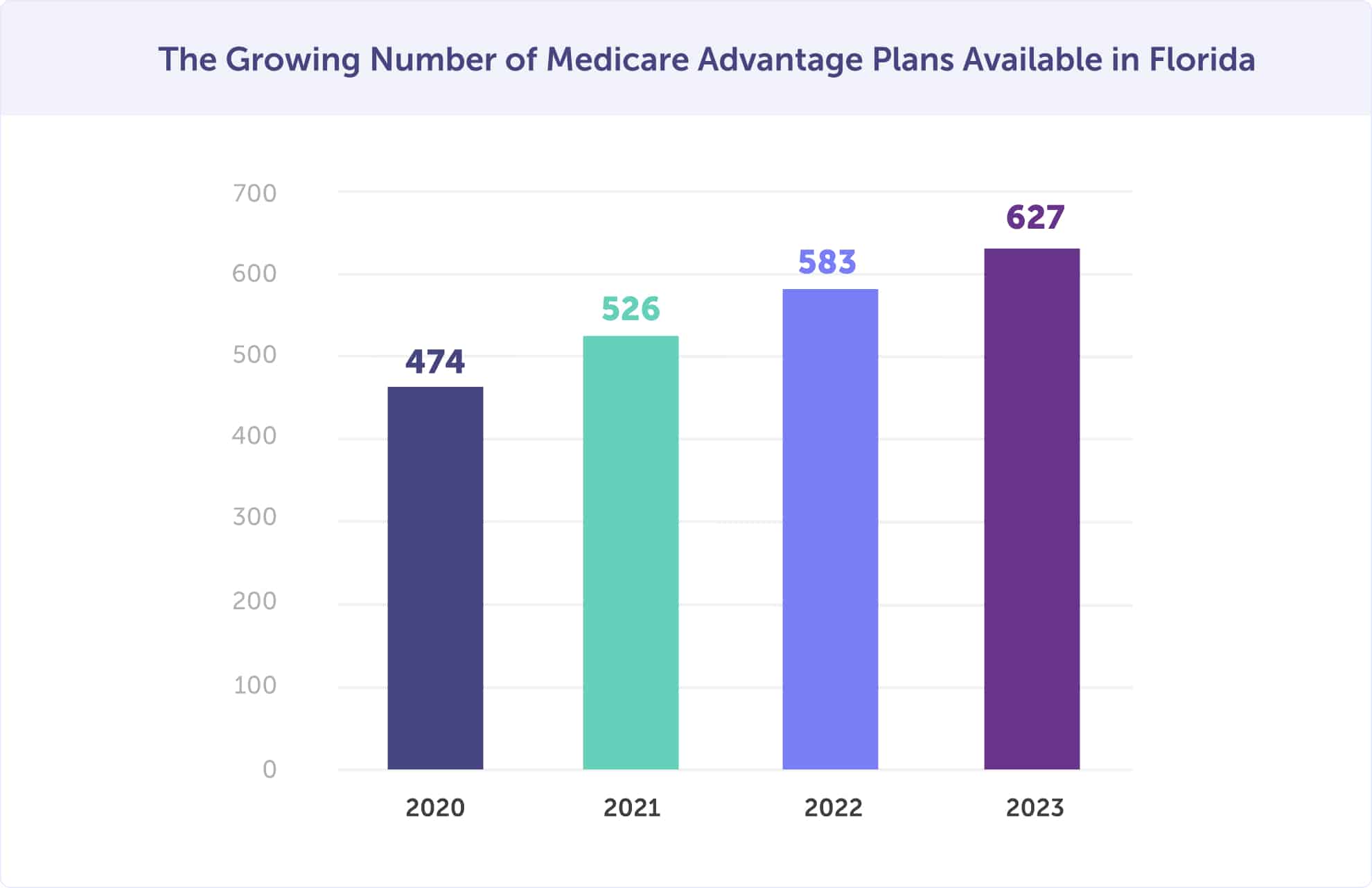
3. Medicare Advantage (Part C)
For Florida residents aged 65 or older, or those with qualifying disabilities, Medicare Advantage plans replace Original Medicare. Many of these plans, often referred to as "Florida health plans" in marketing, bundle Part A (hospital), Part B (medical), and often Part D (prescription drug) coverage into a single plan. Some Florida-specific Medicare Advantage plans include "dual-eligible" options for those who qualify for both Medicare and Medicaid.
Eligibility and Enrollment Requirements
Accessing health plans in Florida depends heavily on your employment status, age, and income level. For private commercial insurance, enrollment typically occurs during the annual Open Enrollment Period, though "Special Enrollment Periods" may be triggered by qualifying life events such as marriage, birth of a child, or loss of prior coverage.
For state-sponsored programs like Medicaid:
- Income Limits: Eligibility is determined by the Federal Poverty Level (FPL) as adjusted for Florida’s specific cost-of-living index and family size.
- Residency: You must be a legal resident of Florida and a U.S. citizen or qualified non-citizen.
- Application: Applications are processed through the Florida Department of Children and Families (DCF).
For Medicare Advantage plans, you must be enrolled in Original Medicare (Part A and Part B). Enrollment typically takes place during your Initial Enrollment Period when you first turn 65, or during the Annual Election Period (AEP) each fall.
Comparison of Plan Structures
Choosing the right plan requires balancing monthly premiums against the potential cost of care when services are rendered. The following table provides a comparison of typical features found in Florida managed care plans.
| Feature | HMO Plan | PPO Plan | Medicaid (SMMC) |
|---|---|---|---|
| Primary Care Physician | Required | Not Required | Required |
| Specialist Referral | Mandatory | Not Required | Mandatory |
| Out-of-Network | Limited/No coverage | Covered (Higher cost) | Generally not covered |
| Network Restriction | Strictly In-Network | Broad Network | Plan-Specific Network |
| Monthly Premium | Generally Lower | Generally Higher | None (for eligible) |
Evaluating Provider Networks and Costs
The financial sustainability of a health plan is highly dependent on its provider network. A network is the collection of doctors, clinics, and hospitals that have contracted with the health plan to provide services at negotiated rates.
When evaluating a "Florida care health plan," you must verify if your preferred physicians are currently contracted with the carrier. Being "in-network" means the insurance plan pays a larger portion of the bill. If you visit an out-of-network provider, you may be responsible for "balance billing," where the provider charges you the difference between their billed amount and the plan's allowed amount. In 2026, Florida law continues to provide protections against surprise medical billing in emergency situations, but understanding the network status of your providers remains a critical step in managing healthcare expenses.
Common Questions Regarding Florida Health Plans
How do I verify if a doctor accepts my specific health plan? You should always contact the doctor’s office directly before scheduling an appointment. While insurance company provider directories are updated periodically, they may contain outdated information. Ask specifically, "Do you accept [Plan Name] as an in-network provider?"
What is the role of the Florida Agency for Health Care Administration (AHCA)? The AHCA is the chief health policy and planning entity for the state. It administers the Medicaid program and licenses health facilities. If you have a grievance with a managed care plan, the AHCA provides a portal to file complaints and reviews the performance of health plans to ensure they meet quality standards.
Can I switch my health plan mid-year? Generally, you cannot switch plans outside of the Open Enrollment Period unless you qualify for a Special Enrollment Period. These are granted based on specific life events, such as moving to a new county, changing jobs, or experiencing a change in family status.
Are prescription drugs covered by all plans? Most comprehensive plans in Florida include some form of prescription drug coverage, but the "formulary"—the list of covered drugs—varies significantly by carrier. Always check the plan’s formulary to see if your required medications are listed and which "tier" they fall into, as this determines your co-pay.
What should I do if my claim is denied? Every health plan is required by law to have an internal appeals process. If a service or medication is denied, you have the right to request a formal review. You must follow the instructions in your plan’s "Evidence of Coverage" document, which outlines the specific timelines for filing an appeal.
Practical Steps for Choosing a Plan
- Assess Your Healthcare Needs: List your current medications, chronic conditions, and preferred specialists.
- Check Provider Networks: Use the plan’s official portal to search for your current doctors within the network.
- Review the Summary of Benefits: This document provides a standardized overview of co-pays, deductibles, and out-of-pocket maximums.
- Confirm Financial Obligations: Calculate the total annual cost, including premiums plus expected co-pays for your most frequent medical services.
- Seek Professional Guidance: Use the federal Healthcare.gov marketplace or a licensed Florida insurance agent to compare options. Licensed agents can often provide personalized comparisons based on your specific health history and budget.
Medical Disclaimer: This information is for educational purposes and does not constitute medical, financial, or legal advice. Healthcare laws and plan specifics change periodically. Always consult with a licensed insurance professional or a representative from your specific health plan before making final decisions regarding your coverage.
Image Gallery