The Evolution and Impact of Crime Hollywood Movies: A Comprehensive Guide
Crime Hollywood movies represent one of cinema's most enduring and versatile genres, exploring the intersection of law, morality, and social deviance. From the gritty noirs of the 1940s to modern-day high-tech heist films, these movies...
Crime Hollywood movies represent one of cinema's most enduring and versatile genres, exploring the intersection of law, morality, and social deviance. From the gritty noirs of the 1940s to modern-day high-tech heist films, these movies offer a window into the human condition through the lens of conflict, ambition, and systemic failure.
Contents
The crime genre has served as a cornerstone of the American film industry for over a century. By focusing on those who break the law—and the systems designed to catch them—Hollywood has created a mirror reflecting society's changing anxieties, values, and technological advancements. As we navigate 2026, the genre continues to reinvent itself, blending classic tropes with contemporary social commentary and cutting-edge production techniques.
The Historical Foundations of Crime Cinema
The roots of crime Hollywood movies are deeply embedded in the early 20th century. During the 1930s, the "Gangster Film" rose to prominence, fueled by the real-world headlines of the Prohibition era. Iconic films like The Public Enemy (1931) and Scarface (1932) introduced audiences to the charismatic but doomed criminal protagonist. These films established the archetype of the "rise and fall" narrative, where an ambitious individual climbs the criminal ladder only to be undone by their own hubris or the inevitable reach of the law.
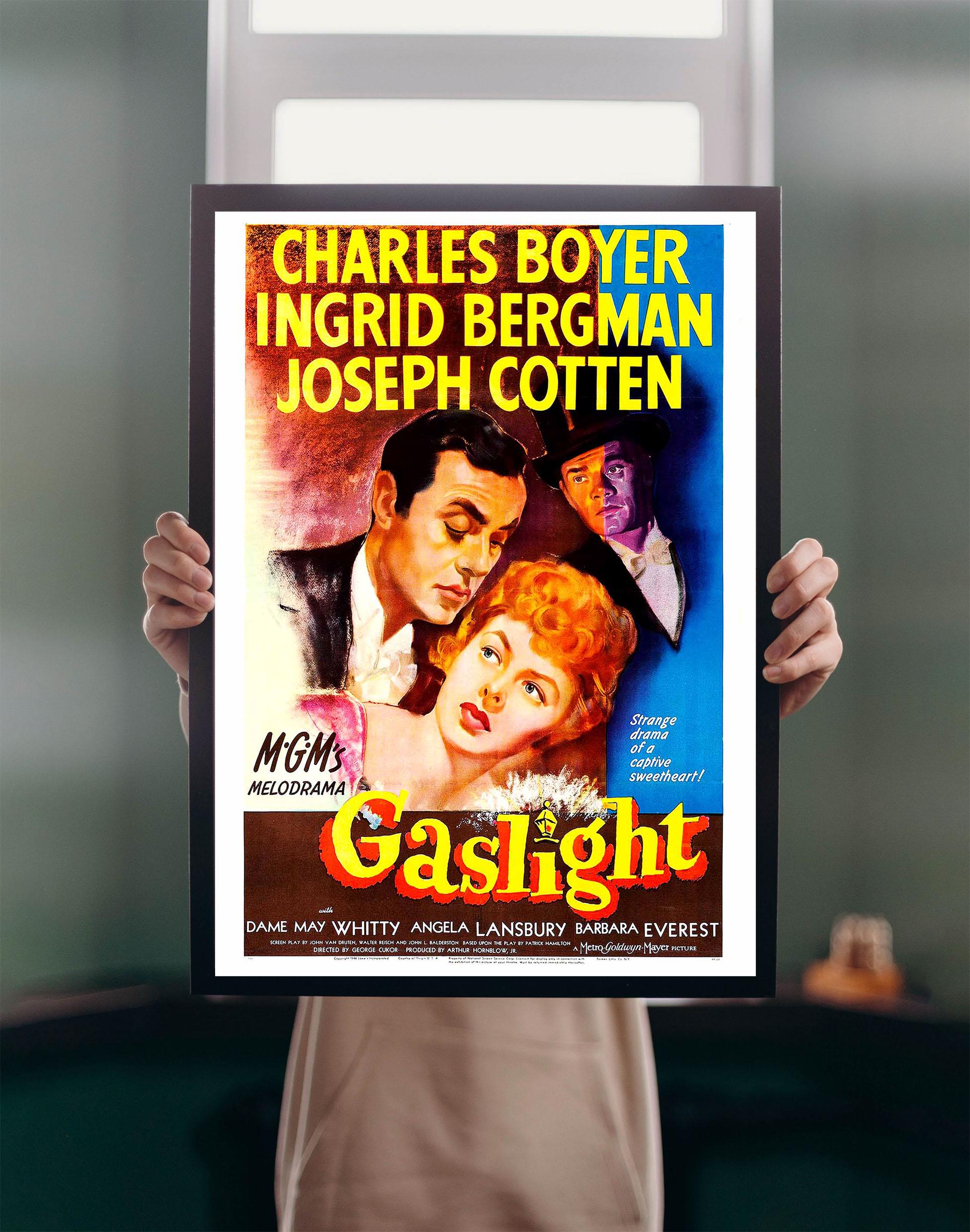
The 1940s and 1950s introduced Film Noir, a stylistic movement characterized by cynical attitudes, sexual motivations, and stark, high-contrast lighting. Noir reflected the post-World War II disillusionment of the American public. Heroes were no longer purely virtuous; they were often flawed private investigators or "average Joes" lured into criminal schemes by a femme fatale. This era solidified the visual language of the crime genre, utilizing shadows and urban decay to represent moral ambiguity.
Defining the Subgenres of Crime Hollywood Movies
Crime cinema is not a monolith; it is an umbrella term that encompasses several distinct subgenres, each with its own set of conventions and narrative goals. Understanding these distinctions is essential for any enthusiast or student of film.
The Gangster Epic
The gangster epic focuses on organized crime syndicates. These films often span decades, detailing the internal politics, hierarchies, and familial bonds of criminal organizations. Francis Ford Coppola’s The Godfather (1972) and Martin Scorsese’s Goodfellas (1990) are the gold standards of this subgenre. They shifted the focus from simple "good vs. evil" to a complex exploration of the American Dream corrupted by violence.
The Heist Film
Also known as the "caper" movie, the heist film centers on the planning, execution, and aftermath of a major robbery. The appeal lies in the meticulous detail of the "impossible" task and the professional dynamics of the crew. Classics like The Asphalt Jungle (1950) paved the way for modern iterations such as Michael Mann’s Heat (1995) and the stylized Ocean's Eleven (2001).
Police Procedurals and Detective Stories
While many crime movies focus on the perpetrator, others focus on the pursuer. The police procedural emphasizes the technical and bureaucratic aspects of law enforcement. In contrast, detective stories—ranging from hardboiled P.I. films to psychological profiles—focus on the investigative journey. Seven (1995) and The Silence of the Lambs (1991) are pivotal examples that blurred the lines between crime and psychological horror.
Neo-Noir
Neo-noir carries the thematic weight of 1940s noir into contemporary settings. These films often use updated visual palettes—sometimes neon-soaked or ultra-modern—while maintaining the core themes of alienation and moral decay. Films like Chinatown (1974) and L.A. Confidential (1997) demonstrate how the "noir" sensibility remains relevant across different eras.
Technical Elements and Aesthetic Choices
What distinguishes a crime movie from a standard drama or action film often comes down to specific technical choices. Directors in this genre use cinematography, sound design, and pacing to create an atmosphere of tension and high stakes.
- Low-Key Lighting: Derived from German Expressionism, the use of deep shadows (chiaroscuro) creates a sense of the unknown and hidden danger.
- Urban Environments: The city is often a character itself. Wet pavements, crowded alleyways, and industrial skylines emphasize the "grittiness" of the criminal underworld.
- Non-Linear Storytelling: Many modern crime movies, notably those by Quentin Tarantino, use fragmented timelines to build mystery and reveal character motivations in unconventional ways. Pulp Fiction (1994) revolutionized this approach, influencing decades of crime writing.
- Soundscapes: The use of diegetic sound (sounds within the film's world) vs. a driving musical score is crucial. In a heist film, the silence during a break-in can be more impactful than a loud orchestral track.
Comparison of Key Crime Movie Subgenres
To help differentiate the primary types of crime cinema, the following table outlines their narrative focus and defining characteristics.
| Subgenre | Primary Focus | Key Character Archetype | Notable Example |
|---|---|---|---|
| Gangster | Organized crime & hierarchy | The ambitious "made man" | The Godfather |
| Heist | The "Big Score" & planning | The professional specialist | Heat |
| Noir | Fate, cynicism, & betrayal | The flawed investigator | Double Indemnity |
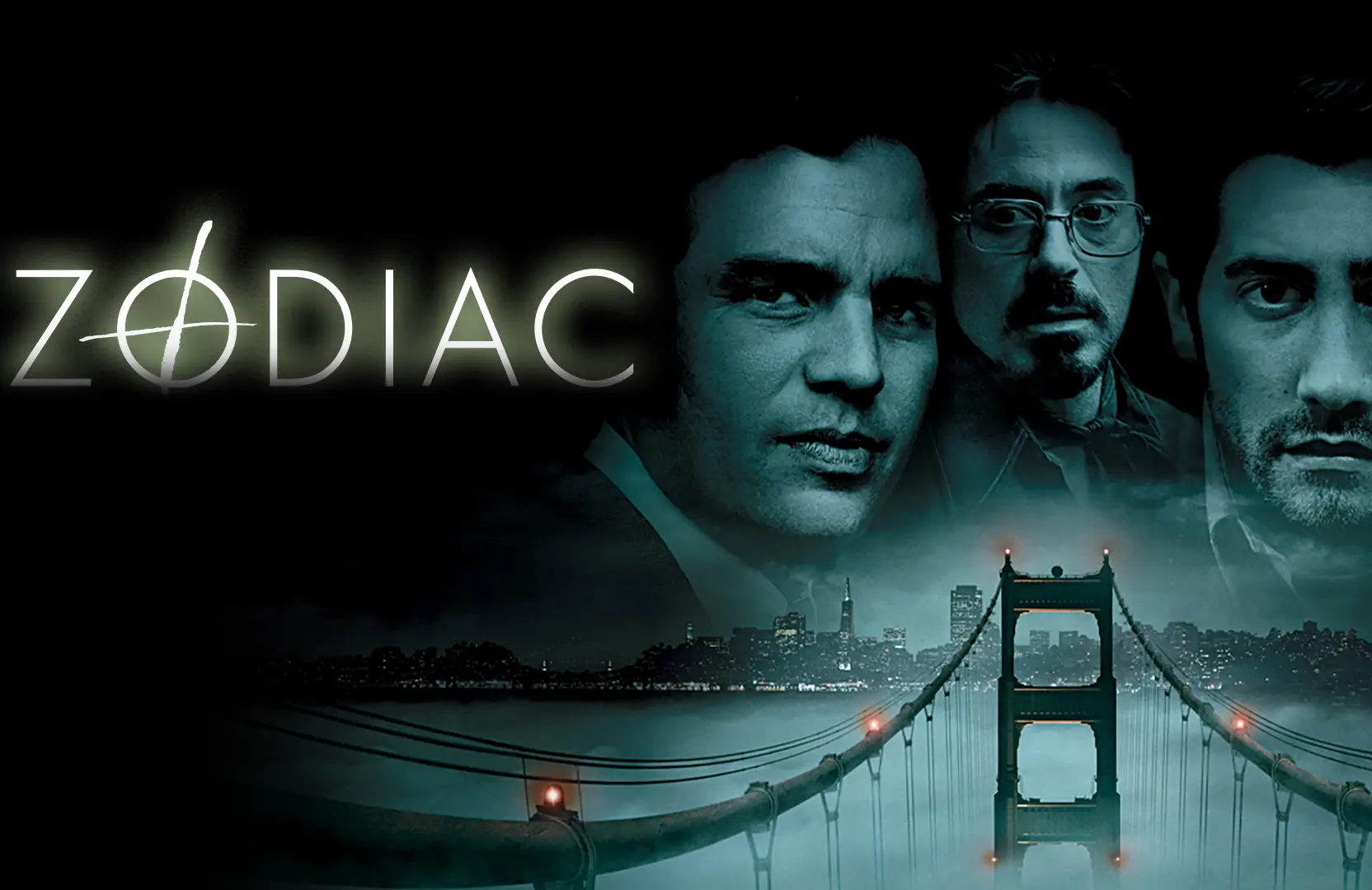
| Procedural | Investigative methodology | The weary detective | Zodiac |
| Psychological | The criminal mindset | The brilliant sociopath | The Silence of the Lambs |
The Impact of Streaming and the 2026 Landscape
By 2026, the landscape for crime Hollywood movies has shifted significantly due to the dominance of streaming platforms like Netflix, Max, and Apple TV+. These platforms have allowed for "mid-budget" crime films—which often struggled in traditional theaters—to find massive global audiences.
Furthermore, the lines between feature films and limited series have blurred. Many filmmakers now opt for a 6-hour "cinematic event" to explore the intricate details of a crime, a trend that began with projects like The Irishman (2019). This expanded runtime allows for deeper character development and more complex plotting that a standard two-hour window cannot always accommodate.
In 2026, we also see a greater emphasis on "True Crime" adaptations. Hollywood's fascination with real-life events has led to a surge in dramatized versions of historical cases, often focusing on the sociological impact of the crimes rather than just the violence itself. There is a growing trend of "revisionist crime," which re-examines historical cases through the lenses of marginalized groups, providing new perspectives on justice and systemic bias.
Critical and Commercial Success
Crime movies are frequent contenders during awards seasons. The genre’s ability to tackle profound themes—loyalty, betrayal, justice, and the failure of institutions—appeals to critics and audiences alike. According to Rotten Tomatoes, crime dramas consistently rank among the highest-rated films of all time.
The commercial viability of the genre is also noteworthy. While superhero blockbusters dominate the box office, crime films often provide a high return on investment because they rely more on tight scripts and strong performances than on expensive CGI-heavy spectacles. This makes the genre a favorite for independent studios and major production houses looking for "prestige" hits.
Common Tropes and Their Evolution
Every genre has its tropes, and crime movies are no exception. However, the most successful films in the genre find ways to subvert these expectations.
- The "One Last Job": A classic heist trope where a retired criminal is pulled back for one final mission. Modern films often subvert this by making the "job" a metaphor for the character's inability to change.
- The MacGuffin: An object or goal that serves as the catalyst for the plot but may be unimportant in itself (e.g., the briefcase in Pulp Fiction).
- The Anti-Hero: Characters who lack traditional heroic qualities but whom the audience still roots for. This archetype has become increasingly complex, moving from the "lovable rogue" to genuinely morally bankrupt individuals whose journey remains fascinating.
FAQs About Crime Hollywood Movies
What is the highest-grossing crime movie of all time? While "crime" is often blended with other genres, Joker (2019) stands as one of the most commercially successful films centered on a criminal transformation, grossing over $1 billion globally. In more traditional crime categories, films like The Departed and the Ocean's franchise have seen massive box office returns.
What is the difference between a crime movie and a thriller? While they overlap, a crime movie specifically centers on the commission or investigation of a crime. A thriller is defined by the emotional response it elicits—suspense, excitement, and anticipation—which may or may not involve a central crime.
Are most crime movies based on true stories? A significant portion of the genre is fictional, but "True Crime" has seen a massive surge. Movies like Goodfellas, Casino, and American Gangster are based on real individuals and events, though they often take creative liberties for dramatic purposes.
Why is film noir usually in black and white? The original noir movement (1940s-50s) used black and white primarily due to the era's technical standards and the stylistic influence of German Expressionism. The lack of color emphasized the stark contrasts and shadows that defined the "mood" of the genre. Modern "Neo-Noirs" often use color but maintain the same lighting principles.
How has the portrayal of law enforcement changed in crime movies? Early Hollywood films often depicted police as infallible heroes (largely due to the Hays Code). Since the 1970s, portrayals have become more realistic and critical, often exploring themes of police corruption, burnout, and the moral gray areas of "ends justifying the means."
Next Steps for Enthusiasts
For those looking to deepen their understanding of crime Hollywood movies, the best course of action is to explore the genre chronologically. Start with the early 1930s gangster films to understand the foundational archetypes, move through the noir era of the 40s, and then study the "New Hollywood" revolution of the 70s. For a curated list of essentials, the American Film Institute (AFI) provides excellent rankings of the top 10 films in various genres, including "Gangster" and "Mystery," which serve as an authoritative starting point.
Image Gallery