Understanding High Altitude Wind Energy: Harvesting Renewable Power from the Troposphere
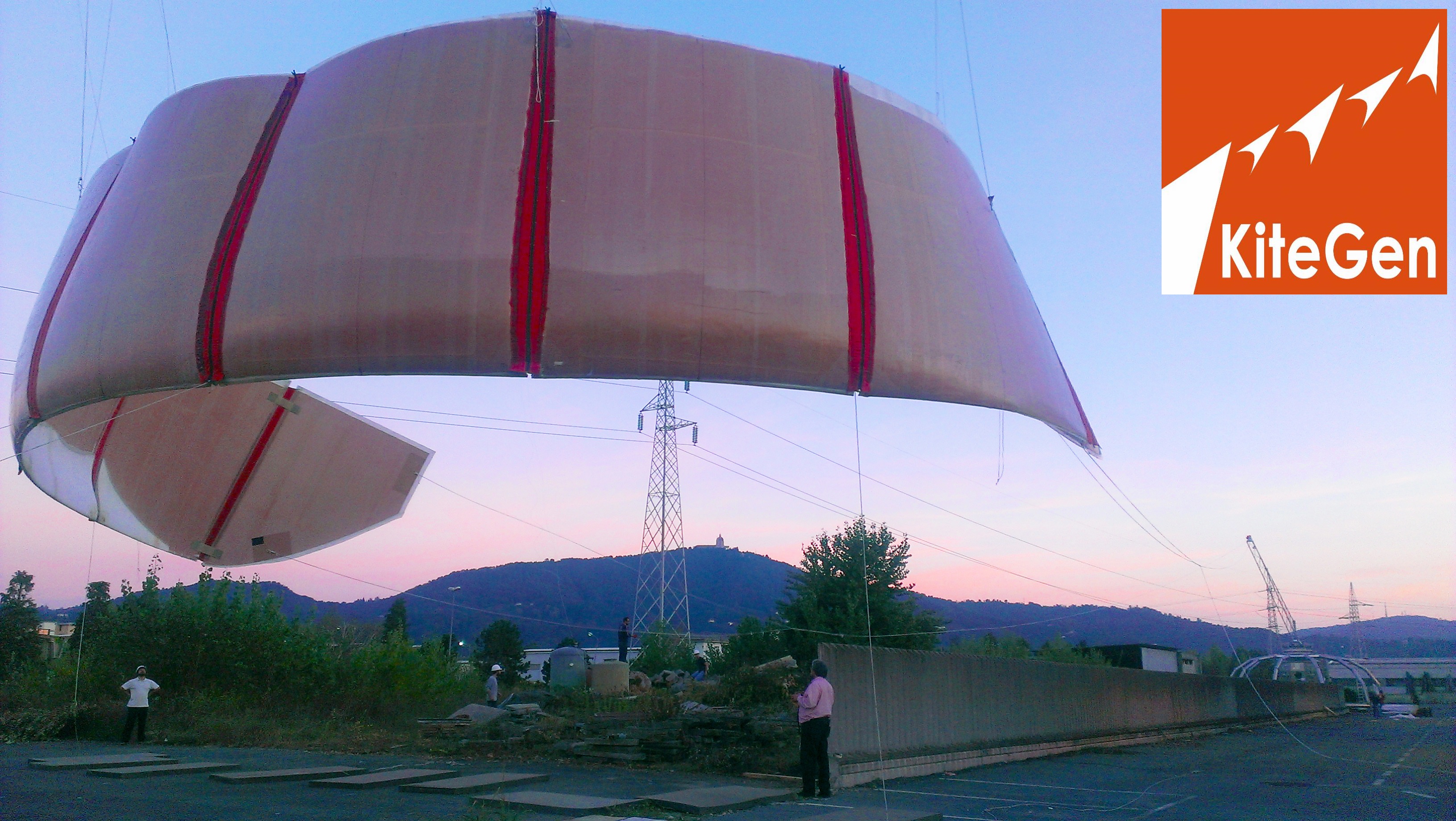
High altitude wind energy refers to the generation of electricity using wind at altitudes significantly higher than those reachable by conventional, ground-based wind turbines. By utilizing autonomous kites, gliders, or aerostats tethe...
High altitude wind energy refers to the generation of electricity using wind at altitudes significantly higher than those reachable by conventional, ground-based wind turbines. By utilizing autonomous kites, gliders, or aerostats tethered to a ground station, these systems access stronger, more consistent wind currents, potentially unlocking a vast, untapped source of sustainable power that remains inaccessible to traditional turbine towers.
Contents
The Physics of High-Altitude Winds
The primary motivation for developing high altitude wind energy (HAWE) lies in the fundamental behavior of atmospheric currents. Near the surface of the Earth, wind is subjected to friction caused by topography, vegetation, and man-made structures. This surface roughness creates turbulence and reduces the overall velocity of the airflow. As altitude increases, these frictional forces diminish, leading to higher wind speeds and significantly greater power density.
In fluid dynamics, the power available in wind is proportional to the cube of the wind speed. Consequently, even modest increases in velocity at higher altitudes translate into exponential gains in potential energy harvest. Wind patterns at altitudes ranging from 500 to several thousand meters are generally less intermittent than those at the 100-to-150-meter heights typically serviced by modern industrial wind turbines. This consistency offers a theoretical path toward achieving a higher capacity factor—the ratio of actual energy produced over a period compared to the maximum possible output—which is a major hurdle for current renewable energy sources.
Core Technologies and Operational Mechanisms
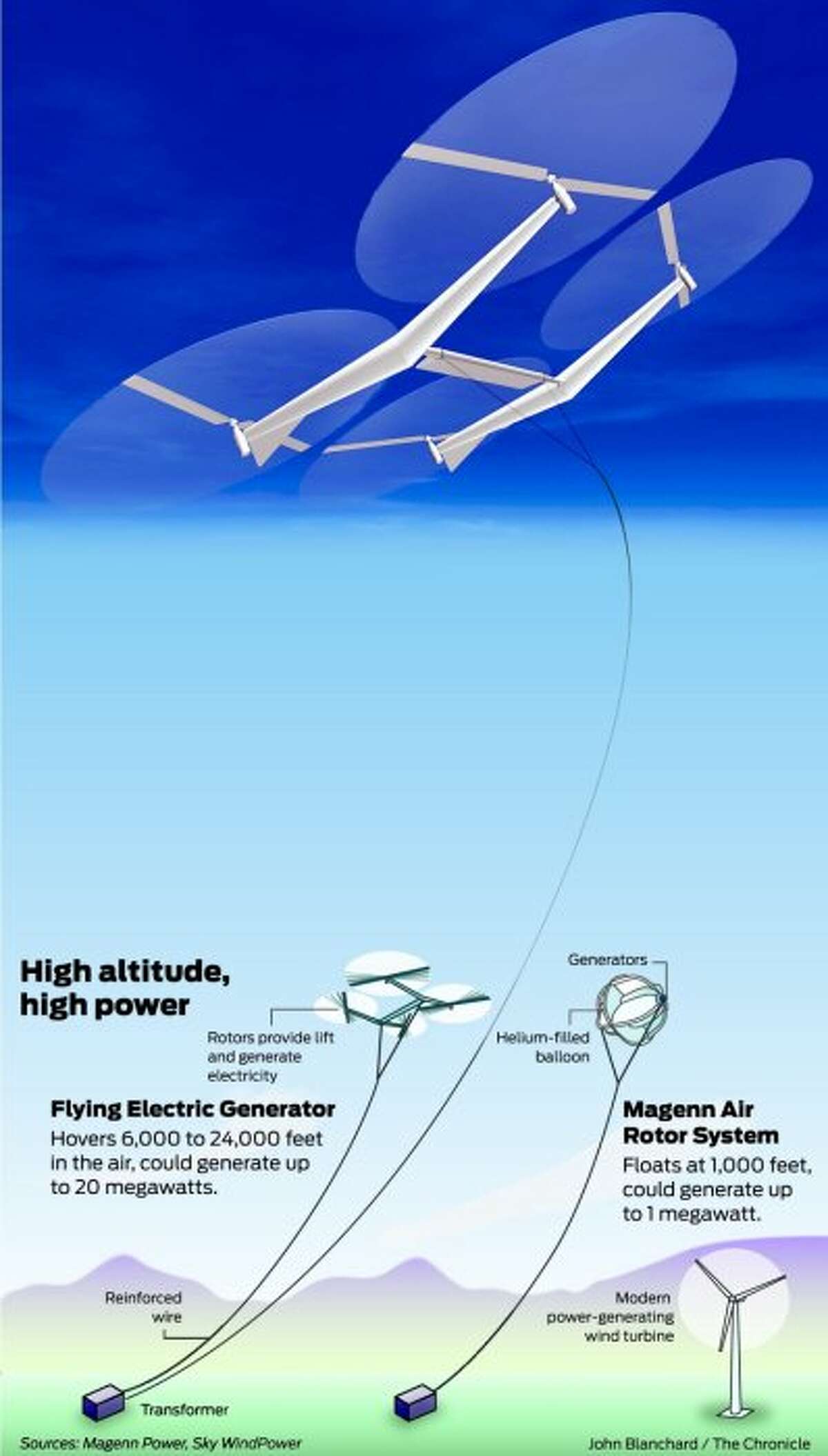
HAWE systems are distinct from conventional wind power because they do not rely on a rigid steel tower to hold a turbine in place. Instead, they employ flexible or semi-rigid tethered aircraft to capture kinetic energy. These systems generally fall into two architectural categories based on where the energy conversion takes place.
Ground-Gen Systems
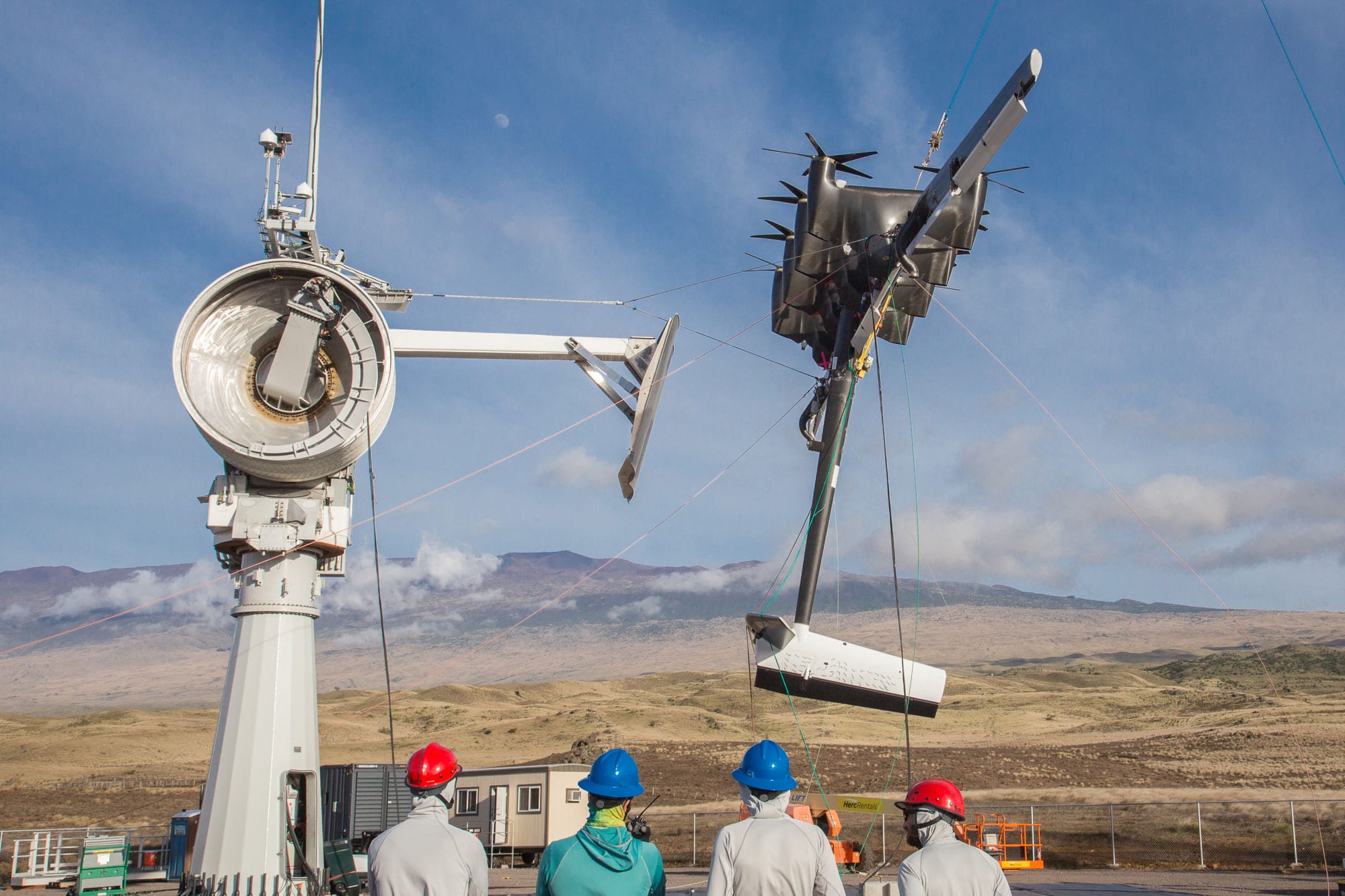
In ground-generation systems, the airborne craft acts primarily as a high-performance wing. As the craft flies in crosswind patterns (often figure-eight maneuvers), it exerts a massive force on a tether connected to a winch on the ground. This tension rotates a drum that drives a generator, converting the mechanical force into electricity. Once the tether reaches its maximum length, the craft is depowered or redirected to consume a small portion of the harvested energy to pull itself back toward the ground station, after which the cycle repeats.
Fly-Gen Systems
Fly-generation systems carry small, lightweight wind turbines mounted directly on the airborne craft. These turbines capture energy at high altitudes and transmit the generated electricity down to the ground through conductive material integrated into the tether. These systems effectively function as flying wind farms, removing the weight and material cost associated with massive support towers.
Comparative Advantages and Challenges
The transition from static towers to dynamic airborne systems involves a significant shift in mechanical engineering and logistics. The following table highlights the primary trade-offs between conventional wind and high altitude wind technologies.
| Feature | Conventional Wind Turbines | High Altitude Wind Energy |
|---|---|---|
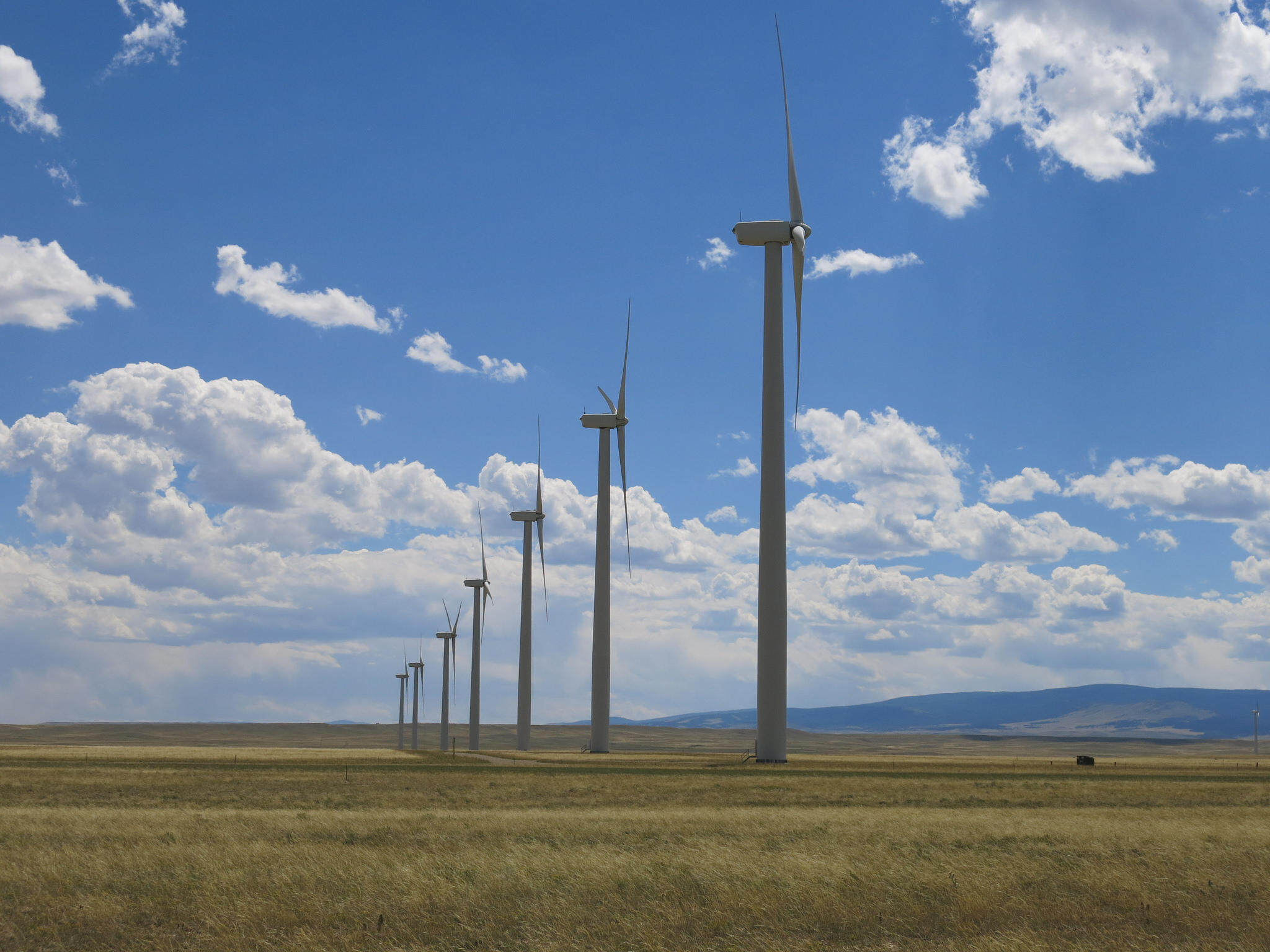
| Operational Altitude | 100–200 Meters | 500–5,000 Meters |
| Material Usage | High (Steel, Concrete) | Low (Lightweight Composites) |
| Wind Consistency | Low to Moderate | High |
| Structural Load | Static, High Stress | Dynamic, Variable Tension |
| Installation | Permanent, Heavy Site Prep | Mobile, Rapid Deployment |
| Key Risk | Mechanical Fatigue | Airspace Management, Tether Failure |
Engineering and Operational Requirements
The successful deployment of a HAWE system requires solving complex control theory problems. Because the "turbine" is an autonomous aircraft, it must manage its own flight path in three-dimensional space while maintaining optimal tension on the tether. This requires sophisticated sensor arrays, GPS positioning, and onboard flight controllers capable of reacting to gust changes in milliseconds.
Safety protocols represent a critical operational requirement. If a tether snaps or a control system fails, the device must have redundant fail-safes, such as an emergency parachute or an automated "land-safe" routine to prevent damage to the aircraft or third-party property. Additionally, because these systems operate in airspace shared with civil aviation, developers must coordinate with national aviation authorities to establish designated flight zones and implement "geofencing" to ensure the devices do not drift into restricted areas.
The Path Toward Commercialization
As of 2026, the high altitude wind industry is in the transition phase between pilot projects and commercial scaling. While early prototypes demonstrated the feasibility of energy production, current efforts are focused on the long-term durability of tethers and the reliability of autonomous control software.
Investors and energy companies are monitoring the sector for its potential to provide low-cost, decentralized power in remote areas where constructing traditional wind infrastructure is geographically or economically prohibited. Because HAWE systems are modular and significantly easier to transport, they hold promise for disaster relief scenarios, mining operations, or isolated power grids that currently rely on imported fossil fuels.
Frequent Questions Regarding HAWE
Does high altitude wind energy require a permanent tower? No. A core advantage of HAWE is that it replaces the massive, stationary steel tower with a tether. This makes the system modular, allowing for installation in locations where building a heavy concrete foundation or transporting turbine blades is physically impossible.
How does weather affect HAWE systems? While these systems target higher-altitude winds to avoid surface turbulence, they remain susceptible to extreme weather events like thunderstorms or icing. Advanced control systems include weather-monitoring sensors that trigger a "reeling-in" sequence to store the craft safely during adverse conditions.
Is the electricity generated at altitude different from grid power? The electricity generated is standard alternating current (AC) or direct current (DC) that must be converted and synchronized with the frequency of the local utility grid. This requires power electronics at the ground station to manage voltage levels and ensure compatibility with grid standards.
What is the main safety concern with tethered aircraft? The primary safety concerns are tether structural integrity and airspace deconfliction. Developers use high-strength synthetic materials for tethers and maintain strict communication protocols with aviation regulators to ensure that all airborne craft remain within sanctioned operational corridors.
Can these systems operate in low-wind environments? They are generally designed to maximize performance in steady wind regimes. If the wind speed drops below a certain threshold, the system may consume more power to keep the craft aloft than it generates, necessitating an automated shutdown or standby mode until wind speeds recover.
Next Steps for Stakeholders
For those interested in the potential of high altitude wind energy, the most practical next step is to track the filings and project reports from leading developers and research consortia. As of 2026, the sector is moving toward standardized safety certifications that will be essential for large-scale utility adoption. Observing the progress of these regulatory frameworks and the performance data from long-duration testing sites will provide the best indicators of when this technology will reach maturity for widespread public deployment.
Image Gallery