Understanding Typhoon Categories 1–5: A Detailed Look at the Intensity Scale
The typhoon 1–5 category system, primarily based on the Saffir-Simpson Hurricane Wind Scale, classifies tropical cyclones according to their maximum sustained wind speeds. This scale estimates potential property damage, ranging from Ca...
The typhoon 1–5 category system, primarily based on the Saffir-Simpson Hurricane Wind Scale, classifies tropical cyclones according to their maximum sustained wind speeds. This scale estimates potential property damage, ranging from Category 1 (minimal damage) to Category 5 (catastrophic damage), allowing emergency responders and the public to gauge the severity of an approaching storm.
Contents
The Foundation of Typhoon Classification
To understand typhoon categories, one must first recognize that "typhoon," "hurricane," and "cyclone" are different names for the same meteorological phenomenon: a tropical cyclone. The term "typhoon" is used specifically for storms developing in the Northwest Pacific Ocean. While various regional agencies—such as the Japan Meteorological Agency (JMA) and the Philippine Atmospheric, Geophysical and Astronomical Services Administration (PAGASA)—use their own classification systems, the 1–5 scale remains the most internationally recognized metric for assessing wind-driven destruction.
As of 2026, the Joint Typhoon Warning Center (JTWC) and other international bodies continue to utilize sustained wind speeds as the primary determinant for these categories. The scale was originally developed in the early 1970s by civil engineer Herbert Saffir and meteorologist Robert Simpson. Its primary purpose is not to predict rainfall or storm surge height, but to provide a standardized expectation of structural and environmental damage caused specifically by wind.
Category 1: Minimal Damage and Initial Threat
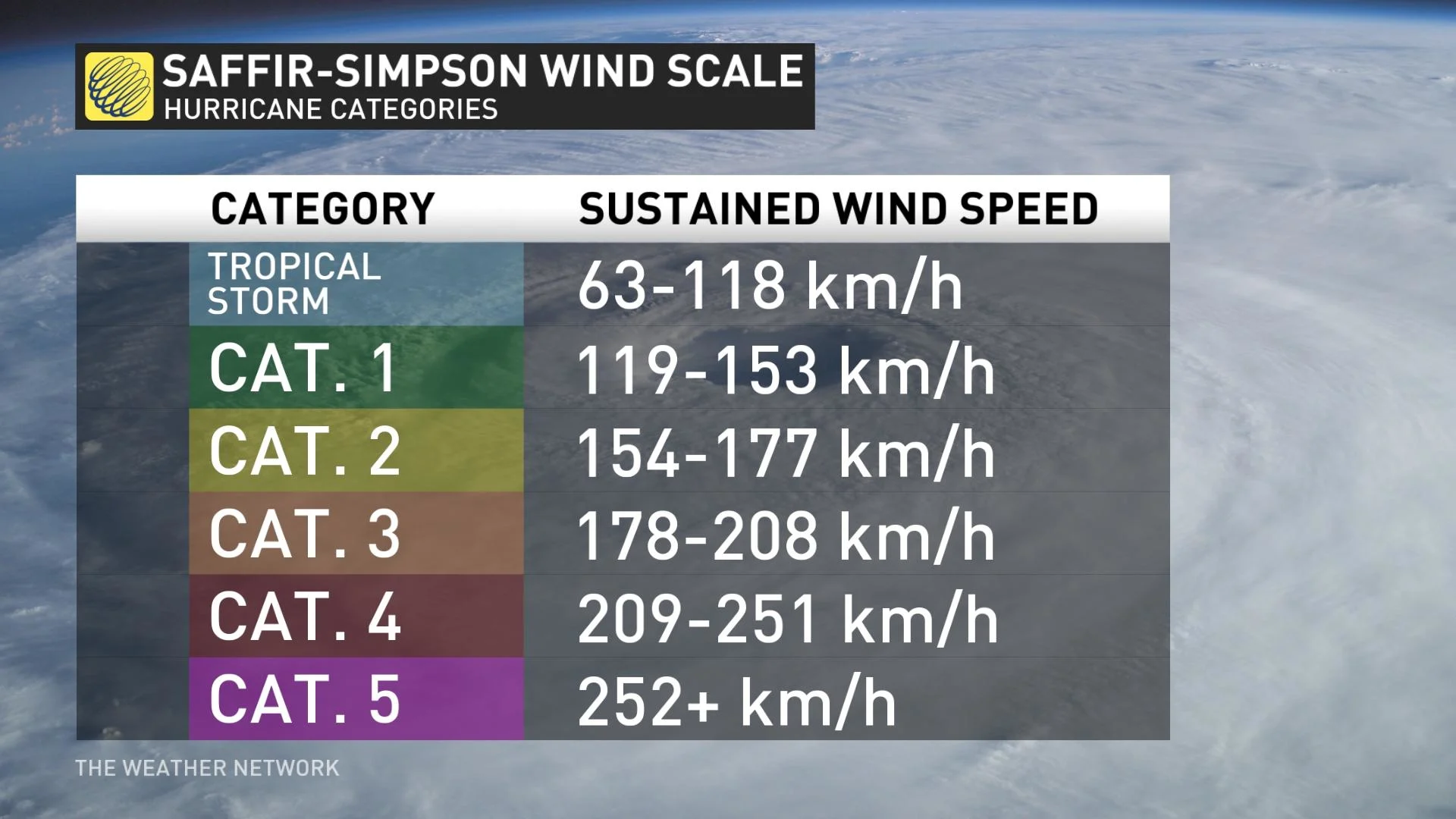
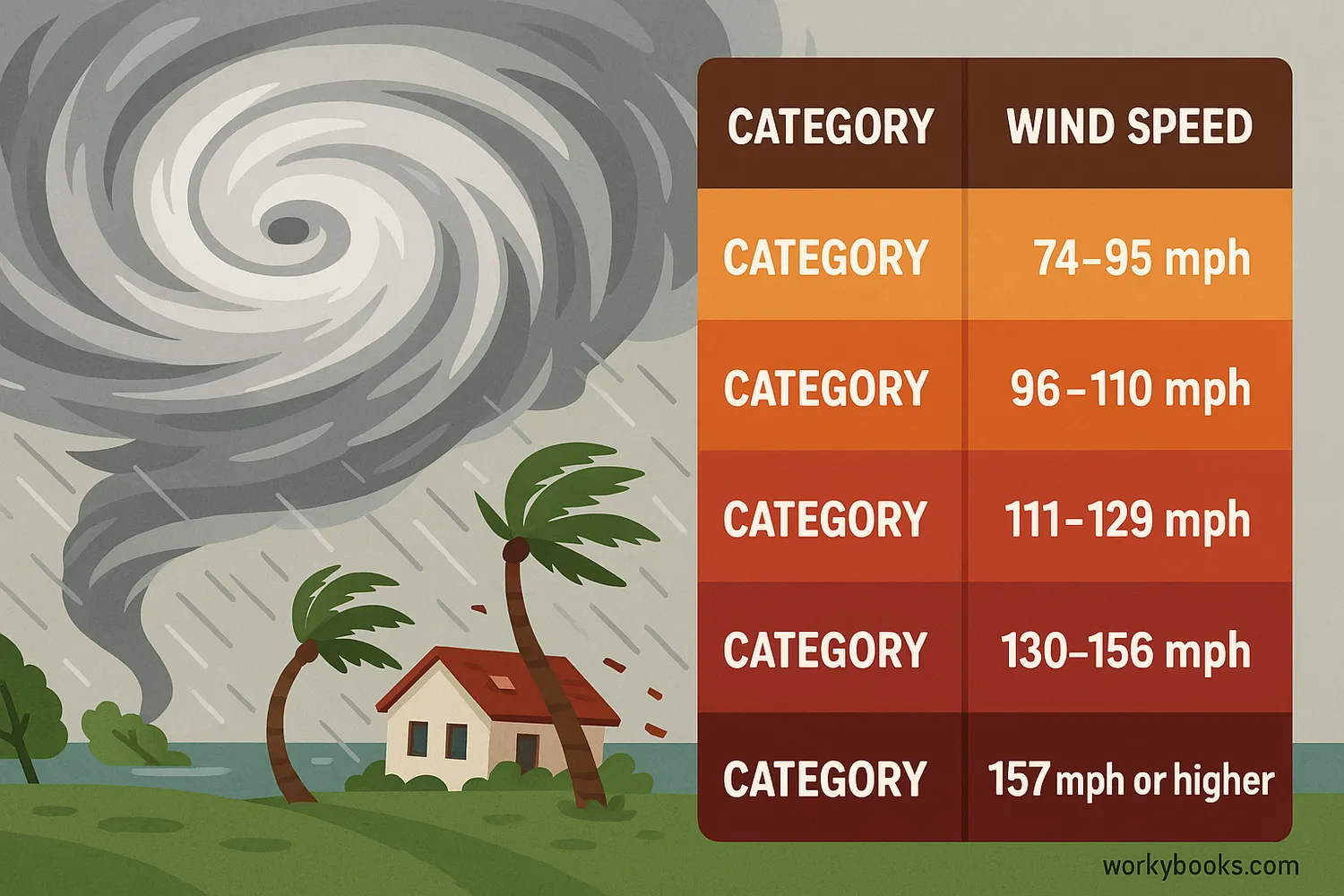
Wind Speeds: 119–153 km/h (74–95 mph)
A Category 1 typhoon represents the entry point into the classification scale. While these are the weakest of the categorized typhoons, they still possess enough kinetic energy to cause significant disruption, particularly in regions with less resilient infrastructure. At this intensity, the primary concerns are related to unanchored objects and vegetation.
Structural damage is typically limited to the exterior of buildings. Well-constructed frame homes may suffer minor damage to roof shingles, vinyl siding, or gutters. However, older structures or those made with lightweight materials are more vulnerable. The most significant impact often comes from falling debris. Large branches of trees will snap, and shallow-rooted trees may be toppled, leading to localized power outages.
In many 2026 emergency management protocols, a Category 1 storm is treated as a "threshold event." While widespread evacuation is rarely mandated for inland areas, coastal residents must remain vigilant regarding minor storm surges. Power outages can last for several days as utility crews navigate blocked roads cleared of fallen limbs and downed power lines.
Category 2: Moderate Damage and Increasing Risk
Wind Speeds: 154–177 km/h (96–110 mph)
When a typhoon reaches Category 2, the danger to life and property increases substantially. The wind pressure exerted on structures is significantly higher than in a Category 1 storm, leading to extensive damage to roofing and siding. Windows in older buildings may fail if not properly protected.
At this level, tree damage becomes a major logistical hurdle. Many shallow-rooted trees will be uprooted, and many others will snap. This leads to near-total blockage of secondary roads and significant damage to the electrical grid. In a Category 2 event, power outages are rarely localized; instead, they often affect entire districts or municipalities. Residents should prepare for several days to a week without electricity or potable water, as filtration systems may fail due to power loss.
Coastal communities are particularly at risk during Category 2 storms. While the Saffir-Simpson scale does not explicitly categorize based on surge, the increased wind speed usually correlates with a more aggressive push of seawater toward the shore. In 2026, coastal engineering standards often cite Category 2 as the point where "nuisance flooding" transitions into "structural flooding" for beachfront properties.
Category 3: Devastating Damage and Major Typhoon Status
Wind Speeds: 178–208 km/h (111–129 mph)
A Category 3 typhoon is the first of the "major" typhoon classifications. At this intensity, the storm is capable of causing devastating damage to even well-built structures. Most modern building codes are designed to withstand these winds, but older homes or those with "deferred maintenance" often experience significant structural failure.
The winds are strong enough to cause the loss of roof decking and gable ends on frame houses. Electricity and water are typically unavailable for several days to weeks after the storm passes. The environmental impact is also severe; the majority of trees in the direct path will be snapped or uprooted, and debris will litter almost every square meter of the affected area.
From a safety perspective, Category 3 marks a critical turning point for evacuations. Emergency management agencies in the Pacific theater generally advise that residents in mobile homes or non-reinforced structures evacuate regardless of their distance from the coast. The risk of flying debris—such as metal roofing sheets or unsecured outdoor furniture—becomes lethal at these speeds.
Category 4: Extreme Damage and Severe Structural Impact
Wind Speeds: 209–251 km/h (130–156 mph)
Category 4 typhoons are catastrophic events that can alter the landscape of a coastal region for years. At these speeds, even reinforced masonry buildings can suffer damage. Well-built frame houses often lose most of their roof structure and some exterior walls. The wind is powerful enough to strip the bark off trees and completely flatten large stands of timber.
The infrastructure collapse during a Category 4 event is typically total. Power poles are snapped, and transformers are destroyed. In 2026, many island nations have upgraded their grids to be underground, but for those with overhead lines, restoration can take months. Most of the affected area will be uninhabitable for weeks or months due to the lack of basic utilities and the presence of hazardous debris.
The term "Super Typhoon" is often applied by the JTWC when a storm reaches Category 4 intensity (specifically sustained winds of 130 knots or roughly 150 mph). This designation highlights the extreme nature of the storm's core, where the pressure is so low and the wind gradient so steep that human survival outside of a reinforced bunker is highly unlikely.
Category 5: Catastrophic Damage and Total Destruction
Wind Speeds: 252 km/h or higher (157 mph or higher)
A Category 5 typhoon represents the ceiling of the current classification scale. At this level, the damage is essentially total. A high percentage of framed homes will be destroyed, with total roof failure and wall collapse. Many residential buildings will be completely swept away, leaving only concrete slabs behind.
In a Category 5 scenario, the environment is unrecognizable. The combination of wind and the likely associated storm surge can erase entire coastal villages. Power outages last for months, and the local economy often requires years of international aid to recover. Because the scale is open-ended at the top, a Category 5 storm could technically have winds exceeding 300 km/h, as seen in historical events like Typhoon Haiyan or Typhoon Goni.
Emergency protocols for a Category 5 storm focus almost entirely on life safety and vertical evacuation (moving to the upper floors of reinforced concrete buildings) if horizontal evacuation is no longer possible. As of 2026, meteorologists continue to debate the necessity of a "Category 6" due to the increasing frequency of storms reaching these extreme thresholds, but currently, Category 5 remains the highest official designation.
Comparing Typhoon Categories and Expected Impacts
The following table summarizes the 1–5 scale used to classify typhoons based on their sustained wind speeds and the typical damage expected at each level.
| Category | Wind Speed (km/h) | Wind Speed (mph) | Damage Potential | Primary Structural Impact |
|---|---|---|---|---|
| 1 | 119–153 | 74–95 | Minimal | Minor damage to roofs/siding; fallen tree branches. |
| 2 | 154–177 | 96–110 | Moderate | Significant roof/door damage; many shallow-rooted trees uprooted. |
| 3 | 178–208 | 111–129 | Devastating | Loss of roof decking; major damage to small buildings. |
| 4 | 209–251 | 130–156 | Extreme | Total roof failure on many homes; most trees snapped or uprooted. |
| 5 | 252+ | 157+ | Catastrophic | High percentage of framed homes destroyed; total power outages for months. |
Regional Variations in Classification
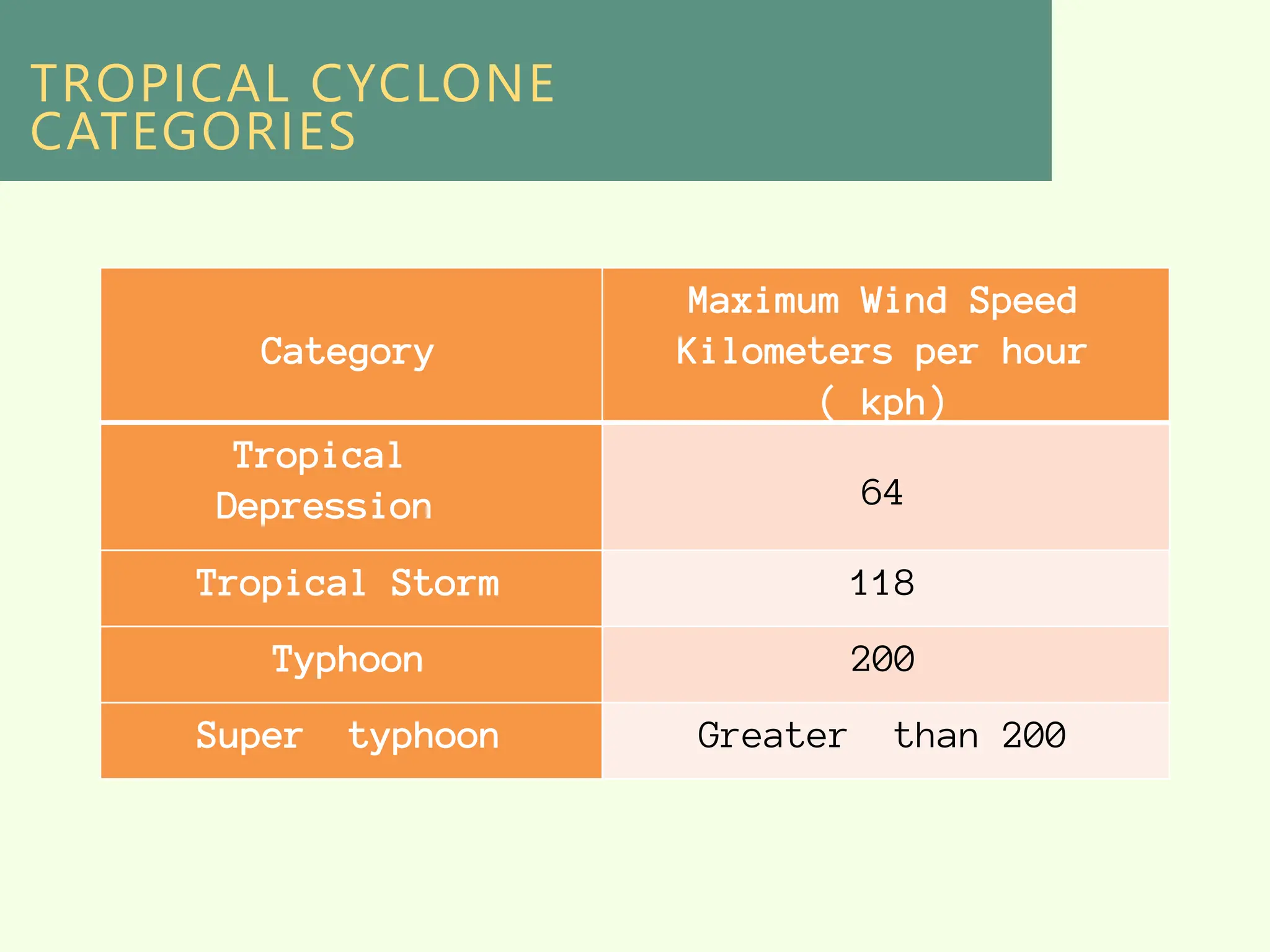
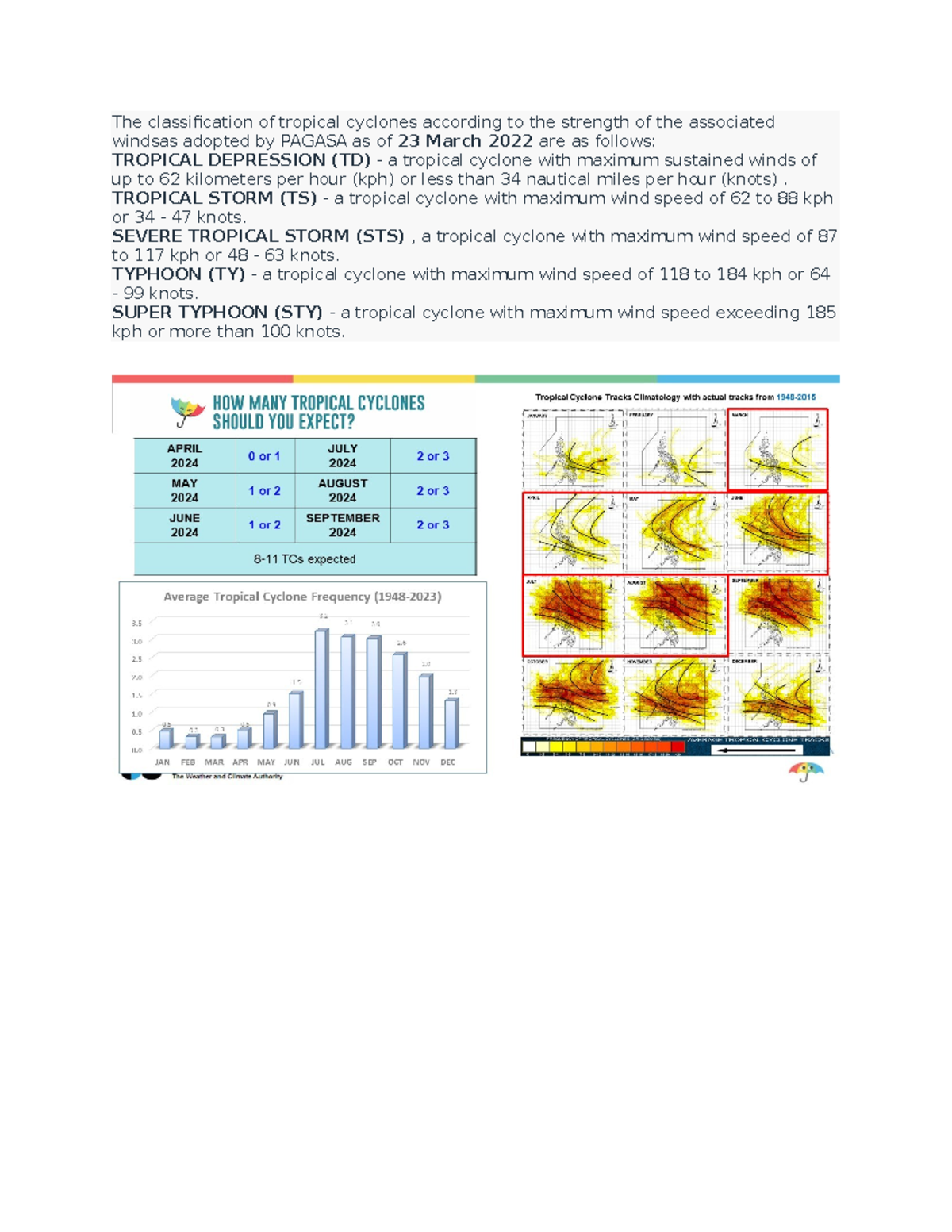
While the 1–5 scale is widely understood, it is crucial for residents in the Northwest Pacific to understand how local agencies may differ. For instance, PAGASA in the Philippines uses a system that includes:
- Tropical Depression: Up to 61 km/h.
- Tropical Storm: 62–88 km/h.
- Severe Tropical Storm: 89–117 km/h.
- Typhoon: 118–184 km/h.
- Super Typhoon: Exceeding 185 km/h.
This discrepancy means that a "Typhoon" in the Philippines might be a Category 1 or 2 on the Saffir-Simpson scale, while their "Super Typhoon" designation begins at the equivalent of a Category 3. Always verify which scale is being used by your local meteorological office to ensure you are following the correct safety guidelines for your specific location.
Understanding the Limitations of the 1–5 Scale
The most dangerous misconception regarding typhoon categories is the belief that a lower category means a "safe" storm. The 1–5 scale is a wind scale, not a total danger scale. It does not account for two of the most lethal aspects of tropical cyclones:
- Rainfall and Inland Flooding: A slow-moving Category 1 typhoon can drop significantly more rain than a fast-moving Category 5, leading to catastrophic landslides and river flooding.
- Storm Surge: While higher categories often have higher surges, the shape of the coastline and the depth of the ocean floor play massive roles. A Category 2 storm hitting a shallow bay can produce a more dangerous surge than a Category 4 hitting a steep cliffside.
In 2026, weather forecasting has integrated "Total Risk" modeling, which looks at these factors in combination. However, the 1–5 category remains the primary "shorthand" for communicating the immediate destructive potential of the storm's wind field.
Frequently Asked Questions
What is the difference between a Typhoon and a Super Typhoon?
In most international contexts, a "Typhoon" becomes a "Super Typhoon" when its maximum sustained winds reach 241 km/h (150 mph) or higher, equivalent to a strong Category 4 or Category 5 on the Saffir-Simpson scale. However, local agencies like PAGASA use a lower threshold (185 km/h) for the Super Typhoon designation.
Does the category of a typhoon determine its storm surge?
Not directly. While stronger winds generally push more water toward the coast, the storm surge is also influenced by the storm's size, speed of approach, and local geography. A Category 1 storm can still produce a life-threatening surge in low-lying coastal areas.
Why is Category 3 considered a "Major Typhoon"?
Category 3 is the threshold where structural damage becomes "devastating" rather than just "moderate." At this level, the risk of death or serious injury from flying debris increases exponentially, and the likelihood of long-term utility failure (weeks instead of days) becomes the standard expectation.
Can a typhoon's category change after it makes landfall?
Yes, typhoons typically weaken after landfall because they lose their primary energy source—the warm ocean water—and encounter increased friction from the terrain. A storm that hits land as a Category 4 may quickly be downgraded to a Category 2 or 1 as it moves inland.
Is there a Category 6 typhoon?
As of 2026, there is no official Category 6. The Saffir-Simpson scale ends at Category 5, which covers all storms with winds of 252 km/h or higher. While some scientists have proposed adding a Category 6 for storms exceeding 300 km/h, it has not been adopted by the World Meteorological Organization or the National Hurricane Center.
Practical Recommendations for Residents
When a typhoon is forecast, your actions should be dictated by the category, but tempered by your local geography. If you are in the path of a Category 1 or 2 storm, focus on securing outdoor items, cleaning gutters, and preparing for power outages lasting up to a week. For a Category 3 or higher, prioritize evacuation if you are in a vulnerable structure or a designated flood zone. Always maintain a "go-bag" with at least three days of food, water, and medication, and ensure your home's window protection (shutters or plywood) is installed well before wind speeds reach tropical storm force (63 km/h).
Image Gallery