Is Trade with Ukraine Worth the Risks? A 2026 Strategic Assessment
Determining whether trade with Ukraine is worth the risks requires a nuanced analysis of the current geopolitical climate, local regulatory frameworks, and sector-specific opportunities. While the environment remains complex due to ong...
Determining whether trade with Ukraine is worth the risks requires a nuanced analysis of the current geopolitical climate, local regulatory frameworks, and sector-specific opportunities. While the environment remains complex due to ongoing security concerns, robust international support, favorable trade agreements, and significant reconstruction potential provide a compelling case for businesses that possess high risk-tolerance and strong due diligence protocols.
Contents
The Geopolitical and Security Landscape in 2026
As of 2026, the primary factor influencing the decision to trade with Ukraine is the unpredictable security environment. While conflict zones are geographically concentrated, the threat of infrastructure damage—particularly to energy grids and transport hubs—remains a persistent operational challenge. Businesses must differentiate between regional security threats and the macro-stability of the national economy.
The Ukrainian government has made significant strides in digitalizing administrative processes to ensure continuity of trade. Despite the physical risks, the institutional framework has shown remarkable resilience. The primary risk is no longer bureaucratic opacity, which plagued the country in previous decades, but rather the volatility of supply chains and the physical integrity of logistics networks. Companies operating in Western and Central Ukraine report higher levels of operational stability compared to those nearer to the front lines, though even in safer zones, contingency planning remains mandatory.
Legal Protections and International Trade Agreements
One of the strongest arguments for entering the Ukrainian market is the legal integration occurring between Ukraine and the European Union. Since the early stages of its accession process, Ukraine has harmonized significant portions of its commercial law with the EU’s acquis communautaire. This alignment provides a more predictable legal environment for foreign investors and traders than in many other emerging markets.
Furthermore, several international institutions, including the Multilateral Investment Guarantee Agency (MIGA), a member of the World Bank Group, offer political risk insurance designed to protect cross-border investments. These mechanisms are vital for de-risking trade. In 2026, exporters and service providers can leverage these insurance products to mitigate risks related to contract frustration, non-payment by government entities, and damage caused by geopolitical volatility.
Key Factors in Risk-Benefit Analysis
Evaluating the viability of trade requires a balanced scorecard approach. The following table illustrates the core tension between market accessibility and operational challenges.
| Risk Factor | Impact Level | Mitigation Strategy |
|---|---|---|
| Infrastructure Damage | High | Decentralized energy solutions, redundant logistics routes |
| Legal/Regulatory Compliance | Moderate | Alignment with EU standards, local legal counsel |
| Currency Volatility | Moderate | Hedging, using EUR/USD for contracts, trade finance tools |
| Supply Chain Disruption | High | Local warehousing, diverse supplier base |
| Access to Capital | Moderate | International development bank grants and guarantees |
Sector-Specific Opportunities and Vulnerabilities
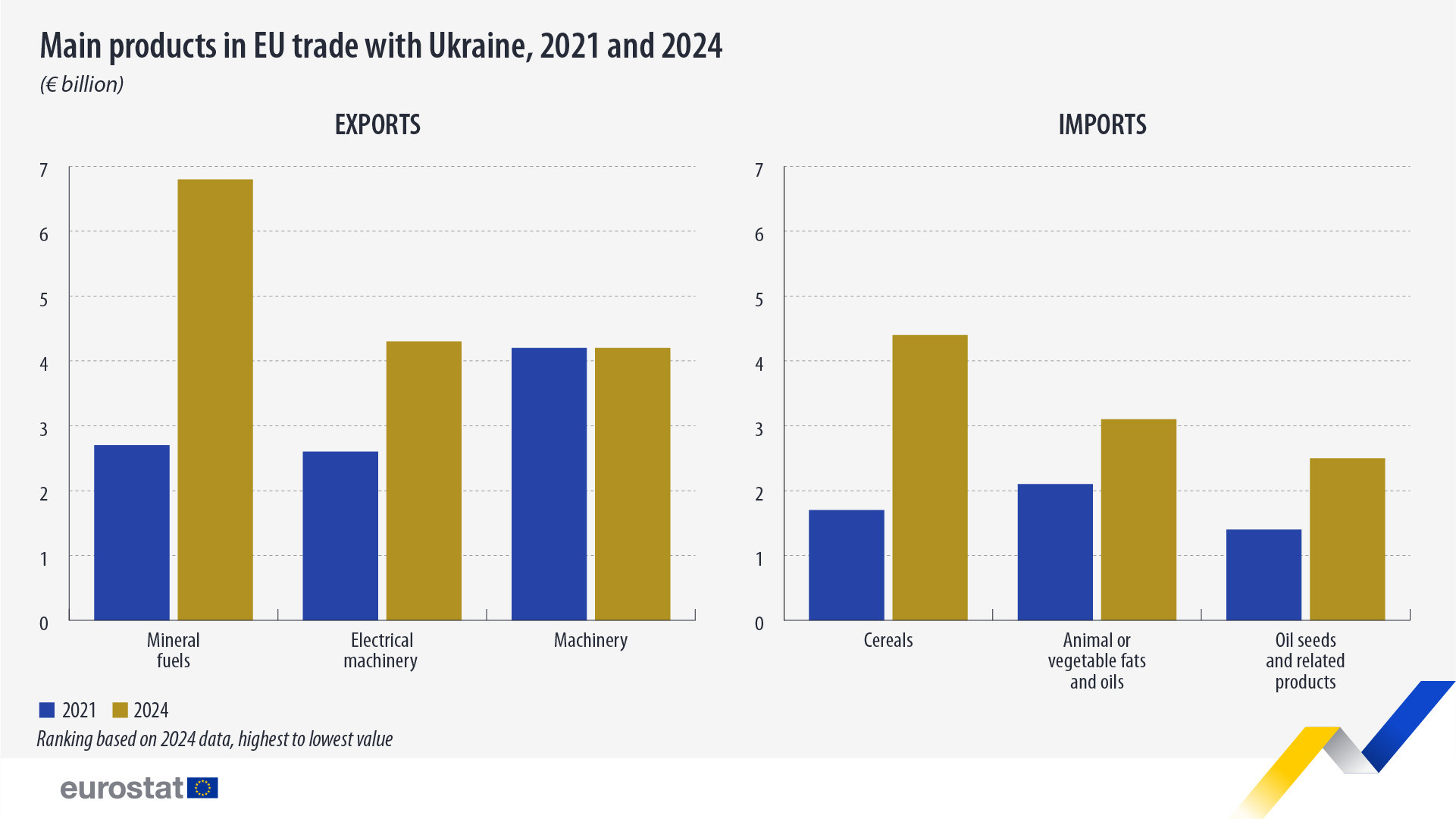
Not all industries face the same risk profile when trading with Ukraine. The reconstruction of the country’s infrastructure is a primary driver of trade. Engineering, procurement, and construction (EPC) firms, providers of heavy machinery, and digital infrastructure specialists currently operate in a high-demand, high-reward environment. The need for rapid modernization of the energy grid and transport infrastructure creates stable demand for long-term partners.
Conversely, retail and consumer goods face greater challenges related to logistics and the purchasing power of the local population. However, the agricultural sector remains a cornerstone of the economy. Businesses involved in agritech and food processing continue to find value due to the inherent productivity of Ukraine’s land and the global necessity of its exports. These sectors benefit from specialized export insurance and government-backed credit lines that make the trade safer than in less essential industries.
Developing a Robust Risk Management Framework
For businesses, the question is not whether the risk is zero, but whether it is manageable. A successful strategy begins with hyper-local intelligence. Relying on remote assessment is often a path to failure; engagement with local chambers of commerce, such as the American Chamber of Commerce in Ukraine, provides essential, granular data on local conditions.
1. Due Diligence and Compliance: Enhanced due diligence is necessary to ensure that local partners are not only financially stable but also compliant with international anti-corruption standards. The digital evolution of public procurement through platforms like ProZorro has increased transparency, but manual verification of private-sector partners remains essential.
2. Supply Chain Redundancy: Relying on a single transport route—specifically ports or rail lines that may be congested or disrupted—is a common mistake. Successful traders in 2026 utilize multi-modal logistics, often combining rail and road transport via neighboring EU countries like Poland or Romania.
3. Financial Hedging: The National Bank of Ukraine has implemented various measures to maintain monetary stability. However, businesses should avoid settling in local currency if possible, or utilize robust forward contracts to manage exposure to the Hryvnia (UAH).
Common Mistakes to Avoid
The most frequent error companies make is applying "business-as-usual" expectations to a volatile environment. Many firms underestimate the lead times required for logistics and the necessity of on-the-ground representation. A second major error is ignoring the role of the public sector. Since the state is the largest purchaser of goods and services for reconstruction, understanding the rules of public procurement is a prerequisite for any firm looking to engage in high-value contracts.
Furthermore, failing to secure adequate insurance—specifically war-risk insurance—is a catastrophic oversight. In 2026, the availability of these policies is broader than in previous years, covering not just physical assets but also shipping routes and political risks. Avoiding this cost to save on margin often results in total loss during a disruption event.
Frequently Asked Questions
Is it safe to move goods into Ukraine in 2026? The safety of movement depends on the region and the nature of the cargo. While rail and road transit from the EU border is functioning, businesses should expect delays and should prioritize using specialized freight forwarders familiar with current security protocols at border crossings.
How do I protect against non-payment by Ukrainian clients? Utilize letters of credit or trade credit insurance. Many international export credit agencies offer products specifically for trade with emerging markets facing political instability, which can effectively transfer the default risk to the insurer.
Are there legal protections for foreign businesses in Ukraine? Yes. Ukraine maintains bilateral investment treaties with many nations, which provide legal recourse for foreign investors. Additionally, the ongoing harmonization with EU law has strengthened contract enforcement and property rights protections.
Where can I find reliable data on the current business climate? Sources such as the International Monetary Fund (IMF) country reports, the European Bank for Reconstruction and Development (EBRD) updates, and the official bulletins of the Ministry of Economy of Ukraine are the most authoritative sources for macroeconomic and regulatory data.
Is it worth starting a business partnership in Ukraine now? For companies with long-term horizons, the answer is often yes. The market is currently undergoing a structural shift toward modernization and European integration. Firms that establish a presence now, while competition from global players is measured, are well-positioned to benefit from the sustained reconstruction effort.
Final Recommendation
Trade with Ukraine is a strategic decision that demands a departure from standard market-entry models. It is recommended that companies begin by auditing their specific risk tolerance, ensuring that their liquidity can withstand extended supply chain delays, and consulting with specialized legal and political risk advisors. Prioritize partnerships with firms that have established, verifiable track records in the country and secure comprehensive risk insurance before committing capital. The opportunity in 2026 lies in the intersection of resilience and reconstruction; those who build their strategy around these two pillars will find the risk-to-reward ratio increasingly favorable.
Image Gallery