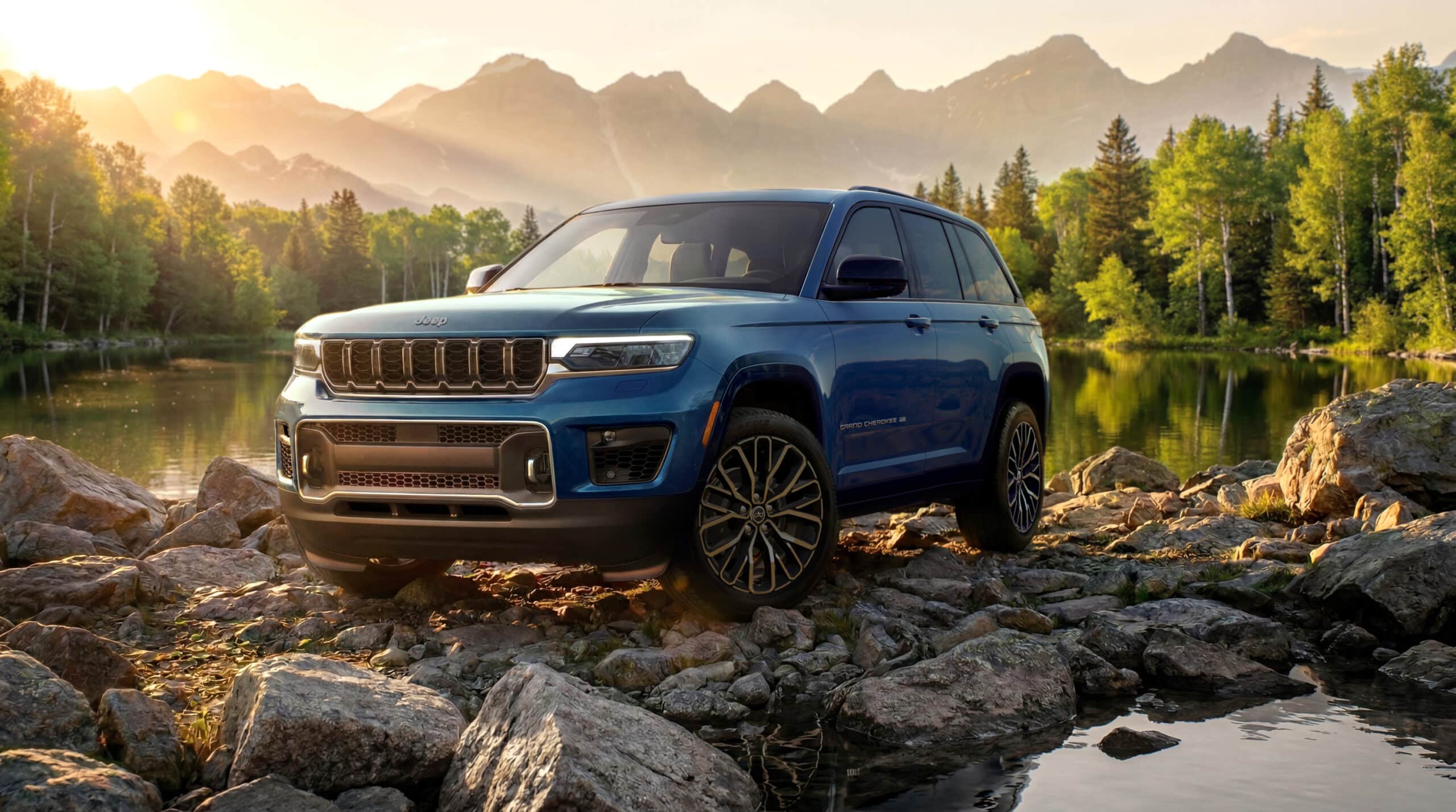
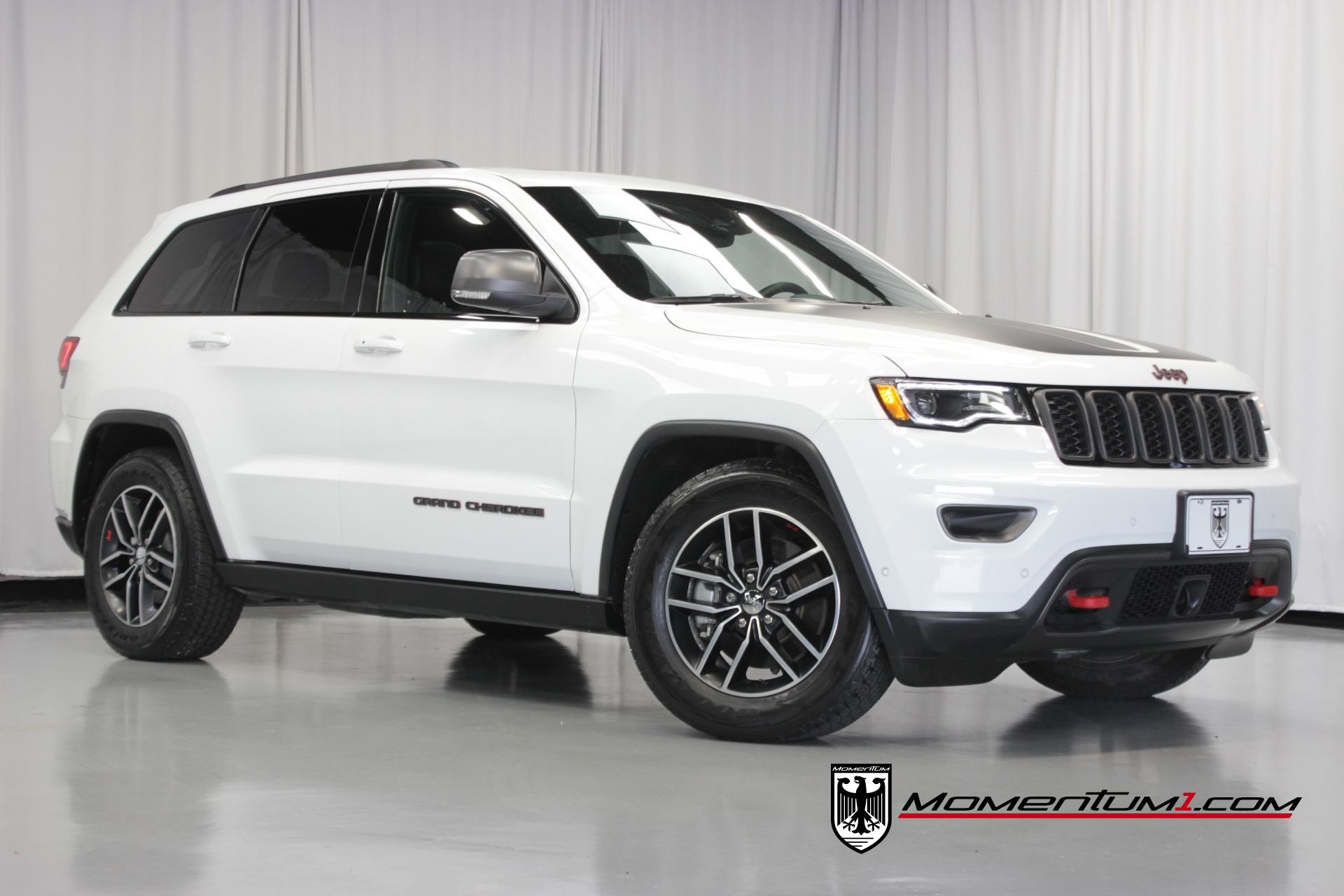
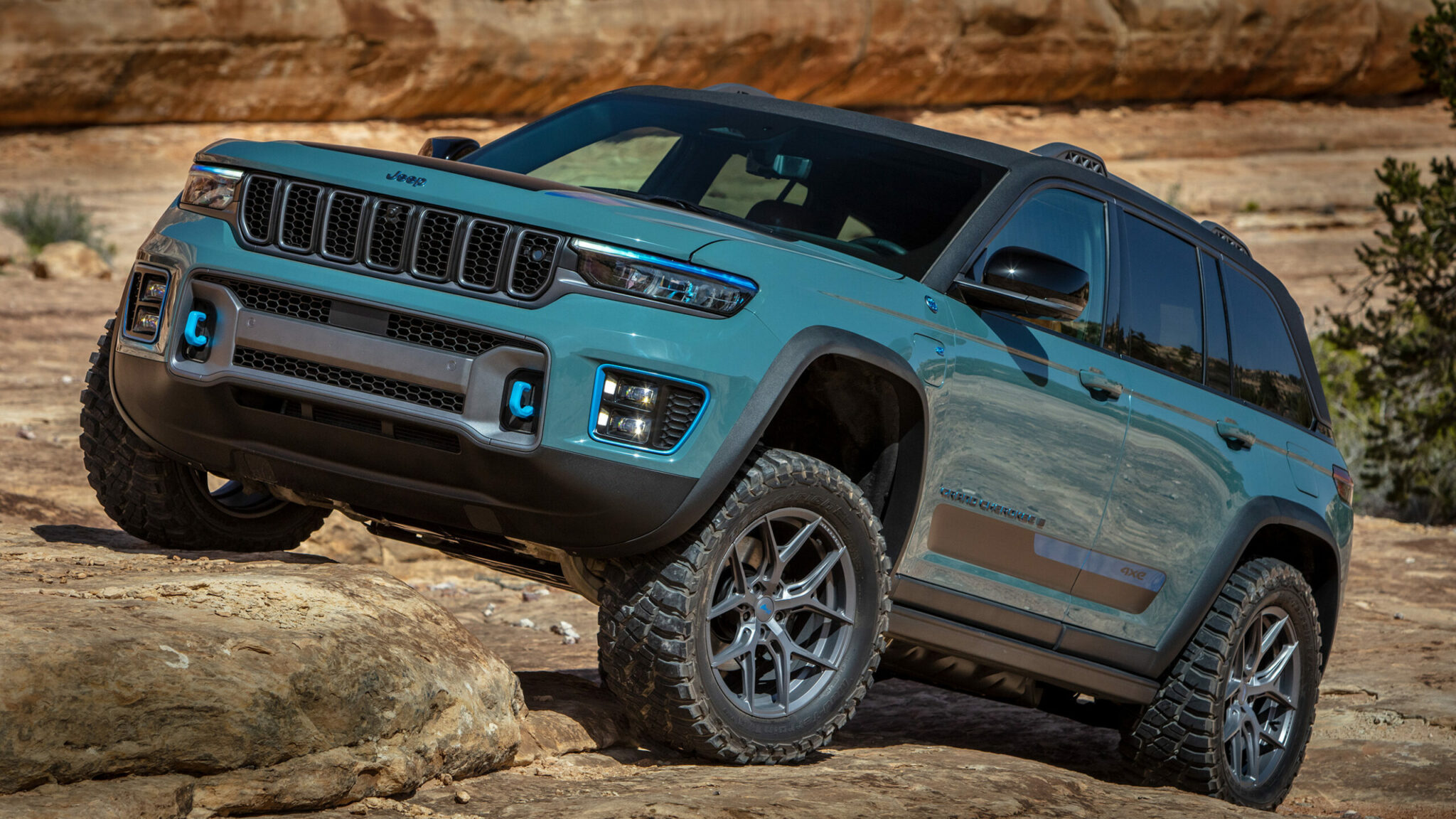
2018 Jeep Grand Cherokee Trailhawk Reliability Overview: A 2026 Long-Term Perspective
The 2018 Jeep Grand Cherokee Trailhawk remains a highly sought-after pre-owned SUV for its unique blend of off-road capability and premium interior features. While its core powertrains—the 3.6L Pentastar V6 and 5.7L Hemi V8—are mechani...
The 2018 Jeep Grand Cherokee Trailhawk remains a highly sought-after pre-owned SUV for its unique blend of off-road capability and premium interior features. While its core powertrains—the 3.6L Pentastar V6 and 5.7L Hemi V8—are mechanically robust, long-term reliability is frequently impacted by the standard Quadra-Lift air suspension and Uconnect infotainment system failures.
Contents
The 2018 model year arrived as part of the refined later stages of the "WK2" generation, which ran from 2011 through 2022. By 2018, Jeep had resolved many of the early production teething issues, making this year a "sweet spot" for many buyers. However, because the Trailhawk trim specifically includes high-tech off-road hardware as standard equipment, it carries a different reliability profile compared to the more basic Laredo or Limited trims. In 2026, with most of these vehicles having surpassed the 100,000-mile mark, understanding the distinction between standard maintenance and "design-flaw" repairs is critical for owners and prospective buyers.
The Foundation of Reliability: Engine and Transmission Performance
The 2018 Trailhawk was primarily available with two gasoline engines: the 3.6L Pentastar V6 and the 5.7L Hemi V8. A 3.0L EcoDiesel V6 was also offered but remains rare.
3.6L Pentastar V6 Reliability
The 3.6L Pentastar is the workhorse of the Jeep lineup. By 2018, this engine featured an updated two-step variable valve lift system. Generally, this engine is capable of reaching 200,000 miles with proper care. The most common reliability hurdle is the oil filter housing and cooler assembly. Made of plastic, this component is known to crack or develop seal failures, leading to oil leaks in the "V" of the engine block. In the 2026 secondary market, many Trailhawks have already had this replaced with an aftermarket aluminum unit, which effectively "fixes" the problem permanently.
5.7L Hemi V8 Reliability
The Hemi V8 offers superior towing and torque but introduces specific reliability concerns. The most notable is the "Hemi Tick," often caused by a failing lifter roller that can eventually damage the camshaft if ignored. Additionally, the exhaust manifold bolts are notorious for snapping due to heat-induced warping of the manifold itself. While these are not "engine-killing" failures in the short term, they are expensive labor-intensive repairs that often surface between 80,000 and 120,000 miles.
The ZF 8-Speed Transmission
One of the strongest points of the 2018 Trailhawk is the ZF-sourced 8-speed automatic transmission (the 850RE for the V6 and the 8HP70 for the V8). This transmission is widely regarded as one of the best in the industry for shift logic and durability. Reliability issues are rare, provided the fluid is changed—despite Jeep’s original "fill-for-life" claim. Specialists in 2026 recommend fluid and filter service every 60,000 to 80,000 miles to ensure longevity.
The Quadra-Lift Air Suspension: The Trailhawk’s Double-Edged Sword
Standard on the Trailhawk, the Quadra-Lift air suspension provides adjustable ride height, which is essential for off-roading and aerodynamic efficiency. However, from a reliability standpoint, this is the most common point of failure as the vehicle ages.
The system relies on a closed-circuit nitrogen setup, including an air compressor, four air springs (bags), and a series of valve blocks and sensors. As these vehicles enter their eighth year of service in 2026, the rubber bladders in the air struts naturally degrade and develop micro-cracks. When a leak occurs, the compressor must work overtime to maintain pressure, eventually leading to compressor burnout.
Common Failure Symptoms:
- The vehicle "squats" or leans to one side after sitting overnight.
- Warning messages on the dashboard stating "Immediate Service Required."
- Noticeably louder or constant humming from the compressor located under the front passenger seat area.
Repairing the Quadra-Lift system using OEM Mopar parts is expensive, often exceeding $1,500 per corner. Many long-term owners in 2026 opt to "delete" the system, replacing the air struts with traditional coil springs and shocks to eliminate future reliability risks, though this removes the adjustable height functionality.
Uconnect 4C and Electronics: The Delamination Crisis
Perhaps the most frustrating reliability issue specific to the 2018 model year involves the 8.4-inch Uconnect 4C infotainment system. This was the first year Jeep introduced Apple CarPlay and Android Auto integration, but the hardware suffered from a significant manufacturing defect.
The adhesive used between the touch-sensitive outer layer and the LCD screen often fails, causing "delamination." This appears as bubbles, a "dripping" liquid look inside the screen, or a "ghost-touch" phenomenon where the radio changes stations or makes phone calls autonomously. By 2026, a significant percentage of 2018 Trailhawks have experienced this. While Jeep initially offered some goodwill repairs, most owners now must choose between an expensive dealership replacement or a more affordable aftermarket screen digitizer repair.
Drivetrain and Off-Road Hardware Durability
The Trailhawk features the Quadra-Drive II system, which includes a Rear Electronic Limited-Slip Differential (ELSD). This system is remarkably robust, but it requires specific maintenance that is often overlooked.
The ELSD uses an actuator to manage torque distribution. If the differential fluid is not changed at the recommended intervals—specifically using the correct friction modifier—the clutches can chatter or the actuator can fail. Similarly, the transfer case (Quadra-Trac II) is designed for heavy use but should be inspected for leaks at the output shaft seals, which is a common minor issue on high-mileage 2018 units.
| Feature/Component | Reliability Rating | Common Issues (As of 2026) | Estimated Repair Cost |
|---|---|---|---|
| 3.6L V6 Engine | High | Oil cooler leaks, rocker arm "tick" | $600 – $900 |
| 5.7L V8 Engine | Medium-High | Exhaust manifold bolts, lifter failure | $1,200 – $3,500 |
| 8-Speed Transmission | Excellent | Very few reports of mechanical failure | $400 (Service) |
| Air Suspension | Low | Air bag leaks, compressor failure | $1,500 – $4,000 |
| Uconnect Screen | Low | Screen delamination, ghost-touch | $500 – $1,200 |
| Transfer Case/4WD | High | Output shaft seal leaks | $300 – $500 |
Critical Recalls and Safety Updates
Before purchasing or certifying a 2018 Trailhawk, it is essential to verify that all safety recalls have been addressed. The 2018 model had several notable National Highway Traffic Safety Administration (NHTSA) actions:
- Powertrain Control Module (PCM): A recall was issued for a software bug that could prevent the cruise control from disengaging. A simple flash update resolves this.
- Power Brake Booster: Some units were manufactured with a shield that didn't adequately protect the booster from corrosion, which could lead to a loss of braking assist.
- Fuel Pump (EcoDiesel Only): For those with the rare 3.0L diesel, a high-pressure fuel pump recall was significant, as a failure could cause the engine to stall unexpectedly.
Owners can verify their VIN status at the official Mopar or NHTSA websites. In 2026, most of these updates should have been performed, but "new-to-you" vehicles should always be double-checked.
Long-Term Maintenance Strategy for Trailhawk Owners
To maximize the reliability of a 2018 Jeep Grand Cherokee Trailhawk, owners should move beyond the "standard" maintenance schedule, especially if the vehicle is used for towing or off-roading.
- Cooling System: The plastic radiator end tanks and the thermostat housing are common leak points as the vehicle reaches 8 to 10 years of age. Inspecting these for pink/purple crusting (coolant residue) can prevent an overheating event.
- Suspension Inspection: Periodically spray the air bags with soapy water to check for leaks. Catching a small leak early can save the expensive air compressor from burning out.
- Battery Health: The Grand Cherokee is extremely sensitive to voltage drops. An aging battery (older than 3-4 years) can trigger "phantom" dashboard warnings for the ABS, 4WD system, or electronic power steering. Always use a high-quality AGM battery.
Frequently Asked Questions
Is the 2018 Jeep Grand Cherokee Trailhawk a reliable daily driver?
Yes, for most owners, it is a dependable daily driver. The core mechanicals—the engine and transmission—are very reliable. However, you should budget for "luxury-tax" repairs, specifically regarding the air suspension and electronics, which are more prone to failure than the mechanical drivetrain.
How long does the Quadra-Lift air suspension last?
On average, the air suspension components begin to show signs of wear between 70,000 and 100,000 miles. In colder climates, where road salt and temperature swings affect rubber and sensors, failures may occur sooner. By 2026, most original systems will require at least some component replacement.
Should I choose the V6 or the V8 for better reliability?
The 3.6L V6 is generally considered more "reliable" simply because it is a less complex engine with fewer known issues like the Hemi's manifold and lifter concerns. However, the V8 is better suited for heavy towing and has a dedicated following that finds the extra maintenance costs worth the performance trade-off.
Can the Uconnect screen delamination be fixed without replacing the whole unit?
Yes. There are now several specialized companies that sell replacement digitizers or offer repair services for the 8.4-inch 4C screens. This is significantly cheaper (often under $500) than the $1,200+ the dealership charges for a refurbished exchange unit.
Does the Trailhawk require premium gasoline?
The 3.6L V6 runs on regular 87-octane fuel. The 5.7L V8 recommends mid-grade 89-octane for optimum performance and fuel economy but can run on 87-octane without damage, though you may notice a slight decrease in power.
Final Recommendation: Verification and Action
If you are evaluating a 2018 Jeep Grand Cherokee Trailhawk in 2026, prioritize a Pre-Purchase Inspection (PPI) that specifically includes a diagnostic scan of the Air Suspension Control Module (ASCM) and a physical check of the Uconnect screen for any signs of bubbling. Look for service records indicating a transmission fluid change and cooling system service. If the vehicle is still on its original air struts at 100,000 miles, factor the cost of a future suspension refresh into your purchase price. When maintained correctly, these vehicles easily reach 150,000 to 200,000 miles, offering one of the best "all-rounder" experiences in the SUV market.
Image Gallery