Understanding Violet’s Disability in Fourth Wing: A Deep Dive into EDS Representation
Violet Sorrengail, the protagonist of Rebecca Yarros’s Fourth Wing, lives with a chronic condition characterized by joint hypermobility, fragile ligaments, and easy bruising. While the book uses fantasy elements to frame her struggles,...
Violet Sorrengail, the protagonist of Rebecca Yarros’s Fourth Wing, lives with a chronic condition characterized by joint hypermobility, fragile ligaments, and easy bruising. While the book uses fantasy elements to frame her struggles, her disability is a direct representation of Ehlers-Danlos Syndrome (EDS), specifically the hypermobile type (hEDS).
Contents
The Real-World Inspiration: Ehlers-Danlos Syndrome (EDS)
In Fourth Wing and its sequels, Violet’s physical challenges are central to her identity and her survival at Basgiath War College. While the text itself does not use the modern medical term "Ehlers-Danlos Syndrome"—as the setting is a pre-industrial fantasy world—author Rebecca Yarros has confirmed in numerous interviews that Violet was written specifically to have EDS. Yarros herself lives with hEDS, making the representation deeply personal and medically grounded.
Ehlers-Danlos Syndrome is a group of hereditary connective tissue disorders. Connective tissue provides structure to the skin, joints, and blood vessel walls. In people with EDS, the collagen that acts as the "glue" for the body is faulty or insufficient. This leads to a variety of systemic issues, most notably joint instability and chronic pain.
Defining Hypermobile EDS (hEDS)
Hypermobile EDS is the most common subtype. It is characterized primarily by joints that move beyond the normal range of motion (hypermobility), which leads to frequent subluxations (partial dislocations) and full dislocations. For Violet, this means her knees, shoulders, and wrists often "pop out" during minimal exertion, such as climbing the Parapet or training in the sparring ring.
The "Zebra" is the international symbol for EDS. In medical school, students are often taught, "When you hear hoofbeats, think horses, not zebras," meaning they should look for the most common diagnosis. The EDS community adopted the zebra because they represent the rare or unexpected diagnosis that is often overlooked. Violet represents the "Zebra" of the Riders Quadrant—a place where only the physically "perfect" are expected to survive.
Symptoms and Manifestations at Basgiath War College
Violet’s disability is not a plot point that disappears when she gains magic; rather, it remains a constant factor in her daily life. The narrative meticulously tracks how her body reacts to the brutal environment of the dragon rider training program.
Joint Instability and Chronic Pain
From the opening chapters, Violet’s physical vulnerability is established. She binds her joints with compression wraps to keep them in place—a common management technique for hEDS patients. During the Gauntlet (an obstacle course), her joints are her primary adversary. Unlike other cadets who struggle with strength or height, Violet must calculate every movement to ensure her shoulders do not dislocate under her own weight.
Fragile Tissue and Easy Bruising
Another hallmark of EDS is skin and tissue fragility. Violet is frequently described as covered in bruises that take a long time to heal. In the sparring ring, even a blocked strike can leave her with significant soft-tissue damage. This fragility is a physical manifestation of her faulty collagen, making her appear "frail" to those who equate physical durability with military potential.
The Mystery of the Silver Hair
A distinct physical trait of Violet is her hair, which is dark at the roots but fades to a metallic silver-white at the ends, regardless of how much she cuts it. While this is a fantasy element (often theorized by fans to be linked to her mother’s illness during pregnancy), many in the chronic illness community view it as a metaphor for the "invisible" nature of disability. It marks her as different from birth, signaling an internal physiological change that sets her apart from the "healthy" population.
Accommodations and Assistive Technology in a Fantasy Setting
One of the most revolutionary aspects of Fourth Wing is how it handles disability accommodations. Rather than "healing" Violet’s disability with magic, the story focuses on how she adapts her environment and equipment to meet her needs.
The Custom Saddle
The most prominent accommodation is the custom saddle designed for Tairn, Violet's dragon. Because of her weak joints, Violet cannot grip a dragon’s back with her legs with the same force as other riders. During high-speed maneuvers or combat, she would likely be thrown and killed.
The creation of the saddle is a pivotal moment in the narrative. It represents a shift from trying to "fix" Violet to providing her with the tools necessary to succeed. Tairn, a massive and powerful dragon, does not view the saddle as a sign of weakness. Instead, he views it as a logical solution to a physical constraint, emphasizing that a rider’s worth is found in their bond and their mind, not just their physical stamina.
Weaponry and Combat Style
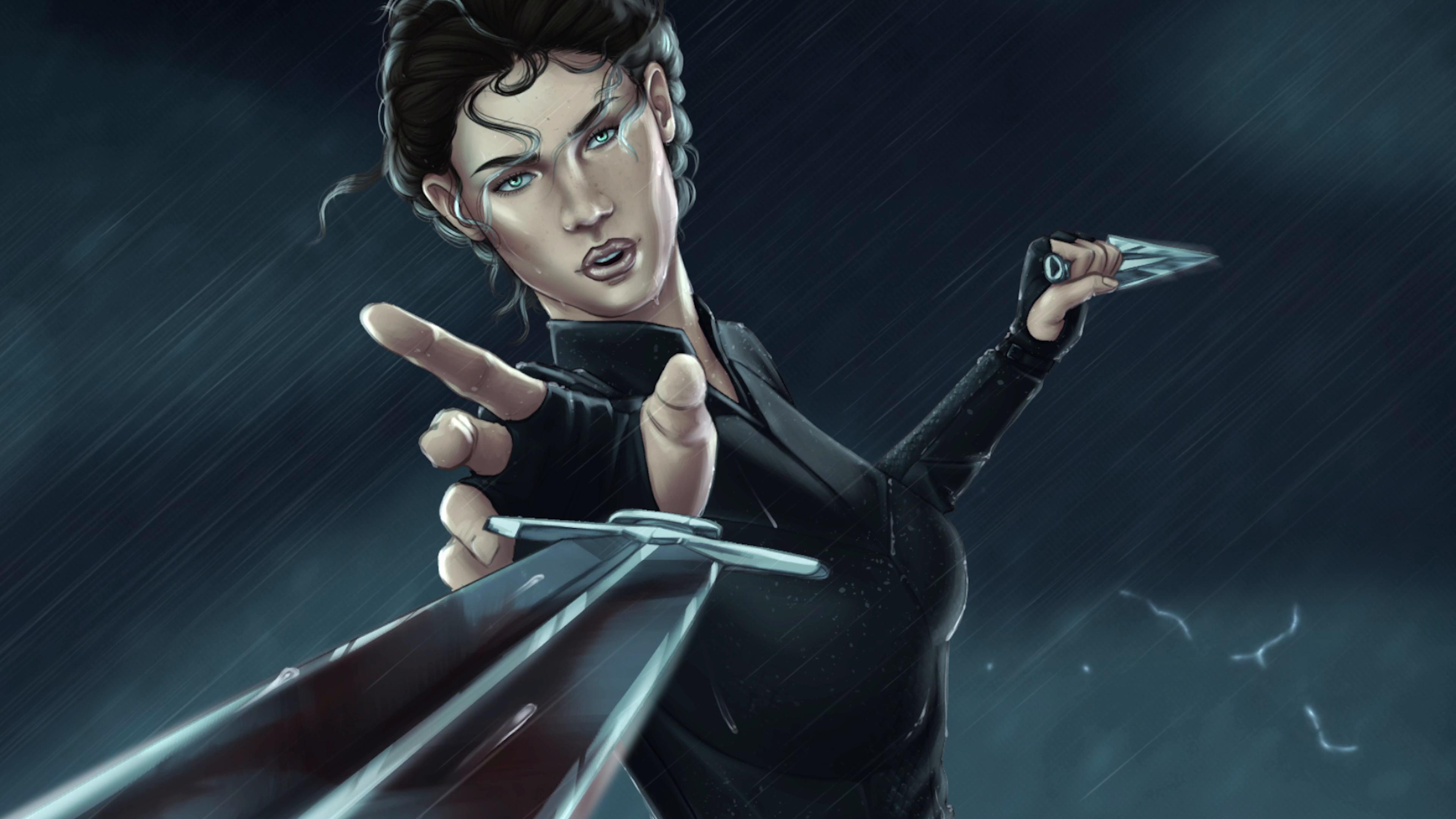
Violet’s disability also dictates her choice of weaponry. Because she lacks the raw power for heavy broadswords, she specializes in daggers. Daggers allow her to utilize speed and precision, minimizing the strain on her larger joints. Her combat style is defensive and strategic, revolving around the reality that she cannot win a war of attrition against a larger, more durable opponent.
Comparative Analysis: Violet’s Experience vs. Clinical EDS
The following table illustrates the parallels between the clinical symptoms of hEDS and Violet’s experiences within the Fourth Wing narrative.
| Clinical hEDS Symptom | Manifestation in Violet Sorrengail | Narrative Impact |
|---|---|---|
| Joint Hypermobility | Frequent knee and shoulder dislocations during training. | Forces Violet to use wraps and strategic movement. |
| Chronic Pain | Constant mention of "aching" and "burning" after physical exertion. | Establishes her high pain tolerance and mental grit. |
| Tissue Fragility | Persistent bruising and slow-healing skin tears. | Reinforces the perception of her as "fragile" by peers. |
| Ligament Laxity | Difficulty holding heavy weapons or maintaining a "grip." | Leads to the development of her specialized dagger skills. |
| Fatigue | High energy cost for basic stabilization of joints. | Makes her survival of the Parapet and Gauntlet more impressive. |
The Psychological Dimension: Disability and Identity
Understanding Violet’s disability requires looking beyond the physical symptoms to the psychological impact of living in an ableist society. Navarre, the setting of the series, is a culture that prizes physical strength above all else. Violet spent her life being told by her mother, General Sorrengail, that her body was a failure.
Internalized Ableism
Violet initially carries a heavy burden of internalized ableism. She views her body as something to be overcome or hidden. Her journey is not about "conquering" her disability but about accepting it as a part of her tactical reality. The shift from "I am weak" to "I have physical limits that require different strategies" is the core of her character development.
The Role of Tairn and Andarna
Her dragons play a crucial role in her self-perception. Tairn is notoriously grumpy and powerful, yet he is fiercely protective of Violet's autonomy. He does not coddle her; he expects her to be a rider, but he acknowledges her physical reality. Andarna, the smaller dragon, also provides a mirror for Violet’s experience—starting as a "frail" hatchling who possesses unique power that others don't understand.
Navigating Common Misconceptions
As Fourth Wing remains a dominant force in fantasy literature in 2026, several misconceptions about Violet’s condition persist among the fandom.
- Is she cured by magic? No. While dragon riders gain increased strength and faster healing, Violet’s underlying connective tissue disorder remains. She still experiences dislocations and must use her saddle.
- Is her disability a "spoiler"? No, it is established in the first chapter. However, the specific link to EDS is more of an "out-of-universe" confirmation by the author that enriches the reading experience.
- Does she have a "magic" advantage? Some readers argue that her signet (lightning) compensates for her body. While her power is immense, the physical act of wielding it still taxes her joints and stamina, meaning her disability remains a factor even in peak magical combat.
Frequently Asked Questions
Why does Violet have gray/silver hair?
In the context of the world, it is suggested that her mother, General Sorrengail, suffered from a mysterious fever while pregnant with Violet, which "drained" the color from Violet’s hair and left her bones brittle. In a literary sense, it serves as a visual marker of her chronic illness and her "otherness."
Does the author, Rebecca Yarros, have the same condition?
Yes, Rebecca Yarros has Ehlers-Danlos Syndrome (specifically hEDS). She has stated in interviews that she wanted to see a protagonist who was a hero not despite her chronic illness, but while living with it. This authenticity is why many readers with EDS find the representation so accurate.
What is the significance of the "saddle" debate?
The saddle is a point of contention for some characters who believe it makes Violet a "lesser" rider. However, the narrative frames the saddle as a necessary tool, much like a pair of glasses or a wheelchair. It challenges the idea that "real" success must be achieved without help.
Can Violet’s disability be healed by mending?
In the series, "Menders" can heal acute injuries like broken bones or cuts, but they cannot change a person's fundamental genetics or chronic physiology. Just as a Mender cannot "cure" a person's eye color, they cannot "cure" the way Violet’s body produces collagen.
How does Violet's disability affect her relationship with Xaden?
Xaden Riorson is one of the few characters who recognizes Violet's physical limitations without pitying her. He challenges her to find ways to use her body effectively, such as teaching her to fight in ways that don't rely on joint strength. Their relationship is built on mutual respect for her tactical mind.
Practical Takeaway for Readers
For readers who wish to understand the depth of Violet's journey, it is essential to view her disability as a permanent fixture of her character rather than a hurdle to be cleared. The brilliance of Fourth Wing lies in its refusal to offer a "magical cure." Instead, it provides a blueprint for resilience through adaptation.
If you are a fan of the series, paying attention to the specific ways Violet prepares for battle—her wraps, her daggers, and her mounting techniques—offers a much richer understanding of her character. For those in the chronic illness community, Violet stands as a rare example of a high-fantasy hero who manages a complex disability in a world that wasn't built for her, proving that "fragile" does not mean "weak."
Image Gallery