The Essential Lin-Manuel Miranda Songbook: Why His Compositions Define a Generation
Lin-Manuel Miranda’s songs matter because they bridge the gap between traditional musical theater and contemporary hip-hop, creating a new vernacular for cultural identity and historical storytelling. By centering marginalized voices a...
Lin-Manuel Miranda’s songs matter because they bridge the gap between traditional musical theater and contemporary hip-hop, creating a new vernacular for cultural identity and historical storytelling. By centering marginalized voices and utilizing complex rhythmic structures, his work has redefined the commercial and critical boundaries of the 21st-century stage and screen.
Contents
As of 2026, the influence of Lin-Manuel Miranda on the American musical landscape is no longer just a trend; it is a fundamental shift in how stories are told through song. From the streets of Washington Heights to the revolutionary fields of the 18th century and the magical landscapes of Disney animation, Miranda’s compositions have consistently broken records and barriers. To understand why his songs matter, one must look past the catchy melodies and examine the technical innovation, the cultural representation, and the emotional resonance that define his body of work.
The Foundation of Identity: In the Heights
The significance of Lin-Manuel Miranda’s songwriting began with In the Heights, which premiered on Broadway in 2008. Before this, the Latinx experience was rarely center-stage in a modern, non-caricatured way on Broadway. Miranda changed this by weaving the specific sounds of salsa, merengue, and hip-hop into the fabric of the musical theater tradition.
"In the Heights" and the Power of Place
The opening number, "In the Heights," serves as a masterclass in world-building. It introduces a sprawling cast of characters, their economic struggles, and their dreams within the first seven minutes. This song matters because it establishes the "neighborhood" as a protagonist. Miranda uses rapid-fire internal rhymes and polyrhythmic beats to simulate the energy of Upper Manhattan. It wasn't just a song; it was a flag planted for a community that had been largely invisible to the typical theater-going demographic.
"Paciencia y Fe" (Patience and Faith)
In "Paciencia y Fe," Miranda explores the immigrant experience through the character of Abuela Claudia. The song is vital because it treats the history of Caribbean migration with the same weight and dignity usually reserved for European epics. By alternating between Spanish and English, Miranda captures the dual identity of the diaspora. The song's slow, sweeping build reflects the endurance required of the immigrant generation, making it a poignant anthem for those who "worked for every penny."
Redefining the American Mythos: Hamilton
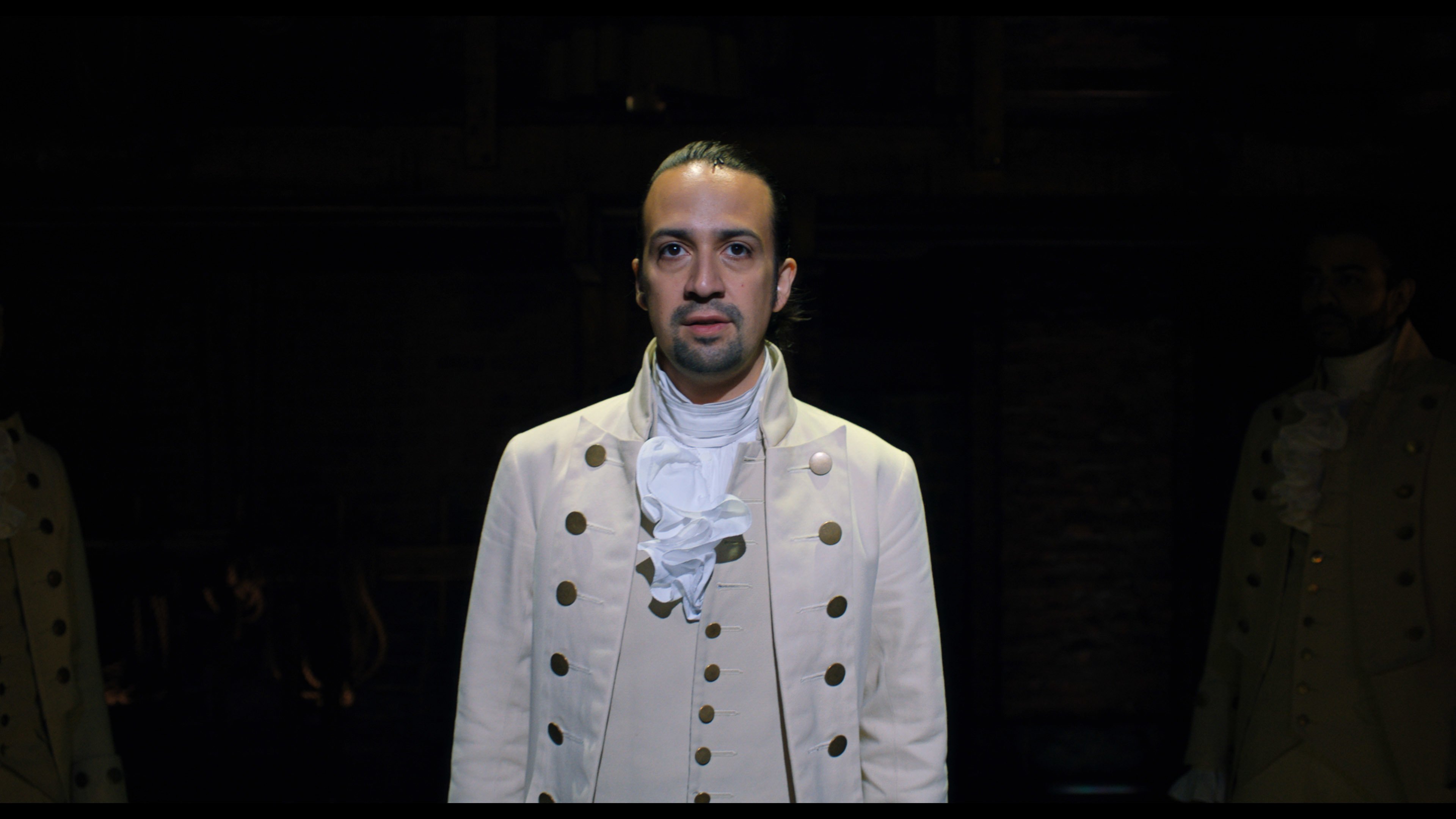
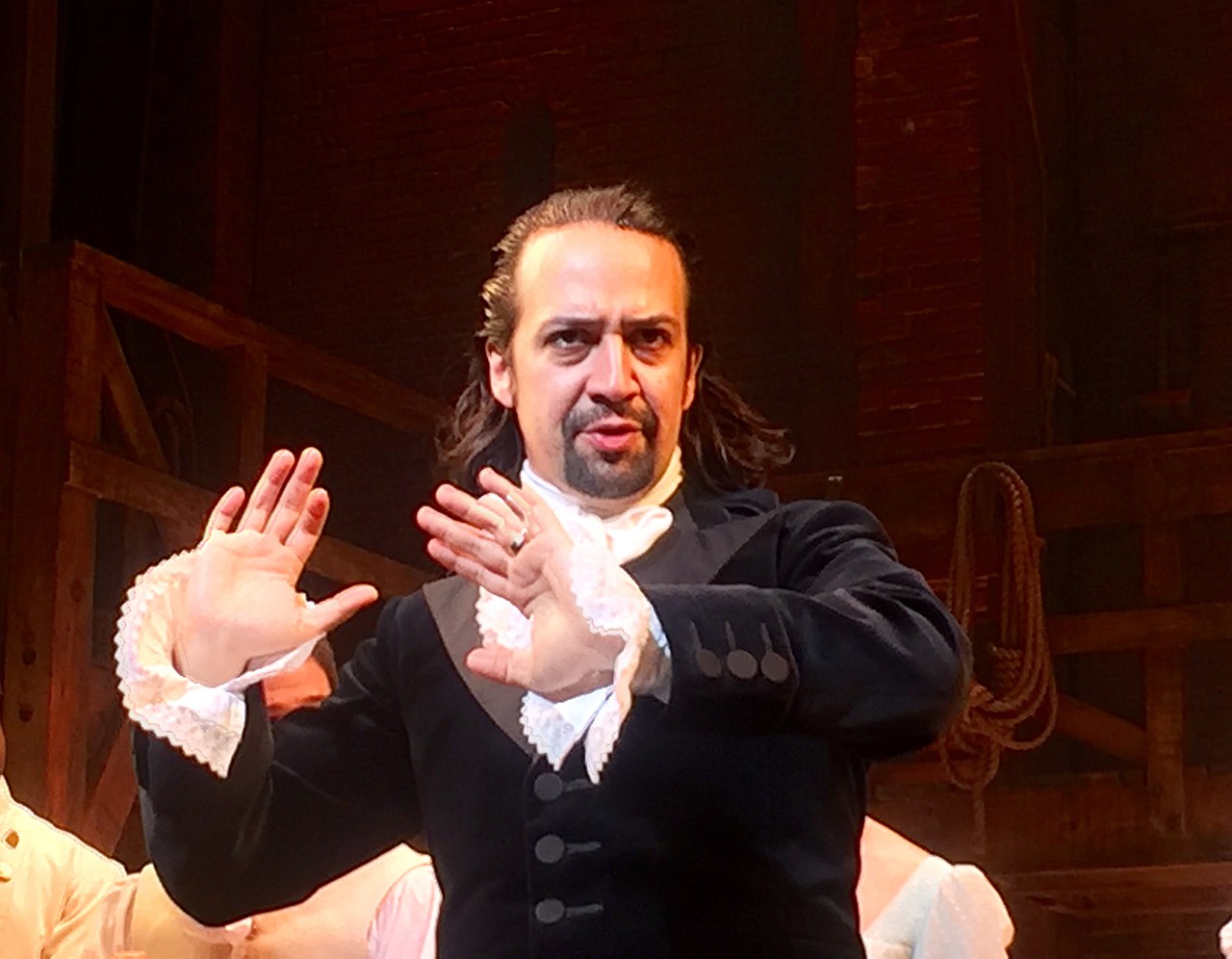
If In the Heights was a local triumph, Hamilton (2015) was a global seismic shift. Miranda’s choice to cast people of color as the Founding Fathers and tell their story through hip-hop was not a gimmick; it was a reclamation of the American narrative.
"Alexander Hamilton" and the Immigrant Narrative
The opening track of Hamilton serves a dual purpose: it provides a historical biography while framing the first Treasury Secretary as an immigrant. This framing is why the song matters—it connects the 18th century to the modern day. By using the language of hip-hop—a genre birthed from struggle and self-assertion—Miranda aligns the grit of the American Revolution with the grit of contemporary urban life.
"My Shot" and the Anthem of Ambition
"My Shot" is arguably the most analyzed song in modern theater history. It matters because of its technical density and its thematic resonance with youth culture. Miranda spent a year writing this single track, ensuring that the rhythm of the lyrics mirrored the intellectual agility of Hamilton himself. The recurring refrain, "I am not throwing away my shot," became a universal slogan for opportunity and resilience, transcending the theater to be used in political rallies, sports arenas, and classrooms.
"Satisfied" and Technical Innovation
In "Satisfied," Miranda utilizes a "rewind" mechanic, where the music and lyrics literally go back in time to show a different perspective of a previous scene. This song matters because it demonstrates the heights of Miranda’s structural genius. The blend of R&B riffing and high-speed rap allows for complex character development in a fraction of the time a traditional ballad would require. It showcases the intellectual depth of Angelica Schuyler, making her one of the most compelling female characters in the musical canon.
The Disney Renaissance and Global Impact
In the 2020s, Miranda transitioned into a dominant force in film music, particularly through his collaboration with Disney. His work on Moana (2016) and Encanto (2021) brought his signature style to a younger, global audience.
"How Far I'll Go"
This song matters because it updated the classic Disney "I Want" song for a new era. Unlike many of its predecessors, "How Far I'll Go" is not about a longing for romance, but a longing for purpose and discovery. It respects the cultural musicology of the Pacific Islands while maintaining a pop sensibility that allowed it to reach the top of the charts.
"We Don't Talk About Bruno"
The success of "We Don't Talk About Bruno" from Encanto was a phenomenon that surprised even the music industry. It was the first Disney song to reach number one on the Billboard Hot 100 since 1993. Why does it matter? Because it is a sophisticated ensemble piece that utilizes a "montuno" structure—a recurring rhythmic pattern in Latin music. It proved that a complex, multi-perspective narrative song could become a mainstream pop hit, defying the trend of simple, repetitive radio singles.
Comparison of Key Compositions and Their Impact
The following table outlines how different songs by Lin-Manuel Miranda served specific cultural or technical purposes.
| Song Title | Source Work | Primary Genre | Cultural/Technical Impact |
|---|---|---|---|
| "96,000" | In the Heights | Hip-Hop/Salsa | Exemplifies the "community dream" and collective aspiration. |
| "Wait For It" | Hamilton | PBR&B/Soul | Humanizes the antagonist and explores the philosophy of restraint. |
| "Surface Pressure" | Encanto | Reggaeton/Pop | Addresses the psychological burden of eldest siblings and family expectations. |
| "Dos Oruguitas" | Encanto | Folk (Bambuco) | First Spanish-language song from a Disney film nominated for an Oscar. |
| "Found/Tonight" | Mashup | Ballad | A charity single for "March for Our Lives," showing music's role in activism. |
The Technical Artistry: Why the Music Works
Beyond the cultural implications, Miranda’s songs matter because of their sheer craftsmanship. He employs several techniques that have raised the bar for songwriting in the 2020s.
- Syllabic Density: Miranda packs more words into a measure than almost any other Broadway composer. This allows for a density of information that makes his shows highly re-watchable; listeners discover new wordplay even after dozens of listens.
- Leitmotifs: Borrowing from Richard Wagner and Stephen Sondheim, Miranda uses recurring musical phrases to represent specific ideas. In Hamilton, the "helpless" melody and the "satisfied" melody weave together to tell a story of conflicting desires without a single word being spoken.
- Internal Rhyme Schemes: His use of internal rhymes (rhyming words within the same line of poetry) is a hallmark of high-level rap. This adds a percussive quality to the vocals, making the singers part of the rhythm section.
- Genre Blending: He does not simply put rap on top of show tunes. He understands the architecture of both. He might use a traditional 32-bar song form but populate it with the syncopation of reggaeton or the sampling aesthetics of 90s hip-hop.
Why His Work Still Matters in 2026
As we look at the musical landscape in 2026, Miranda’s legacy is visible in the "Hamilton-ization" of history and the "Encanto-style" of character-driven pop. His songs have become educational tools; Hamilton is used in history curricula across the United States to engage students with the founding of the country.
Furthermore, his work has opened the door for other diverse creators. By proving that stories about specific ethnic communities can have universal appeal and massive commercial success, he has fundamentally changed what producers are willing to fund. The "Miranda effect" has led to a more inclusive Broadway and a more diverse film-scoring industry.
Frequently Asked Questions
Which Lin-Manuel Miranda song has won the most awards?
While individual songs like "Dos Oruguitas" and "How Far I'll Go" received Academy Award nominations, "We Don't Talk About Bruno" holds the record for the most significant commercial success, staying at the top of the Billboard charts for several weeks. However, the Hamilton cast recording as a whole won a Grammy and is one of the highest-selling cast albums of all time.
Did Lin-Manuel Miranda write the music for The Little Mermaid (2023)?
Miranda collaborated with the original composer, Alan Menken, for the 2023 live-action adaptation. He wrote additional lyrics for new songs such as "The Scuttlebutt" and "For the First Time," bringing his signature rhythmic style to the classic Disney property.
How does Miranda incorporate Spanish into his English songs?
Miranda uses a technique called "code-switching," which is common in bilingual communities. He rarely translates the Spanish directly; instead, he uses context clues so that non-Spanish speakers can follow the emotional beat while providing a sense of home and authenticity for those who do speak the language.
Is Lin-Manuel Miranda still writing for Broadway in 2026?
By 2026, Miranda has continued his involvement in theater both as a producer and a creator. While he has spent much of the last decade in film, his return to the stage remains a highly anticipated event in the theater world, often focusing on mentoring new talent through his various production ventures.
What makes his songwriting different from Stephen Sondheim's?
While Miranda considers Sondheim a mentor, their styles differ in origin. Sondheim focused on the "puzzle-like" precision of lyrics and complex harmonic structures rooted in classical music. Miranda uses that same precision but roots it in the rhythmic and social history of hip-hop and Latin music.
Final Recommendation
For those looking to truly appreciate why Lin-Manuel Miranda’s songs matter, the best course of action is to listen to the Hamilton and In the Heights original cast recordings in their entirety while following along with the lyrics. Pay close attention to how motifs from the beginning of the shows return at the end with new, often tragic, meanings. Observing how he uses rhythm to define character—such as Aaron Burr’s cautious, steady beats versus Hamilton’s erratic, fast-paced bars—will reveal the true depth of his musical storytelling.
Image Gallery