Why the 28 Years Later Leaks Matter for Fans
The 28 Years Later leaks matter for fans because unauthorized disclosures of plot details, casting confirmations, and production imagery disrupt the carefully curated anticipation of a major horror franchise revival, forcing studios, c...
The 28 Years Later leaks matter for fans because unauthorized disclosures of plot details, casting confirmations, and production imagery disrupt the carefully curated anticipation of a major horror franchise revival, forcing studios, creators, and the community to navigate an altered landscape of audience expectations.
Contents
The Cultural Weight of the Franchise Revival
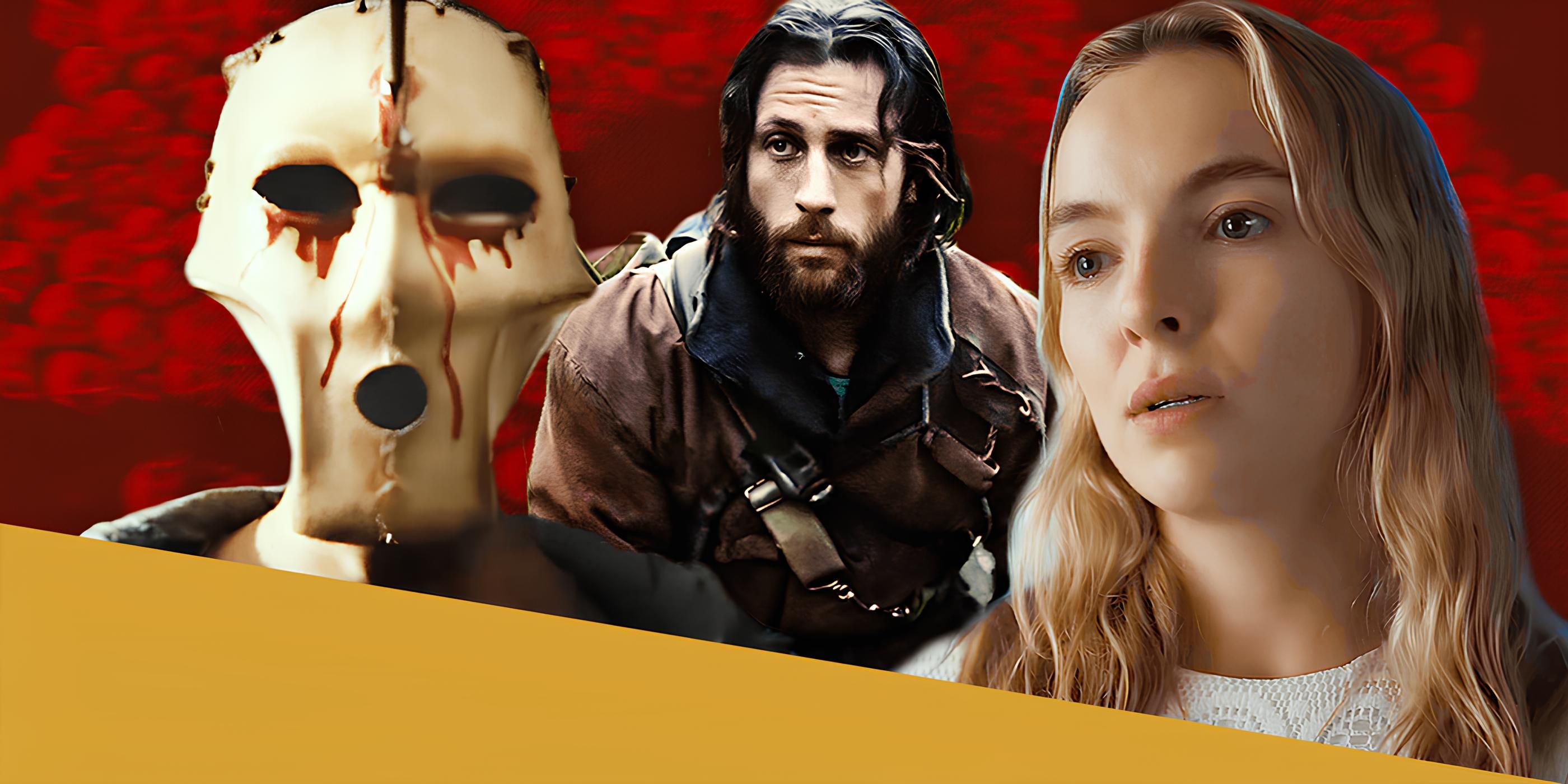
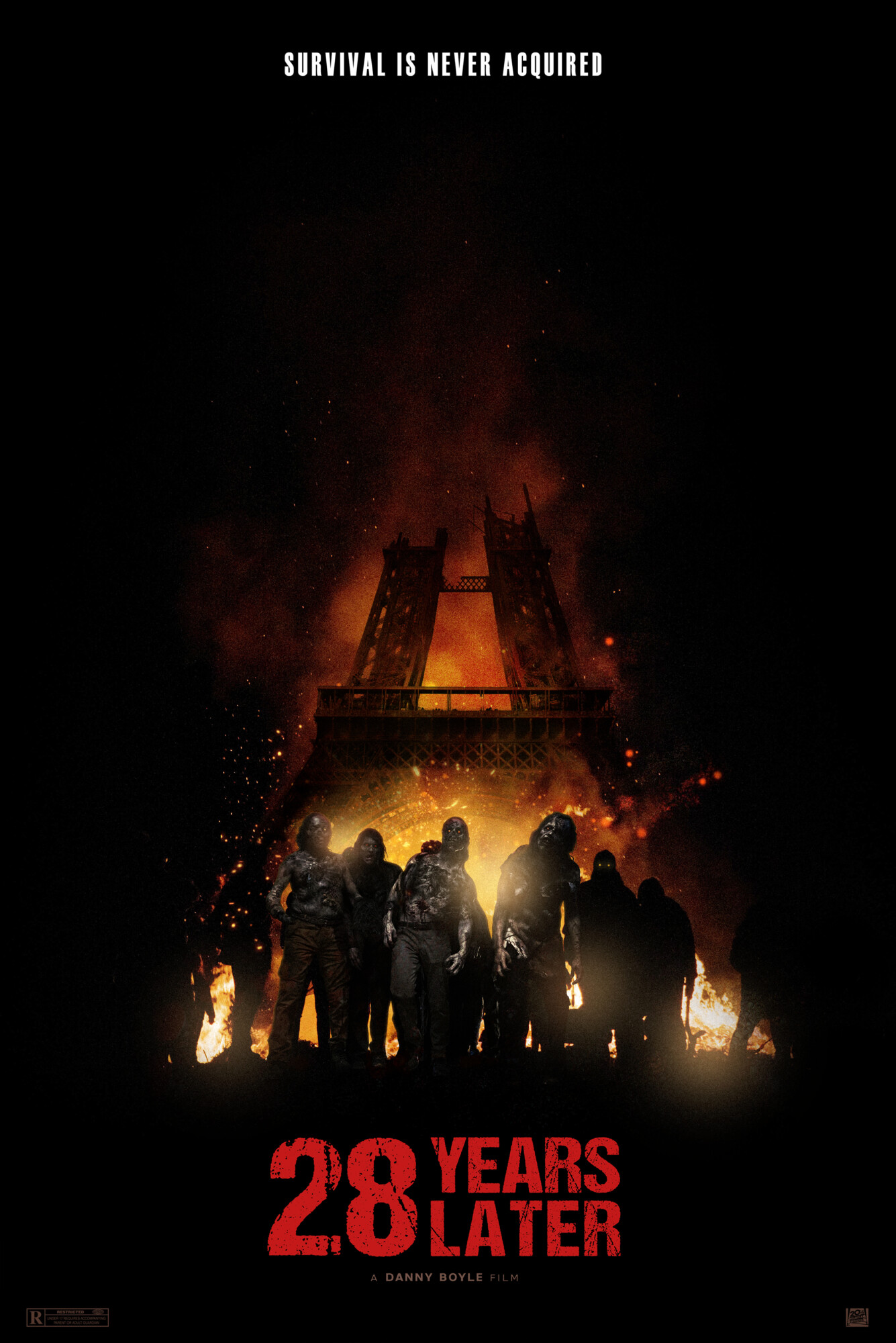
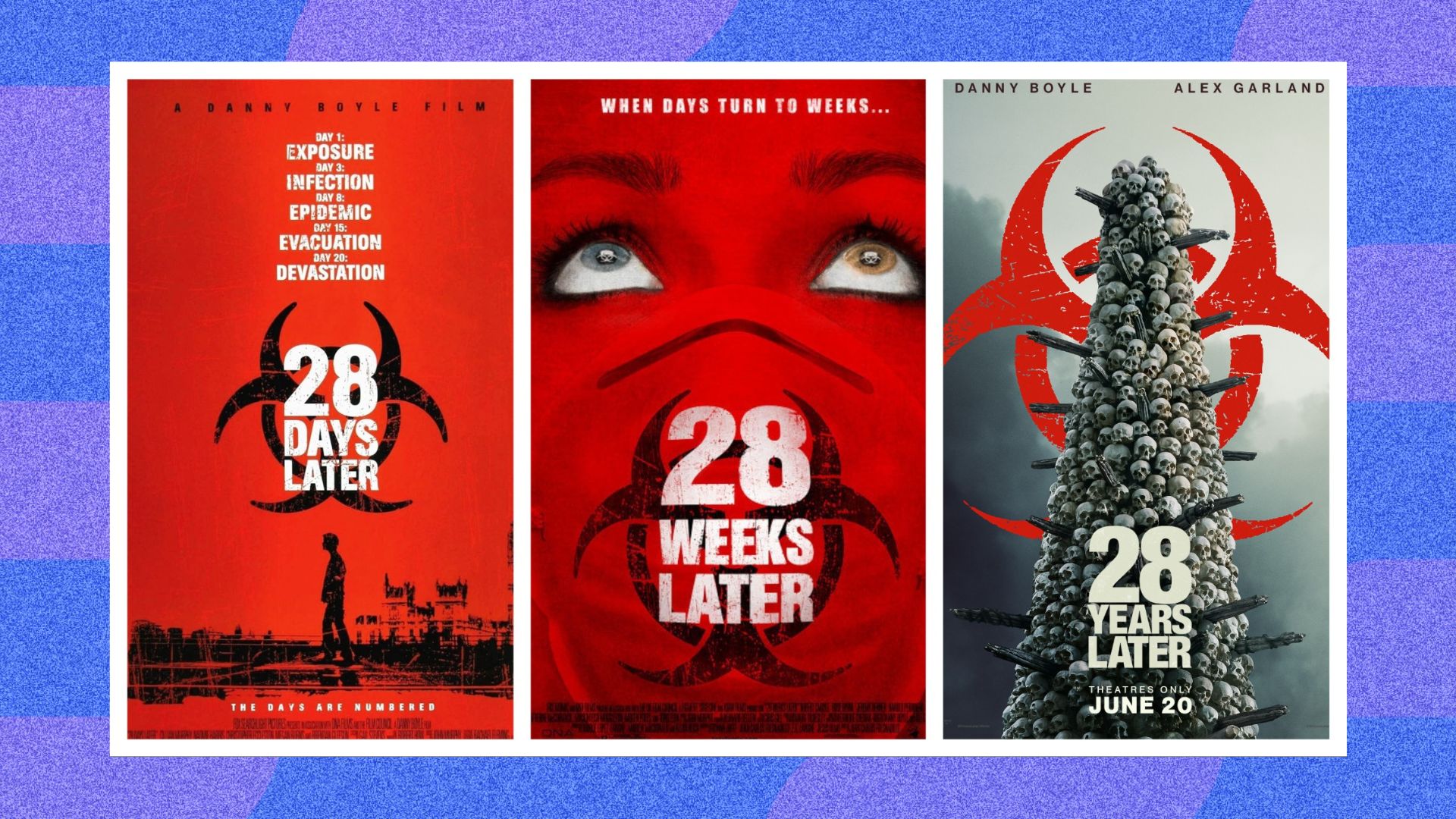
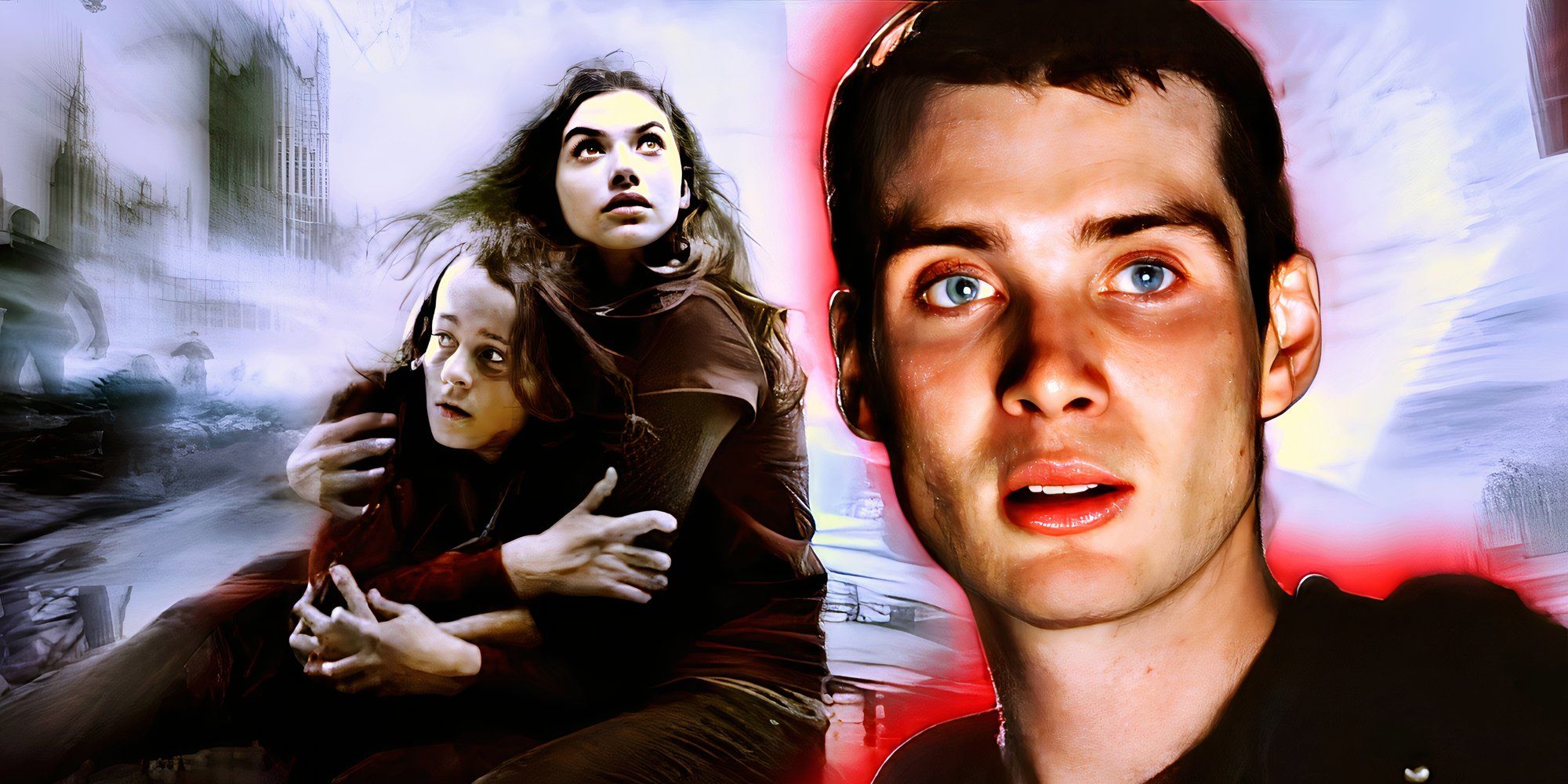
The announcement of 28 Years Later marked a monumental milestone for the horror genre, specifically for the post-apocalyptic subgenre defined by high-speed infected, stark social commentary, and visceral survival dread. When Danny Boyle and Alex Garland reunited to spearhead a new trilogy—starting with 28 Years Later directed by Boyle and written by Garland—the anticipation among long-time devotees of 28 Days Later (2002) and 28 Weeks Later (2007) reached a fever pitch. Because nearly two decades have passed since the events of the original films, the stakes for continuity, tonal consistency, and modern relevance are exceptionally high.
When leaks permeate this specific ecosystem, they do not merely spoil a plot twist; they threaten to hijack a decades-long cultural conversation. Fans who have waited patiently for the Rage Virus to return on the big screen find themselves vulnerable to out-of-context screenshots, script summaries, and character fate revelations. This dynamic transforms the communal buildup into a defensive exercise, where enthusiasts must actively curate their digital consumption to avoid accidental spoilers. Understanding why these leaks matter requires examining the intricate psychology of modern fandom, the economics of spoiler culture, and the delicate relationship between studio secrecy and audience engagement.
Understanding the Nature of the Leaks
To comprehend the impact of unauthorized information, it is necessary to examine what typically surfaces during major film production leaks. In the case of 28 Years Later, premature disclosures have ranged from minor set photographs capturing remote rural locations and military aesthetics to more severe breaches involving major character arcs, returning legacy cast members, and narrative framing devices.
Production leaks generally fall into distinct categories, each carrying a different weight for the viewing experience:
- Visual Assets: Set photos, costume designs, and location scouting images that reveal aesthetic shifts, environmental decay, and logistical scales of the production.
- Narrative Summaries: Premature synopses or leaked script drafts that outline major character deaths, plot turning points, and the overall trajectory of the trilogy.
- Casting Confirmations: Unannounced appearances or returns of key actors from previous installments, altering the anticipated character dynamics before official trailers debut.
Unlike promotional trailers, which are strategically engineered and edited by the filmmakers to evoke specific emotions while concealing vital plot resolutions, leaks bypass the artistic filter. They present raw, unpolished, and frequently misinterpreted data points to an audience eager for any scrap of information. This lack of context often breeds widespread speculation, internet rumors, and fan friction that can distort the perception of a film long before its premiere.
Impact on Fan Communities and Discussion Dynamics
The emergence of leaks fractures the fan community into distinct factions, altering how enthusiasts interact on forums, social media platforms, and dedicated subreddits. The primary divide exists between spoiler-avoidant fans and spoiler-seekers. For the former, the existence of leaks introduces a sense of anxiety and isolation. Navigating online spaces becomes a hazard, as algorithms frequently push trending topics and viral images to users who have intentionally muted related keywords.
Conversely, some segments of the fandom actively embrace leaks, treating them as puzzles to be solved. For these fans, dissecting a blurry set photo or a leaked casting sheet becomes an interactive experience, generating theories about how the society has evolved in the nearly three decades since the initial outbreak. However, this divide often leads to friction:
- Moderation Challenges: Fan communities must implement strict spoiler tags, automated filters, and temporary bans to protect users who wish to go into the theater blind.
- Echo Chambers and Misinformation: Unverified leaks are frequently distorted as they are shared across multiple platforms, leading to false narratives about the plot that can result in unfair pre-release criticism or misplaced disappointment.
- Diluted Opening Weekend Impact: When major narrative beats are common knowledge months in advance, the collective communal shock experienced during theatrical screenings is diminished.
The Studio and Creator Perspective
While fans bear the brunt of navigating spoiler culture, the impact on the creative team behind 28 Years Later is equally profound. Danny Boyle, Alex Garland, and the distribution studio invest massive financial and creative resources into orchestrating a controlled rollout. Trailers, casting announcements, and promotional interviews are designed to build a specific emotional arc, guiding the audience from curiosity to anticipation and, finally, release-day satisfaction.
Leaks undermine this strategy by wresting narrative control away from the authors. When a major plot point is leaked prematurely, the filmmakers lose the ability to pace the reveal of their fictional world. Furthermore, extensive security breaches can force productions to tighten protocols, increasing costs and creating a more stressful environment for cast and crew members who must operate under severe non-disclosure constraints.
| Leak Type | Typical Source | Impact on Viewing Experience | Studio Reaction |
|---|---|---|---|
| Set Photos | On-location paparazzi or local observers | Low to Moderate (Aesthetic expectations) | Heightened physical security, perimeter screens |
| Casting Details | Agency oversights or resume updates | Moderate (Changes anticipation dynamics) | Accelerated official casting announcements |
| Script Summaries | Internal security breaches or test screenings | High (Spoils major plot twists and endings) | Damage control, misinformation campaigns, strict NDAs |
Navigating Spoiler Culture Responsibly
For dedicated fans caught in the crossfire of the 28 Years Later promotional cycle, adopting a proactive approach to media consumption is essential. Navigating the modern internet requires utilizing muting tools, browser extensions, and mindful scrolling habits to protect one's viewing experience. Understanding that leaks are an inevitable byproduct of high-profile franchises helps contextualize the phenomenon, but it does not diminish the personal choice to remain spoiler-free.
Ultimately, the leaks matter because they represent the tension between a passionate audience's hunger for content and the intricate art of cinematic storytelling. While a leaked plot point or set photo may provide a fleeting dopamine hit, the true value of the 28 Years Later revival lies in experiencing the atmosphere, tension, and narrative payoff exactly as the creators intended on the big screen.
Frequently Asked Questions
What are the 28 Years Later leaks?
The leaks surrounding 28 Years Later refer to unauthorized disclosures of production details, including set photographs, casting information, and narrative summaries that have surfaced online ahead of the film's official promotional rollout.
Why do leaks generate so much discussion among horror fans?
Horror fans have waited decades for a direct continuation of the original 28 Days Later timeline. This long hiatus, combined with the involvement of original creators Danny Boyle and Alex Garland, creates immense curiosity, making any fragment of information a major talking point.
How do leaks affect the actual movie-watching experience?
Leaks can diminish the impact of narrative twists and character fates, removing the element of surprise during theatrical screenings. However, some fans enjoy analyzing leaked production details to build theories and speculate about the plot.
Can studios prevent production leaks entirely?
Studios cannot completely prevent leaks due to the sheer size of modern film crews, location shooting requirements, and digital asset management. While security protocols and non-disclosure agreements minimize breaches, high-profile projects almost always attract unauthorized attention.
How can fans avoid spoilers online?
Fans can avoid spoilers by utilizing social media keyword muting features, avoiding unverified rumor forums, and waiting for official studio trailers and press releases for accurate information regarding the film.
Conclusion and Next Actions
To preserve your enjoyment of the upcoming cinematic release, prioritize official channels for all updates regarding 28 Years Later. Mute relevant search terms on social media platforms if you prefer a completely unspoiled experience, and direct your engagement toward authorized trailers, interviews, and promotional materials released by the studio.
Image Gallery