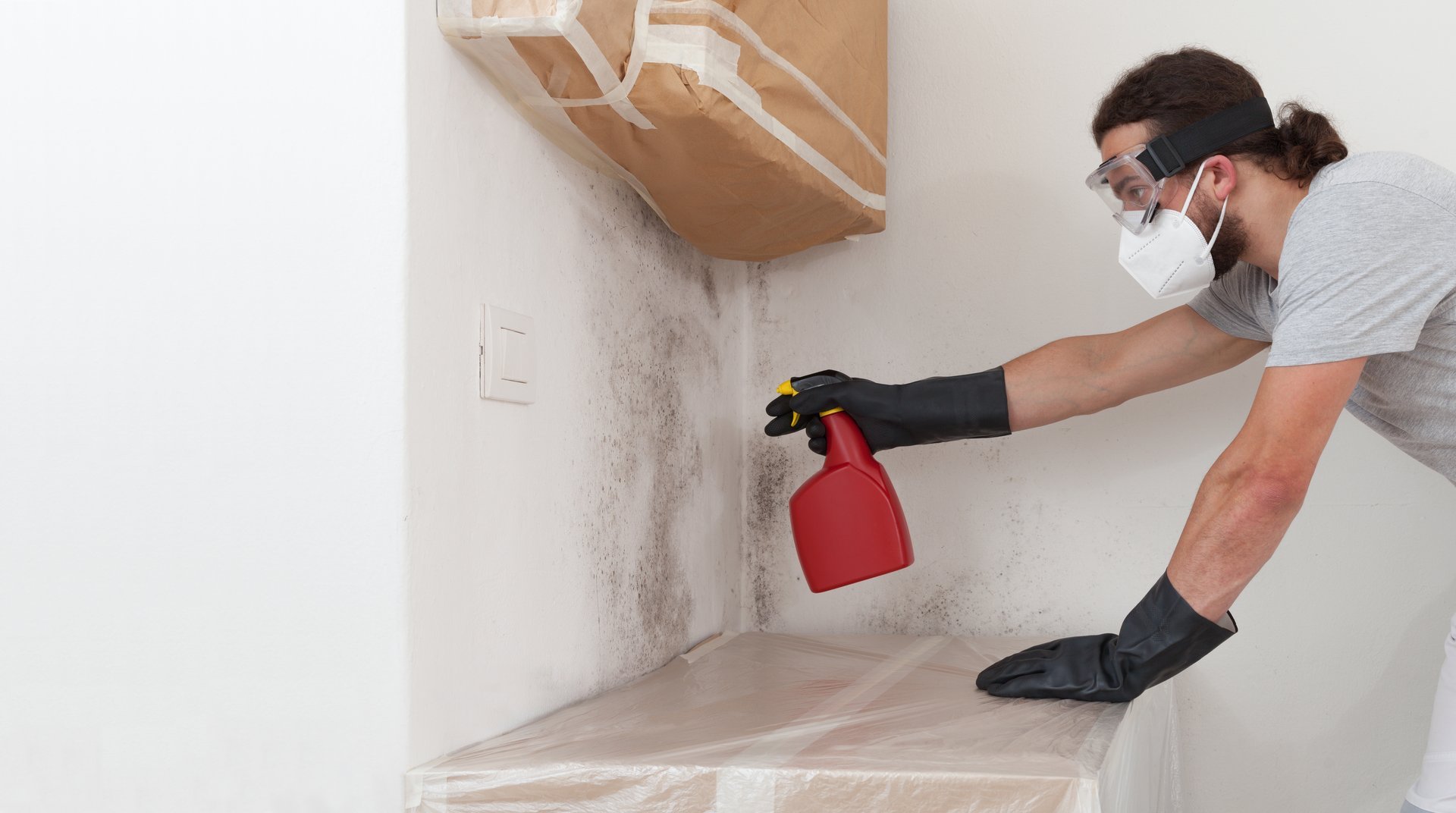
Why the Mold Remediation Certification Indiana Option is Best
The IICRC Applied Microbial Remediation Technician (AMRT) certification is the best option for Indiana professionals because it provides the highest level of liability protection and aligns with the industry-standard S520 guidelines. I...
The IICRC Applied Microbial Remediation Technician (AMRT) certification is the best option for Indiana professionals because it provides the highest level of liability protection and aligns with the industry-standard S520 guidelines. In a state without mandatory licensing, this accreditation ensures compliance with insurance requirements and establishes elite technical credibility.
Contents
The Landscape of Mold Remediation in Indiana (2026)
As of 2026, the State of Indiana remains a unique environment for environmental contractors. Unlike states such as Florida or Texas, which have implemented strict state-level licensing boards for mold assessors and remediators, Indiana continues to rely on a "market-regulated" framework. This means that while the state does not issue a specific "Indiana Mold License," the burden of proof regarding competency rests entirely on the contractor.
In this regulatory vacuum, the "Indiana option" for professionals—specifically the IICRC (Institute of Inspection, Cleaning and Restoration Certification) AMRT designation—has emerged as the definitive benchmark. For business owners in Indianapolis, Fort Wayne, Evansville, and beyond, having a gold-standard certification is not just a marketing tool; it is a vital shield against the legal and financial risks inherent in environmental work.
The climate in the Midwest, characterized by high summer humidity and significant seasonal temperature fluctuations, makes Indiana homes particularly susceptible to condensation and structural dampness. This environmental reality drives a high demand for mold services, but it also increases the risk of "secondary damage" claims if a project is handled incorrectly. Consequently, selecting the most rigorous certification path is the only way to ensure long-term business viability in the 2026 market.
Why the IICRC AMRT is the Superior Choice
When professionals discuss the "best" certification for the Indiana market, the conversation almost always centers on the IICRC S520 Standard and Reference Guide for Professional Mold Remediation. This document is the foundation of the AMRT certification.
1. Alignment with the S520 Standard
The S520 is the only mold remediation standard that is American National Standards Institute (ANSI) accredited. Because Indiana courts and insurance adjusters look for "generally accepted industry practices" when evaluating a claim, following the S520 is the safest legal position a contractor can take. The AMRT certification ensures that every technician understands the science of mold—not just how to spray a chemical, but how to manage pressure differentials, design containment, and achieve "Condition 1" (normal fungal ecology) status.
2. Insurance and Liability Mitigation
Most high-value insurance carriers in 2026 require contractors to hold specific certifications to maintain Pollution Liability or Errors and Omissions (E&O) insurance. In Indiana, where remediation is often tied to larger water damage claims, insurers like State Farm, Liberty Mutual, and Erie Insurance prioritize IICRC-certified firms for their preferred vendor programs. Without this certification, an Indiana contractor may find themselves uninsurable or restricted to low-budget, high-risk "cash" jobs.
3. Technical Depth and Scientific Rigor
The AMRT course is not a "pay-to-pass" seminar. It requires a prerequisite in Water Restoration Technician (WRT) training, ensuring that the student understands the relationship between moisture and microbial growth. This technical depth is crucial in Indiana’s older building stock, where complex HVAC systems and crawlspace issues often contribute to recurring mold problems.
Comparison of Leading Certification Options in Indiana
While there are several organizations offering mold-related credentials, their value in the Indiana marketplace varies significantly. The following table compares the most common options available to professionals in 2026.
| Certification Body | Primary Designation | Indiana Market Recognition | 2026 Estimated Cost | Focus Area |
|---|---|---|---|---|
| IICRC | AMRT (Applied Microbial Remediation) | Highest (Gold Standard) | $800 – $1,100 | Engineering controls, containment, and microbiology. |
| NAMP | Certified Mold Remediator (CMR) | Moderate / Entry Level | $450 – $600 | General remediation practices and basic safety. |
| Micro | CMI (Certified Mold Inspector) | Moderate / Specialized | $500 – $750 | Inspection, sampling, and residential protocols. |
| ACAC | CMRC (Council-certified) | High (Institutional) | $600 – $900 | Large-scale commercial and healthcare environments. |
Technical Prerequisites and Training Requirements
To obtain the best certification for the Indiana market, a professional must follow a structured educational path. The IICRC AMRT is not an entry-level course; it builds upon foundational knowledge of building science.
Step 1: The WRT Prerequisite
Before a technician can sit for the AMRT exam, they must complete the Water Restoration Technician (WRT) certification. This is essential because mold is almost always a symptom of a larger water intrusion issue. In Indiana, where basement flooding and roof leaks are common, understanding how to dry a structure is a necessary precursor to removing microbial growth.
Step 2: The AMRT Coursework
The AMRT training typically involves four days of intensive study, often including hands-on simulations. Key areas of focus include:
- Microbiology Fundamentals: Understanding how fungi reproduce and the health effects of various species (e.g., Stachybotrys chartarum vs. Aspergillus).
- Containment Strategies: Building "Critical Barriers" using 6-mil polyethylene sheeting and establishing negative pressure using HEPA-filtered Air Scrubbers.
- Personal Protective Equipment (PPE): Proper donning and doffing of Level C protection, including N-95 or P-100 respirators and Tyvek suits.
- Remediation Processes: Moving beyond "encapsulation" (painting over mold) toward true source removal through HEPA vacuuming, wire brushing, and media blasting.
Step 3: Examination and Ongoing CEUs
The final exam is proctored and covers both theoretical knowledge and practical applications. Once certified, Indiana professionals must earn Continuing Education Units (CEUs) every two years to maintain their status. This ensures that the contractor remains updated on the latest biocides, equipment, and EPA regulations.
The Role of Indiana-Specific Environmental Factors
The "Indiana option" is best because it prepares contractors for the specific environmental challenges of the Great Lakes and Ohio River Valley regions. Professionals certified through the IICRC are trained to handle:
- Vapor Barrier Dynamics: Many Indiana homes have dirt crawlspaces. A certified professional understands that simply cleaning the mold is useless without a properly installed vapor barrier and moisture management system.
- Ice Damming: Northern Indiana (South Bend, Elkhart) faces significant ice damming in winter, leading to attic mold. Certified pros are trained to remediate these areas without compromising the attic's insulation or ventilation.
- Regulatory Compliance: While Indiana doesn't license, it does follow OSHA standards for worker safety and EPA guidelines for residential remediation. The AMRT certification incorporates these federal mandates into its core curriculum.
Legal and Ethical Considerations for Indiana Contractors
In 2026, the "Indiana option" also implies a commitment to ethics. A major point of contention in the industry is the conflict of interest between testing and remediation. The best certification programs teach the "Standard of Care," which often recommends that a third-party Indoor Environmental Professional (IEP) perform the initial air quality testing and the final Post-Remediation Verification (PRV) or clearance testing.
By adhering to this separation of duties, Indiana contractors protect themselves from "self-clearance" lawsuits. If a homeowner in Carmel or Bloomington claims the mold returned, a contractor who followed IICRC protocols and used a third-party tester will have a robust defense in court.
Common Mistakes When Choosing a Certification
Many new contractors in the Indiana market opt for the cheapest or fastest certification available online. This is often a mistake for the following reasons:
- Lack of Hands-on Training: Online-only courses without a practical component often fail to teach the nuances of setting up a "decompression chamber" or properly sealing HVAC vents.
- Market Rejection: Large property management firms and Indiana-based industrial plants often specify "IICRC Certified" in their RFPs (Request for Proposals). A lesser certification may disqualify a firm from lucrative commercial contracts.
- Outdated Science: Cheap certifications may still teach outdated methods, such as using bleach on porous surfaces (like wood or drywall). The EPA and S520 both clarify that bleach is an ineffective and often counter-productive tool for structural mold remediation.
Frequently Asked Questions
Does Indiana require a state-issued license for mold remediation in 2026?No, Indiana does not currently issue a state-level license for mold remediation. However, the industry standard is to hold a national certification from a body like the IICRC to satisfy insurance requirements and prove professional competence in a court of law.
How much does the best Indiana-appropriate certification cost?For the IICRC AMRT path, expect to spend between $800 and $1,100 for the course and exam fees. This does not include the cost of the prerequisite WRT course, which is typically another $500 to $700.
How often do I need to renew my mold certification?IICRC certifications generally require renewal every two years. This involves paying a maintenance fee and completing a certain number of continuing education credits to ensure you are up to date with the latest industry standards.
Can I perform mold remediation in Indiana without any certification?Legally, there is no state law preventing you from doing so, but it is highly discouraged. Most insurance companies will not provide coverage for uncertified contractors, and you may face significant personal liability if the mold is not remediated correctly or if cross-contamination occurs.
Is an online certification as good as an in-person one?For mold remediation, in-person training is vastly superior. The "Indiana option" is considered "best" when it includes hands-on experience with equipment like air scrubbers, foggers, and moisture meters, which are difficult to master through a screen.
Final Recommendation for Indiana Professionals
For those looking to establish a serious professional presence in the Indiana mold remediation market in 2026, the IICRC AMRT is the only logical choice. It provides the necessary technical depth to handle the Midwest's unique climate challenges, satisfies the strict requirements of insurance adjusters, and offers the highest level of legal protection through its alignment with the ANSI-accredited S520 standard. To begin, professionals should first secure their WRT certification and then seek an IICRC-approved training provider within the state or through a regional training hub.
Image Gallery