When Does the 2026 World Cup Start and How to Plan Your Experience
The 2026 FIFA World Cup officially kicks off on June 11, 2026, with the opening match held at the iconic Estadio Azteca in Mexico City, Mexico. This historic tournament, co-hosted by Canada, Mexico, and the United States, represents th...
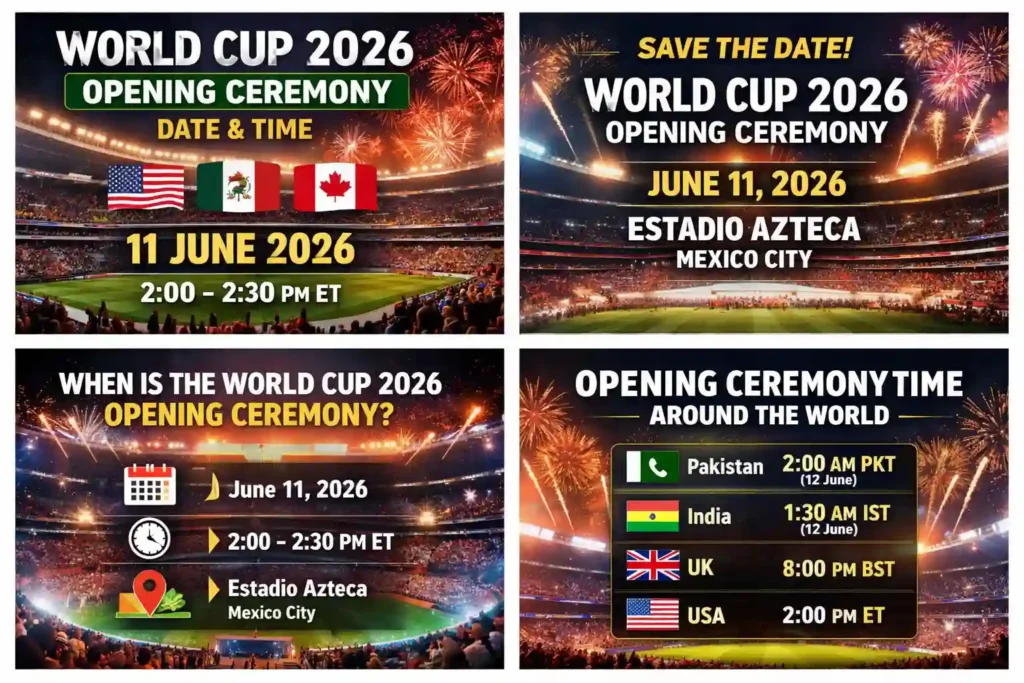
The 2026 FIFA World Cup officially kicks off on June 11, 2026, with the opening match held at the iconic Estadio Azteca in Mexico City, Mexico. This historic tournament, co-hosted by Canada, Mexico, and the United States, represents the first time the competition features 48 teams, marking a significant expansion in the scale and duration of the event.
Contents
The Significance of the 2026 Tournament Structure
The 2026 FIFA World Cup is a milestone in sports history, not only because of its tri-national hosting arrangement but also due to the fundamental shift in the tournament format. Traditionally, the World Cup consisted of 32 teams; the expansion to 48 teams has necessitated a revamped schedule. This increase aims to provide more opportunities for emerging footballing nations while extending the global reach of the sport.
The tournament is structured to span several weeks, culminating in the final match on July 19, 2026, which will take place at MetLife Stadium in East Rutherford, New Jersey. With matches distributed across 16 cities in North America, the event is logistically one of the most complex sporting operations ever undertaken. Understanding the start date is only the first step in preparing for a tournament that covers three distinct time zones and various climatic conditions.
Key Dates and Tournament Phases
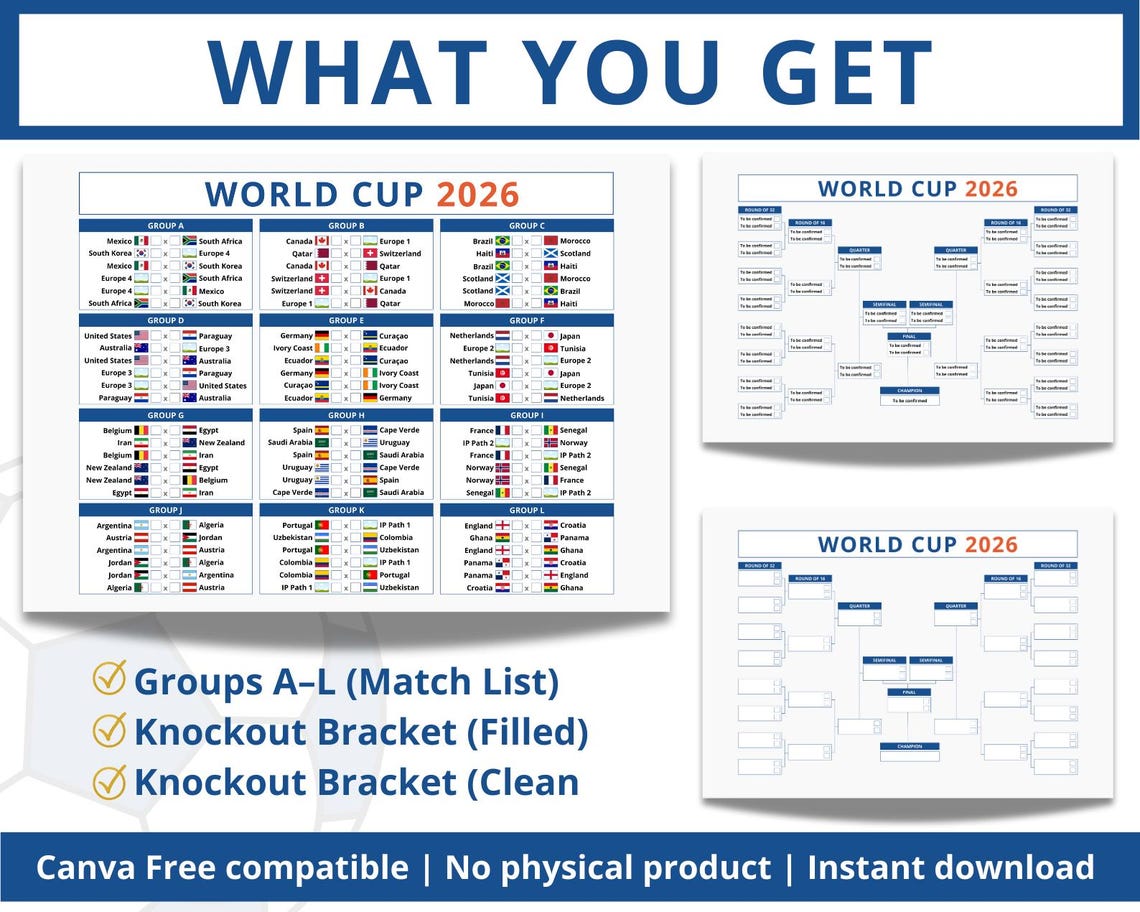
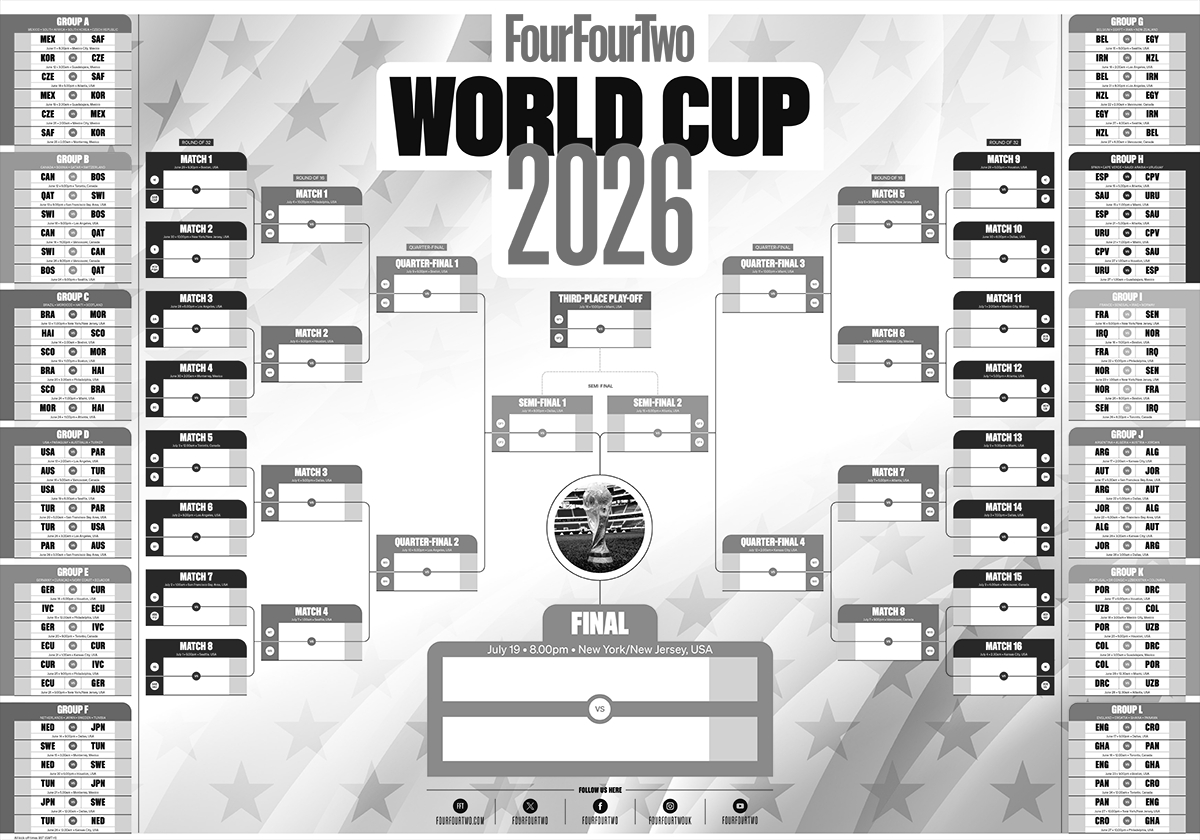
The timeline of the 2026 World Cup is meticulously planned to accommodate the large influx of teams and matches. Following the opening match on June 11, the group stage will run through the remainder of June. Because of the expanded field, the group stage features 12 groups of four teams each. This phase is critical, as it determines which nations advance to the knockout stages.
| Phase | Timeframe (2026) | Significance |
|---|---|---|
| Opening Match | June 11 | Official start at Estadio Azteca |
| Group Stage | June 12–June 27 | Preliminary competition among 48 nations |
| Round of 32 | June 28–July 3 | Transition to single-elimination |
| Round of 16 | July 4–July 7 | Narrowing the field to quarterfinals |
| Quarterfinals | July 9–July 11 | High-stakes elimination matches |
| Semifinals | July 14–July 15 | Determining the final two contenders |
| Final | July 19 | Championship match at MetLife Stadium |
The transition from the group stage to the knockout rounds is intentionally condensed to maintain momentum. Fans planning to attend multiple matches should note that the geographic spread requires significant travel between host cities, often spanning thousands of miles across international borders.
Geographical Distribution of Host Cities
The tournament is uniquely decentralized, utilizing a host-city model that spans the three North American nations. Canada will host matches in Vancouver and Toronto; Mexico features venues in Guadalajara, Mexico City, and Monterrey; while the United States dominates the landscape with 11 host cities, including Los Angeles, New York/New Jersey, Miami, and Atlanta.
Each host city is responsible for meeting FIFA’s rigorous infrastructure standards, including stadium capacity, pitch quality, and fan zone facilities. Because the tournament starts in mid-June, spectators must be prepared for the diverse weather conditions present in host cities. For instance, cities like Monterrey and Miami will experience high humidity and heat, while northern cities like Vancouver will offer more temperate climates. Verification of local weather forecasts and stadium-specific entry policies is a prerequisite for any attendee.
Logistics and Travel Prerequisites
Attending the 2026 World Cup requires more than just possessing a ticket. International travelers must navigate the entry requirements for Canada, Mexico, and the United States simultaneously if they plan to hop between venues.
- Travel Documentation: Ensure passports are valid for at least six months beyond the tournament dates. Check visa requirements for your specific nationality regarding entry into all three host nations.
- Transportation Infrastructure: Domestic flights will be the primary method for long-distance travel between host cities. Book transportation early, as demand is expected to saturate local and regional networks.
- Accommodation: Host cities have seen a significant increase in demand for lodging. Utilize official FIFA-affiliated housing partners to avoid fraudulent listings and ensure proximity to stadium transit lines.
- Local Transit: Most host stadiums are implementing strict traffic management plans. Rely on public transportation, dedicated shuttle services, and ride-sharing hubs rather than private vehicle rental.
Addressing Potential Disruptions
Major global sporting events are subject to operational challenges. Fans should prepare for potential delays, security screening queues, and changes to match schedules. FIFA maintains an official communication portal for real-time updates regarding kick-off times and venue changes.
If you encounter issues with digital tickets, access the official FIFA ticketing app—the primary method for managing entry—long before arriving at the stadium. Troubleshooting common digital ticketing issues often involves verifying your account connectivity and ensuring your mobile device battery is fully charged, as paper tickets are generally not issued for this event.
Frequently Asked Questions
Where can I find the official match schedule? The official match schedule is maintained on the FIFA website. It is the only authoritative source for confirmed kick-off times, as minor adjustments may occur due to broadcasting requirements or local logistics.
Are there different entry requirements for the three host countries? Yes. Canada, Mexico, and the United States operate under different immigration and customs regulations. Ensure you meet the specific visa or electronic travel authorization requirements for each country you intend to visit during the tournament.
How does the 48-team format affect match frequency? With 48 teams, the total number of matches has increased significantly compared to previous editions. This density means matches are played daily throughout the group stage, allowing fans to watch multiple games in a single day, either in person or via broadcast.
Is travel between host cities simple? While flights are readily available, the geographic distance between cities like Vancouver and Miami is substantial. Planning a "multi-city" itinerary requires careful consideration of travel time and the necessity of crossing international borders.
What should I do if I have trouble with my digital ticket? Use the official FIFA ticketing portal for all support inquiries. Avoid third-party marketplaces, as they are not authorized to facilitate the transfer of tournament tickets and often lead to entry denial at stadium gates.
Recommendation for Attendees
If you are planning to attend the 2026 World Cup, prioritize finalizing your itinerary based on the specific match clusters you wish to see. Given the size of North America, it is often more practical to focus your trip on one region (e.g., the West Coast or the East Coast) to minimize travel time and maximize your experience at the matches. Always rely on official FIFA channels for ticket acquisition and event updates to ensure your attendance is secure and legitimate.
Image Gallery