Finding a Secure and Reliable Free VPN: A Comprehensive Guide for 2026
To find a good free VPN, you must prioritize "freemium" services from established providers that use their paid subscribers to subsidize free users. Verify that the provider maintains a strict, independently audited no-logs policy, uti...
To find a good free VPN, you must prioritize "freemium" services from established providers that use their paid subscribers to subsidize free users. Verify that the provider maintains a strict, independently audited no-logs policy, utilizes WireGuard or OpenVPN protocols, and operates under a privacy-friendly jurisdiction. Avoid "completely free" services that lack a clear business model, as they often monetize via data harvesting.
Contents
Understanding the Free VPN Landscape in 2026
The virtual private network (VPN) market in 2026 is bifurcated into two distinct categories: reputable freemium models and predatory "free-only" applications. A "good" free VPN is almost always a limited version of a premium product. These companies offer a free tier as a marketing tool, hoping users will eventually upgrade for more data, faster speeds, or access to streaming-optimized servers.
Because maintaining a global server infrastructure is expensive, any service claiming to be "unlimited and free" without a subscription tier must be viewed with skepticism. In most cases, these services monetize by injecting advertisements, tracking user browsing habits to sell to third-party brokers, or even turning user devices into exit nodes for other traffic. To find a truly good service, you must look for transparency regarding how the service is funded.
Critical Criteria for Evaluating a Free VPN
When searching for a service that protects your privacy without costing money, you must evaluate several technical and legal benchmarks. A failure in any of these categories should be a disqualifying factor.
1. The Logging Policy and Independent Audits
The most important feature of any VPN is a No-Logs Policy. This is a legal promise that the provider does not store your IP address, browsing history, or connection timestamps. However, a promise on a website is not enough. In 2026, a "good" VPN must have undergone a third-party security audit by reputable firms like PwC, Deloitte, or Cure53. These audits verify that the server configurations actually match the marketing claims.
2. Jurisdiction and Legal Framework
The country where a VPN is headquartered determines which laws it must follow regarding data retention and government subpoenas. Avoid providers based in "Five Eyes" or "Fourteen Eyes" countries (such as the US, UK, or Australia) if your primary goal is absolute privacy. Countries like Switzerland, Panama, and the British Virgin Islands remain preferred jurisdictions because they do not have mandatory data retention laws for VPN providers.
3. Encryption Standards and Protocols
Do not settle for outdated technology. A reliable free VPN in 2026 should offer:
- AES-256 or ChaCha20 Encryption: These are the industry standards for data scrambling.
- WireGuard Protocol: Known for high speeds and modern cryptography, WireGuard is now the default for performance-focused users.
- OpenVPN: The gold standard for security and bypassing censorship.
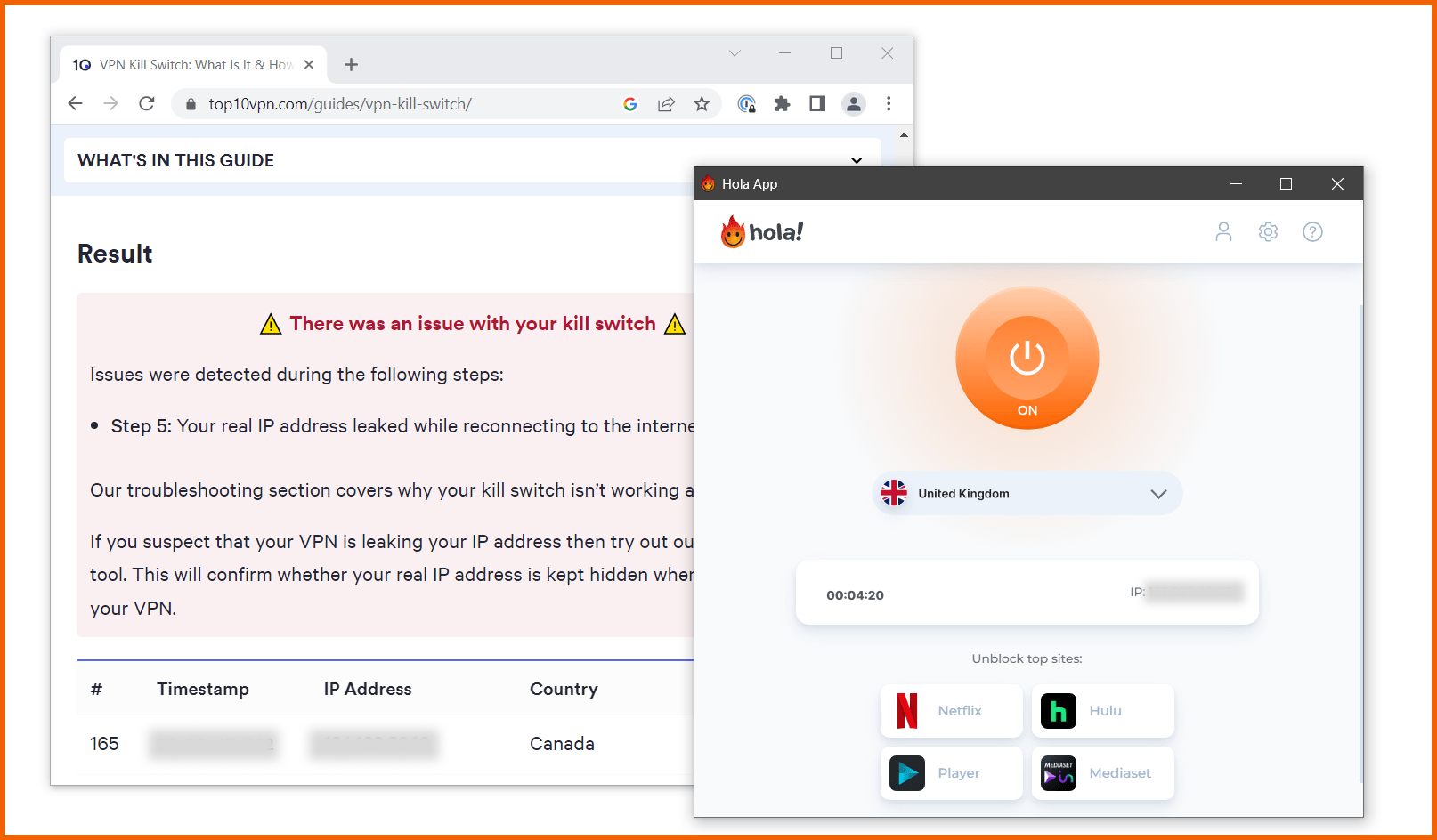
- Kill Switch: This is a non-negotiable feature that automatically disconnects your internet if the VPN connection drops, preventing data leaks.
Step-by-Step Process to Verify a Free VPN
Before installing any software, follow this verification checklist to ensure the service is legitimate and secure.
- Check the Revenue Model: Visit the "Pricing" page. If there is no paid option, the product is likely your data. Look for a clear "Freemium" structure.
- Review the Privacy Policy: Use a search tool (Ctrl+F) to look for keywords like "log," "track," "third party," and "share." A good policy will explicitly state what is not collected.
- Search for "Warrant Canaries": A warrant canary is a regularly updated statement asserting that the company has not received secret government subpoenas. If the canary disappears, it is a red flag.
- Analyze App Store Permissions: On mobile devices, check what the app requests access to. A VPN should not need access to your contacts, camera, or microphone.
- Test for Leaks: After installation, visit a site like browserleaks.com to check for DNS, IPv6, and WebRTC leaks. A good VPN will mask your identity across all these vectors.
Top Recommended Free VPN Services in 2026
Based on long-term performance, security transparency, and business ethics, the following providers offer the most reliable free tiers currently available.
| Provider | Data Limit | Privacy Jurisdiction | Key Strengths |
|---|---|---|---|
| Proton VPN | Unlimited | Switzerland | No data caps, strict privacy laws, open-source apps. |
| PrivadoVPN | 10GB / 30 Days | Switzerland | Support for streaming on free tier, high speeds. |
| Windscribe | 10GB / 30 Days | Canada | Robust ad-blocking (R.O.B.E.R.T.), many server locations. |
| TunnelBear | 2GB / 30 Days | Canada | Simple interface, frequent independent audits. |
| Hide.me | Unlimited (Limited Speed) | Malaysia | No registration required for the free version. |
Proton VPN: The Gold Standard for Free Privacy
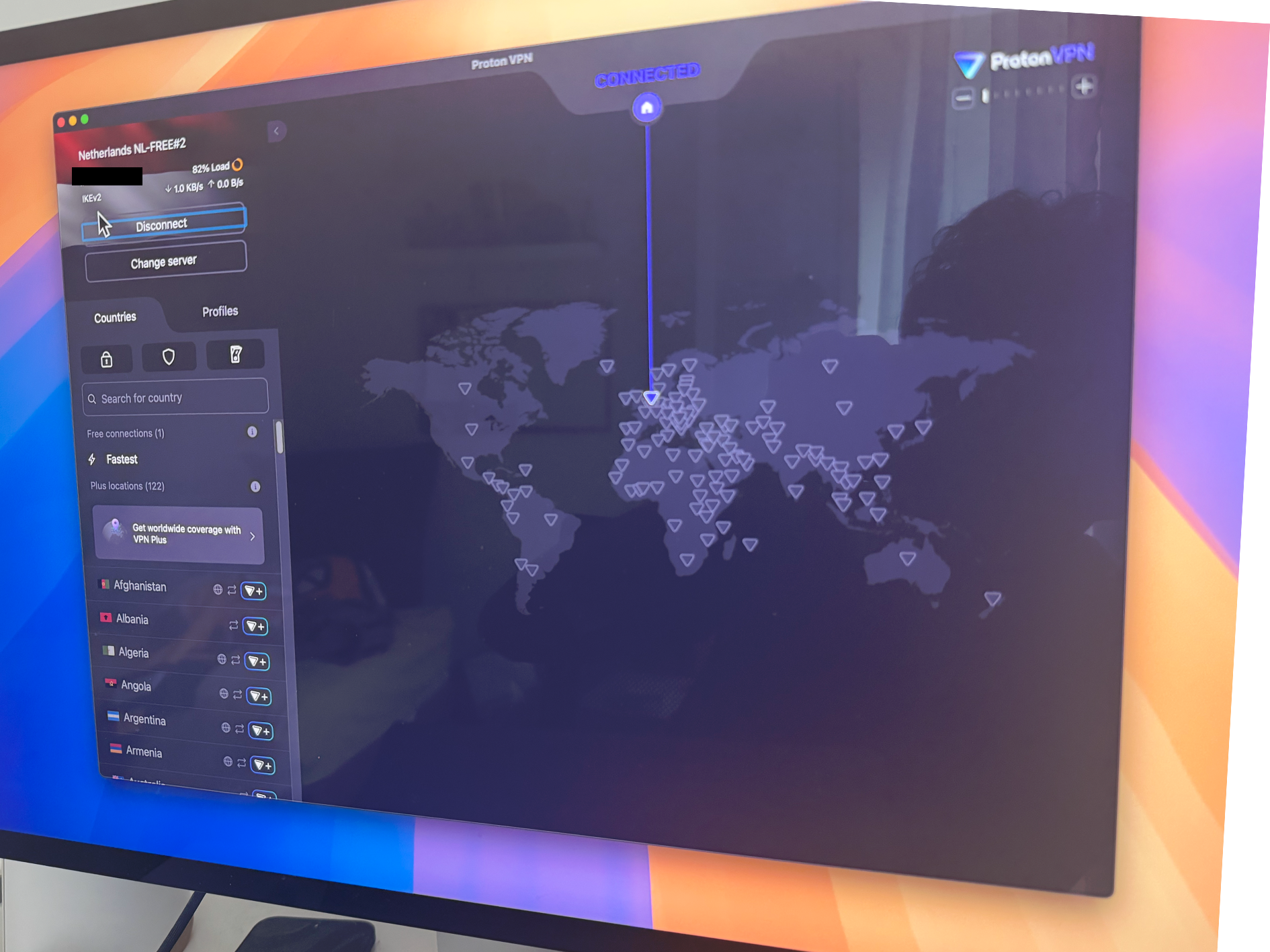
Proton VPN remains a leader because it is the only reputable provider offering unlimited data on its free tier. While it restricts users to servers in only a few countries (typically the US, Netherlands, Japan, Romania, and Poland) and does not support torrenting or high-speed streaming on the free plan, its core security features are identical to the paid version.
PrivadoVPN: Best for Performance
PrivadoVPN is often preferred by users who need higher speeds for short bursts of activity. Unlike Proton, Privado often allows its free users to access servers that can unblock major streaming platforms, though the 10GB limit means you cannot watch high-definition content indefinitely.
The Hidden Risks of Substandard Free VPNs
While finding a "good" one is possible, the market is saturated with "bad" options. Research from security organizations like the Electronic Frontier Foundation (EFF) has historically highlighted that many free VPNs found in mobile app stores are essentially malware.
- Data Harvesting: Some services act as "man-in-the-middle" attackers, decrypting your traffic to see your passwords or credit card numbers before re-encrypting it and sending it to the destination.
- IP Leakage: Poorly configured free VPNs often fail to tunnel IPv6 traffic. This means that while your IPv4 address looks hidden, your actual location is leaked via your IPv6 address.
- Ad Injection: Some free VPNs modify the websites you visit to insert their own ads or tracking pixels, which can degrade your browser's performance and compromise your security.
Troubleshooting and Optimizing Your Free VPN
Even the best free VPNs can encounter issues due to the limitations placed on free accounts.
- Slow Speeds: Free servers are often crowded. If your connection is slow, try switching to a different server location or changing your protocol from OpenVPN to WireGuard in the settings.
- Connection Drops: Ensure that your device's battery optimization settings are not killing the VPN app in the background. Whitelist the VPN app in your system settings.
- Website Blocking: Some websites block known VPN IP addresses. If you cannot access a site, try "Split Tunneling" (if available), which allows you to send only specific apps through the VPN while the rest of your traffic stays on the local network.
Frequently Asked Questions
Can a free VPN unblock Netflix or Disney+?
Generally, no. Streaming services actively block VPN IPs, and maintaining "clean" IPs that bypass these blocks is expensive. Most providers reserve streaming-optimized servers for their paying customers. PrivadoVPN is a rare exception that occasionally works, but it is not guaranteed.
Is it safe to use a free VPN for online banking?
If you are using a reputable freemium service like Proton or Windscribe, it is safe. However, the encryption provided by your bank (HTTPS) is usually sufficient on its own. A VPN adds a layer of protection against local attackers on public Wi-Fi, but you must trust the VPN provider completely.
Why do some free VPNs require a credit card?
Reputable free VPNs do not require a credit card. If a service asks for payment information for a "free" account, it is likely a "free trial" that will automatically bill you later. Genuine free tiers only require an email address, or in the case of Hide.me, no registration at all.
Does a free VPN hide my activity from my ISP?
Yes, a properly functioning VPN encrypts the "tunnel" between your device and the VPN server. Your Internet Service Provider (ISP) will see that you are connected to a VPN, but they will not be able to see the specific websites you visit or the data you transmit.
Are there free VPNs for routers?
Most free tiers do not support router installations because they lack the necessary OpenVPN configuration files or IKEv2 credentials, which are usually reserved for paid subscribers. To protect an entire household at the router level, a paid plan is typically required.
Practical Recommendation
For the highest level of security and unlimited browsing, download Proton VPN. If your goal is to occasionally access geo-restricted content and you can stay under a 10GB monthly limit, PrivadoVPN or Windscribe are superior choices. Always ensure you download these applications directly from the official provider websites or verified app stores to avoid "repackaged" malware versions of legitimate tools.
Image Gallery