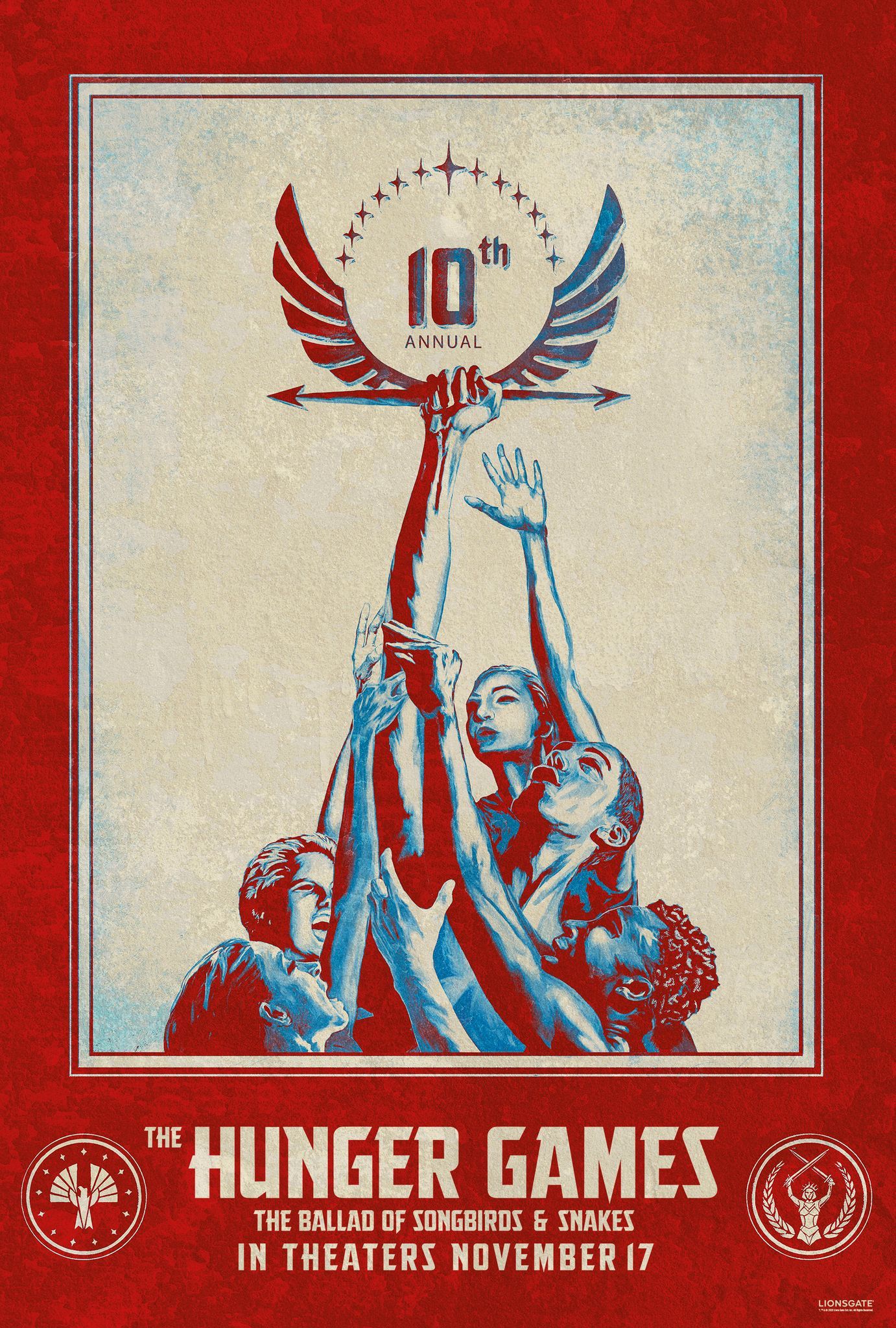
The Sickle Hunger Games Controversy Explained
The sickle Hunger Games controversy refers to a severe public backlash and ethical debate surrounding a specific fan-fiction and viral online writing trend that reimagined the sickle cell disease community using the dystopian framework...
The sickle Hunger Games controversy refers to a severe public backlash and ethical debate surrounding a specific fan-fiction and viral online writing trend that reimagined the sickle cell disease community using the dystopian framework of Suzanne Collins's The Hunger Games. This article breaks down the origins of the trend, the severe nature of the public reaction, the broader ethical implications regarding the portrayal of chronic illnesses online, and the lessons learned by digital communities.
Contents
Origins of the Digital Trend and Creative Reimagining
To understand how the controversy materialized, it is necessary to examine how fan communities and creative writers interact with major literary franchises. Suzanne Collins’s The Hunger Games trilogy presents a bleak authoritarian society where children from impoverished districts are forced to fight to the death in an annual televised event. Over the years, the dystopian survival format has frequently been adopted by internet subcultures as an allegorical sandbox to explore systemic oppression, institutional neglect, and marginalized struggles.
The controversy began when online users—often through social media platforms, creative writing forums, and speculative fiction spaces—began drawing direct parallels between the systemic neglect faced by chronic illness patients, specifically those with sickle cell disease (SCD), and the citizens of Panem's lower districts. Writers attempted to use the dystopian metaphor to highlight real-world medical disparities, racial biases in pain management, and the lack of research funding relative to other genetic conditions.
However, the execution of this metaphor quickly crossed a sensitive boundary. Instead of keeping the analysis on a systemic or metaphorical level, some online participants generated specific narratives, fictional scenarios, and visual mock-ups that placed real patient populations—or abstract representations of actual sick children—directly into the literal death-match arena of The Hunger Games.
The Core Ethical Objections and Public Backlash
The crossover instantly triggered a massive wave of criticism from chronic illness advocates, medical professionals, and readers who viewed the framing as profoundly insensitive, dehumanizing, and deeply offensive to those living with the condition daily.
Sickle cell disease is an inherited blood disorder characterized by misshapen red blood cells that can block blood flow, leading to excruciating pain episodes (known as vaso-occlusive crises), organ damage, acute chest syndrome, and reduced life expectancy. Because the disease disproportionately affects people of African descent, the community has historically faced systemic racism within healthcare systems, including underfunding, stigmatization, and skepticism from medical staff regarding patient pain levels.
Critics of the trend pointed out several critical flaws in comparing sickle cell to The Hunger Games:
- Trivialization of Real Suffering: Forcing a lethal, gladiatorial entertainment framework onto a real, painful, and often terminal illness trivialized the daily lived experiences of patients.
- The "Victim-Blaming" Subtext: In The Hunger Games, tributes must fight to survive, and only one can win. Critics argued that applying this to a disease implied a false narrative of survival being tied to personal grit or combativeness rather than access to proper medical infrastructure, hydroxyurea, bone marrow transplants, and gene therapy.
- Marginalization and Tokenism: Many argued that online creators were using the shock value of a severe minority-health issue to generate viral engagement and aesthetic clout without actually contributing to medical research, advocacy, or material support for patients.
Comparison of Perspectives in the Controversy
To fully grasp the scope of the disagreement, it is helpful to contrast the intent claimed by some participants with the actual impact perceived by the affected community and advocacy groups.
| Perspective Dimension | Proponents' Intent / Rationalization | Critics' / Advocates' Reality |
|---|---|---|
| Primary Goal | To raise awareness and shock audiences into paying attention to healthcare disparities. | To sensationalize a painful chronic illness for digital entertainment and clout. |
| Metaphorical Use | Comparing institutional healthcare neglect to a dystopian government forcing systemic struggle. | Reducing real human suffering, mortality, and racial health gaps to a fictional death game. |
| Community Impact | Believing they were acting in solidarity with marginalized patient voices. | Alienating and exhausting actual patients who must manage the disease daily without online theatrics. |
| Material Outcome | Sparking intense online discourse about the state of sickle cell funding. | Diverting attention away from legitimate medical advocacy, scientific breakthroughs, and policy reforms. |
Broader Implications for Online Advocacy and Fandom Culture
The controversy serves as a prominent case study in the intersection of modern fandom culture, social media virality, and sensitive health advocacy. In the digital age, internet subcultures frequently adopt pop-culture tropes to explain complex socioeconomic and medical realities. While such framing can occasionally capture public attention, it frequently backfires when it relies on shock value at the expense of dignity.
Medical advocacy groups and bioethicists frequently caution against using dystopian or apocalyptic framing when discussing real-world illnesses and disabilities. When chronic conditions are framed through the lens of a battle to the death, it inadvertently reinforces harmful tropes about illness being a personal battle that one wins or loses based on individual strength, rather than a medical condition requiring clinical intervention, systemic reform, and empathetic support.
Furthermore, the controversy highlighted a recurring issue within digital spaces regarding the amplification of voices. Many of the accounts driving the controversial trend were not individuals living with sickle cell disease, but rather outside observers using the condition as a rhetorical device. True advocacy, as emphasized by patient-led organizations, centers the agency, voices, and direct demands of those who experience the condition firsthand.
Frequently Asked Questions
What is sickle cell disease, and who does it affect?
Sickle cell disease is a group of inherited red blood cell disorders that cause red blood cells to become hard, sticky, and misshapen like a sickle. While it can affect people of various ancestral backgrounds, it is most common in people whose ancestors came from sub-Saharan Africa, Spanish-speaking regions of the Western Hemisphere, Saudi Arabia, India, and Mediterranean countries.
Why did people use The Hunger Games metaphor for sickle cell?
Participants attempted to draw a parallel between the systemic neglect, resource scarcity, and institutional hardships faced by sickle cell patients and the oppressed districts in Suzanne Collins's dystopian universe, aiming to generate high-visibility discussions around medical disparities.
Why was the online trend considered offensive?
Critics and patients argued that turning a painful, life-threatening genetic illness into a fictional death-match scenario trivialized real human suffering, relied on shock value, and co-opted a marginalized community's struggles for viral engagement without their consent.
How did patient advocacy groups respond?
Patient advocates and healthcare organizations condemned the framing, emphasizing that chronic illness requires clinical resources, research funding, and anti-racist medical reform, not sensationalized internet fiction or fictional battle scenarios.
What are the proper ways to support the sickle cell community?
Supporting the community involves amplifying patient-led organizations, advocating for increased research funding, supporting blood donation drives, and addressing systemic biases within healthcare and pain management protocols.
Next Actions and Moving Forward
For those interested in engaging with health advocacy responsibly, the most constructive approach is to support established, patient-led institutions such as the Sickle Cell Disease Association of America (SCDAA) or local hematology research centers. Direct support, financial contributions to clinical research, and the amplification of verified medical facts remain far more effective than leveraging pop-culture fiction to discuss medical inequality. When encountering sensitive health topics online, users should verify whether the discussion centers the actual dignity, safety, and needs of the affected individuals.
Image Gallery