Choosing the Right Foundation Repair in Colorado Springs
To choose the right foundation repair in Colorado Springs, you must identify your specific soil-related issue—typically caused by expansive bentonite clay—and hire a contractor licensed by the Pikes Peak Regional Building Department (P...
To choose the right foundation repair in Colorado Springs, you must identify your specific soil-related issue—typically caused by expansive bentonite clay—and hire a contractor licensed by the Pikes Peak Regional Building Department (PPRBD). Prioritize companies that offer engineer-certified solutions, such as helical piers or high-density polyurethane injection, rather than quick-fix cosmetic patches.
Contents
Understanding the Colorado Springs Geological Challenge
Colorado Springs sits in a unique geological transition zone where the Great Plains meet the Rocky Mountains. This positioning creates a specific set of challenges for residential and commercial foundations. As of 2026, the most significant factor remains the presence of expansive soils, specifically those rich in bentonite clay. This soil acts like a sponge; it expands significantly when saturated by seasonal snowmelt or heavy spring rains and shrinks during the arid summer months.
This cycle of expansion and contraction exerts "hydrostatic pressure" against foundation walls. In many neighborhoods, particularly in the northern and western parts of the city like Briargate or Rockrimmon, the soil pressure can be immense. When the soil expands, it can lift a house (heave); when it dries, the soil pulls away, leaving the foundation unsupported (settlement). Choosing the right repair begins with understanding that you are not just fixing a crack in the concrete; you are managing the relationship between your home and the volatile earth beneath it.
Identifying Symptoms of Foundation Distress
Before contacting a specialist, homeowners should conduct a thorough interior and exterior audit. Foundation issues in the Pikes Peak region generally manifest in three distinct ways: settlement, heave, and lateral dampness.
Interior Indicators
- Doors and Windows: If doors begin to stick or will not latch properly, it often indicates the frame has moved out of square due to a shifting foundation.
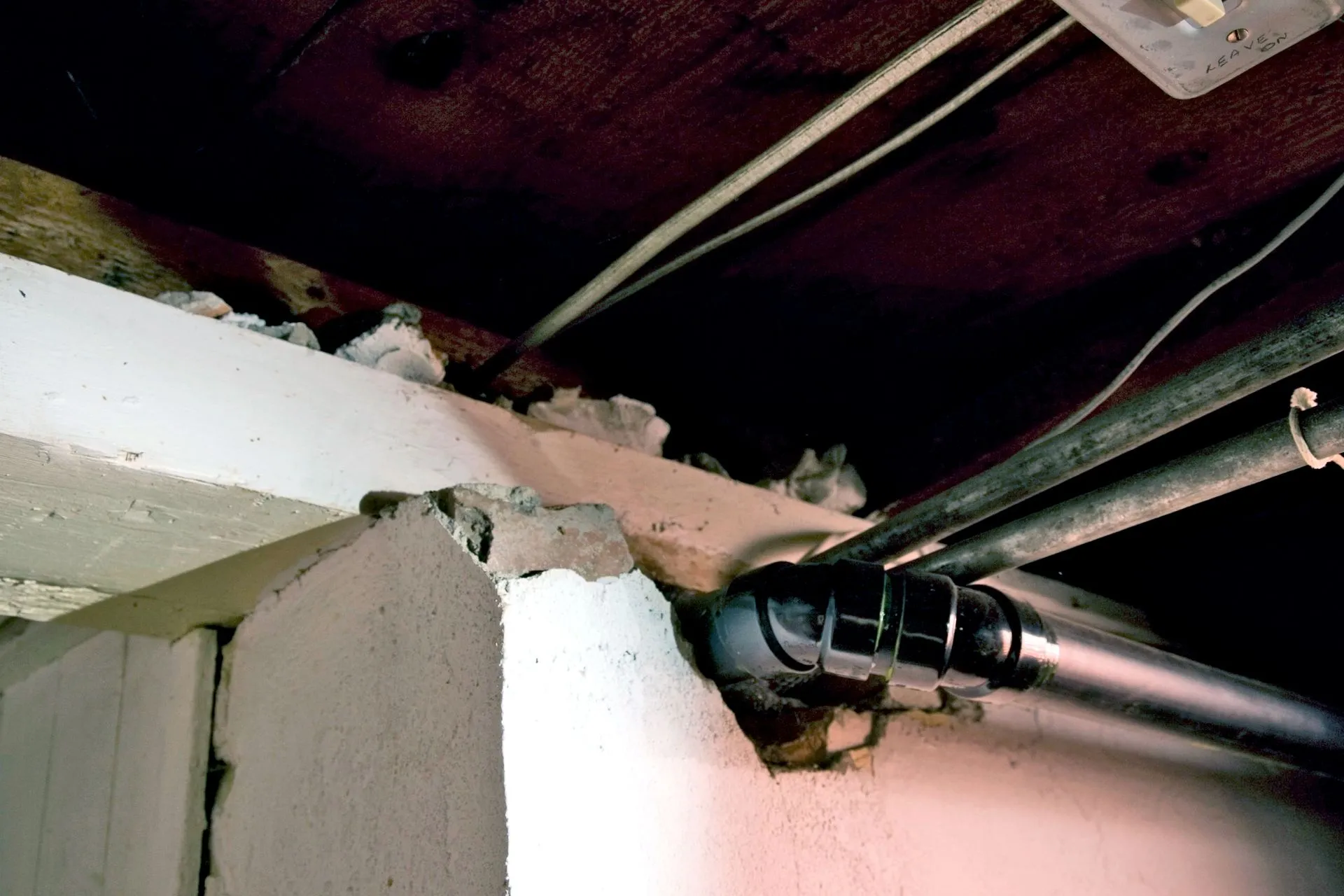
- Drywall Cracks: Look specifically for diagonal cracks emanating from the corners of door frames or windows. Horizontal cracks along the top of a wall where it meets the ceiling are also high-priority warning signs.
- Sloping Floors: Use a simple level or a ball to check for slopes. While some settling is normal in older homes near Old Colorado City, a sudden or steep slope suggests structural failure.
Exterior and Basement Indicators
- Stair-Step Cracks: In brick or stone facades, cracks that follow the mortar lines in a "stair-step" pattern are classic signs of foundation settlement.
- Horizontal Foundation Cracks: If you see a horizontal crack in your basement’s concrete blocks or poured walls, this is often a sign of hydrostatic pressure. The wall is literally being pushed inward by the soil.
- Separation Around Chimneys: Chimneys are often built on a separate footing. If the chimney is tilting away from the rest of the house, the foundation beneath it has likely failed.
Primary Foundation Repair Methods in 2026
The "right" repair depends entirely on the soil profile and the type of movement occurring. In Colorado Springs, three primary methods dominate the industry due to their effectiveness in semi-arid, high-clay environments.
1. Piering and Underpinning
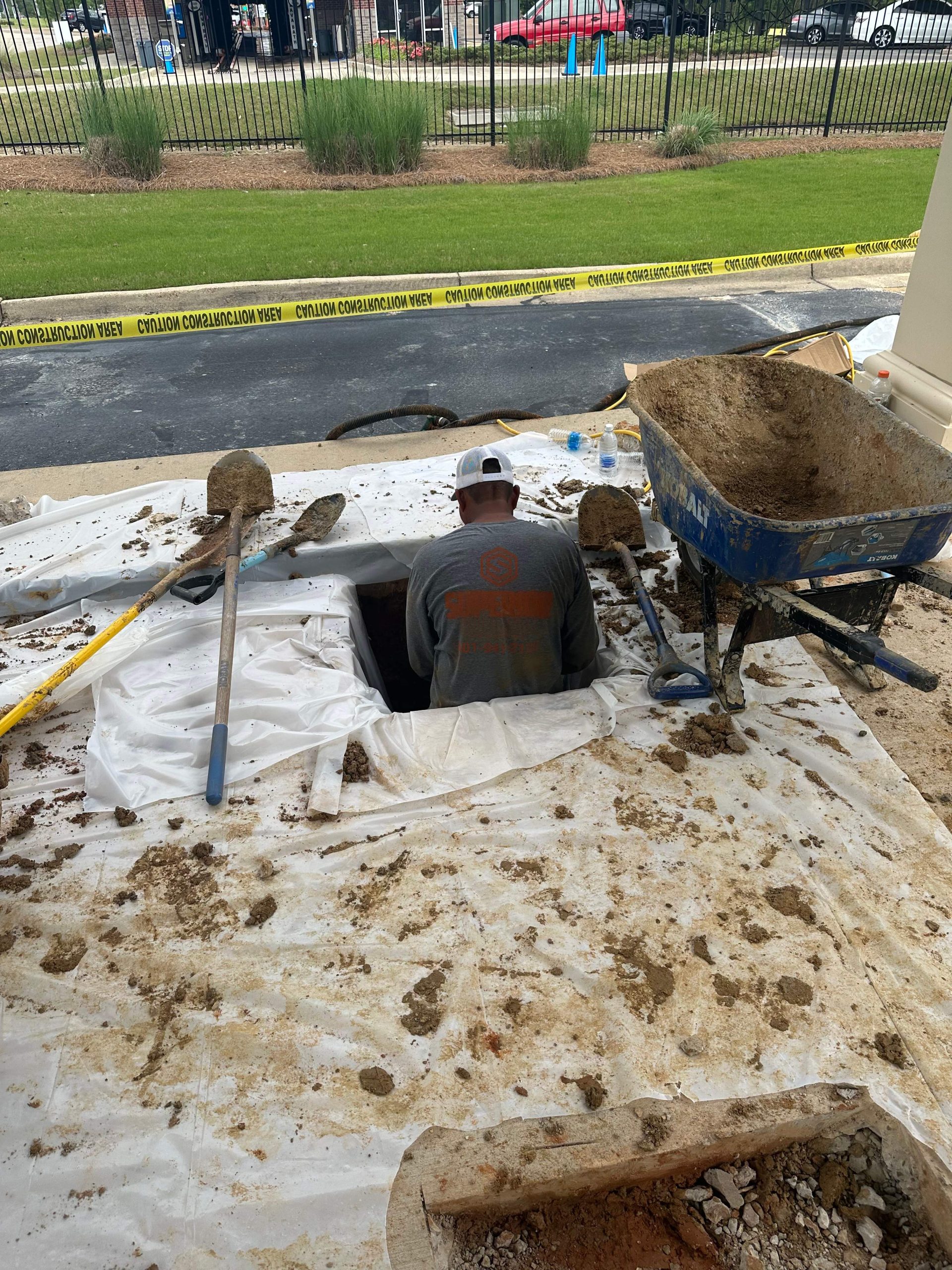
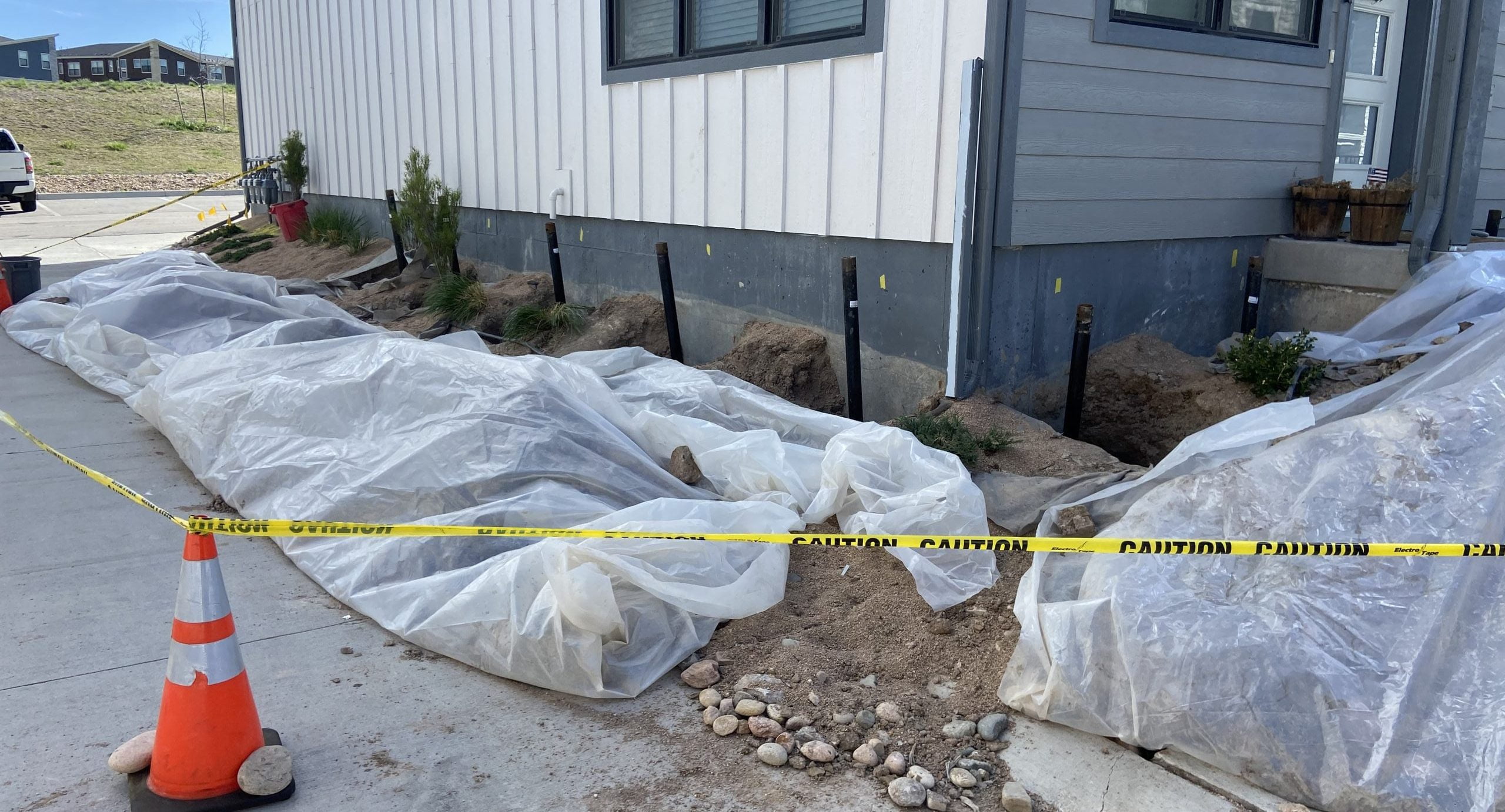
Piering involves driving steel pipe segments deep into the ground until they hit load-bearing strata or bedrock. There are two main types used in the local market:
- Push Piers: These use the weight of the structure to "push" the pier into the ground. They are excellent for heavy residential homes and commercial buildings experiencing deep settlement.
- Helical Piers: These look like giant screws and are twisted into the soil. They are particularly effective for lighter structures, such as porches or decks, or in areas where the soil is too unstable to support the pressure required for push piers.
2. Slabjacking and Polyjacking
For settling concrete slabs—such as garage floors, driveways, or interior slab-on-grade floors—lifting the concrete is more cost-effective than replacing it.
- Polyjacking: By 2026, high-density polyurethane injection has largely superseded traditional mudjacking. A technician drills small holes in the concrete and injects a specialized foam that expands, fills voids, and lifts the slab. This material is waterproof and does not add significant weight to the underlying soil, preventing further settlement.
3. Wall Reinforcement
If basement walls are bowing inward due to soil pressure, they must be stabilized.
- Carbon Fiber Straps: These are high-tensile strength straps bonded to the interior of the foundation wall. They are non-invasive and can be painted over, making them ideal for finished basements.
- Wall Anchors: These involve an anchor plate buried in the yard connected to a plate on the interior wall by a steel rod. By tightening the rod, the wall can often be pulled back toward its original position over time.
Comparison of Common Repair Technologies
| Method | Primary Use Case | Durability | Relative Cost |
|---|---|---|---|
| Push Piers | Foundation settlement (Heavy) | Permanent (Life of Structure) | High |
| Helical Piers | New construction/Light loads | Permanent | Moderate to High |
| Polyjacking | Sinking slabs/Driveways | 10–20+ Years | Low to Moderate |
| Carbon Fiber | Bowing walls (Minor/Moderate) | Permanent | Moderate |
| Wall Anchors | Bowing walls (Severe) | Permanent | Moderate to High |
How to Vet a Foundation Contractor in Colorado Springs
The high demand for foundation repair in the Front Range has led to a crowded marketplace. To ensure you are choosing a qualified professional, follow these specific vetting steps tailored to the local regulatory environment.
Check PPRBD Licensing
All structural repairs in Colorado Springs and El Paso County fall under the jurisdiction of the Pikes Peak Regional Building Department (PPRBD). A reputable contractor must hold a valid license. You can verify this on the PPRBD website. If a contractor suggests that a permit is "not necessary" for structural piering or wall stabilization, terminate the conversation immediately. Lack of a permit can lead to legal issues when you attempt to sell the home.
Demand an Independent Engineering Report
Many foundation companies employ their own "specialists" who are essentially salespeople. For a truly unbiased assessment, hire an independent Structural Engineer. They will charge an upfront fee (typically between $500 and $1,200 in 2026), but they provide a non-biased repair plan. A reputable contractor should be willing to follow the engineer's specifications exactly.
Evaluate the Warranty
A foundation warranty is only as good as the company backing it. In the Springs, companies often offer "Lifetime Transferable Warranties." Inquire whether the warranty covers only the materials or also the labor and future adjustments. Because Colorado's soil is so volatile, a "one-and-done" repair may require slight adjustments a few years later.
Cost Considerations and Budgeting
Foundation repair is rarely a minor expense. In 2026, homeowners in Colorado Springs should expect the following price ranges based on current material costs and labor rates:
- Single Pier Installation: $1,500 – $3,000 per pier. Most residential stabilizations require 5 to 12 piers.
- Bowing Wall Stabilization: $5,000 – $15,000 depending on the length of the wall and the number of anchors required.
- Polyjacking a Driveway/Garage: $2,000 – $5,000.
While these costs are significant, delaying repair typically leads to exponential increases in price. A wall that is slightly bowing can be fixed with carbon fiber; a wall that has collapsed requires total excavation and replacement, which can exceed $40,000.
Preventative Maintenance for Colorado Soils
Choosing the right repair also involves choosing to prevent future issues. Even the best piering system can be undermined by poor water management.
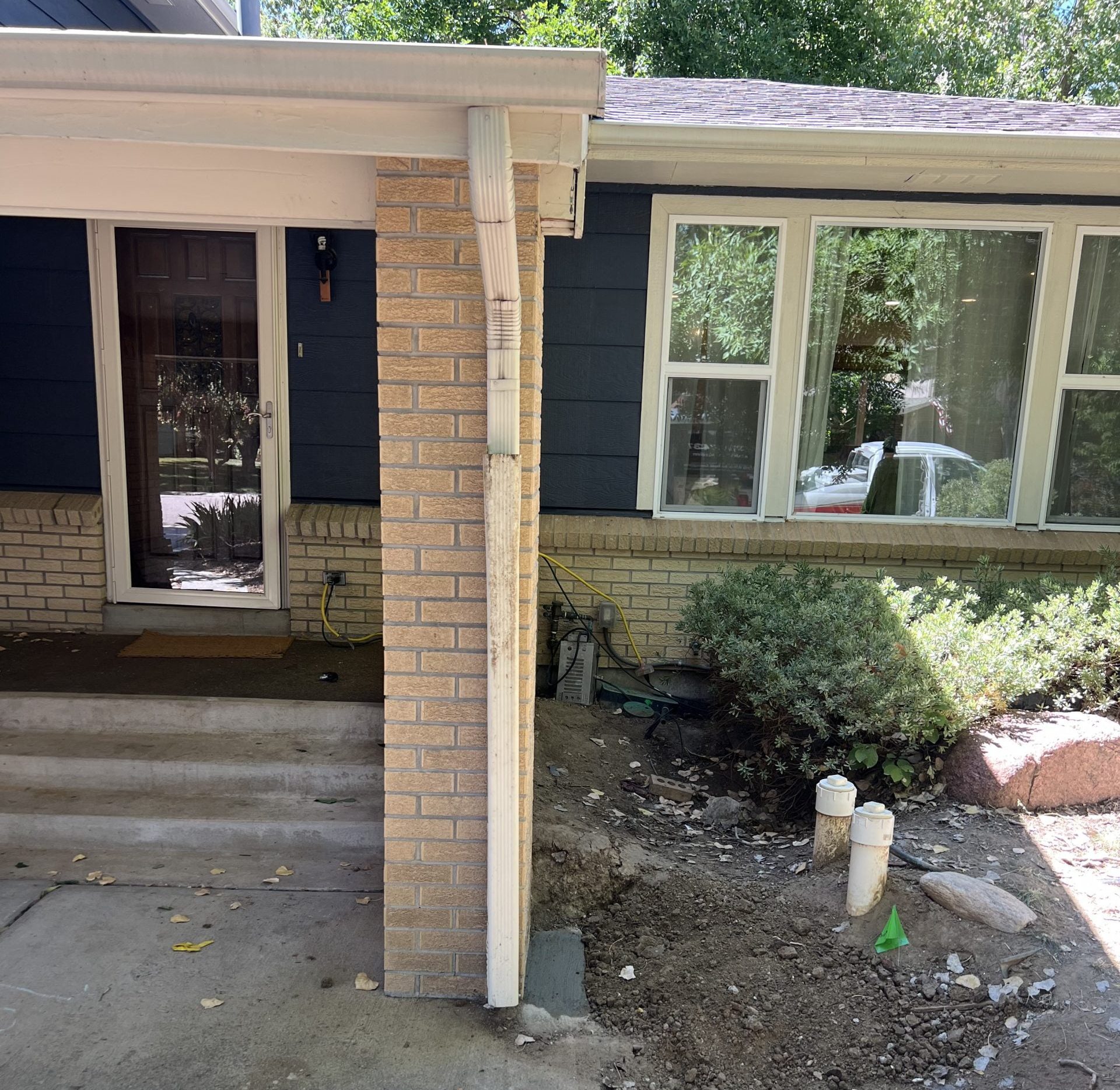
- Gutter Extensions: Ensure downspouts discharge water at least 5 to 10 feet away from the foundation. In the Springs, many homeowners use underground "pop-up" emitters to move water further away.
- Grading: The ground should slope away from the house at a rate of 6 inches over the first 10 feet. If the soil has settled near the foundation, "backfilling" with compacted clay—not mulch or gravel—is necessary to shed water.
- Xeriscaping Cautions: While water-wise landscaping is popular in Colorado, placing rock beds directly against a foundation without a proper vapor barrier can trap moisture against the concrete, accelerating soil expansion.
Frequently Asked Questions
Does homeowners insurance cover foundation repair?
In most cases, no. Standard policies in Colorado generally exclude "earth movement," which includes the expansion and contraction of clay soils. Coverage is typically only available if the foundation damage was a direct result of a covered peril, such as a major plumbing burst or a fire.
How long does a typical foundation repair take?
For most residential properties in Colorado Springs, the actual repair work—such as installing push piers or polyjacking—takes between 1 and 3 days. However, the lead-up time, including the engineering inspection and PPRBD permit approval, can take 2 to 4 weeks.
Can I sell a house with foundation issues in Colorado?
Yes, but you must disclose the issues in the "Seller’s Property Disclosure" form. In the 2026 real estate market, most buyers will require the issues to be repaired before closing, or they will demand a significant price reduction based on a contractor's estimate. Having a transferable warranty from a reputable local firm can help maintain the home's value.
What is the difference between a "hairline" crack and a structural crack?
Hairline cracks (less than 1/16th of an inch) are often just "shrinkage cracks" that occur as concrete cures. These are usually cosmetic. However, any crack that is wide enough to insert a nickel into, or any crack that is wider at the top than the bottom, should be evaluated by a professional.
Final Recommendation
When choosing foundation repair in Colorado Springs, the most critical step is to move slowly and gather multiple opinions. Start by hiring an independent structural engineer to define the scope of work. Use that report to solicit bids from at least three PPRBD-licensed contractors. Prioritize firms that specialize in the high-clay environments of the Front Range and offer long-term, transferable warranties. By addressing the root cause—soil instability—rather than just the symptoms, you protect your home’s structural integrity and its long-term market value.
Image Gallery