Understanding the Cost of Mold Remediation in Butte
The cost of mold remediation in Butte, Montana, generally ranges from $1,500 to $6,000 for localized issues, though large-scale infestations involving structural materials can exceed $10,000. Costs are driven by the extent of the conta...
The cost of mold remediation in Butte, Montana, generally ranges from $1,500 to $6,000 for localized issues, though large-scale infestations involving structural materials can exceed $10,000. Costs are driven by the extent of the contamination, the square footage affected, the accessibility of the space, and the necessity of structural repairs following the removal process.
Contents
The Dynamics of Mold Remediation Costs
Mold remediation is not a standardized "per-square-foot" service like carpet cleaning; it is a complex containment and removal process. In Butte, costs fluctuate significantly based on whether the mold is surface-level or embedded within building materials like drywall, insulation, or subflooring. Because Montana experiences significant seasonal temperature swings, homeowners often face mold issues related to condensation in crawlspaces, attics, and around window frames.
The remediation process involves more than just cleaning; it includes professional assessment, source identification, containment, air filtration, material removal, and post-remediation verification. When budgeting for these services in 2026, property owners must understand that the "low-end" estimates typically apply to minor surface mold found during routine maintenance, while higher costs are associated with long-term water damage that has compromised the integrity of the home's structure.
Key Factors Influencing Pricing
Several variables dictate the final invoice you will receive from a professional remediation firm. Understanding these allows you to better estimate your specific financial exposure.
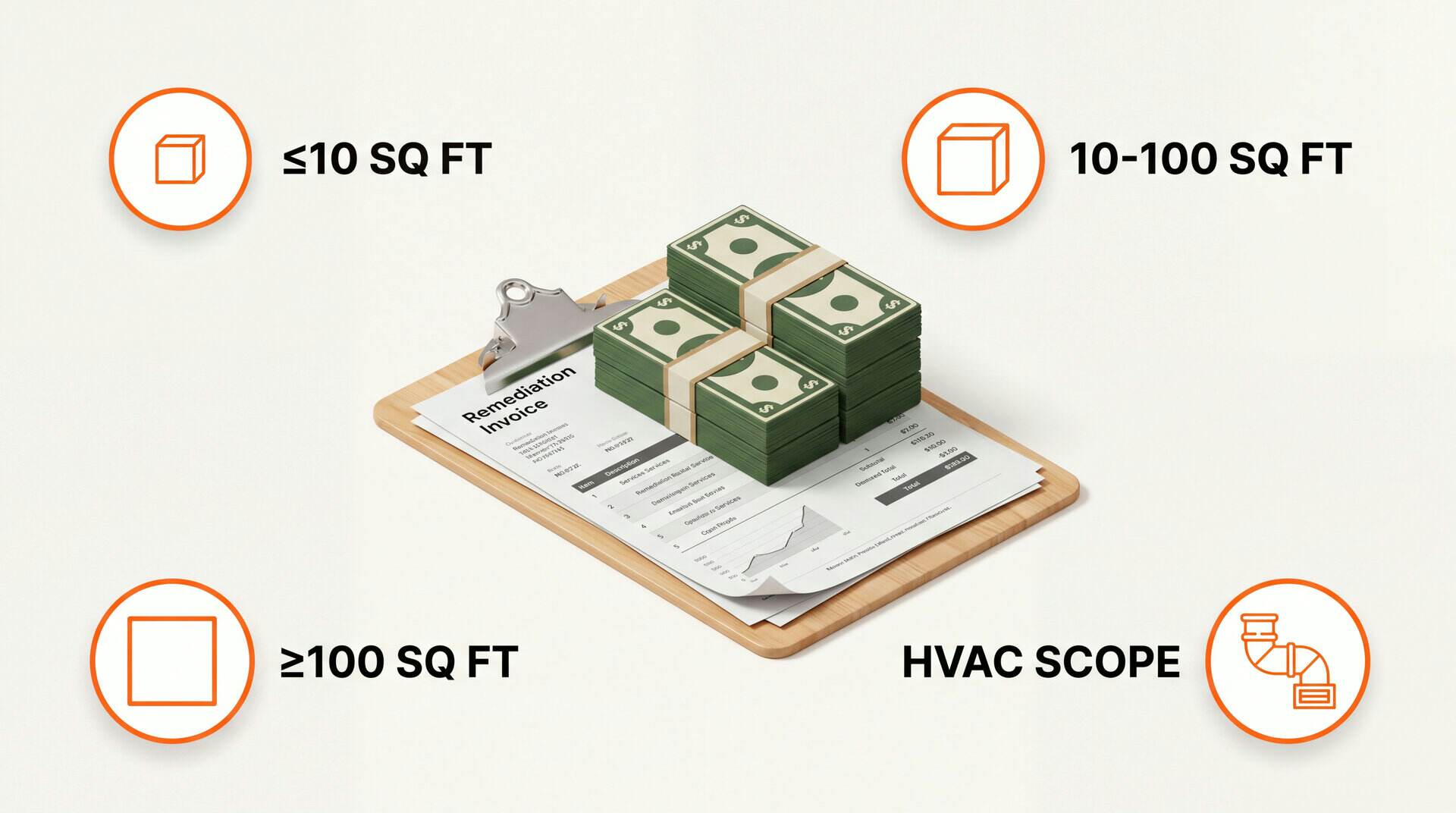
- Scope of Infestation: Remediation companies categorize mold based on the square footage of the affected area. A small bathroom mold issue is drastically different from a basement-wide infestation caused by a burst pipe or prolonged groundwater intrusion.
- Material Porosity: Non-porous materials like metal or glass are relatively easy to clean and sanitize. Porous materials, such as drywall, carpet, ceiling tiles, and upholstered furniture, often cannot be fully salvaged once mold has penetrated the material, necessitating complete removal and replacement.
- Accessibility: If mold is discovered in a tight, dark crawlspace or a difficult-to-reach attic, the labor costs increase. Technicians must navigate confined spaces while wearing heavy-duty personal protective equipment (PPE), which slows the process and requires specialized safety protocols.
- Source Correction: Remediation is futile if the source of moisture is not addressed. If a roof leak or faulty plumbing is the culprit, the cost of the remediation service must include (or be paired with) the cost of the repair. Failing to fix the leak guarantees the mold will return within weeks or months.
Typical Cost Estimates by Project Scale
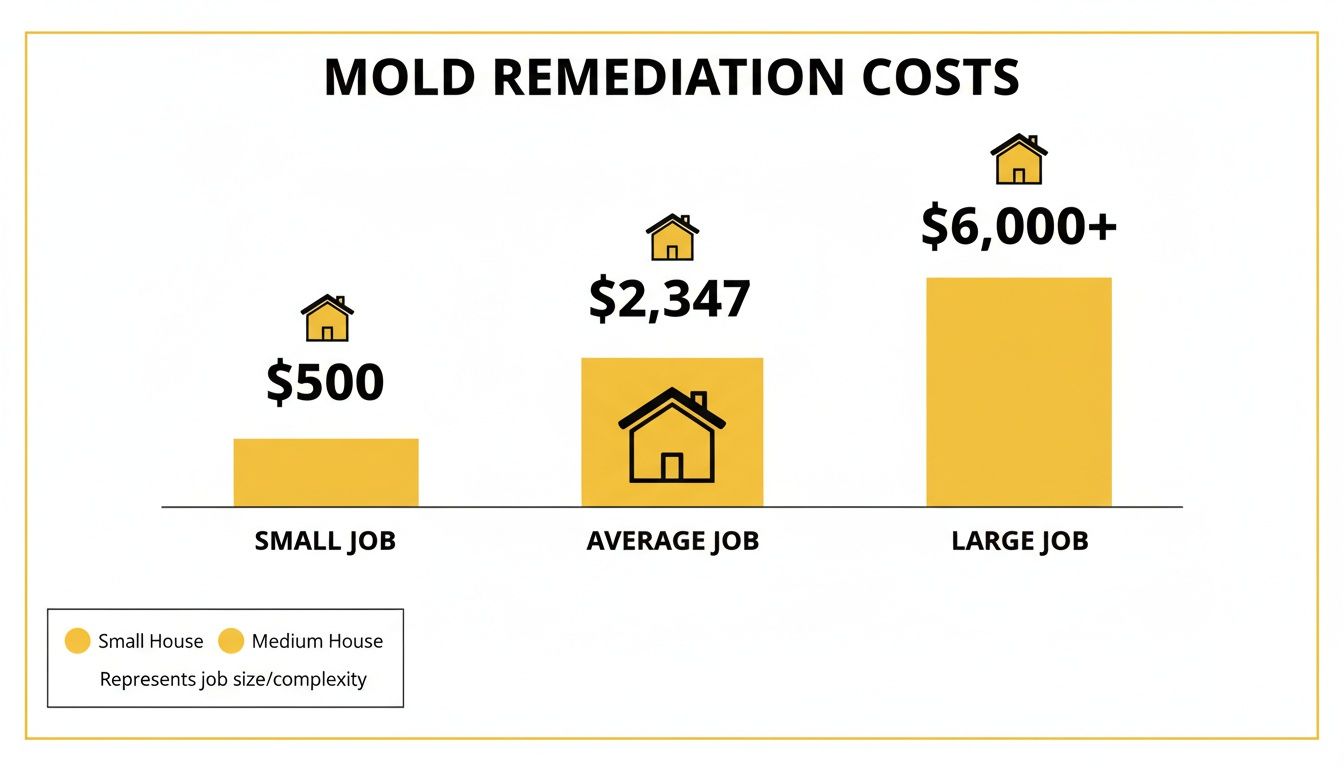
While specific quotes vary by company and site-specific conditions, the following table provides a general baseline for common mold remediation scenarios in the Butte area.
| Project Scale | Description | Estimated Cost Range |
|---|---|---|
| Small | Minor bathroom mold or window condensation | $1,500 – $2,500 |
| Medium | Significant wall/ceiling damage, single room | $3,000 – $5,500 |
| Large | Full basement or multiple rooms involved | $6,000 – $10,000+ |
| Extensive | Structural damage, HVAC contamination | $12,000+ |
Note: These figures are estimates for 2026 and represent labor, material disposal fees, and specialized equipment usage. They do not typically include secondary reconstruction (e.g., hanging new drywall or painting).
The Remediation Workflow
When you hire a professional to manage mold in your property, the service follows a standard industry protocol to ensure occupant safety and structural efficacy.
- Professional Inspection: Experts use moisture meters, humidity sensors, and occasionally air quality testing to determine the concentration of mold spores. In some cases, third-party industrial hygienists are brought in to provide an unbiased assessment.
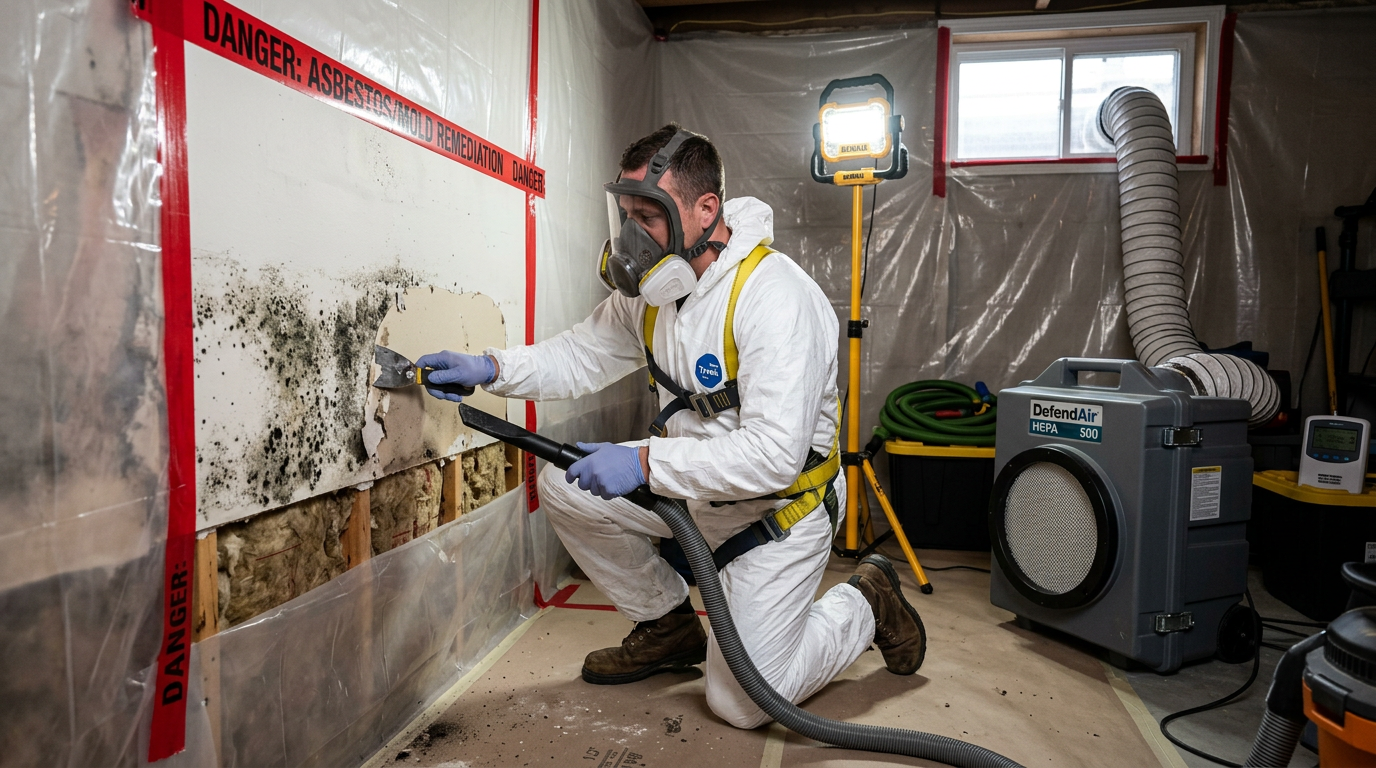
- Containment: The work area is sealed off using 6-mil polyethylene plastic sheeting. Negative air machines are installed to ensure that spores are filtered out of the air rather than being pushed into the non-affected parts of your home.
- Filtration and Sanitization: Technicians use HEPA-filtered vacuums to clean surfaces. Antimicrobial agents are applied to inhibit future growth on salvageable materials.
- Removal and Disposal: Contaminated porous materials are carefully bagged and removed from the premises according to local waste disposal regulations in Silver Bow County.
- Verification: A final walkthrough, often involving visual inspection or air quality testing, is performed to ensure the mold colony has been effectively neutralized.
Addressing the Moisture Source
In Butte, the climate is semi-arid, but mountain regions are prone to high humidity during snowmelt and summer thunderstorms. If you do not identify the moisture source, your investment in remediation is effectively wasted. Common triggers include poor attic ventilation, "sweating" pipes, improper grading around the foundation, and faulty roof flashing. If a technician does not offer a recommendation for preventing the moisture from returning, ask specifically what they observed regarding the source of the dampness.
Insurance and Coverage Limitations
Many homeowners in Butte assume that their standard homeowners' insurance policy covers mold remediation. However, in the 2026 insurance market, coverage is often restrictive. Policies frequently provide "limited mold coverage" only if the mold is a direct result of a "covered peril" (e.g., a sudden, accidental water pipe rupture). If the mold resulted from long-term neglect, high humidity, or chronic seepage, insurance companies often deny the claim. Always consult your policy document or your agent before beginning work to verify your eligibility for reimbursement.
Frequently Asked Questions
Can I clean the mold myself to save money? For minor patches of mold (less than 10 square feet) on hard, non-porous surfaces, you may be able to safely clean the area yourself using soap and water or specialized fungicides. However, if the mold covers a large area, involves HVAC systems, or is inside wall cavities, professional equipment is required to prevent widespread spore contamination.
What is the difference between mold removal and mold remediation? "Removal" implies the physical extraction of the substance. "Remediation" is the broader, more accurate term, as it includes finding the moisture source, containment, removal, sanitization, and the prevention of future growth.
Do I need a permit for mold remediation in Butte? Generally, standard mold remediation does not require a specific permit unless the process involves significant structural changes, plumbing re-routes, or electrical work. However, you should check with local building departments if you plan on removing load-bearing walls or significantly altering the structure of your home.
How do I choose a reputable remediation company? Look for firms that follow the IICRC (Institute of Inspection, Cleaning and Restoration Certification) S520 standards. Avoid companies that offer "guaranteed" results before seeing the property, and always request a written, itemized quote.
Are mold tests necessary? If you can see the mold, you have mold. Testing is often unnecessary for remediation unless you are dealing with a landlord-tenant dispute, an insurance claim requiring proof of hazard, or you suspect mold is present in an area that is not visible (e.g., inside HVAC ducts).
Final Recommendation
If you suspect a mold problem in your Butte home, prioritize an inspection by a certified professional rather than rushing into a cleanup. Obtain at least three written estimates that explicitly state how the moisture source will be addressed and what materials will be replaced versus cleaned. Ensure the contractor provides a written plan that adheres to industry safety standards to protect the long-term air quality of your home.
Image Gallery