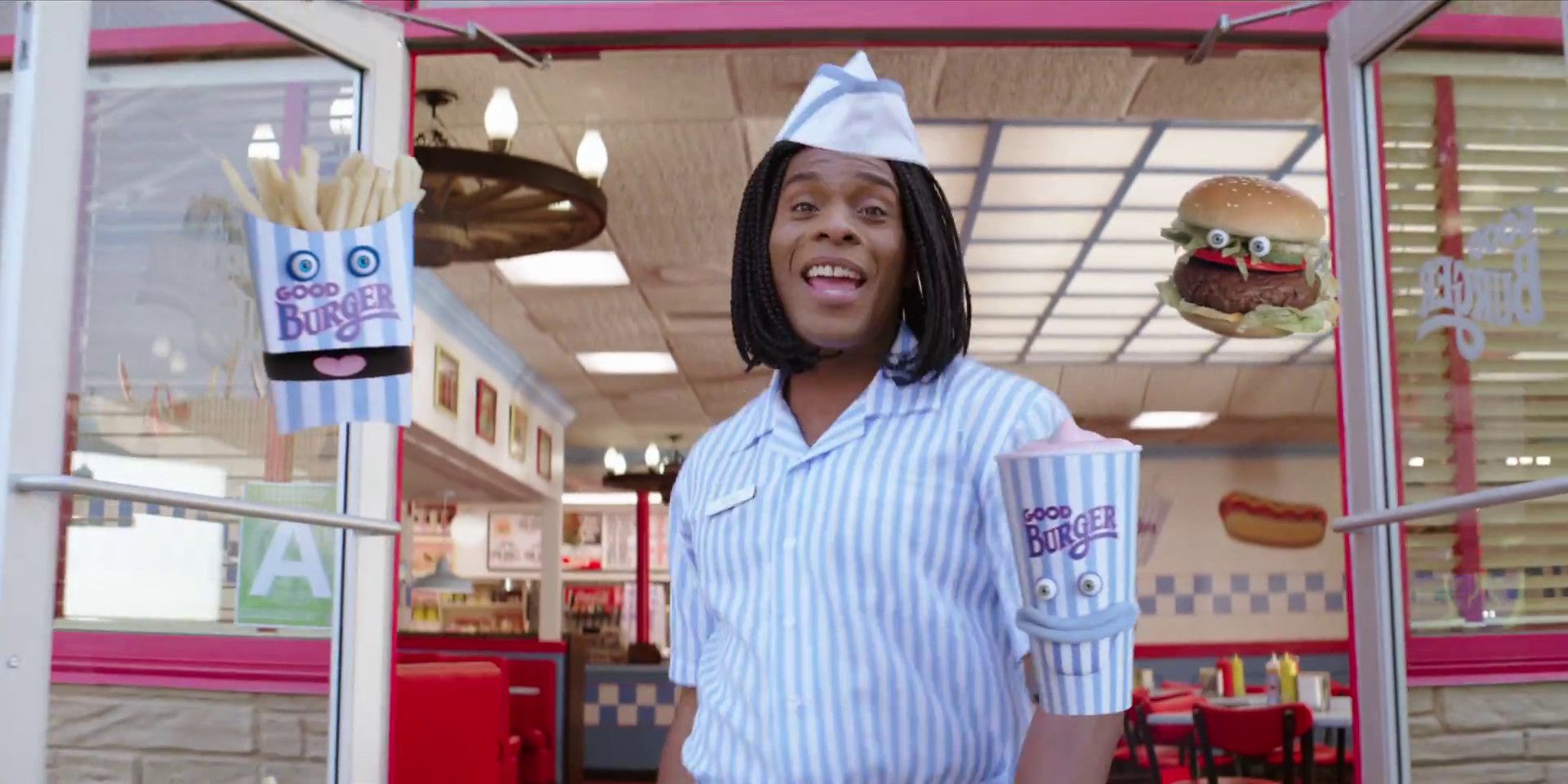
Why the Good Burger Anthem Matters for Fans: A Cultural Analysis
The Good Burger anthem, primarily known as the song "We're All Dudes," matters because it serves as the definitive sonic identity for a generation’s childhood nostalgia. It encapsulates the inclusive, offbeat spirit of the franchise, b...
The Good Burger anthem, primarily known as the song "We're All Dudes," matters because it serves as the definitive sonic identity for a generation’s childhood nostalgia. It encapsulates the inclusive, offbeat spirit of the franchise, bridging the gap between the 1997 original film and the 2023 sequel while reinforcing the brand's core message of simple, universal friendliness.
Contents
The Genesis of "We're All Dudes" and the Ska-Punk Influence
To understand why the anthem resonates so deeply in 2026, one must look back at its origins in the mid-1990s. The song "We're All Dudes" was a collaboration between the Florida-based ska-punk band Less Than Jake and actor Kel Mitchell, who portrayed the lovable, dim-witted Ed. At the time, ska-punk was reaching its commercial zenith, characterized by high-energy brass sections, upbeat tempos, and a rebellious yet playful attitude.
The choice of ska-punk for the Good Burger anthem was not accidental. The genre's frantic energy mirrored the chaotic environment of a fast-food kitchen, while its "outsider" status perfectly complemented the character of Ed—a person who exists entirely on his own wavelength. When the song debuted on the 1997 Good Burger soundtrack, it did more than provide background noise; it established a rhythmic foundation for the character of Ed.
For fans, the anthem is inseparable from the visual of Ed dancing or the general aesthetic of 90s Nickelodeon. The song’s structure—alternating between Kel Mitchell’s rap-style verses and a horn-heavy chorus—captured the transition of Nickelodeon from a fledgling cable network into a global cultural powerhouse. In 2026, the anthem serves as a time capsule, preserving the specific "alternative" energy of that era.
The Philosophy of "Dude-ism": Inclusivity Through Simplicity
The lyrics of the anthem, while seemingly nonsensical, carry a surprisingly profound message that fans have embraced for decades. The central refrain—"I'm a dude, he's a dude, she's a dude, 'cause we're all dudes, hey!"—functions as a radical equalizer.
In the world of Good Burger, the term "dude" is completely gender-neutral and devoid of hierarchy. This simplicity is the core of Ed’s character. He does not see race, gender, or social status; he only sees "dudes" who might want a burger. For the audience, this created an early model of radical inclusivity. Fans who grew up in the late 90s found comfort in the idea that everyone belonged to the same category.
The "dude" philosophy also matters because it represents a rejection of the high-stress, competitive nature of modern life. In 2026, as society grapples with increasingly complex social dynamics and digital fatigue, the Good Burger anthem offers a retreat into a world where the only requirement for entry is a sense of humor and a willingness to be called a "dude." It is a linguistic anthem that simplifies the human experience into something joyful and shared.
The "Welcome to Good Burger" Mantra as an Oral Anthem
While "We're All Dudes" is the musical anthem, the phrase "Welcome to Good Burger, home of the Good Burger, can I take your order?" serves as the franchise's oral anthem. This mantra is a prerequisite for any fan interaction. It is the verbal handshake of the community.
The importance of this greeting lies in its consistency. Whether it was spoken on the original All That sketches in the mid-90s, the 1997 feature film, or the 2023 sequel, the cadence remains identical. This repetition creates a sense of safety and predictability for fans. In technical branding terms, this is known as a "sonic logo," but for the Good Burger community, it is a cultural touchstone that signifies the presence of a "safe space" for comedy.
The mantra also highlights the performance art aspect of the fandom. When fans meet Kel Mitchell at conventions or events even now in 2026, the expectation is the delivery of the line. The anthem, therefore, is not just something fans listen to—it is something they perform, making them active participants in the franchise's longevity.
Maintaining the Legacy: Good Burger 2 and the 2026 Landscape
The release of Good Burger 2 in late 2023 on Paramount+ was a pivotal moment for the anthem's relevance. There was significant concern among the "legacy" fanbase regarding whether the sequel would maintain the original’s spirit. The inclusion of the anthem—and the return of Less Than Jake for promotional tie-ins—served as a signal of authenticity.
In 2026, we can see the long-term effects of this revival. The anthem has successfully migrated to new platforms, becoming a recurring sound on short-form video apps. This digital second life has introduced the "dude" philosophy to a younger generation who may not have even been alive when the original film was released.
| Feature | 1997 Original Anthem Context | 2026 Modern Fandom Context |
|---|---|---|
| Primary Medium | CD Soundtracks and FM Radio | Streaming Playlists and Social Media Loops |
| Musical Genre | Third-Wave Ska-Punk | Nostalgia-Core / Retrowave |
| Audience Age | 6–14 (Millennials) | 5–45 (Multi-generational) |
| Cultural Function | Film Promotion | Brand Identity and Digital Community Building |
| Key Symbolism | 90s "Alt" Culture | Universal Inclusivity and Mental Wellness |
The table above illustrates how the anthem has shifted from a promotional tool to a pillar of brand identity. In the 1997 landscape, the song was a "hit" designed to sell movie tickets. In 2026, it is a symbol of resilience, representing a franchise that survived the death of traditional cable television and successfully transitioned into the streaming era.
The Role of Nostalgia in Fan Retention
Nostalgia is a powerful psychological force, and the Good Burger anthem is one of its most potent triggers. For many fans, the opening chords of "We're All Dudes" trigger a physiological response—a release of dopamine associated with "simpler times."
Professional psychologists often cite "comfort media" as a tool for stress regulation. The Good Burger anthem fits this category perfectly. It is loud, bright, and fundamentally harmless. Unlike many modern franchises that have taken "dark and gritty" reboots, Good Burger has remained stubbornly bright. The anthem is the musical manifestation of that brightness.
Furthermore, the anthem serves as a bridge between parents (the original 90s viewers) and their children. In 2026, it is common to see families sharing the "dude" philosophy. The anthem provides a common language that bypasses the "generation gap," allowing a 40-year-old and a 10-year-old to laugh at the same absurd premise.
Technical Execution: Why the Sound Works
From a technical perspective, the anthem works because of its "earworm" qualities. The melody is diatonic and easy to sing along to, even for those with no musical training. The repetitive nature of the chorus ensures that it stays in the listener's mind long after the song ends.
The production of the original track also featured high-quality brass arrangements that gave it a "big" sound, making it feel more like an event than a simple novelty song. By 2026, digital remastering has allowed the track to maintain its punchiness on modern audio equipment, ensuring that it doesn't sound "dated" in a way that would alienate newer listeners.
The collaboration with Less Than Jake provided the track with "street cred." It wasn't just a corporate jingle; it was a track by a respected band in the punk scene. This authenticity is a major reason why the anthem has outlasted many other movie tie-in songs from the same period.
FAQs: Understanding the Good Burger Anthem
Who wrote and performed the Good Burger anthem?
The primary anthem, "We're All Dudes," was written and performed by the ska-punk band Less Than Jake in collaboration with Kel Mitchell. The track was featured on the 1997 Good Burger motion picture soundtrack and has since become the unofficial theme song for the entire franchise.
Why is the song "We're All Dudes" considered inclusive?
The song is considered inclusive because it uses the term "dude" as a universal identifier that transcends gender and social labels. The lyrics explicitly state "I'm a dude, he's a dude, she's a dude," suggesting that everyone, regardless of their background, is part of the same community of "dudes."
Did the anthem change for the 2023 sequel, Good Burger 2?
While the original 1997 recording remains the most iconic version, Good Burger 2 utilized various remixes and updated arrangements to fit modern production standards. However, the core melody and the "We're All Dudes" refrain were preserved to maintain consistency for the legacy fans while appealing to new audiences on Paramount+.
Is the "Welcome to Good Burger" greeting also considered an anthem?
Yes, in the context of fandom, the greeting is an "oral anthem." It is a rhythmic, predictable piece of dialogue that fans use to identify one another and celebrate their shared love for the franchise. It functions similarly to a musical anthem by reinforcing brand identity and providing a sense of community.
Where can fans listen to the Good Burger anthem in 2026?
The anthem is available on all major music streaming platforms, including Spotify, Apple Music, and Amazon Music. It is also frequently featured in official Nickelodeon and Paramount+ promotional content and is a staple of 90s-themed playlists.
Practical Recommendation for Fans
For fans looking to celebrate the legacy of Good Burger in 2026, the best course of action is to explore the "soundtrack history" of the franchise. Beyond the main anthem, the 1997 soundtrack features a variety of artists like The President of the United States of America and 702, which provide a broader context for the "Good Burger sound."
Additionally, fans should keep an eye on official social media channels for Nickelodeon and Paramount+, as they frequently release "anniversary" content that features the anthem. Participating in the "dude" philosophy—treating everyone with the same simple, unassuming kindness that Ed shows his customers—is the ultimate way to honor the anthem's enduring legacy.
Image Gallery