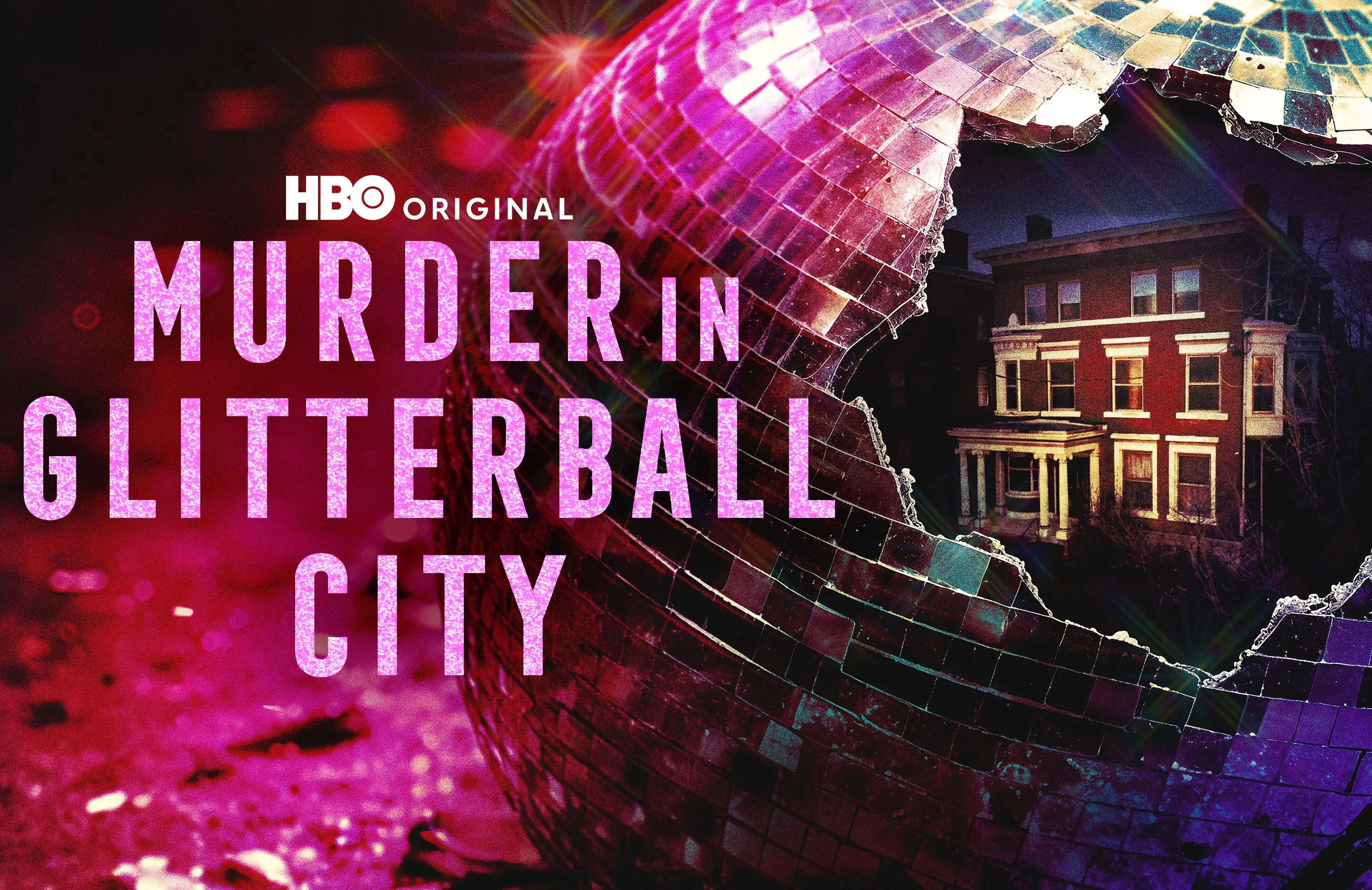
The Ultimate Guide to Hosting a Murder in Glitterball City House Party
Murder in Glitterball City is a premier 1970s disco-themed murder mystery game designed for 6 to 8 players. In this immersive experience, guests assume the roles of suspects following a high-profile crime at a legendary dance club. Hos...
Murder in Glitterball City is a premier 1970s disco-themed murder mystery game designed for 6 to 8 players. In this immersive experience, guests assume the roles of suspects following a high-profile crime at a legendary dance club. Hosting this event at your house requires specific character assignments, structured gameplay rounds, and a commitment to the "Studio 54" aesthetic to ensure a successful evening of deduction and entertainment.
Contents
Understanding the Premise of Glitterball City
Set in the height of the 1977 disco craze, Murder in Glitterball City transports players to the fictional "Glitterball City," a neon-soaked metropolis where the music never stops and the drama is as high as the platform shoes. The core narrative revolves around a tragic event at the city's most exclusive nightclub. As the host, your objective is to facilitate an environment where your friends can inhabit their characters while piecing together clues to identify the murderer among them.
In 2026, the appeal of these "analog" social experiences has seen a significant resurgence. While digital entertainment is omnipresent, the tactile nature of a murder mystery—physical clues, scripted dialogue, and face-to-face interrogation—provides a unique social depth that modern gaming often lacks. The "Glitterball City" scenario is particularly popular because of its vibrant aesthetic, allowing for creative freedom in costumes and music, which are essential for setting the mood.
The game is typically structured as a "dinner party" experience, though it can be adapted for a cocktail party format. The narrative is divided into rounds, usually three, which correspond to different courses of a meal or phases of the evening. Each round introduces new information, reveals secrets about the suspects’ pasts, and eventually leads to the "big reveal" where the killer is identified.
Character Profiles and Role Assignments
The success of a house-based murder mystery hinges on the casting. Each character in Glitterball City has a specific "archetype" that represents a facet of the 1970s disco scene. When hosting at your house, it is vital to match the right guest to the right role to maximize engagement.
- The Disillusioned Diva: A fading starlet who believes she is still the center of the universe. This role requires someone comfortable with dramatic flair and a bit of "prima donna" energy.
- The Smooth-Talking Manager: Often the person with the most secrets. This character is usually entangled in the financial and legal web of the club’s operations.
- The Rising Starlet: A young, ambitious dancer or singer who might have done anything to reach the top.
- The Resident DJ: The person who knows everyone's business because they observe the room from the booth.
- The Enigmatic Owner: The individual who built the empire and has the most to lose if a scandal breaks.
When you send out invitations (ideally three weeks in advance), include the character description and costume suggestions. In 2026, many hosts use digital invitation platforms to send "pre-game" teasers, such as a fictional news clipping about the Glitterball City crime or a "warning" from a mysterious source. This builds anticipation before the guests even step through your front door.
Preparing Your House for the Event
Transforming a standard residential space into a 1977 disco club is a prerequisite for total immersion. You do not need a professional set designer; rather, focus on key sensory triggers that define the era.
Lighting and Visuals
The "Glitterball" itself is the centerpiece. A motorized disco ball is essential. Complement this with colored LED wash lights—pink, purple, and orange are the quintessential colors of the late 70s. If possible, clear a small area of your living room to serve as the "dance floor." Even if no actual dancing occurs, having the visual space defined helps ground the players in the setting.
Soundscape
Music is the heartbeat of this specific mystery. Create a playlist that transitions from "early evening" soul and funk to "peak hour" disco anthems. Keep the volume low enough for conversation but high enough to mask any lulls in the investigation. In 2026, smart home systems can be programmed to change the lighting or trigger specific sound effects (like a distant police siren or a glass breaking) at key moments in the script.
The Evidence Table
Designate a specific area of your house as the "Investigation Zone." This is where you will place physical clues provided in the game kit. By 2026 standards, many hosts choose to supplement the paper clues with physical props—an old cassette tape, a "blood-stained" silk scarf, or a ledger of fake debts. These tactile elements make the "search" phase of the game more interactive.
Step-by-Step Gameplay Mechanics
Hosting a murder mystery is a balancing act between being a participant and a moderator. Most versions of the Glitterball City game follow a three-act structure.
Round 1: Introductions and Initial Suspicions
The game begins once everyone has arrived and is in character. During the first round, characters introduce themselves and their relationship to the victim. As the host, you should encourage "mingling" rather than a formal sit-down. Guests should share the "public" information in their booklets while keeping their "private" secrets hidden.
Round 2: The Plot Thickens
New evidence is introduced. This is usually where the victim's true cause of death is revealed or a scandalous connection between two suspects comes to light. At this stage, players begin to form theories. If you are serving a meal, this round typically takes place during the main course.
Round 3: The Final Accusations and Reveal
The tension peaks in the final round. Each player is given the opportunity to present their theory on who the killer is. After everyone has spoken, the host or a designated "inspector" character reads the confession. It is important to wait until the very end to reveal the killer, as even the person playing the murderer often doesn't know they are the culprit until the final pages of their script.
| Component | Description | Host Responsibility |
|---|---|---|
| Invitations | Character bios and "Save the Date" | Send 2-3 weeks prior to the event. |
| Script Booklets | Private and public information for players | Ensure every player has the correct version. |
| Evidence Props | Physical clues (letters, items) | Hide or display as per game instructions. |
| Confession | The final reveal of the killer's motive | Read aloud at the conclusion of Round 3. |
| Atmosphere | Music, lighting, and 1970s decor | Maintain the "vibe" throughout the night. |
Managing Challenges and Common Mistakes
Even with the best preparation, hosting a murder mystery in your house can present challenges. One common issue is a "no-show" guest. Because the Glitterball City game is designed for a specific number of players, the absence of a key suspect can stall the narrative.
The Substitution Rule: In 2026, most experienced hosts have a "backup" character plan. If a guest cancels, you can either play that role yourself or combine two minor roles if the script allows. Alternatively, some kits offer "NPC" (Non-Player Character) summaries that the host can read to fill in the missing information.
Another mistake is failing to set boundaries. While role-playing is encouraged, it should remain respectful and fun. As the host, your "house rules" still apply. Ensure that the "investigation" doesn't involve guests literally tearing through your private closets or drawers unless you have specifically placed clues there.
Enhancing the Experience with Themed Catering
A "Murder in Glitterball City" house party is significantly improved by era-appropriate food and drink. In 1977, cocktail parties often featured specific items that are now considered retro-chic.
- Appetizers: Deviled eggs, shrimp cocktail, and cheese fondues were staples of the era. These are easy to prepare and allow guests to eat while staying mobile for "interrogations."
- The Signature Cocktail: Create a "Glitterball Gimlet" or a classic Tequila Sunrise. Offering a signature drink simplifies the bar setup while adding to the theme.
- Dietary Considerations: Even while sticking to a 1970s theme, ensure you have modern alternatives for guests with dietary restrictions. A vegan "fondue" using cashew cheese is a 2026 staple that fits the 1977 look.
FAQs About Murder in Glitterball City
How long does the game typically last?
Most sessions of Murder in Glitterball City last between 2.5 and 3.5 hours. This includes time for the initial "cocktail hour," the three rounds of play, and the final reveal. If you are serving a full three-course dinner, plan for the longer end of that spectrum to allow guests to eat comfortably.
Can the game be played with more than 8 people?
The standard kit is optimized for 6-8 players to ensure everyone has a meaningful role. However, if you have a larger group, you can assign the extra guests as "investigative journalists" or "club patrons" who act as a jury. They don't have scripts but can listen to the testimony and vote on the killer at the end.
Is the killer's identity different every time?
In the standard retail version of the game, the killer remains the same. This means you cannot play the same scenario with the same group of people twice. However, many hosts find that they can "re-gift" or swap the game kit with other friends who haven't experienced the Glitterball City storyline.
What happens if the players guess the wrong person?
It is quite common for the group to fail to identify the real killer. This doesn't mean the party was a failure; in fact, a clever killer who successfully "frames" someone else often leads to the most memorable endings. The confession should still be read to clarify the actual sequence of events.
Do I need a professional "Detective" or Host?
No. The game is designed to be self-facilitated. The host usually plays one of the suspects. The instruction manual provides "Host Prompts" to help transition the group from one round to the next without requiring an outside moderator.
Final Recommendations for Your House Party
To ensure your Murder in Glitterball City house party is a success in 2026, focus on momentum. The biggest risk to a murder mystery is the energy dipping between rounds. As the host, be prepared to "propose a toast" or "announce a new discovery" if the conversation starts to veer away from the game.
Once the mystery is solved, don't end the party immediately. Transition into a standard social gathering where guests can "break character" and discuss how they arrived at their conclusions. This de-briefing period is often when the most laughter occurs, as players reveal the secrets they were desperately trying to hide throughout the night. By combining the structured mystery of Glitterball City with the comfort of a well-hosted house party, you create an event that your guests will be talking about long after the disco lights have been turned off.
Image Gallery