Tallahassee Proof of Auto Insurance Explained
In Tallahassee, Florida, proof of auto insurance is a mandatory documentation requirement for all registered vehicle owners, proving that the policyholder maintains the state-mandated Personal Injury Protection (PIP) and Property Damag...
In Tallahassee, Florida, proof of auto insurance is a mandatory documentation requirement for all registered vehicle owners, proving that the policyholder maintains the state-mandated Personal Injury Protection (PIP) and Property Damage Liability (PDL) coverage. Drivers must present this proof during traffic stops, vehicle registration renewals, or after any collision to avoid license suspension and administrative fines.
Contents
The Legal Framework for Insurance in Florida
Florida is a no-fault insurance state, meaning your own insurance company pays for your medical expenses and lost wages regardless of who caused the accident, up to the limits of your policy. Because of this, the Florida Department of Highway Safety and Motor Vehicles (FLHSMV) requires that every vehicle registered in Tallahassee and throughout the state be covered by specific minimum insurance mandates.
Failure to maintain this coverage results in an immediate flag in the FLHSMV database. When you purchase an auto insurance policy, your provider is legally required to report that coverage to the state electronically. When you cancel or let a policy lapse, the insurance company sends a notice to the state. If you do not provide new proof of coverage within a specific timeframe, the state will move to suspend your driver’s license, registration, and license plate.
Acceptable Forms of Proof of Auto Insurance
You are not required to carry a paper document, though it is highly recommended. The following items are considered valid proof of insurance in Tallahassee:
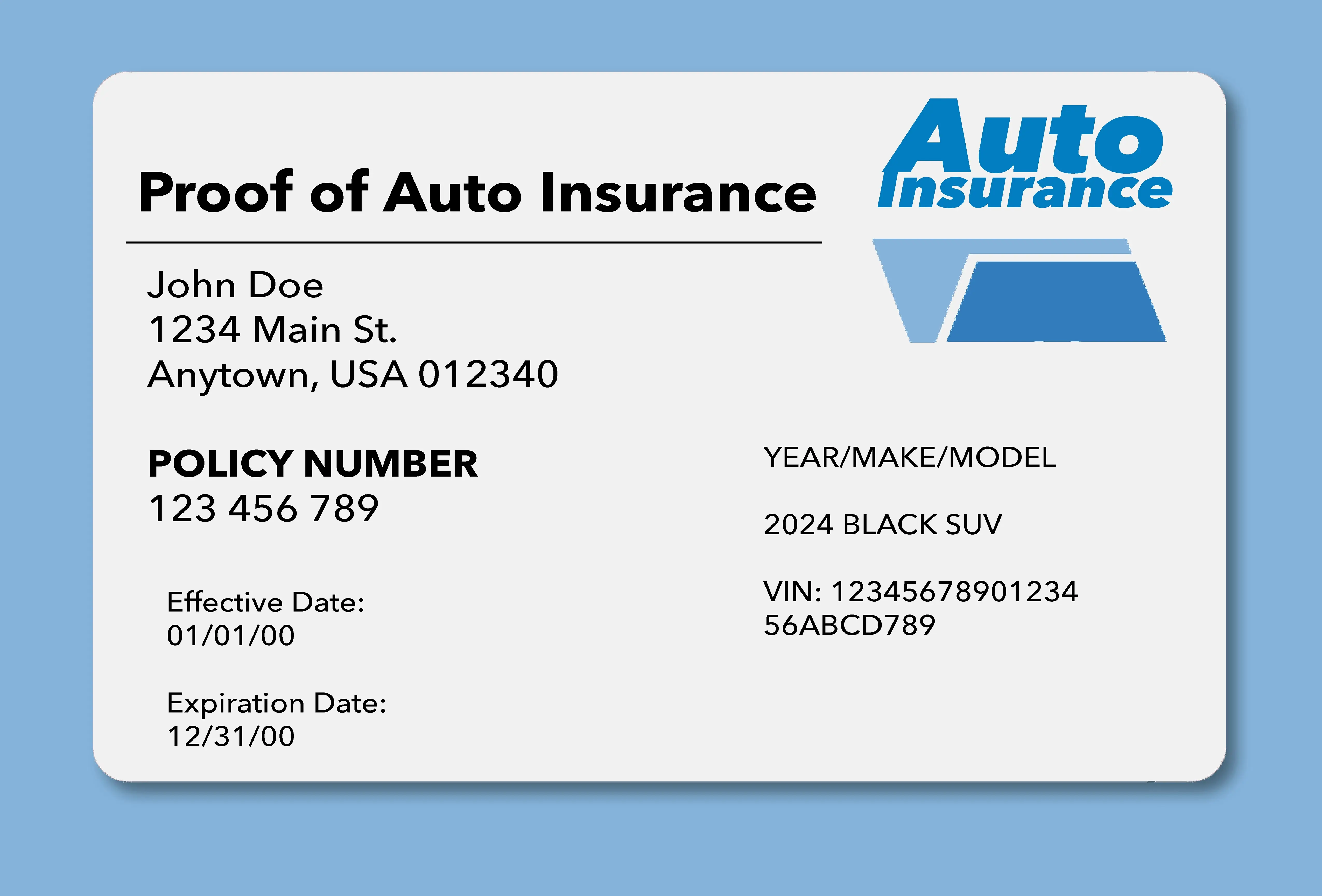
- Insurance Identification Card: A standard card issued by your insurer containing your policy number, effective dates, and vehicle information.
- Electronic Proof: Many insurers provide a mobile app or a PDF version of your insurance card. Florida law recognizes digital versions presented on a smartphone during a traffic stop as valid evidence of coverage.
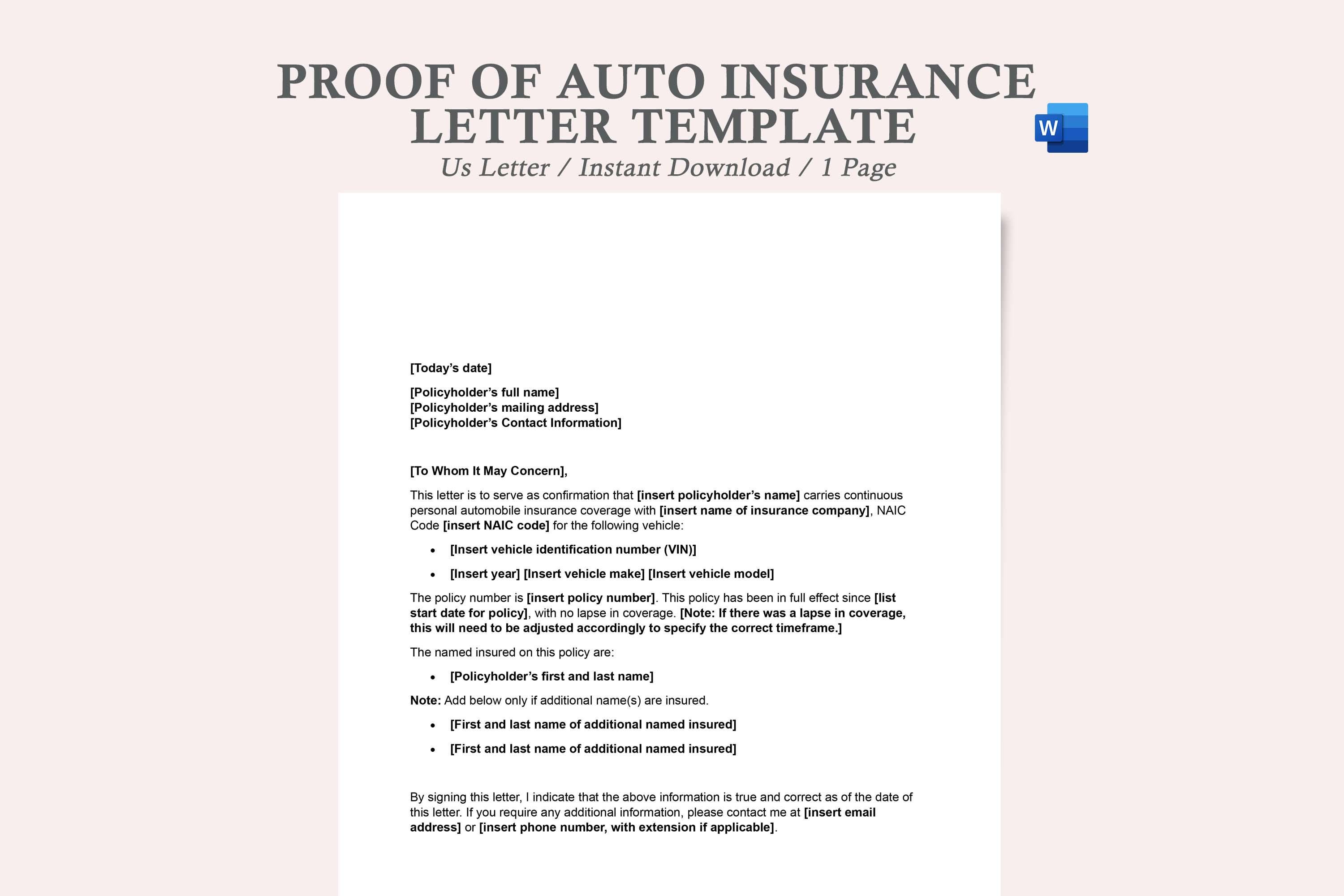
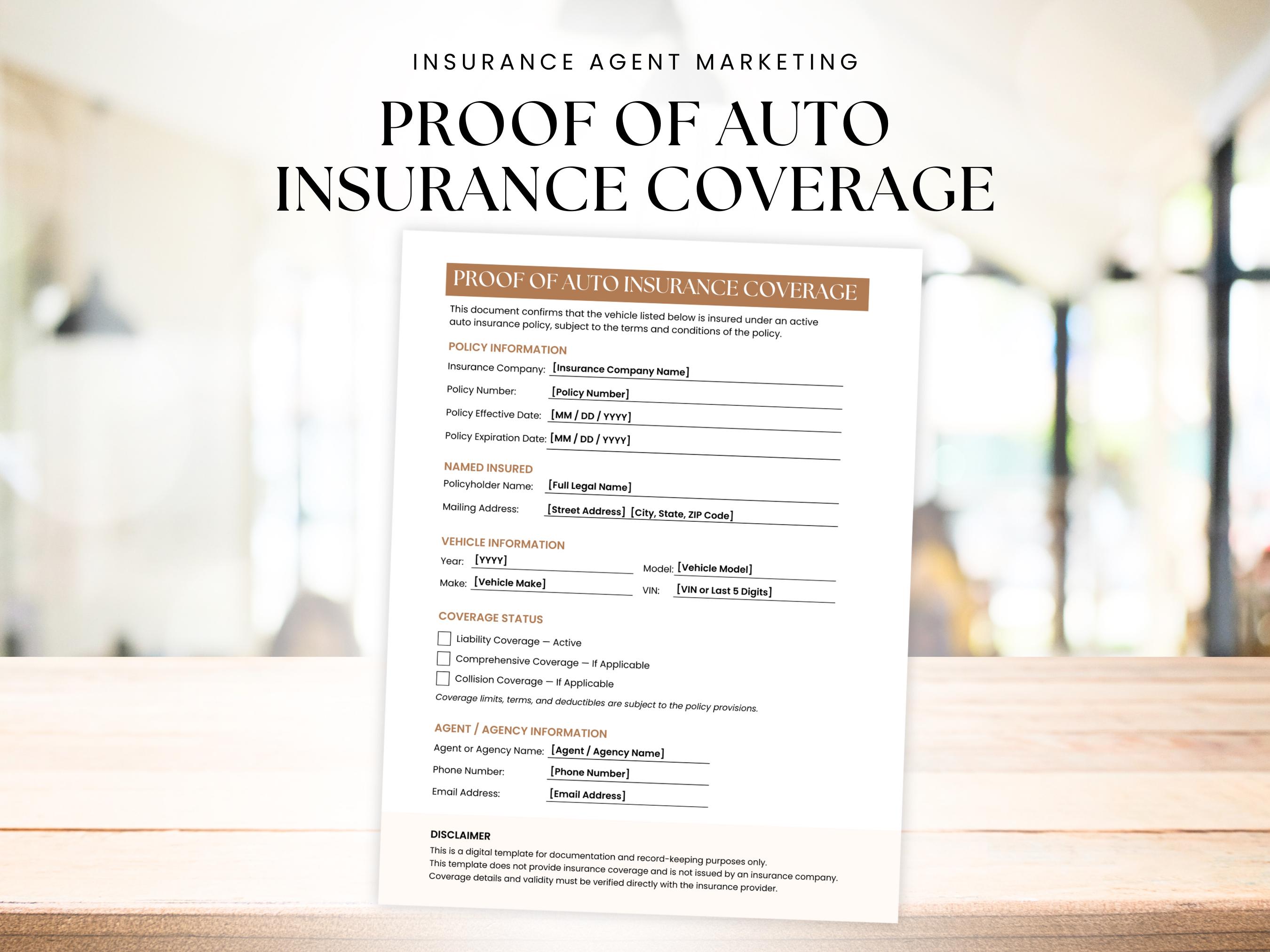
- Policy Declarations Page: A document that outlines your specific coverage limits. While this is more detailed than an ID card, it serves as legal proof of the existence of an active policy.
- Binder: A temporary document issued by an agent or company that provides proof of coverage before the final policy documents are mailed or finalized.
Why Proof is Required and When You Must Produce It
The primary purpose of mandated proof is to ensure that all motorists on Tallahassee roads contribute to the financial responsibility required by law. You will be asked to produce this proof under several distinct circumstances:
- Traffic Stops: If a law enforcement officer pulls you over for a traffic violation, they will request your license, registration, and proof of insurance. Providing an expired card or being unable to verify coverage through the state's electronic database can lead to a citation.
- Vehicle Registration and Renewal: You cannot renew your annual vehicle registration (license plate tag) in Tallahassee without showing valid, active proof of insurance. The FLHSMV portal checks your status against insurance records in real-time.
- Accident Reporting: Following any vehicular incident, all parties involved must exchange insurance information. Having the official proof card or an electronic copy readily available ensures the proper filing of the crash report.
- License Reinstatement: If your license has been suspended due to an insurance lapse, you must provide valid proof of a new policy to the FLHSMV to pay the reinstatement fee and regain your driving privileges.
Understanding Florida’s Minimum Requirements
To have valid "proof," the policy itself must meet specific statutory minimums. Policies that fall below these thresholds are not considered legal, even if you hold a card.
| Coverage Type | Minimum Amount Required | Description |
|---|---|---|
| Personal Injury Protection (PIP) | $10,000 | Covers medical bills and lost wages for you and passengers. |
| Property Damage Liability (PDL) | $10,000 | Covers damage you cause to another person’s property. |
Note: While these are the minimums required by the state of Florida, many drivers in Tallahassee opt for higher coverage limits or additional options like Bodily Injury Liability (BIL), Collision, and Comprehensive coverage to protect personal assets in the event of a severe accident.
Troubleshooting Insurance Verification Issues
Sometimes, you may have active insurance, but the state database shows a lapse. This is common if you have recently switched insurance carriers. If you receive a notice of suspension from the FLHSMV:
- Verify with your agent: Ensure that your new insurance company has electronically filed your policy information with the state.
- Check the VIN: Ensure that the Vehicle Identification Number (VIN) on your insurance card matches the VIN on your vehicle title and registration exactly. A single typo can cause a verification error.
- Submit via the FLHSMV Portal: If you are certain your insurance is active, you can often update or verify your status through the official Florida FLHSMV website or visit a local Leon County Tax Collector office.
- Keep receipts: If you are paying for insurance, keep records of your payments and the policy effective dates. These are your strongest defense during a disputed lapse.
Common Misconceptions
One frequent error drivers make is assuming that because they have "full coverage," they meet the requirements. While full coverage exceeds the legal minimums, you must still be able to produce the actual proof document. Relying on an officer to "look it up" in the database is risky, as database updates can sometimes lag, and being unable to provide physical or digital proof at the scene can complicate a routine traffic stop.
Another misconception is that insurance coverage from another state or country is automatically valid. Florida law is specific: the policy must be issued by an insurance company licensed to do business in the state of Florida. Out-of-state policies generally do not fulfill the legal obligation for a vehicle that is registered or primarily kept in Florida.
FAQ: Common Questions Regarding Proof of Insurance
What happens if I cannot show proof of insurance during a traffic stop? If you have insurance but simply forgot your card, you may be issued a citation that can be dismissed once you provide proof to the court that the insurance was active at the time of the stop. If you do not have insurance, you face severe penalties, including license suspension and significant fines.
Can I use a photocopied insurance card as proof? While a photocopy may be accepted in some instances, law enforcement prefers original documentation or electronic versions provided by the insurer. Ensure the copy is legible and displays the current policy period.
Does my insurance company notify the state automatically? Yes. In Florida, insurers are required by law to report policy initiation, cancellation, or expiration directly to the FLHSMV.
What if I sell my car? Before you cancel your insurance, ensure you have surrendered your Florida license plate to the state. If you cancel your insurance while still having an active, registered license plate, the state will assume you are driving uninsured and will move to suspend your license.
Is digital proof accepted by all law enforcement in Tallahassee? Yes, Florida law explicitly permits drivers to present proof of insurance in an electronic format via a smartphone or tablet. The officer is prohibited from using the device for any purpose other than viewing the insurance information.
Next Steps and Recommendations
To maintain compliance in Tallahassee, always store your current insurance identification card in your vehicle's glove compartment. Additionally, save a digital copy or a screenshot of your active insurance card on your mobile phone. Before renewing your registration annually, verify that your insurance information is current by checking the FLHSMV’s online portal. If you decide to switch insurance providers, always ensure the new policy is active before canceling your old one to avoid any gaps in coverage, as even a one-day lapse can trigger an automatic suspension notice from the state.
Image Gallery