Do You Need Insurance to Register a Car in Texas? Rules and Requirements
Yes, you must have valid auto liability insurance to register a car in Texas. Under state law, vehicle owners must present proof of financial responsibility that meets or exceeds Texas minimum coverage limits—30/60/25 liability protect...
Yes, you must have valid auto liability insurance to register a car in Texas. Under state law, vehicle owners must present proof of financial responsibility that meets or exceeds Texas minimum coverage limits—30/60/25 liability protection—before the Texas Department of Motor Vehicles or your local county tax assessor-collector will issue or renew vehicle registration.
Contents
Legal & Regulatory Disclaimer: Motor vehicle regulations, insurance mandates, and registration requirements are established by state law and administrative code. While this article reflects current state guidelines for 2026, vehicle owners should consult the Texas Department of Motor Vehicles or the Texas Department of Insurance for specific legal or regulatory updates.
Texas Vehicle Registration Laws and Insurance Mandates
Texas enforces strict financial responsibility laws governing motor vehicle ownership and operation. The primary statutory foundation for these requirements is found in Chapter 601 of the Texas Transportation Code, known as the Texas Motor Vehicle Safety Responsibility Act. Under this law, driving or registering an uninsured motor vehicle on public roadways is illegal.
When you submit an application for vehicle title and registration or request an annual registration renewal, state authorities require proof that you can pay for potential damages caused by your vehicle. The policy must cover any vehicle operated on public roads, regardless of whether it is driven daily, used commercially, or kept as a secondary passenger car.
In Texas, registration and insurance enforcement are deeply integrated. The state will not process a registration transaction—whether completed in person at a county tax assessor-collector office, by mail, or through the official state online portal—without verified proof of compliance.
Minimum Texas Auto Insurance Coverage Limits Required
To satisfy state registration requirements, an auto insurance policy written for a vehicle in Texas must provide liability coverage that meets or exceeds the state's minimum legal thresholds. These minimums are often referenced as 30/60/25 coverage:
- $30,000 for Bodily Injury per Person: The maximum amount your policy pays for injuries or medical expenses sustained by a single individual in an accident you cause.
- $60,000 for Bodily Injury per Accident: The total limit your policy pays for all bodily injuries combined across multiple victims in a single accident you cause.
- $25,000 for Property Damage per Accident: The maximum amount your insurer pays to repair or replace property damaged in an accident you cause, such as another driver's vehicle, a fence, or public infrastructure.
Optional Coverages vs. Mandatory Requirements
State registration rules mandate liability coverage only, which pays for damages and injuries inflicted on third parties. The state does not require you to carry optional coverages—such as collision, comprehensive, Personal Injury Protection (PIP), or Uninsured/Underinsured Motorist (UM/UIM) coverage—to register your vehicle.
However, if you lease your car or purchase it through a auto loan, your lienholder or lender will likely mandate comprehensive and collision coverages to protect their financial interest in the asset. While required by private contract, these additional coverages are not checked by the county clerk or TxDMV during registration.
How Texas Verifies Your Insurance: The TexasSure System
Texas relies on an automated, state-managed verification program named TexasSure to combat uninsured driving. Jointly developed by the Texas Department of Insurance, the Texas Department of Transportation, the Texas Department of Public Safety, and the Department of Information Resources, TexasSure creates a real-time link between commercial auto insurance databases and state registration records.
- TexasSure Vehicle Verification Database
- Insurance Companies (Policy Database)
- Texas Department of Motor Vehicles (TxDMV)
How TexasSure Works During Registration
- Automated Query: When you apply for registration renewal or new vehicle registration, the TxDMV database automatically queries TexasSure using the Vehicle Identification Number (VIN).
- Instant Verification: If TexasSure finds an active policy that matches the VIN and meets Texas state minimums, your registration moves forward without additional friction.
- Manual Verification Requirement: If the database cannot verify coverage—often due to recent policy changes, typographical errors in the VIN, or timing delays between insurance updates and database syncs—you must provide paper or electronic proof of coverage directly to the clerk.
Common Causes of Verification Failure
- VIN Mismatches: A single mistyped character in the VIN on your insurance policy prevents automated verification.
- Name Discrepancies: Significant differences between the primary policyholder's name and the registered owner's legal name can trigger a flag.
- New Policies: Coverage bound within 24 to 48 hours of your registration attempt may not yet appear in the electronic TexasSure database.
In cases where TexasSure returns an unverified status, presenting an official insurance card, binder, or digital policy document from your smartphone to the county clerk is required to move forward.
Step-by-Step Guide to Registering a Car in Texas
Texas operates under the "Two Steps, One Sticker" system. This system requires vehicle owners to complete a physical vehicle safety (and emissions, if applicable) inspection before applying for registration.
- Step 1: Pass Inspection (Vehicle Safety/Emissions)
- Step 2: Secure Insurance (Texas 30/60/25 Liability)
- Step 3: Register Vehicle (County Clerk / TxDMV)
Follow this order to ensure a smooth application process:
Step 1: Pass the Vehicle Inspection
Visit a state-certified vehicle inspection station. Once your vehicle passes, the inspection station updates the state database electronically and issues a Vehicle Inspection Report (VIR) for your records. The inspection record remains valid for registration for 90 days.
Step 2: Secure Texas-Compliant Insurance
Ensure your auto insurance policy meets or exceeds 30/60/25 liability thresholds and is written by an insurer licensed to issue policies in Texas. Make sure the VIN on the policy binder precisely matches the vehicle's actual VIN.
Step 3: Gather Necessary Documentation
Prepare the required materials before visiting your County Tax Assessor-Collector office or applying online:
- Official Texas Vehicle Inspection Report (VIR), if electronic verification is unavailable.
- Valid proof of insurance (digital or paper card displaying effective dates and VIN).
- Vehicle Title or current out-of-state registration certificate (for initial registration).
- Completed Form 130-U (Application for Texas Title and/or Registration).
- Valid government-issued photo identification (driver's license or passport).
- Payment for registration fees, county processing fees, and applicable sales tax.
Step 4: Submit Registration and Payment
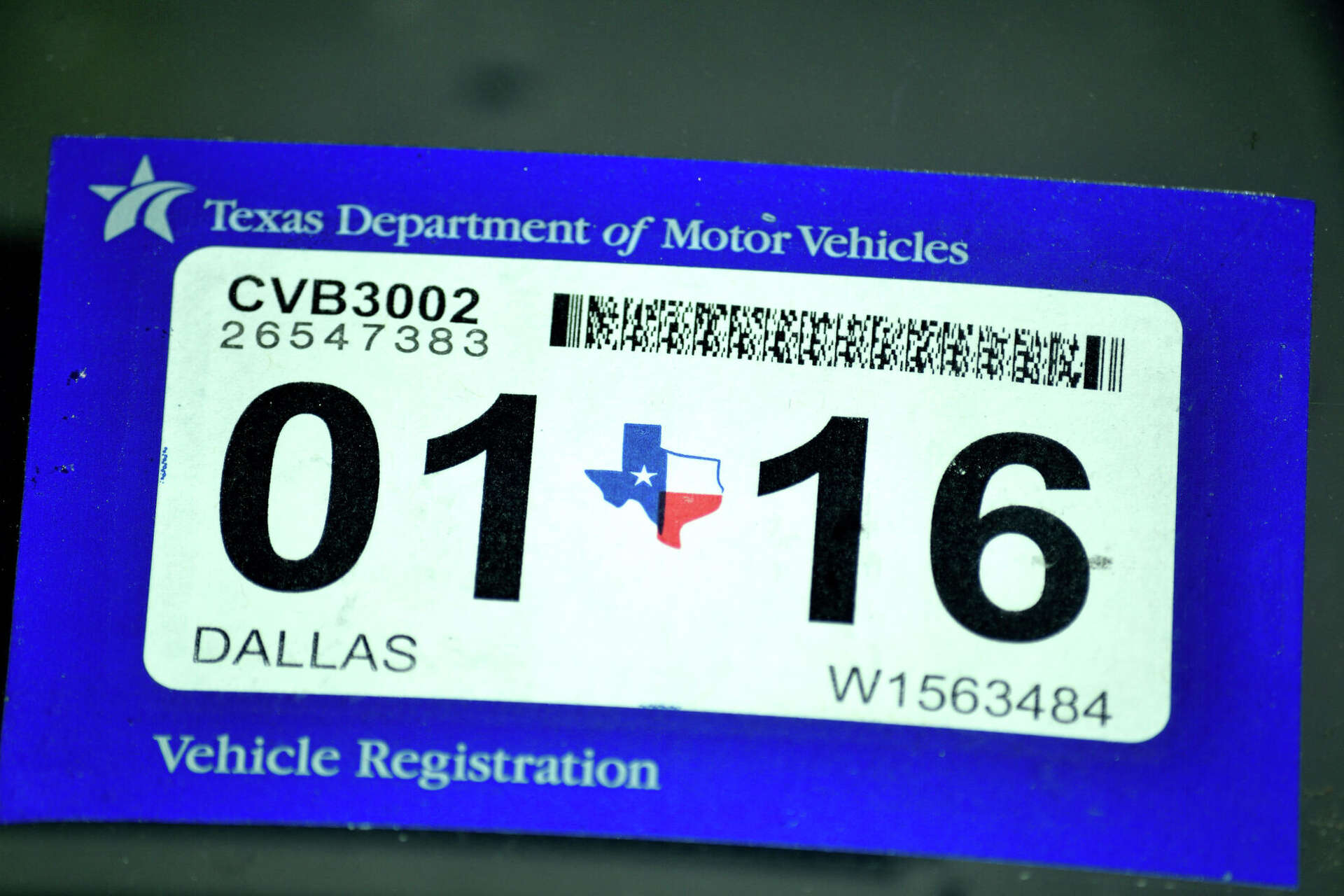
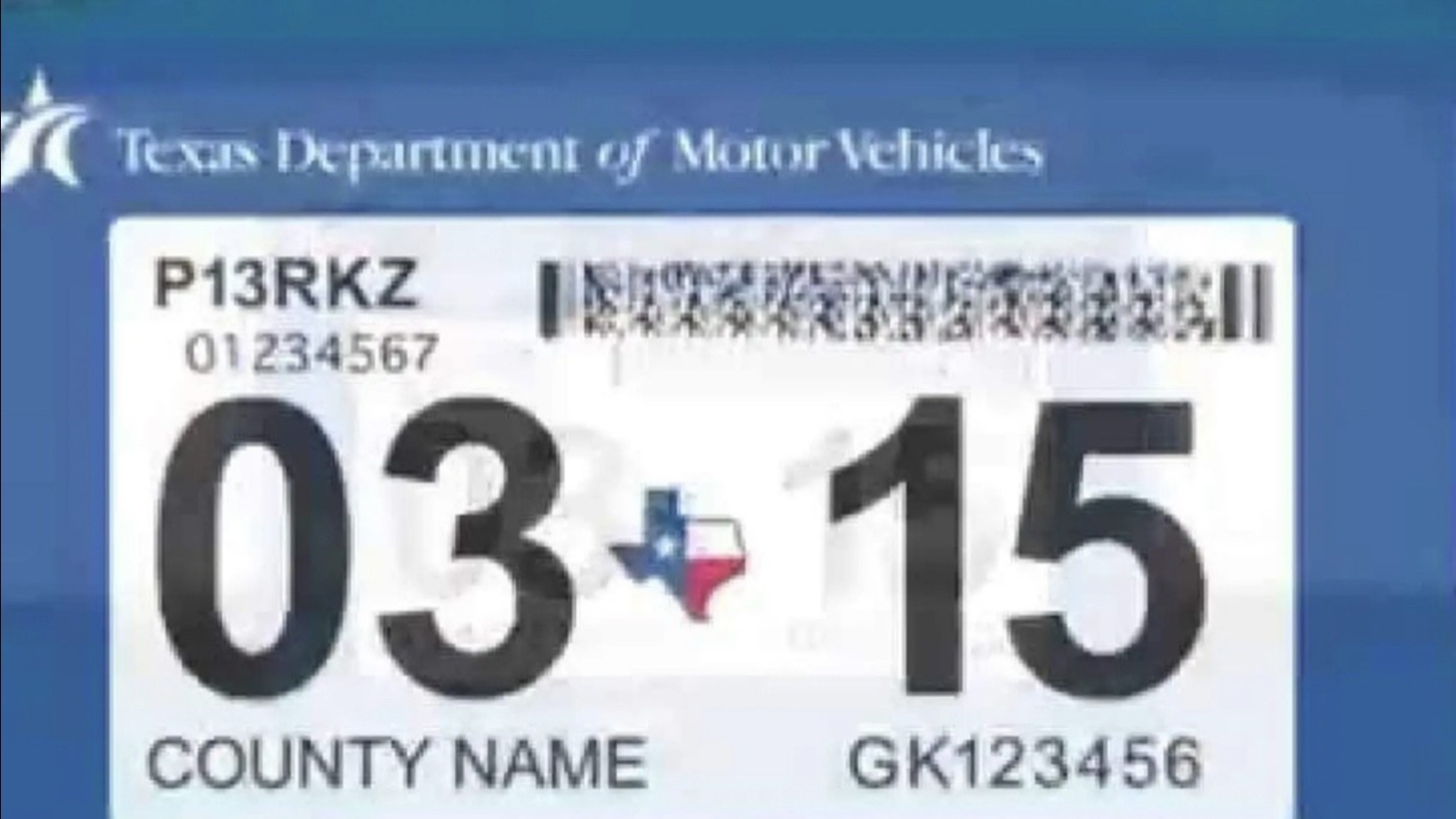
Submit your application to your local County Tax Assessor-Collector office. Once approved, you will receive a single registration sticker to place on the inside lower driver-side corner of your windshield.
Texas Vehicle Registration Requirements Breakdown
The following table summarizes the key components, standard metrics, and documentation formats required for registering a motor vehicle in Texas:
| Requirement Category | Minimum Specification / Rule | Primary Regulatory Purpose | Acceptable Proof Formats |
|---|---|---|---|
| Auto Liability Insurance | 30/60/25 ($30k individual injury / $60k total injury / $25k property) | Fulfill Texas Motor Vehicle Safety Responsibility Act | Insurance ID card, policy binder, smartphone app verification, TexasSure match |
| Vehicle Inspection | Pass annual safety & optional county emissions test within 90 days prior to registration | Ensure mechanical safety and environmental compliance | Electronic verification via state database or physical Vehicle Inspection Report (VIR) |
| Proof of Ownership | Valid title certificate or active out-of-state registration | Establish legal entitlement to hold registration | Original title, foreign registration card, completed Form 130-U |
| Identification | Valid government-issued photo ID | Confirm identity of the primary registered owner | Texas driver's license, US passport, military ID, state identification card |
| Financial Responsibility Alternatives | $55,000 cash/securities deposit or $55,000 surety bond filed with state | Alternative to standard liability insurance for eligible parties | Certificate of Financial Responsibility issued by the Texas Department of Public Safety (DPS) |
Special Situations, Exceptions, and Alternative Options
While standard liability insurance purchased through a licensed provider is the most common way to fulfill state mandates, specific guidelines apply to new residents, private sales, non-operational vehicles, and alternative financial arrangements.
New Residents Moving to Texas
If you move to Texas from another state, Texas law grants you 30 days from the date of establishing residency to register your vehicle. Out-of-state auto insurance policies are generally unacceptable for registration unless the policy explicitly meets or exceeds Texas liability thresholds and is issued by an insurer authorized to write policies in Texas. To avoid delays, transfer your auto policy to a Texas-specific policy before completing registration.
Buying a Car (Private Sales vs. Dealer Transactions)
- Dealership Purchases: Texas dealers handle registration and titling directly. The dealer requires proof of liability coverage in your name before allowing you to drive the vehicle off the lot.
- Private Party Sales: When buying a vehicle from a private seller, you must secure insurance for that vehicle's specific VIN before taking the vehicle to the county tax assessor-collector office to complete the title transfer and registration.
Non-Operational, Stored, or Vintage Vehicles
If you own a vehicle that is kept in storage, undergoing restoration, or never driven on public highways, you do not need to keep active insurance or valid registration on it. However, if you allow registration to lapse while the vehicle is uninsured, you cannot legally drive it on public roads—even to an inspection station—without first reinstating insurance and obtaining a temporary permit or registration.
Legal Alternatives to Auto Insurance
The Texas Transportation Code allows vehicle owners to prove financial responsibility without traditional insurance through three statutory alternatives administered by the Texas Department of Public Safety:
- Cash or Securities Deposit: Deposit $55,000 in cash or eligible U.state securities with the Comptroller of Public Accounts.
- Surety Bond: File a $55,000 surety bond with the state, backed by two sureties who own real estate in Texas.
- Self-Insurance Certificate: Entities or individuals holding legal title to 25 or more motor vehicles may apply to TxDPS for a self-insurance certificate by proving financial solvency.
Penalties for Registering or Driving Without Insurance in Texas
Failing to maintain continuous auto liability insurance or attempting to register a vehicle using fraudulent or lapsed policy details incurs significant administrative, civil, and criminal penalties under state law.
First-Offense Penalties
- Court Fines: Statutory fines ranging from $175 to $350.
- Administrative Fees: Driver's license renewal surcharges and state processing assessments.
Subsequent Offenses
- Increased Fines: Escalated penalties ranging from $350 to $1,000+.
- Vehicle Impoundment: Law enforcement officers may order your vehicle impounded immediately upon stopping an uninsured driver.
- License and Registration Suspension: The state may suspend both your driver's license and vehicle registration. Reinstatement requires paying penalty fees and maintaining an SR-22 financial responsibility filing for up to three years.
Frequently Asked Questions
Can I use out-of-state auto insurance to register my vehicle in Texas?
Out-of-state insurance is generally not accepted unless the policy meets Texas minimum coverage limits (30/60/25) and is issued by an insurance company licensed to write policies within the State of Texas. If you recently moved to Texas, contact your insurance agent to update your address and convert your coverage to a Texas auto policy before visiting the county clerk.
Can I register a car in Texas if the insurance policy is under someone else's name?
Yes, under certain circumstances. Texas registration rules allow proof of insurance if the applicant is listed as a driver on the policy or if the vehicle's VIN is clearly documented on an active policy. However, the policy must explicitly cover the specific vehicle being registered.
What should I do if my insurance card does not match the VIN on my car?
If your insurance document contains a typographical error or omits the VIN, the county clerk will reject your registration application. You must contact your insurance provider or agent to issue an amended insurance card or formal binder reflecting the correct 17-digit VIN before re-applying.
Does Texas allow temporary auto insurance for vehicle registration?
Texas does not issue a specific "registration-only" temporary insurance policy. You can purchase standard auto policies that offer flexible term lengths or monthly billing cycles, but any policy submitted for vehicle registration must meet full state liability requirements (30/60/25) for the duration of the active registration period.
Is collision or comprehensive insurance required to register a car in Texas?
No. Texas state law only mandates liability insurance to register and operate a motor vehicle. Comprehensive and collision coverages are optional under state law, though your vehicle lender or leasing company may legally require them under the terms of your financing contract.
Summary Recommendations
To ensure your Texas vehicle registration process proceeds without delays, follow these final preparation steps:
- Verify Your Coverage: Confirm your policy explicitly meets the 30/60/25 limit and accurately reflects your vehicle's 17-digit VIN.
- Complete Your Inspection First: Remember the "Two Steps, One Sticker" rule. Pass your vehicle safety inspection within 90 days before your registration visit.
- Bring Physical or Digital Proof: Even though TexasSure handles electronic database checks automatically, carry a digital copy or printed insurance ID card to your county tax assessor-collector office in case of system mismatches.
Image Gallery