What Is SAIF Corporation in Salem, Oregon? A Comprehensive Guide to Workers' Comp
SAIF (State Accident Insurance Fund) is Oregon's state-chartered, not-for-profit workers' compensation insurance company. Headquartered in Salem, it serves as the state’s largest provider of workplace injury coverage, ensuring that Ore...
SAIF (State Accident Insurance Fund) is Oregon's state-chartered, not-for-profit workers' compensation insurance company. Headquartered in Salem, it serves as the state’s largest provider of workplace injury coverage, ensuring that Oregon employers meet legal requirements while providing medical and wage-loss benefits to workers injured on the job.
Contents
As of 2026, SAIF Corporation remains a cornerstone of the Oregon business landscape. While it operates like a private insurance company in many competitive aspects, its unique status as a public corporation established by the Oregon Legislature gives it a specific mandate: to make workers’ compensation insurance available and affordable to all Oregon employers while maintaining a stable market. For anyone doing business in the Pacific Northwest or working within the state, understanding SAIF is essential for navigating labor laws, safety standards, and insurance costs.
The Identity and Legal Status of SAIF Corporation
SAIF is often misunderstood as a standard state agency or a purely private corporation. In reality, it is a public corporation created by an act of the Oregon Legislative Assembly. This hybrid status means that while it performs a public function and its board of directors is appointed by the Governor, it does not receive state tax dollars. It is self-supporting, funded entirely by the premiums paid by policyholders and the returns on its investments.
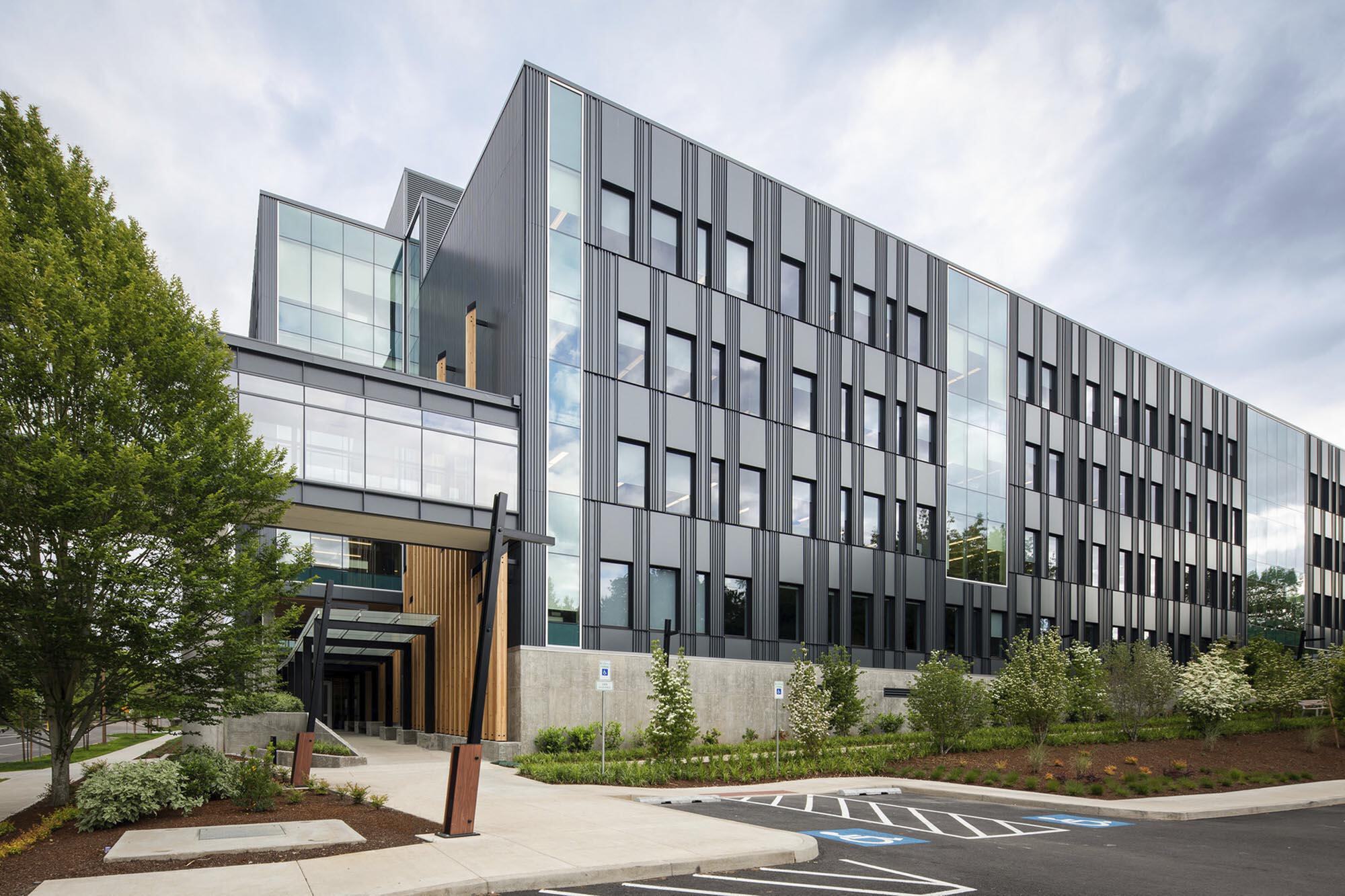
The corporation’s headquarters is a prominent fixture in downtown Salem, located at 400 High Street SE. From this central hub, SAIF manages a significant portion of the state's workers’ compensation market—consistently holding over 50% of the market share. Its presence in Salem is not just administrative; it is symbolic of its close relationship with state regulatory bodies, such as the Oregon Workers' Compensation Division (WCD) and Oregon OSHA.
The "Guaranteed Market" Role
One of the most critical reasons for SAIF’s existence is to serve as the state's "guaranteed market." In many states, high-risk industries—such as logging, roofing, or heavy construction—struggle to find affordable coverage because private carriers may view them as too liability-prone. SAIF is required by its charter to provide coverage to any Oregon employer that applies for it, regardless of the risk level, provided they pay their premiums. This ensures that the Oregon economy does not grind to a halt because high-risk but essential businesses cannot find insurance.
The Core Mission: Safety, Health, and Recovery
The mission of SAIF extends beyond merely processing insurance claims. In 2026, the organization continues to emphasize a "Vision Zero" philosophy—striving for a future where no one is killed or injured on the job. This mission is divided into three functional pillars:
- Prevention: SAIF invests heavily in safety education and industrial hygiene. They provide free consultations to policyholders to identify workplace hazards before they lead to accidents.
- Coverage: Providing comprehensive insurance policies that protect employers from lawsuits related to workplace injuries and ensuring they remain compliant with the Oregon Workers' Compensation Division regulations.
- Restoration: When an injury does occur, SAIF manages the medical care and vocational rehabilitation of the worker, with a primary goal of returning them to work as safely and quickly as possible.
How SAIF Functions for Oregon Employers
For an Oregon business owner, SAIF is often the default choice for insurance. Because SAIF is not-for-profit, it operates with a goal of returning "excess" capital to its policyholders in the form of dividends. This is a major differentiator from private, for-profit carriers.
Premium Structure and Costs
Premiums are calculated based on three primary factors:
- Payroll: The total amount paid to employees.
- Classification Codes: The risk level associated with the specific type of work (e.g., office work has a lower rate than commercial fishing).
- Experience Rating Modifier (E-mod): A numerical representation of a company's specific claims history. A safe company with few accidents will have an E-mod below 1.0, leading to lower premiums.
The Dividend Program
In years where SAIF’s financial performance exceeds its requirements for claims reserves and operational costs, the Board of Directors may approve a policyholder dividend. These dividends have historically amounted to hundreds of millions of dollars returned to Oregon businesses, effectively lowering the net cost of insurance. In 2026, these dividends remain a key incentive for employers to maintain safe workplaces, as the dividend eligibility is often tied to safety performance and policy longevity.
The Claims Process for Injured Workers
If you are an employee in Oregon and suffer a workplace injury, SAIF is likely the entity that will handle your claim. The process is strictly governed by state law to ensure fairness.
Filing a Claim
The process typically begins with the Form 801 (Report of Job Injury or Illness). Once an employer is notified of an injury, they must file this form with SAIF. Simultaneously, the injured worker visits a doctor, who completes a Form 827, officially notifying the insurer of a medical encounter related to work.
Medical and Wage Benefits
Under SAIF coverage, injured workers are entitled to:
- Medical Services: All "reasonable and necessary" medical treatment related to the accepted injury is paid for by SAIF.
- Time-Loss Payments: If a doctor confirms that a worker cannot perform their job for a period, SAIF provides temporary total disability (TTD) payments, which are typically two-thirds of the worker's average weekly wage, up to a state-mandated cap.
- Permanent Disability: If an injury results in a permanent loss of function, the worker may receive a permanent partial disability (PPD) award.
Return-to-Work Programs
SAIF is a leader in "Return-to-Work" initiatives. They offer programs like the Employer-at-Injury Program (EAIP) and the Preferred Worker Program (PWP). These programs provide financial incentives to employers to create light-duty positions or modify workspaces, allowing injured employees to return to the office or job site in a limited capacity while they recover, rather than staying home indefinitely.
SAIF vs. Private Insurance Carriers
While SAIF is the largest carrier, Oregon has a "three-way" workers' compensation system. This means employers can choose to get insurance through SAIF, through a private commercial insurance company, or by being "self-insured" (if they are large enough to prove they have the financial reserves).
| Feature | SAIF Corporation | Private Carriers |
|---|---|---|
| Organization Type | Not-for-profit public corporation | For-profit private companies |
| Market Role | Guaranteed market (must cover all) | Can decline high-risk businesses |
| Location | Headquartered in Salem, Oregon | Often national/out-of-state |
| Dividend Policy | Frequently returns excess to policyholders | Profits generally go to shareholders |
| Specialization | 100% focused on Oregon Workers' Comp | Multi-line (Auto, Life, Liability, etc.) |
| Safety Resources | Extensive, Oregon-specific training | Variable; may be generic |
SAIF’s Impact on the Salem Economy
The presence of SAIF in Salem is significant. As one of the city's major employers, SAIF provides jobs for over 1,000 professionals, ranging from claims adjusters and underwriters to safety experts, attorneys, and IT specialists.
The SAIF campus in Salem serves as a training ground for the state's safety professionals. They frequently host seminars and workshops that are open to the public and policyholders, contributing to Salem’s role as the administrative and regulatory heart of Oregon. By keeping workers' compensation costs stable, SAIF also indirectly supports the growth of other Salem-based industries, from manufacturing to healthcare, by reducing the overhead costs of hiring employees.
Safety and Risk Management Services
One of the most valuable aspects of SAIF for a policyholder is the access to their Safety and Health Services. SAIF employs dozens of safety consultants who specialize in various industries, including agriculture, construction, and manufacturing.
For 2026, SAIF has expanded its digital offerings, providing a comprehensive online "Learning Center." This portal includes:
- Video Libraries: Short safety talks in English and Spanish for "toolbox meetings."
- Ergonomic Assessments: Tools to help office and industrial workers avoid repetitive strain injuries.
- Mental Health Resources: Recognizing that workplace safety includes psychological well-being, SAIF provides resources for managing workplace stress and trauma, particularly for first responders and healthcare workers.
Governance and Financial Oversight
SAIF is overseen by a five-member Board of Directors appointed by the Governor and confirmed by the Oregon Senate. This board ensures that SAIF remains financially solvent and adheres to its mission.
The financial health of SAIF is a matter of public record. They are required to undergo regular audits by the Secretary of State’s office and are regulated by the Oregon Department of Consumer and Business Services (DCBS). This oversight ensures that the premiums collected are sufficient to pay for claims that might last decades, such as those involving permanent total disability.
Frequently Asked Questions
Is SAIF a government agency?
Technically, no. SAIF is a public corporation. While it was created by the state and its board is appointed by the Governor, it is not a state agency in the sense that it does not use tax revenue. It operates on its own earned premium and investment income.
How do I contact SAIF in Salem?
The headquarters is located at 400 High Street SE, Salem, OR 97312. You can contact them by phone at 800.285.8525. They also have regional offices in Portland, Medford, Eugene, Bend, and North Bend to serve employers across the state.
Does SAIF only cover Oregon employees?
SAIF provides workers' compensation for Oregon-based employers. However, if an Oregon employee is temporarily working out-of-state (for example, on a business trip or a short-term project), they are generally still covered under the Oregon policy. Employers with permanent locations in other states must typically seek coverage in those specific jurisdictions.
Why does SAIF pay dividends?
Because SAIF is not-for-profit and state-chartered, it does not have private shareholders to whom it must pay profits. When the company has a strong financial year—meaning claims were lower than expected or investments performed well—the board may choose to return that "surplus" to the policyholders who paid into the fund.
Can an employer be denied coverage by SAIF?
Generally, no. As the "guaranteed market" for Oregon, SAIF is obligated to provide workers' compensation insurance to any employer who requests it, provided the employer pays the required premium and complies with basic reporting requirements.
How is SAIF involved in Oregon OSHA?
SAIF and Oregon OSHA (Occupational Safety and Health Division) are separate entities. Oregon OSHA is a state agency that enforces safety regulations and issues fines. SAIF is an insurance provider that helps employers comply with those regulations and improve safety to reduce insurance costs. They often collaborate on educational initiatives, but SAIF does not have enforcement or fining authority.
Practical Next Actions for Employers and Workers
If you are a business owner in Oregon, your first step should be to conduct a premium audit and safety review. Contact a SAIF representative to ensure your employees are classified correctly; misclassification can lead to overpaying for insurance or facing penalties. Additionally, take advantage of the free safety consultations offered by SAIF to lower your E-mod rating, which is the most effective way to reduce long-term insurance costs.
For workers, the most important action is immediate reporting. If you are injured, notify your supervisor immediately and seek medical attention from a provider who is authorized to treat workers' compensation patients. Ensure that the "Report of Job Injury" (Form 801) is filed promptly to avoid delays in receiving wage-loss benefits or medical authorizations.
By maintaining its headquarters in Salem and focusing exclusively on the Oregon market, SAIF Corporation continues to provide a localized, expert approach to workplace safety and insurance that is rare in the age of national insurance conglomerates.
Image Gallery