The Concrete Legacy: How South Jamaica, Queens Forged the 50 Cent Empire
50 Cent’s identity is inextricably linked to South Jamaica, Queens, the neighborhood that served as both the harrowing backdrop of his youth and the raw inspiration for his global business empire. Born Curtis Jackson III, his evolution...
50 Cent’s identity is inextricably linked to South Jamaica, Queens, the neighborhood that served as both the harrowing backdrop of his youth and the raw inspiration for his global business empire. Born Curtis Jackson III, his evolution from the street corners of 161st Street to a multi-hyphenate mogul was dictated by the survival instincts, grit, and entrepreneurial spirit unique to this specific New York City enclave.
Contents
As of 2026, the legacy of 50 Cent remains a primary case study in how localized cultural trauma can be synthesized into a global brand. South Jamaica wasn’t just a location for Jackson; it was a laboratory where he learned the mechanics of supply and demand, the importance of reputation management, and the necessity of vertical integration—lessons he later applied to the music industry, beverage deals, and television production.
The Geographical and Social Crucible of South Jamaica
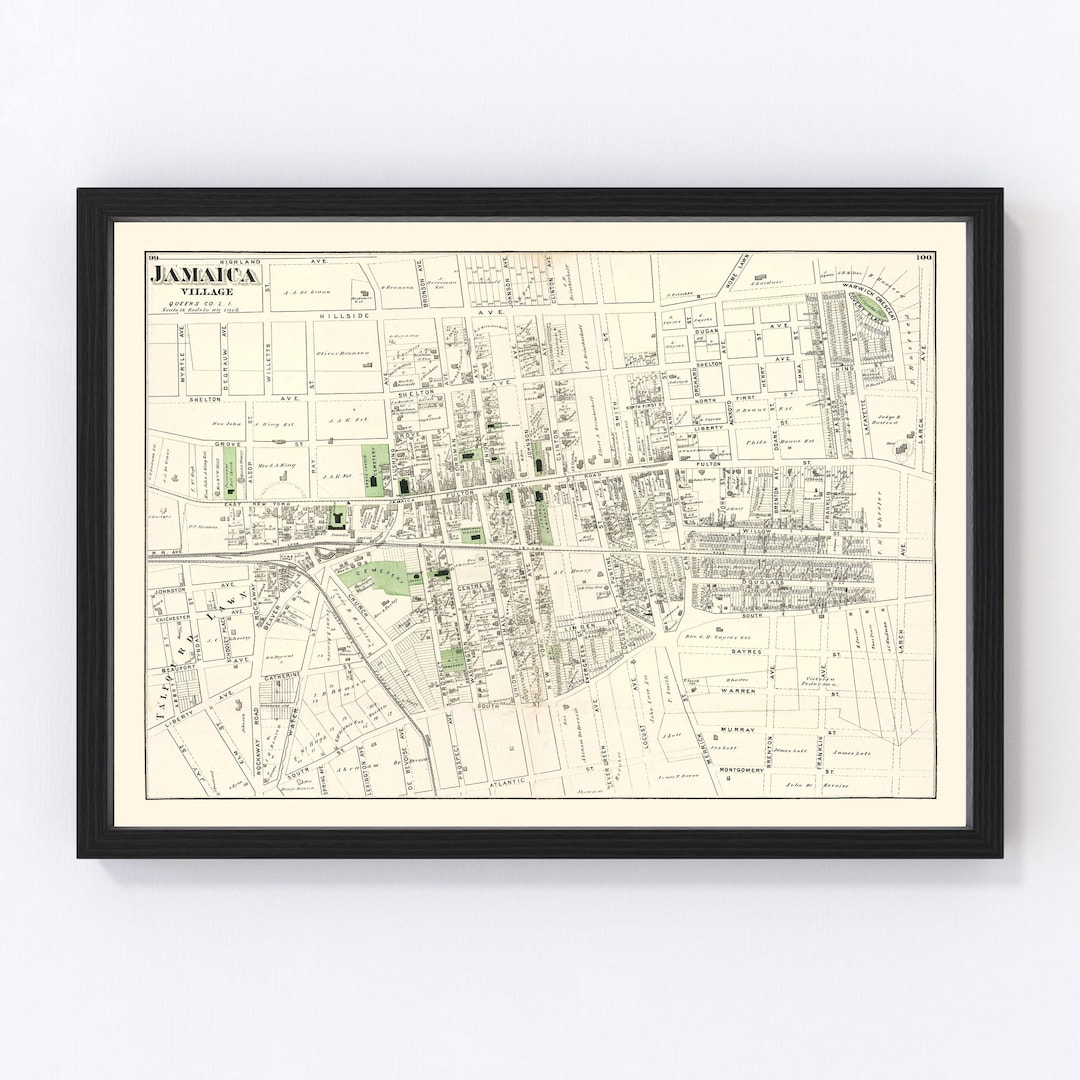
South Jamaica, Queens, is a neighborhood characterized by a complex history of middle-class aspirations and systemic economic neglect. During the late 1970s and 1980s, the era of Jackson’s childhood, the area became an epicenter for the crack cocaine epidemic. This period saw the rise of powerful drug syndicates, most notably the Supreme Team, led by Kenneth "Supreme" McGriff and Gerald "Prince" Miller. These organizations didn't just control the streets; they created a shadow economy that influenced every facet of life in the neighborhood.
Jackson was raised primarily by his grandmother after the death of his mother, Sabrina Jackson, a local drug dealer who died in a mysterious fire when Curtis was only eight years old. Growing up in a household on 161st Street, he was surrounded by the direct consequences of the illicit trade. By the age of 12, he had entered the drug trade himself, operating under the pseudonym "50 Cent," a name he adopted from Kelvin Martin, a 1980s Brooklyn robber known for his fearlessness. To Jackson, the name symbolized a "change" or a new era of hustle.
The environmental factors of South Jamaica—limited economic mobility, the pervasive presence of law enforcement, and the constant threat of violence—honed a specific psychological profile. This "South Jamaica mentality" prioritized strategic foresight and an unsentimental approach to business, traits that would define Jackson's later career.
The Inflection Point: Survival and the Nine Shots
The most pivotal moment in 50 Cent’s life occurred on May 24, 2000, outside his grandmother's house in South Jamaica. While sitting in a car, an assailant fired nine shots at close range with a 9mm handgun. Jackson was hit in the hand, arm, hip, both legs, chest, and left cheek. The shooting was widely believed to be a retaliatory strike connected to his lyrical content, specifically the underground hit "Ghetto Qu’ran," which detailed the history of South Jamaica’s drug kingpins.
This event transformed Jackson from a promising rapper into a living legend of the streets. While Columbia Records dropped him following the incident, the survival of nine shots became the foundational mythos of his career. It verified his "street credibility" in a way that marketing dollars never could. The physical recovery process, which took months, also changed his vocal delivery; a fragment of a bullet remained lodged in his tongue, resulting in the distinctive, slightly slurred, melodic flow that would dominate the charts for the next decade.
Scaling the South Jamaica Sound: The G-Unit Era
When 50 Cent eventually signed a landmark $1 million deal with Eminem’s Shady Records and Dr. Dre’s Aftermath Entertainment in 2002, he didn't leave South Jamaica behind. Instead, he exported it. He formed G-Unit (Guerilla Unit) with his childhood friends Lloyd Banks and Tony Yayo, both of whom were also products of the same South Jamaica environment.
Their debut studio album, Get Rich or Die Tryin' (2003), served as a sonic map of the neighborhood. Tracks like "Many Men (Wish Death)" and "What Up Gangsta" provided a visceral, first-person account of the violence and paranoia inherent in the Queens drug trade. By bringing his neighborhood peers with him, Jackson ensured that the G-Unit brand felt authentic rather than manufactured. This collective approach echoed the structure of the organizations he saw growing up—a centralized leader supported by a loyal, localized inner circle.
The commercial success was unprecedented. Get Rich or Die Tryin' sold over 800,000 copies in its first week. For the residents of South Jamaica, Jackson’s success represented a rare exit strategy. He wasn't just a rapper; he was a proof of concept that the skills learned on the corners of Queens could be translated into legitimate, massive wealth.
From the Streets to the Boardroom: The Mogul Blueprint
One of the most significant aspects of the "50 Cent" story is the transition from a street-level dealer to a corporate strategist. Jackson famously leveraged his "bad boy" image to secure a minority stake in Glacéau, the parent company of Vitamin Water. He wasn't just a spokesperson; he helped develop a flavor, "Formula 50," and negotiated an equity deal. When Coca-Cola acquired Glacéau in 2007 for $4.1 billion, Jackson’s take was estimated at $100 million.
This move was a masterclass in diversification. Jackson understood that the shelf life of a hardcore rapper is often short, but the shelf life of a brand is indefinite. He applied the same ruthless logic to his entertainment ventures. Through G-Unit Film & Television, he executive produced the hit series Power on the Starz network. The show, which ran for six seasons and spawned multiple spin-offs, was heavily influenced by the dynamics of the South Jamaica drug trade. By fictionalizing his past, he created a recurring revenue stream that extended his cultural relevance well into the 2020s.
Comparative Evolution: 50 Cent’s Career Phases
| Period | Primary Focus | South Jamaica Connection | Economic Outcome |
|---|---|---|---|
| 1987–1996 | Street Hustle | Active involvement in the drug trade on 161st St. | Survival and seed money for demo tapes. |
| 1997–2000 | Underground Rap | Lyrical documentation of local kingpins (Ghetto Qu'ran). | Shot 9 times; dropped by Columbia Records. |
| 2002–2005 | Global Stardom | Founding G-Unit with local Queens childhood friends. | Multi-platinum sales; $1M Shady/Aftermath deal. |
| 2007–2015 | Business Diversification | Applying "hustler" logic to Vitamin Water and SMS. | ~$100M Vitamin Water payout; brand expansion. |
| 2016–2026 | Media Moguldom | Producing Power and BMF based on urban narratives. | Dominance in cable TV; long-term licensing deals. |
Philanthropy and the G-Unity Foundation
Despite his often-combative public persona, Jackson has maintained a philanthropic connection to his roots. In 2003, he established the G-Unity Foundation, which provides grants to non-profit organizations focused on improving the quality of life for low-income and underserved communities. Much of this work has been directed toward the boroughs of New York, including Queens.
The foundation emphasizes urban gardening, academic achievement, and youth development. By 2026, these initiatives have evolved into more tech-focused programs, helping local youth in South Jamaica gain access to coding and digital media production training. Jackson’s approach to charity mirrors his approach to business: it is practical, results-oriented, and focused on providing the tools for self-sufficiency.
The Cultural Significance of South Jamaica in Hip-Hop History
South Jamaica holds a unique position in hip-hop history, distinct from the Bronx (the birthplace) or Brooklyn (the home of Biggie Smalls). Queens rap, particularly from South Jamaica and the nearby Queensbridge Houses, has always been characterized by a certain "noir" quality—darker, more cynical, and heavily focused on the mechanics of the underworld.
50 Cent remains the ultimate ambassador of this aesthetic. He refined the "Queens sound" into something that could be consumed by a global audience without losing its grit. His rivalry with other New York rappers, such as Ja Rule (also from Queens), often centered on who was more "authentic" to the neighborhood's harsh realities. Jackson ultimately won the narrative war because he could point to the scars and the police reports that backed up his claims.
Key Takeaways for Aspiring Entrepreneurs
The trajectory of Curtis Jackson offers several lessons that transcend the music industry:
- Iterative Branding: He transitioned from Curtis to 50 Cent to a corporate mogul, rebranding himself while keeping the "core" story intact.
- Risk Management: After being blackballed by the industry in 2000, he bypassed traditional labels through the mixtape circuit, creating a direct-to-consumer model before it was a tech buzzword.
- Equity over Fees: The Vitamin Water deal proved that owning a piece of the company is far more lucrative than a one-time endorsement fee.
- Storytelling as Asset: He turned his life experiences into intellectual property, monetizing his history through music, books, and television.
Frequently Asked Questions
Where exactly in South Jamaica did 50 Cent grow up?
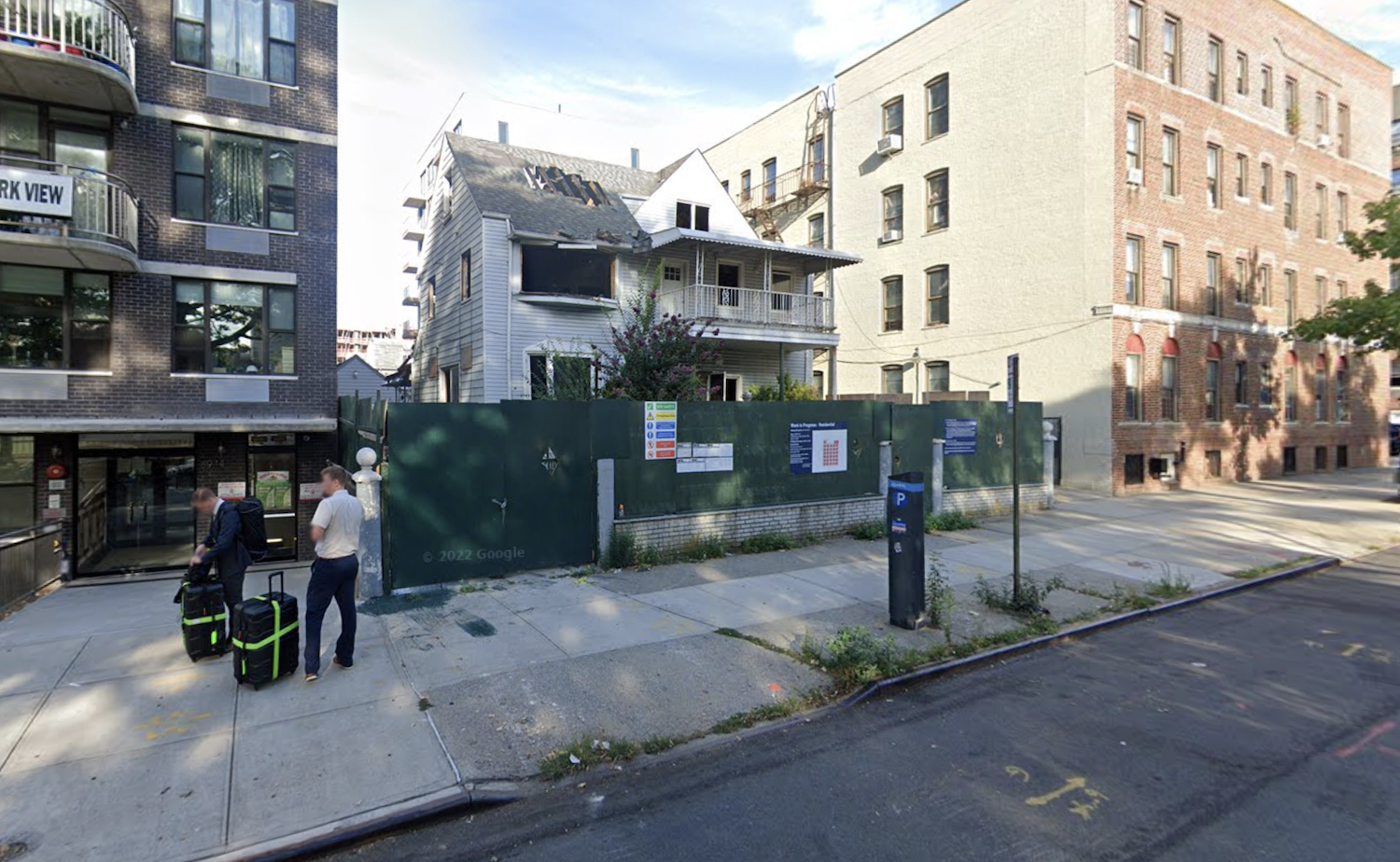
He was raised primarily in a house on 161st Street, near Guy R. Brewer Boulevard. This area remains a touchstone for his fans and is frequently mentioned in his lyrics as the place where he was shot and where he learned to hustle.
Is South Jamaica, Queens, still dangerous in 2026?
Like much of New York City, South Jamaica has seen significant shifts in crime rates and demographics since the 1980s. While it still faces challenges related to poverty and occasional violence, it has benefited from community initiatives and economic development. However, the legendary reputation of the "South Side" remains a part of its cultural identity.
What was the Ghetto Qu’ran controversy?
"Ghetto Qu’ran" was a song recorded by 50 Cent in 2000 that named specific figures in the South Jamaica drug trade, including members of the Supreme Team. Many in the neighborhood viewed this as a violation of the "street code," and it is widely cited as the reason for the attempt on his life.
How did the shooting affect his music career?
Beyond the marketing "myth," the shooting physically changed his voice. The fragment in his tongue and the injury to his jaw created a muffled, deep resonance that made his melodic hooks more catchy and recognizable. It also gave him a "nothing to lose" attitude that resonated with fans.
Does 50 Cent still live in Queens?
While he maintains deep ties to the area through his foundation and family, Jackson moved out of Queens as his wealth grew. He famously owned a massive estate in Farmington, Connecticut (formerly owned by Mike Tyson), and has spent significant time in Houston and Los Angeles for his film and television business.
Final Recommendation
For those looking to understand the intersection of urban geography and modern business, studying 50 Cent’s relationship with South Jamaica is essential. It demonstrates that environment is not necessarily destiny, but it is a powerful set of raw materials. To see the impact firsthand, research the work of the G-Unity Foundation or explore the historical documentation of the Supreme Team's influence on New York during the 1980s. Understanding the "why" behind the neighborhood's history provides the necessary context for the "how" of 50 Cent’s global success.
Image Gallery