The Most Popular Soda in 2017: Market Share, Trends, and Industry Analysis
In 2017, Coca-Cola Classic remained the most popular soda in the United States and globally, maintaining its decades-long lead over competitors. With a commanding market share of approximately 17.8% in the U.S., it significantly outpac...
In 2017, Coca-Cola Classic remained the most popular soda in the United States and globally, maintaining its decades-long lead over competitors. With a commanding market share of approximately 17.8% in the U.S., it significantly outpaced Pepsi-Cola, which held the second-place position during a year defined by major rebranding efforts and a shift toward low-sugar alternatives.
Contents
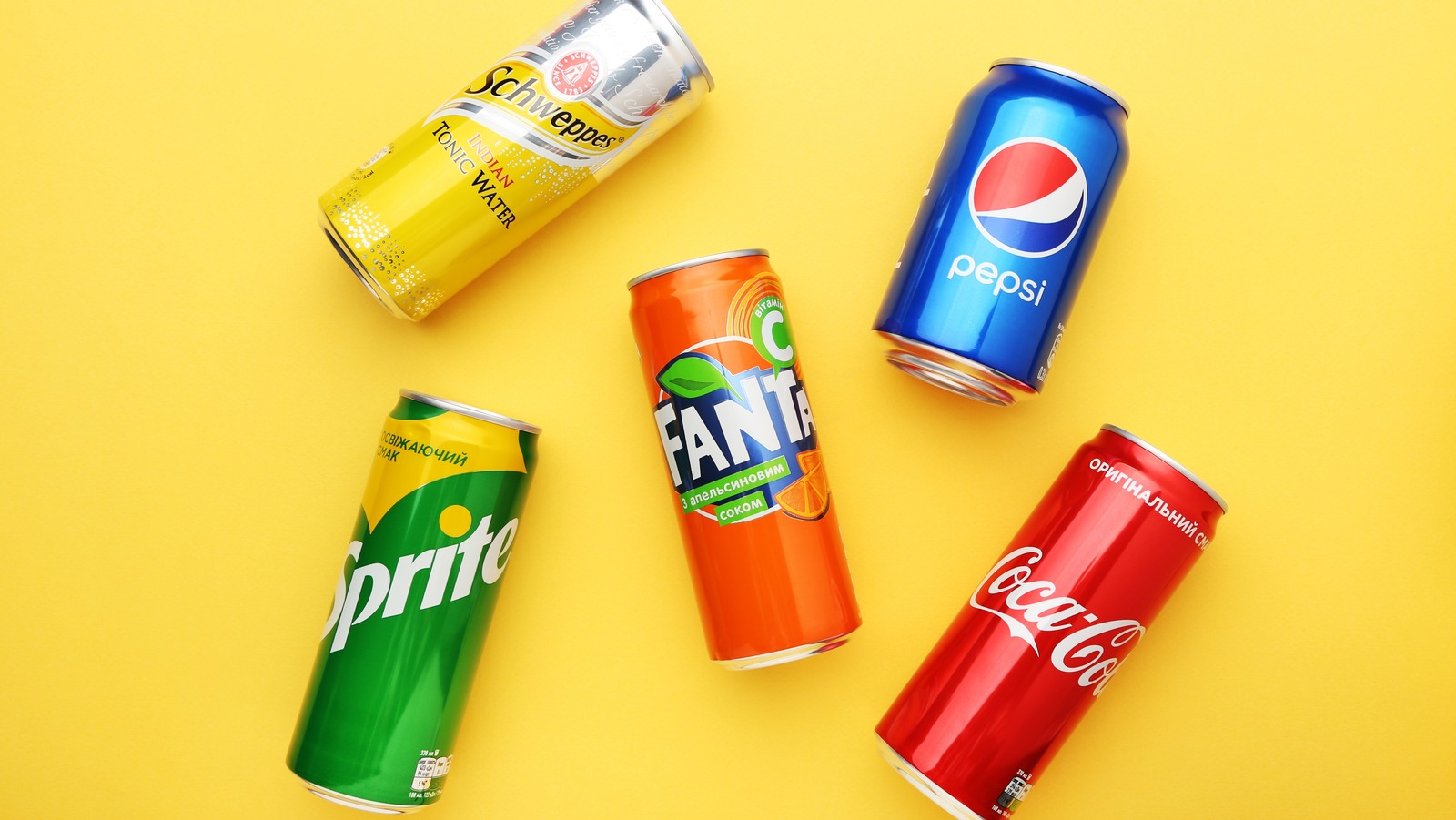
The year 2017 represented a pivotal moment for the carbonated soft drink (CSD) industry. While legacy brands like Coca-Cola and Pepsi continued to dominate the sales charts, the beverage landscape was undergoing a structural transformation. Consumers were increasingly gravitating toward healthier options, forcing the "Big Three"—Coca-Cola Co., PepsiCo, and Dr Pepper Snapple Group—to innovate their portfolios. This year was marked by the high-profile transition of Coke Zero to Coca-Cola Zero Sugar and the continued rise of sparkling water brands like LaCroix, which challenged the supremacy of traditional sugary sodas.
The Dominance of Coca-Cola Classic in 2017
Coca-Cola Classic’s status as the top-selling soda in 2017 was supported by its massive distribution network and its "Share a Coke" marketing campaign, which continued to drive consumer engagement through personalized packaging. According to data from Beverage Digest, a leading industry trade publication, Coca-Cola managed to maintain its lead despite a general decline in the volume of full-calorie soda consumption across North America.
The success of Coca-Cola Classic in 2017 was not merely a matter of habit; it was the result of aggressive price management and packaging strategies. The company focused heavily on "mini cans" and smaller glass bottles. These smaller formats allowed the company to increase its price per ounce while appealing to health-conscious consumers who wanted portion control. This strategy helped offset the slight decline in total volume, ensuring that Coca-Cola remained the revenue leader in the soda category.
The Rivalry: Coca-Cola vs. Pepsi-Cola
The perennial "Cola Wars" continued in 2017, but the gap between the two leaders remained stable. Pepsi-Cola held the number two spot with roughly 8.4% of the market share. While Pepsi remained a powerhouse, its parent company, PepsiCo, had begun diversifying more aggressively into snacks (Frito-Lay) and non-carbonated beverages (Gatorade, Tropicana, and Aquafina) to mitigate the risks associated with declining soda consumption.
In 2017, Pepsi attempted to regain cultural relevance through various celebrity-led campaigns, though some met with significant public relations challenges. Despite these hurdles, Pepsi’s flagship soda remained a staple in the American diet, particularly in the food service sector through exclusive partnerships with major restaurant chains.
Top 10 Carbonated Soft Drinks of 2017 by Market Share
The following table outlines the performance of the leading soda brands in the United States during 2017. This data reflects market share by volume, illustrating the hierarchy of consumer preference during that period.
| Rank | Brand | Parent Company | Estimated Market Share (US) |
|---|---|---|---|
| 1 | Coca-Cola Classic | The Coca-Cola Company | 17.8% |
| 2 | Pepsi-Cola | PepsiCo | 8.4% |
| 3 | Diet Coke | The Coca-Cola Company | 7.7% |
| 4 | Mountain Dew | PepsiCo | 6.4% |
| 5 | Sprite | The Coca-Cola Company | 5.4% |
| 6 | Dr Pepper | Dr Pepper Snapple Group | 5.2% |
| 7 | Diet Pepsi | PepsiCo | 3.5% |
| 8 | Coca-Cola Zero Sugar | The Coca-Cola Company | 3.2% |
| 9 | Fanta | The Coca-Cola Company | 2.2% |
| 10 | Diet Mountain Dew | PepsiCo | 1.9% |
Note: Market share percentages are approximate and based on industry reporting from Beverage Digest and Statista for the 2017 calendar year.
The 2017 Rebranding: From Coke Zero to Coca-Cola Zero Sugar
One of the most significant events in the soda industry in 2017 was The Coca-Cola Company’s decision to retire "Coke Zero" in the United States and replace it with "Coca-Cola Zero Sugar." This move was designed to make it explicitly clear to consumers that the beverage contained no sugar, addressing a common point of confusion among health-conscious shoppers.
The transition, which occurred in August 2017, involved a new recipe intended to taste more like the original Coca-Cola Classic. The rebranding was a calculated risk, as Coke Zero already had a loyal following. However, the move proved successful; by the end of 2017, Coca-Cola Zero Sugar saw a significant uptick in sales, contributing to the overall growth of the company’s "no-sugar" portfolio. This shift signaled the industry's broader movement away from the "Diet" label, which was increasingly seen as dated by millennial and Gen Z consumers.
The Decline of Diet Soda and the Rise of "Healthier" Fizz
While Diet Coke remained the third most popular soda in 2017, it faced a challenging year. For the better part of a decade, diet sodas had been losing favor due to consumer concerns regarding artificial sweeteners like aspartame. In 2017, Diet Coke's volume continued to slide, prompting the company to prepare for a major brand overhaul that would eventually launch in early 2018 (featuring new flavors like Ginger Lime and Twisted Mango).
Simultaneously, the industry saw the explosive growth of the sparkling water category. Brands like LaCroix and PepsiCo’s Bubly (which was in development in 2017) began capturing the "ritual of the can"—the desire for a carbonated, cold beverage without the sugar or artificial ingredients of traditional soda. This trend forced soda giants to rethink their "water" strategies, leading to increased investment in brands like Topo Chico, which Coca-Cola acquired in 2017 for approximately $220 million.
External Pressures: Soda Taxes and Regulation
2017 was a landmark year for regulatory intervention in the soda market. Several major U.S. cities, including Philadelphia, San Francisco, and Oakland, implemented "soda taxes" or sweetened beverage taxes. These taxes were designed to reduce consumption of high-calorie drinks to combat obesity and diabetes while generating municipal revenue.
The impact of these taxes was immediate. In Philadelphia, soda prices in some grocery stores nearly doubled, leading to a significant drop in volume sales within city limits. The American Beverage Association (ABA) fought these measures vigorously, but the legislative trend contributed to the overall 1.3% decline in total CSD volume in the U.S. that year. This regulatory environment forced companies to pivot even faster toward low-calorie and smaller-format products.
Regional Variations in Soda Popularity
While Coca-Cola dominated globally, regional preferences in 2017 showed interesting deviations. In the United Kingdom, the "Sugar Tax" (announced in 2016 and implemented in 2018) was already influencing recipes; many brands began reducing sugar content ahead of the deadline. In certain parts of the Southern United States, Dr Pepper maintained a much higher market share than its national average, often rivaling Pepsi for the number two spot in specific territories.
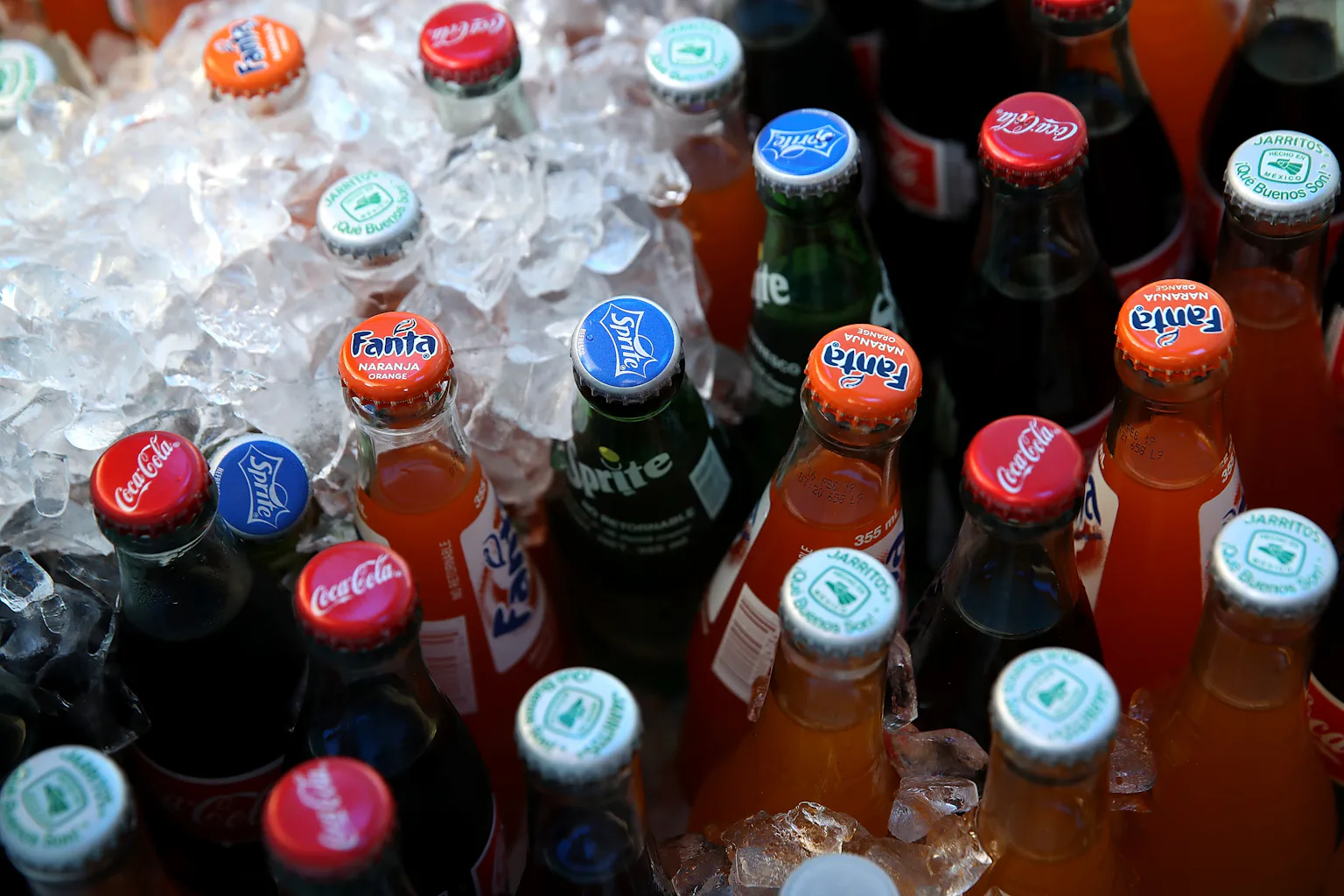
In Latin America, particularly Mexico, soda consumption remained among the highest in the world per capita. Coca-Cola's presence in Mexico was so integrated into the culture that it remained the dominant beverage despite the country’s own excise tax on sugar-sweetened beverages. Meanwhile, in Asian markets, there was a growing preference for tea-based ready-to-drink (RTD) beverages and "clear" sodas with fruit infusions, reflecting a different path toward health-conscious consumption.
Marketing Strategies That Defined 2017
The most popular sodas achieved their status through massive marketing spends. In 2017, the focus shifted from traditional television commercials to digital-first social media campaigns.
- Personalization: The "Share a Coke" campaign was expanded in 2017 to include more names, last names, and even song lyrics. This kept the brand relevant in the age of Instagram and Snapchat.
- Influencer Partnerships: PepsiCo leaned heavily into sports and music icons to maintain its "cool" factor, despite the shifting sentiment toward sugary drinks.
- Transparency: Brands began focusing their marketing on "ingredient stories." Even if the product was a soda, companies highlighted the use of "real cane sugar" (in variants like Mexican Coke or Pepsi Real Sugar) to appeal to consumers wary of high-fructose corn syrup.
FAQ: Understanding the 2017 Soda Market
Was Diet Coke or Pepsi more popular in 2017?
In 2017, Pepsi-Cola held a slightly higher market share (approx. 8.4%) than Diet Coke (approx. 7.7%). While Diet Coke had previously surpassed Pepsi for the number two spot around 2010, Pepsi reclaimed its position in 2014 and held it through 2017.
Why did Coca-Cola change Coke Zero in 2017?
The company rebranded Coke Zero to Coca-Cola Zero Sugar to clarify to consumers that the drink contained no sugar and no calories. The change also included a recipe tweak to more closely mimic the flavor profile of Coca-Cola Classic, aiming to attract drinkers who found the original Coke Zero taste lacking.
What was the fastest-growing beverage category in 2017?
While not a "soda" in the traditional sense, sparkling water was the fastest-growing segment of the carbonated beverage market in 2017. Brands like LaCroix saw double-digit growth as consumers looked for unsweetened alternatives to soda.
How did soda taxes affect popularity in 2017?
Soda taxes didn't necessarily change which brand was most popular, but they did change how people bought them. Consumers in taxed jurisdictions often switched to larger "bulk" purchases outside of city limits or transitioned to untaxed beverages like bottled water and unsweetened tea.
Did any new soda brands enter the top 10 in 2017?
The top 10 remained relatively stable in 2017, dominated by legacy brands from the big three manufacturers. However, "craft" sodas and niche brands using natural sweeteners (like Stevia) gained significant shelf space in premium grocery retailers like Whole Foods.
Final Recommendations for Industry Researchers
When analyzing the beverage market of 2017, it is essential to look beyond the "Big Two" (Coke and Pepsi). Researchers should focus on the diversification of portfolios and the rise of the "Zero Sugar" nomenclature. If you are studying consumer trends from this era, the most critical takeaway is the decoupling of "carbonation" from "sugar." Consumers in 2017 still wanted the sensory experience of a fizzy drink, but they were increasingly unwilling to accept the caloric load associated with traditional sodas.
For those interested in historical market data, consulting the 2017 archives of Beverage Digest or Euromonitor International provides the most granular view of regional volume and value shares. Understanding the 2017 shift is vital for predicting how the current 2026 market—now dominated by functional beverages and even more diverse low-sugar options—evolved from its sugary roots.
Image Gallery