How Mail Order Fulfillment Services Work: A Comprehensive Operational Guide
Mail order fulfillment services function as the logistical backbone for e-commerce businesses by managing the receipt, storage, packing, and shipping of products to end consumers. When a customer places an order, the fulfillment provid...
Mail order fulfillment services function as the logistical backbone for e-commerce businesses by managing the receipt, storage, packing, and shipping of products to end consumers. When a customer places an order, the fulfillment provider automatically receives the data, retrieves the inventory from storage, prepares the package for transit, and hands it off to a carrier, effectively outsourcing the entire post-purchase supply chain.
Contents
The Core Fulfillment Lifecycle
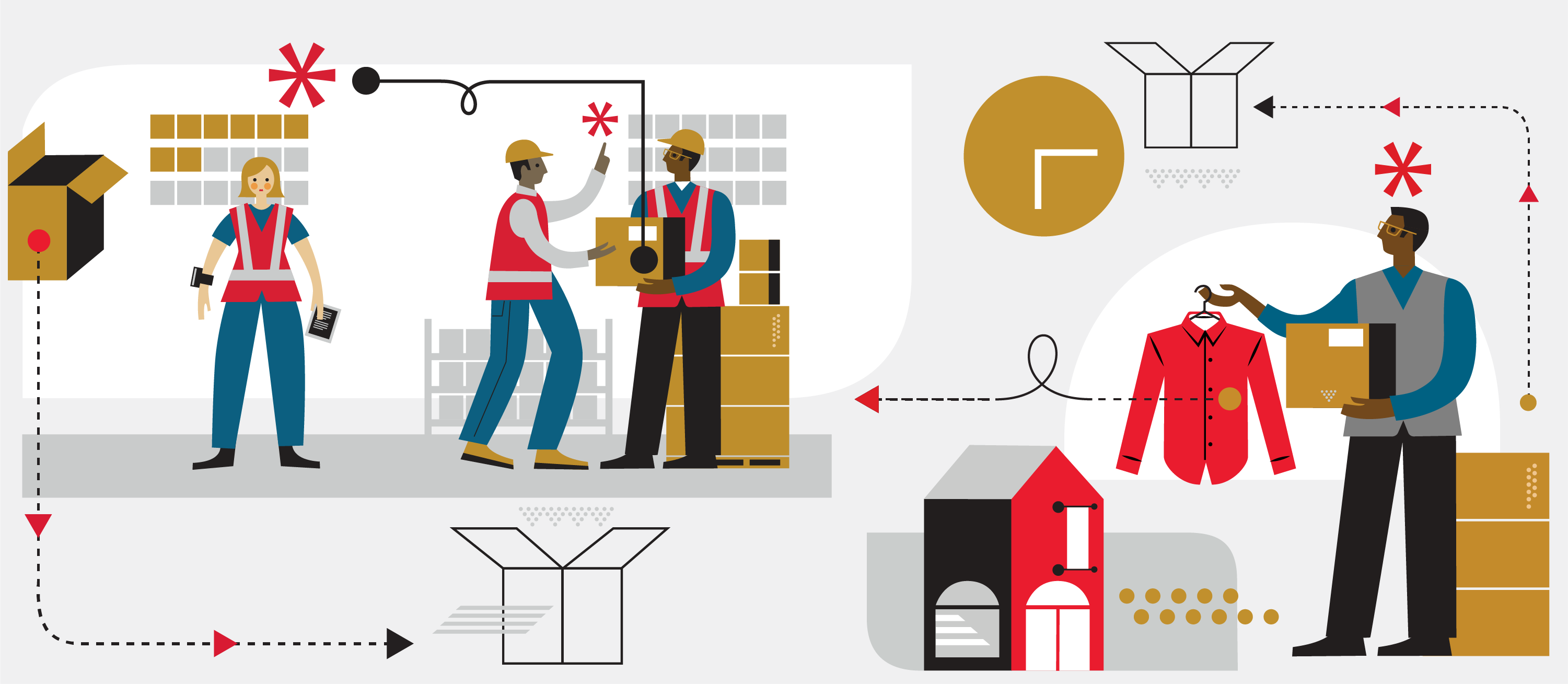
The fulfillment process is a synchronized sequence of events designed to move goods from a warehouse shelf to a customer's doorstep with minimal friction. Understanding these stages allows business owners to identify where bottlenecks occur and how to optimize their logistics.
- Inventory Receipt and Inbound Logistics: Before a service can fulfill an order, it must possess the goods. This involves shipping bulk inventory from a manufacturer or supplier to the fulfillment center (FC). The provider inspects the goods, reconciles them against a manifest, and logs them into their Warehouse Management System (WMS).
- Strategic Storage: Inventory is organized based on velocity (how fast it sells). High-turnover items are placed near packing stations to reduce travel time, while slow-moving items are stored in deeper, more dense racking systems.
- Order Integration: Modern fulfillment centers connect directly to a merchant’s digital storefront (such as Shopify, Amazon, or WooCommerce) via API integrations. When an order is placed, the WMS automatically pulls the order details, bypassing the need for manual data entry.
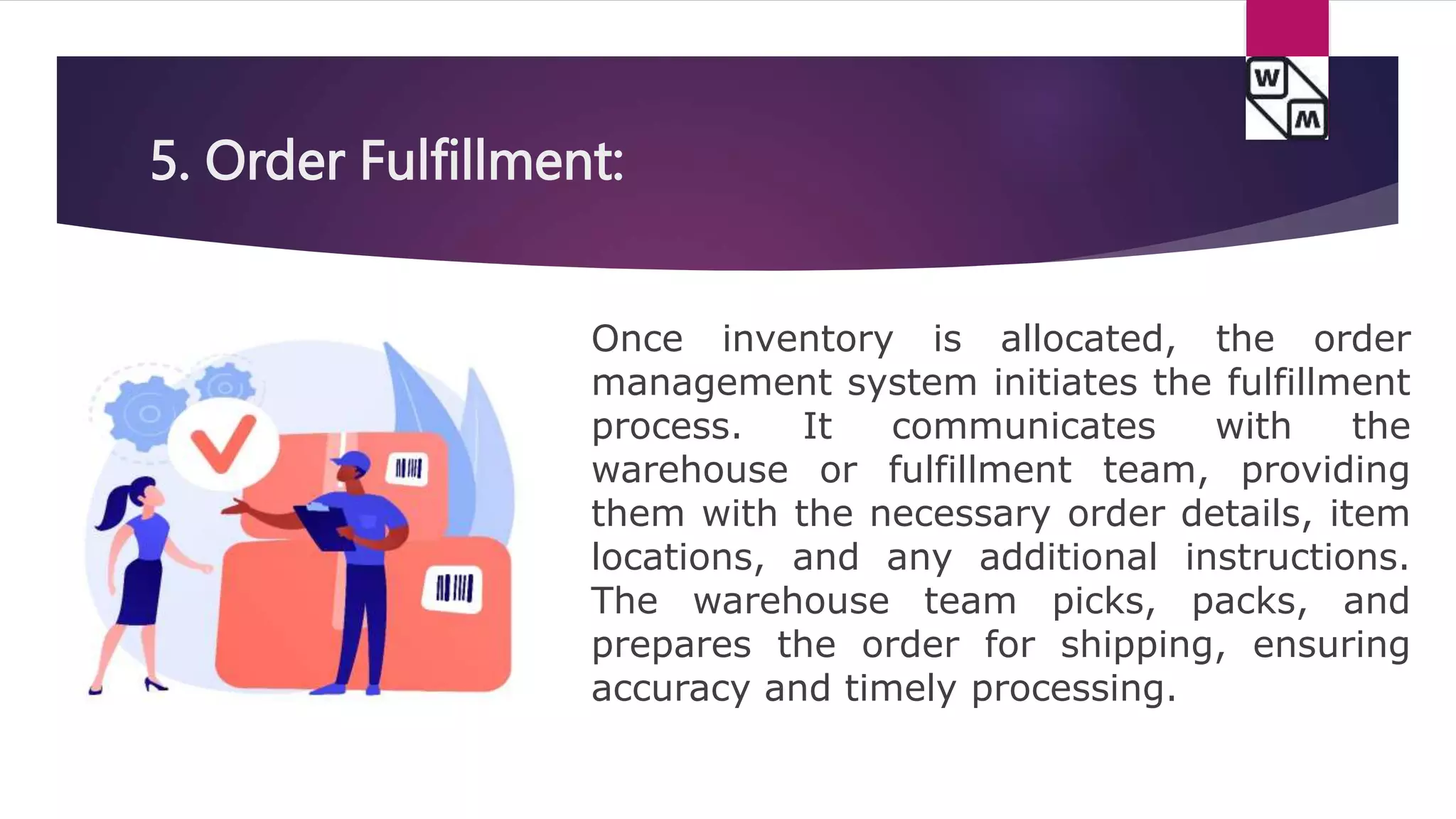
- Picking and Packing: Once an order is live in the system, a "pick list" is generated for warehouse staff. Pickers collect items, and packers ensure they are boxed, labeled with the correct shipping carrier, and prepared for final delivery.
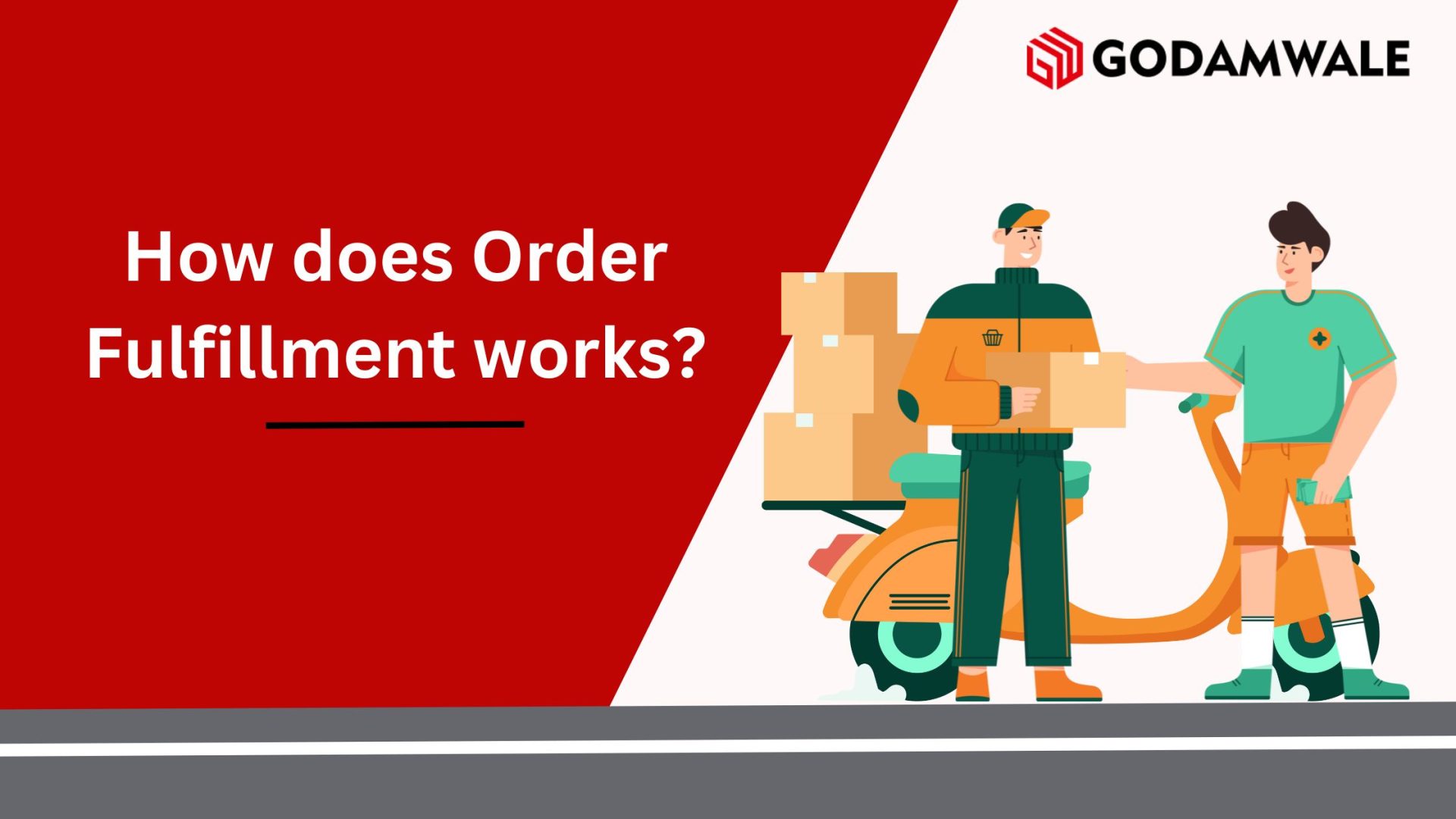
- Last-Mile Shipping: The provider uses pre-negotiated volume discounts to ship the package through major carriers like UPS, FedEx, or regional postal services. Tracking information is automatically pushed back to the merchant’s storefront and the customer.
Prerequisites for Engaging a Fulfillment Provider
Before transitioning from self-fulfillment to an outsourced model, businesses must meet specific operational criteria to ensure the partnership is viable and cost-effective.
- Standardized Product Identification: Every item must be labeled with a unique SKU (Stock Keeping Unit) and, in many cases, a barcode (UPC or EAN). Without standardized labeling, the provider cannot accurately track inventory levels.
- Volume Requirements: Most professional 3PL (Third-Party Logistics) providers maintain minimum monthly order volumes. While some specialized companies cater to startups, established providers often require a baseline of 100 to 500 orders per month to justify the administrative overhead of account management.
- Digital Infrastructure: Your online store must be compatible with the provider’s software. Ensure your e-commerce platform supports the integration protocols required by the provider, such as REST APIs or standard EDI (Electronic Data Interchange) formats.
- Packaging Compliance: You must provide clear guidelines regarding brand-specific collateral, such as branded boxes, inserts, or personalized thank-you notes, to maintain your brand experience during the unboxing process.
Understanding the Cost Structure
Fulfillment pricing is rarely a flat fee. It is a composite of several recurring costs that scale with your sales volume. As of 2026, most industry providers structure their billing around the following line items:
| Fee Category | Description | Typical Basis |
|---|---|---|
| Inbound Fees | Receiving and processing incoming shipments from manufacturers. | Per hour or per pallet. |
| Storage Fees | The cost of occupying space within the warehouse. | Per cubic foot or per bin. |
| Pick & Pack Fees | The labor cost of retrieving and boxing the items for an order. | Per order or per item. |
| Shipping Fees | Actual postage and handling charged by the carrier. | Based on weight, zone, and carrier. |
| Account Fees | Fixed costs for software access or account management. | Monthly flat fee. |
Technical Considerations: Warehouse Management Systems (WMS)
The WMS is the "brain" of the operation. It provides real-time visibility into stock levels, prevents overselling, and manages returns. When evaluating a service provider, focus on their WMS capabilities. A robust system should offer:
- Inventory Synchronization: Ensuring the stock count on your website never deviates from the actual stock count in the warehouse.
- Lot and Batch Tracking: Critical for businesses dealing with perishable goods or electronics, allowing for "First-Expiring, First-Out" (FEFO) inventory management.
- Automated Reporting: Providing the data necessary to forecast future inventory needs, identifying which products are "dead stock" and which require immediate replenishment.
Common Operational Challenges and Troubleshooting
Even the most efficient fulfillment partnerships encounter friction. Recognizing these issues early can prevent them from impacting your customer satisfaction ratings.
Inventory Discrepancies: If your website shows items as "in stock" but the warehouse reports they are missing, your WMS integration may be lagging or your SKU labeling may be inconsistent. Conduct a full physical cycle count annually to reconcile data.
Shipping Delays: High-volume seasons, such as the year-end holiday rush, can strain even the most professional logistics networks. Always work with providers that have secondary carrier options. If one carrier experiences a regional outage, a capable 3PL will pivot to an alternative service to ensure delivery deadlines are met.
Return Management (Reverse Logistics): Returns are often the most complex part of the fulfillment cycle. Ensure your provider has a clearly defined SOP (Standard Operating Procedure) for returns, including inspection, refurbishment, restocking, or disposal of damaged goods. Without a plan, returned inventory often ends up in a "lost" pile, eroding your profit margins.
Selecting the Right Partner
The selection process should involve more than just a pricing comparison. Evaluate providers based on their geographic location relative to your customer base. If the majority of your customers are on the East Coast of the United States, utilizing an FC based in the Midwest or the East Coast significantly reduces transit times and shipping zones, thereby lowering your shipping costs.
Before committing, request a sample "onboarding" document. This will show you exactly how they handle new inventory and how they communicate during the integration phase. A provider that lacks a structured onboarding process is likely to experience high error rates during the initial transition period.
Frequently Asked Questions
What is the difference between 3PL and 4PL? A 3PL (Third-Party Logistics provider) focuses on the physical movement and storage of goods. A 4PL (Fourth-Party Logistics provider) acts as a single point of contact that manages multiple 3PLs and the entire supply chain strategy on behalf of the business, often serving larger, more complex international enterprises.
How do fulfillment services handle international shipping? Many fulfillment services have global footprints. They handle customs documentation, duties, and taxes (DDP - Delivered Duty Paid) to ensure that international shipments arrive without being held up at customs or surprising the customer with unexpected fees upon delivery.
Can I use multiple fulfillment centers at once? Yes, this is known as "distributed inventory." By holding stock in multiple locations, you can reduce shipping distances for a broader range of customers, which speeds up delivery times and reduces the "zone" costs charged by carriers.
How are returns handled? Most providers receive returned packages, inspect them for damage based on your criteria, and update your inventory system. Some providers offer value-added services like cleaning or repacking items to make them "sellable" again, while others will simply flag them as "unsellable" for your review.
Are fulfillment services legally responsible for lost packages? Most contracts specify liability limits. Providers generally carry insurance to cover inventory in their care, but you should always verify the limits of their liability versus the retail value of your inventory. In many cases, it is prudent to purchase additional cargo insurance.
Moving Forward
Transitioning to a mail order fulfillment service is a milestone that marks the scalability of your business. To initiate this process, audit your current average monthly order volume and your geographic shipping patterns. Use these metrics to request quotes from at least three providers. Ensure that your chosen partner’s technology stack integrates seamlessly with your existing platform, and prioritize providers that offer transparent, itemized billing structures to avoid hidden overhead.
Image Gallery