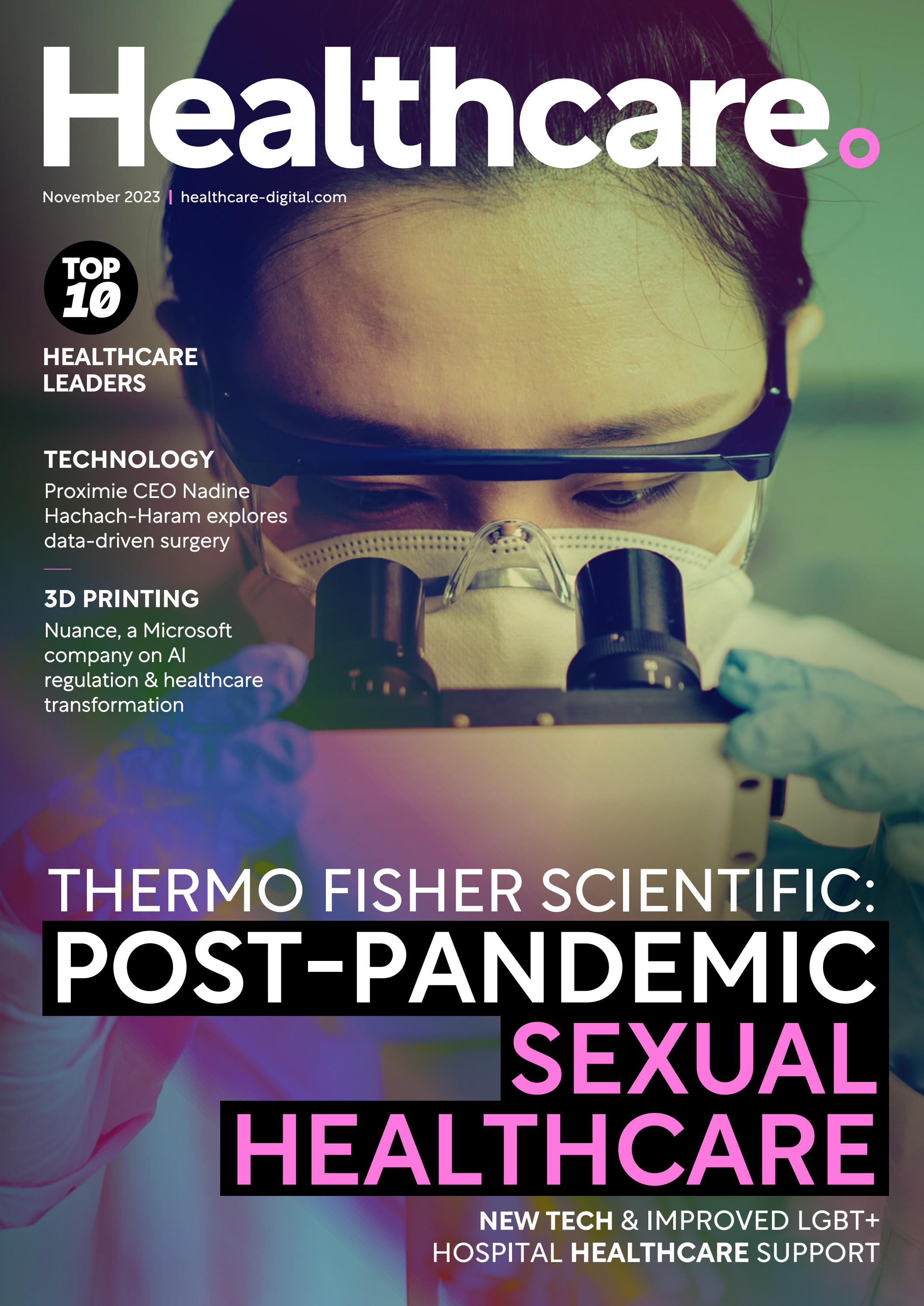
Comprehensive Guide to Top Healthcare Magazines and Industry Publications
Healthcare magazines serve as vital information channels bridging complex medical science, health system leadership, clinical practice management, and consumer wellness. Whether you are a healthcare executive evaluating health IT integ...
Healthcare magazines serve as vital information channels bridging complex medical science, health system leadership, clinical practice management, and consumer wellness. Whether you are a healthcare executive evaluating health IT integration, a clinician keeping pace with clinical guidelines, or a consumer seeking evidence-based wellness advice, selecting the appropriate publication ensures access to vetted, timely, and actionable insights.
Contents
Understanding the Landscape of Healthcare Magazines
The healthcare publishing industry covers a broad spectrum of audiences, technical depths, and publishing models. Disambiguating these media types is essential for selecting reading material, planning advertising budgets, or submitting editorial contributions.
| PROFESSIONAL & B2B MEDIA | CONSUMER HEALTH MEDIA |
|---|---|
| - Executive & Health System Trade- Health IT & Digital Health- Practice Management & Finance- Clinical & Policy Journals | - Evidence-Based Health Letters- General Wellness & Fitness Magazines- Patient Advocacy & Condition Media |
1. Healthcare Executive and Administrative Trade Journals
Designed for health system leaders, C-suite executives, hospital administrators, and policymakers, executive trade publications focus on healthcare business models, regulatory updates, value-based care initiatives, workforce strategies, and health technology implementation. These publications prioritize market analysis, institutional case studies, policy commentary, and operational benchmarking over basic clinical research.
2. Clinical and Practice Management Periodicals
Targeting practicing physicians, advanced practice providers (APPs), nurse managers, and medical group administrators, practice-focused magazines translate medical developments and regulatory mandates into day-to-day operational guidance. Content frequently covers medical billing updates, compliance regulations, risk management, EHR workflow optimization, and clinical news summaries.
3. Consumer Health and Patient-Centric Magazines
Consumer-facing health magazines present complex medical concepts in accessible language for general readers, patients, and caregivers. These publications range from institutional, evidence-backed newsletters published by academic medical centers to broader lifestyle and wellness periodicals covering nutrition, preventive care, mental health, and physical fitness.
Core Evaluation Criteria: How to Select the Right Publication
Evaluating healthcare publications requires examining editorial independence, contributor expertise, transparency, and distribution format.
Editorial Authority and Peer-Review Rigor
For clinical decision-making and health policy design, readers should verify whether a publication relies on peer review or institutional editorial boards. High-integrity healthcare magazines maintain strict division between editorial content and sponsored media, clearly labeling advertorials, commercial disclosures, and industry sponsorships.
Target Audience Alignment and Technical Depth
- Executive & Strategic: High-level policy analysis, healthcare economics, cross-system mergers, supply chain resilience, and digital transformation.
- Clinical & Operational: Specialty-specific clinical developments, coding updates, malpractice prevention, and patient communication protocols.
- Consumer & Wellness: Preventive lifestyle adjustments, disease prevention summaries, drug interaction overviews, and patient self-advocacy guidance.
Access Models and Subscription Structures
Healthcare publications operate under four primary distribution models:
- Controlled Circulation (Qualified Free): Distributed free of charge to verified industry professionals (e.g., hospital administrators, licensed physicians) who meet specific credential requirements set by the publisher.
- Institutional Open Access: Digitally accessible without paywalls, funded by academic institutions, professional societies, or author processing charges (APCs).
- Paid Subscription / Membership Access: Restricted to paying subscribers or active members of professional associations (such as the American College of Healthcare Executives or the American Medical Association).
- Commercial Retail / Paid Digital: Mass-market consumer magazines available through paid digital newsstands, direct subscriptions, or print retail outlets.
Leading Healthcare Magazines Across Major Categories
Premier B2B and Healthcare Leadership Magazines
Modern Healthcare
Modern Healthcare is a primary trade publication for health system executives, institutional leaders, and healthcare policy analysts. It provides coverage of healthcare business news, mergers and acquisitions, federal legislation, regulatory enforcement, and executive leadership trends. Its annual rankings—including the 100 Most Influential People in Healthcare—are widely referenced benchmarks within health system management.
Healthcare Executive
Published by the American College of Healthcare Executives (ACHE), Healthcare Executive provides strategic guidance for healthcare leaders. Content focuses on executive leadership development, health equity initiatives, hospital operational resilience, workforce retention strategies, and financial management across inpatient and outpatient care settings.
Health Affairs
While structured primarily as a peer-reviewed health policy journal, Health Affairs functions as a strategic media platform for national healthcare policy debate. It offers analysis of Medicare and Medicaid reform, pharmaceutical pricing models, value-based reimbursement, and population health economics, making it essential reading for healthcare strategists, government officials, and policy researchers.
Healthcare IT News
Operating under the umbrella of HIMSS (Healthcare Information and Management Systems Society), Healthcare IT News covers health technology, enterprise software, cybersecurity, electronic health record (EHR) interoperability, artificial intelligence in diagnostics, and cloud infrastructure within health systems.
Premier Practice Management and Clinical Summaries
Medical Economics
Medical Economics focuses on the business, financial, and operational realities of running private medical practices and ambulatory care clinics. Key topics include medical billing, coding transitions, payer contract negotiations, practice automation tools, and regulatory compliance under federal programs like MIPS (Merit-based Incentive Payment System).
Contemporary OB/GYN and Patient Care Periodicals
Specialty-specific clinical magazines synthesize peer-reviewed medical literature into actionable point-of-care guidance. Publications such as Contemporary OB/GYN, Psychiatric Times, and Pharmacy Times provide specialty practitioners with drug updates, clinical case evaluations, and conference highlights in condensed formats.
Premier Consumer and Preventive Health Magazines
Harvard Health Letter
Published by Harvard Medical School, the Harvard Health Letter offers evidence-based medical information for non-specialist readers. It avoids commercial bias and unverified health claims, focusing on preventive medicine, cardiovascular health, cognitive aging, and diagnostic overviews reviewed by faculty physicians.
Prevention
Prevention is a consumer-focused periodical covering personal wellness, nutrition, active living, stress management, and general health maintenance. It presents medical news, lifestyle guidance, and preventive care tips for a general readership.
Comparative Overview of Top Healthcare Magazines
| Publication Name | Primary Target Audience | Primary Focus Areas | Access Model | Editorial Model |
|---|---|---|---|---|
| Modern Healthcare | Health system C-Suite, administrators | Healthcare business, policy, M&A, regulatory compliance | Paid Subscription / Controlled | Journalist-driven trade media |
| Health Affairs | Policymakers, health economists, executives | Health policy, payment reform, population health | Paid / Institutional Access | Peer-reviewed policy journal |
| Healthcare IT News | CIOs, CTOs, Health IT specialists | Digital health, AI, EHRs, cybersecurity, health data | Open Digital / Controlled | Industry trade journalism |
| Medical Economics | Independent physicians, practice managers | Practice finance, billing/coding, regulatory compliance | Qualified Free / Paid | Practitioner & trade media |
| Harvard Health Letter | Patients, health-conscious consumers | Evidence-based wellness, disease prevention, therapeutics | Paid Subscription | Academic physician board |
| Healthcare Executive | Hospital leaders, ACHE members | Institutional management, workforce leadership | Membership / Paid | Professional society publication |
Navigating Subscriptions, Editorial Submissions, and Media Verification
How to Qualify for Controlled Circulation Subscriptions
Many high-value professional healthcare magazines offer free digital or print subscriptions to verified working professionals. To qualify:
- Navigate to the publisher’s subscription portal and select "Qualified Professional Subscription."
- Provide current professional details, including National Provider Identifier (NPI) number, job title, organizational facility type, and purchasing authority.
- Re-verify employment status annually upon request to maintain active subscription status.
Submitting Articles and Op-Eds to Healthcare Media
Healthcare executives, clinical leaders, and technology developers frequently contribute thought leadership to B2B healthcare magazines. To maximize publication likelihood:
- Review Contributor Guidelines: Align pitch themes with the magazine’s editorial calendar, which is often published late in the preceding year.
- Focus on Case Studies over Promotion: Editors reject promotional press releases. Focus pitches on measurable operational outcomes, implemented workflows, compliance strategies, or patient care metrics.
- Ensure Disclosures: Disclose potential conflicts of interest, corporate affiliations, and funding sources during initial pitch submission.
Spotting Predatory and Low-Quality Health Media
With the proliferation of digital publishing, evaluating source credibility is essential. Use the following checklist to verify credibility:
- Credible Media Check
- Editorial Transparency: Are staff editors and medical reviewers explicitly named?
- Commercial Separation: Is sponsored content distinctly labeled from independent reporting?
- Citation Quality: Are claims linked directly to peer-reviewed research or official data?
- Correction Policy: Does the publication publish formal corrections when errors occur?
Avoid platforms that publish unverified medical claims, lack transparent authorship details, or blend commercial advertising seamlessly into clinical guidance without clear disclosure labels. Additional guidance on health literacy and evaluating health information is available through the U.S. National Library of Medicine.
Frequently Asked Questions
What is the difference between a medical journal and a healthcare magazine?
A medical journal (such as The New England Journal of Medicine or JAMA) publishes primary, peer-reviewed scientific research articles, clinical trials, and systematic reviews written by researchers. A healthcare magazine focuses on industry news, operational strategy, policy updates, practice management, or translated health summaries written by journalists, healthcare professionals, or executive contributors.
How do healthcare executives keep up with industry trends?
Executives typically rely on a mix of trade publications (Modern Healthcare, Healthcare Executive), peer-reviewed policy journals (Health Affairs), specialty health IT portals (Healthcare IT News), and industry association briefings to monitor regulatory changes, market shifts, and technology adoption.
Are consumer health magazines reliable sources for medical advice?
Consumer health magazines vary in quality. Publications affiliated with academic medical centers or those that enforce strict medical board review processes offer reliable, evidence-based health guidance. However, consumer magazines should complement, not replace, personalized evaluation by a licensed healthcare provider.
How can clinical practitioners publish articles in healthcare trade magazines?
Practitioners can submit op-eds, clinical opinion pieces, or operational case studies by reviewing the publication’s author guidelines, identifying the appropriate section editor, and submitting a pitch focusing on real-world clinical solutions or practice management strategies.
Can non-clinicians subscribe to professional healthcare trade magazines?
Yes. While controlled circulation models require proof of industry role to receive free issues, most professional trade magazines offer paid digital or print subscriptions to non-qualifying readers, researchers, consultants, and students.
Strategic Recommendations for Readers and Professionals
To optimize your media consumption in the healthcare sector:
- Define Your Primary Objective: Select publications based on whether you need policy analysis (Health Affairs), business operations updates (Modern Healthcare), digital transformation strategies (Healthcare IT News), or patient wellness insights (Harvard Health Letter).
- Audit Credibility Periodically: Rely on media platforms that transparently identify authors, maintain clear boundaries between advertising and journalism, and link directly to peer-reviewed data.
- Leverage Controlled Subscriptions: If you are a healthcare professional, administrator, or IT leader, complete qualification forms to access premier trade media at no charge.
Image Gallery