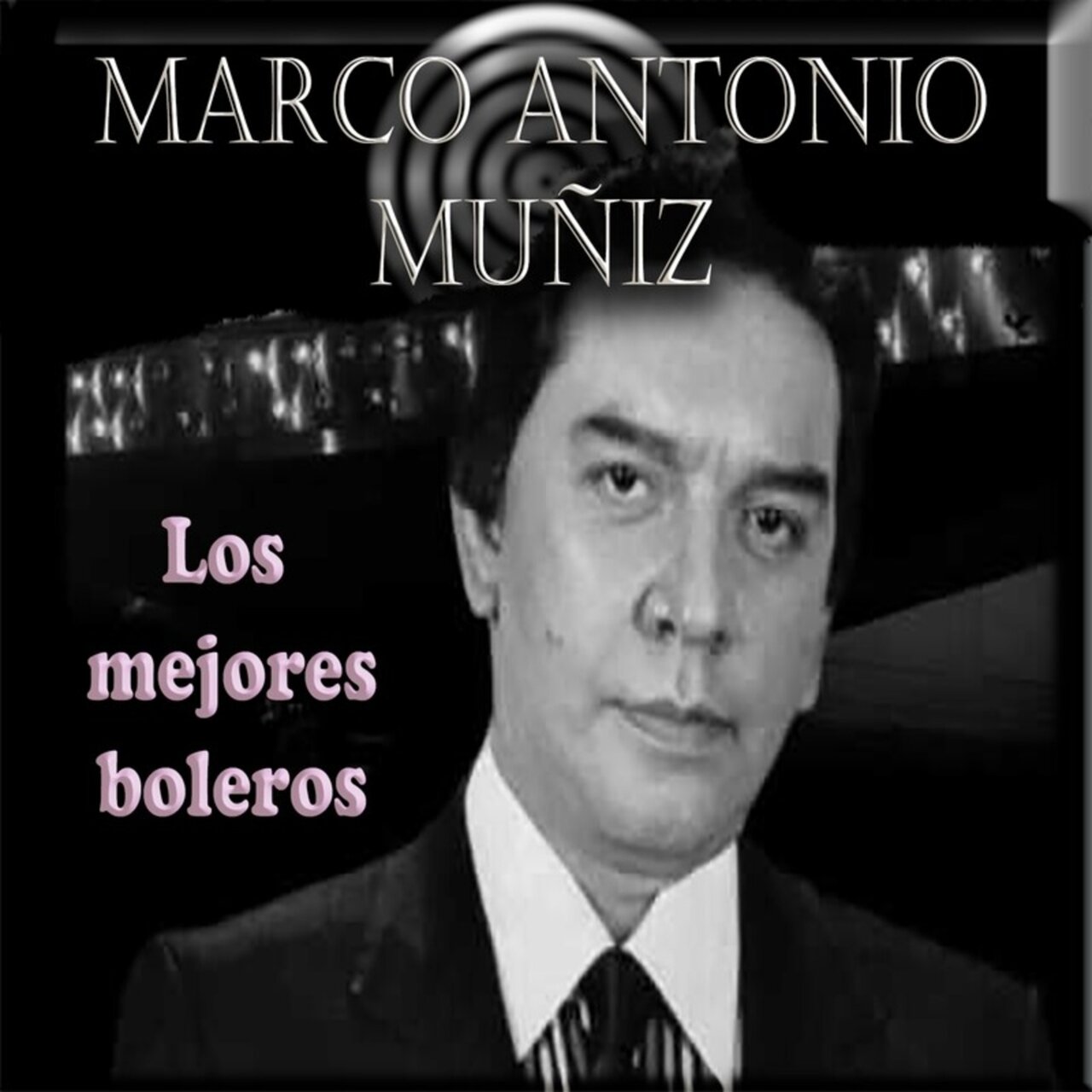
Marco Antonio Muñiz Net Worth 2026: The Financial Legacy of El Lujo de México
As of 2026, the estimated net worth of Marco Antonio Muñiz is between $10 million and $15 million. This valuation reflects a career spanning over seven decades as a cornerstone of the Latin American bolero genre, significant earnings f...
As of 2026, the estimated net worth of Marco Antonio Muñiz is between $10 million and $15 million. This valuation reflects a career spanning over seven decades as a cornerstone of the Latin American bolero genre, significant earnings from international tours, film appearances, and a robust catalog of recording royalties that continue to generate income in the digital era.
Contents
Understanding the Identity: Disambiguating the Muñiz Name
Before analyzing the financial specifics of Marco Antonio Muñiz, it is vital to resolve a common point of confusion in the entertainment industry. The subject of this analysis is the legendary Mexican singer known globally as "El Lujo de México" (The Luxury of Mexico), born in 1933.
He is frequently confused with the Puerto Rican-American salsa superstar Marc Anthony, whose birth name is also Marco Antonio Muñiz. Marc Anthony was actually named after the elder Mexican singer by his parents, who were fans of the bolero legend. While Marc Anthony’s net worth in 2026 is significantly higher due to contemporary global pop touring and massive business ventures, the elder Marco Antonio Muñiz represents a different era of wealth accumulation—one built on the "Golden Age" of Mexican music, long-term residency shows, and high-prestige international diplomatic performances.
The Foundations of Wealth: Los Tres Ases and the Early Years
The financial journey of Marco Antonio Muñiz began in the early 1950s. Unlike many modern artists who find fame through social media, Muñiz’s wealth was built through the rigorous circuit of live performance and physical record sales.
The Trio Era (1953–1959)
As a founding member of Los Tres Ases, Muñiz entered the music industry during a period of high demand for romantic trios. This era was characterized by:
- Recording Contracts: Under the RCA Victor label, the group produced hits like "La Enramada" and "Mi Último Fracaso." While recording contracts in the 1950s were notoriously lean regarding artist percentages, the volume of sales provided a steady baseline of income.
- Nightclub Circuits: Much of his early capital was generated through performances in elite venues in Mexico City, Havana, and San Juan. During the 1950s, these venues paid premium rates for top-tier vocal talent.
Transition to Solo Performance
In 1959, Muñiz made the strategic decision to go solo. This move was the primary driver of his long-term net worth. As a solo act, he no longer had to split performance fees or recording royalties with group members. By the early 1960s, he had established himself as a premier solo artist, allowing him to command higher fees for appearances and retain a larger share of the profits.
The Peak Earning Years: 1960s through 1990s
The bulk of Marco Antonio Muñiz’s estate was solidified during his peak years as an international balladeer. His financial success during this period can be categorized into three main streams: international touring, exclusive recording deals, and high-profile residencies.
International Touring and "The Puerto Rico Connection"
Muñiz holds a unique financial distinction as one of the few Mexican artists to be adopted as a national treasure in Puerto Rico. For decades, his annual concerts in San Juan were guaranteed sell-outs.
- Market Penetration: By diversifying his market beyond Mexico, he protected his income from the volatility of the Mexican Peso.
- Ticket Premiums: As "El Lujo de México," Muñiz was marketed as a high-class, sophisticated act. This allowed his management to set ticket prices at a premium, targeting an affluent demographic that valued traditional boleros over emerging pop trends.
Recording Royalties and the RCA Catalog
During his career, Muñiz recorded over 80 albums. In the traditional music business model, these recordings provided "mailbox money"—ongoing royalty payments. While the transition from vinyl to CD and eventually to streaming changed the payout structures, the sheer volume of his work ensured that he remained a top earner for the Sociedad de Autores y Compositores de México (SACM).
Revenue from Film and Television
While primarily known as a singer, Marco Antonio Muñiz’s net worth was further bolstered by his work in the Mexican film industry (Cine de Oro and its aftermath).
- Acting Roles: He appeared in several films, often playing roles that allowed him to perform his musical hits. These roles provided both immediate appearance fees and long-term residuals.
- Variety Show Appearances: In the 1970s and 80s, television variety shows in Mexico and the United States (via Univision precursors) paid significant sums for "legend" appearances. Muñiz was a frequent guest on shows like Siempre en Domingo, which served as a massive marketing engine for his concert tours.
The Business of the "Lujo" Brand
The moniker "El Lujo de México" was not just a nickname; it was a brand strategy. By positioning himself as a luxury item, Muñiz was able to secure corporate sponsorships and private performance contracts that were unavailable to more "common" artists.
| Income Category | Primary Source | Estimated Impact on Net Worth |
|---|---|---|
| Live Performances | Decades of international tours and residencies | High (60% of lifetime wealth) |
| Music Royalties | Over 80 albums and 500+ recorded songs | Medium (20% of lifetime wealth) |
| Film & TV | Residuals and acting fees from the 60s-80s | Low (10% of lifetime wealth) |
| Real Estate/Private | Strategic investments in Mexico City and beyond | Medium (10% of lifetime wealth) |
Net Worth Management in 2026
In 2026, as a retired elder statesman of music, Marco Antonio Muñiz’s net worth is characterized by asset preservation rather than active accumulation. His financial status is sustained through:
Digital Streaming and Catalog Sales
With the resurgence of vintage boleros among younger "retro" audiences, Muñiz’s catalog on platforms like Spotify and Apple Music continues to generate revenue. While streaming pays fractions of a cent per play, a catalog of his size generates hundreds of thousands of dollars annually in passive income across global markets.
The Muñiz Dynasty
Wealth in the Muñiz family is also reflected in the success of his children, most notably Jorge "Coque" Muñiz. The family has managed their collective image and assets carefully, avoiding the public financial scandals that have plagued other Latin American music dynasties. This stability has allowed the elder Muñiz to maintain his estate without the need for "comeback" tours or the liquidation of assets.
Real Estate Holdings
Like many successful artists of his era, Muñiz invested heavily in Mexican real estate during periods of high economic growth. His properties in Mexico City and other prestigious areas have appreciated significantly over the decades, forming a "hard asset" foundation for his $10 million+ valuation.
Factors Influencing the Final Valuation
Estimating the net worth of a legacy artist like Muñiz involves looking at the "hidden" value of his contributions to the industry. His net worth is not just a bank balance; it is the total value of his intellectual property and his remaining physical assets.
- Inflation Adjustment: Much of his peak earning occurred in the 1970s. When adjusted for inflation to 2026 dollars, his career earnings exceed $50 million, though much of this has been spent on lifestyle, family, and reinvestment over the years.
- Estate Planning: In 2026, it is common for artists of his age to have transferred portions of their wealth into trusts or family-managed corporations to mitigate inheritance taxes in Mexico. This can sometimes make the "public" net worth appear lower than the total family wealth.
Frequently Asked Questions
Is Marco Antonio Muñiz related to Marc Anthony?
No, they are not related by blood. Marc Anthony was born Marco Antonio Muñiz Rivera; his parents named him after the legendary Mexican singer because they were fans of his music. The elder Mexican singer has often expressed his pride in Marc Anthony’s success, despite the occasional confusion between their names.
How does his wealth compare to his son, Jorge "Coque" Muñiz?
Jorge "Coque" Muñiz has his own successful career in television and music, with an estimated net worth of approximately $5 million. While the elder Muñiz has a higher total lifetime accumulation, the family operates as a cohesive unit in terms of brand management and legacy.
What are his primary sources of income in 2026?
Currently, his income is almost entirely passive. This includes royalties from his extensive discography, residuals from television and film appearances, and returns on long-term real estate investments. He retired from active touring several years ago.
Did Marco Antonio Muñiz lose his wealth during Mexican economic crises?
While many Mexican citizens were affected by the 1994 peso devaluation, Muñiz’s wealth was largely insulated because a significant portion of his income was generated in U.S. Dollars and other foreign currencies during his international tours in Puerto Rico, Venezuela, and the United States.
How many albums did he record?
Marco Antonio Muñiz recorded more than 80 albums throughout his career, including his work with Los Tres Ases and his prolific solo career. This extensive catalog is the primary engine of his ongoing royalty income.
Final Recommendation for Researchers and Fans
To truly understand the financial footprint of Marco Antonio Muñiz, one must look beyond a single number. His "net worth" is a testament to a time when artists built wealth through vocal mastery and long-term consistency. For those interested in the business of Latin music, Muñiz serves as a case study in how to maintain a "luxury" brand for over half a century. Fans looking to support his legacy in 2026 should focus on official streaming channels and authorized retrospective releases, as these are the primary legal avenues for sustaining the Muñiz estate.
Image Gallery