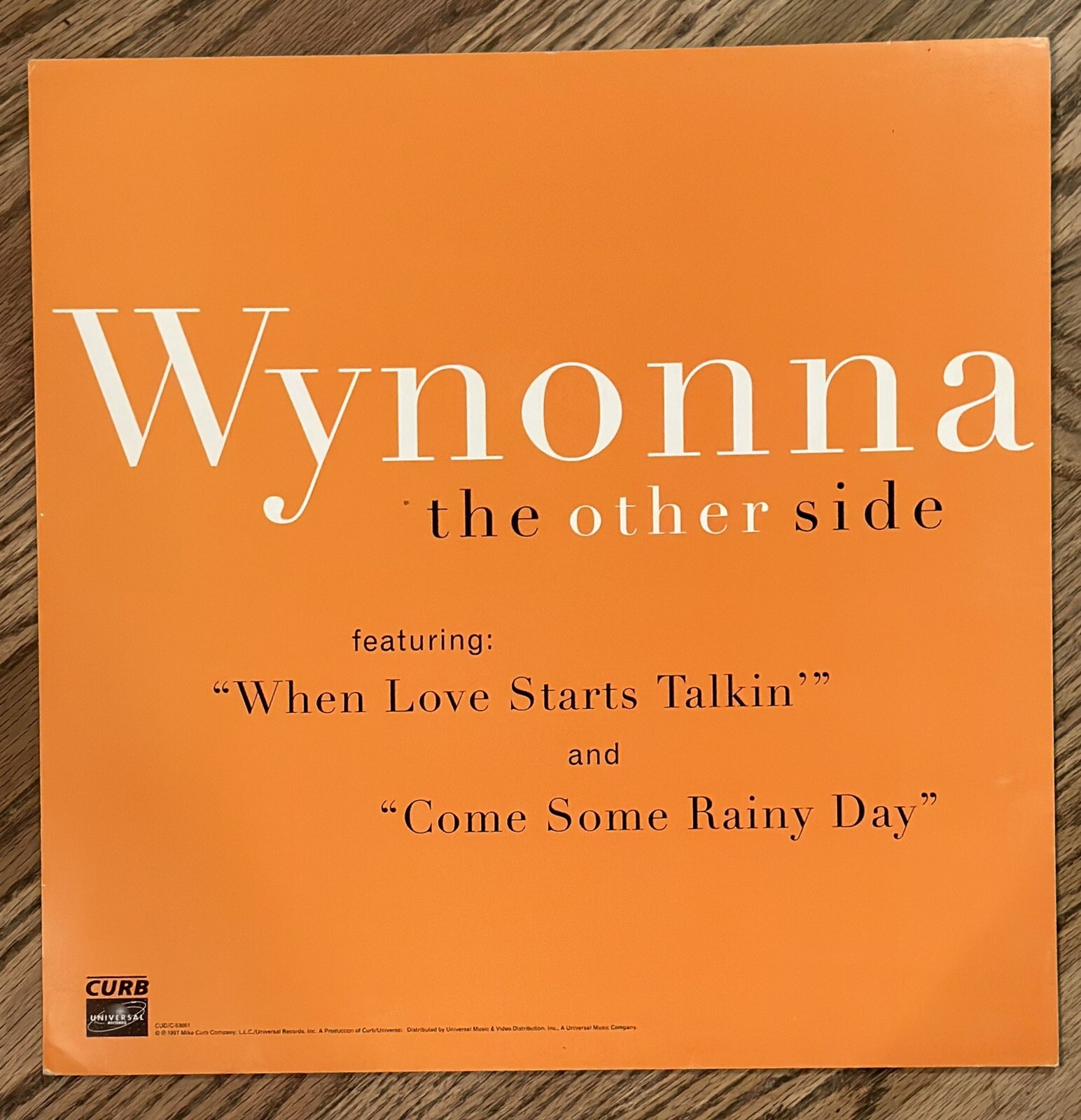
Exploring Wynonna Judd's The Other Side: A Deep Dive into the 1997 Classic
Wynonna Judd’s The Other Side, released on October 21, 1997, is her fourth solo studio album and a pivotal release that showcased her transition from contemporary country toward a grittier, blues-influenced sound. Representing a period...
Wynonna Judd’s The Other Side, released on October 21, 1997, is her fourth solo studio album and a pivotal release that showcased her transition from contemporary country toward a grittier, blues-influenced sound. Representing a period of personal and professional transformation, the album remains a cornerstone of her discography as of 2026, highlighting her powerhouse vocals and artistic independence.
Contents
Historical Context and Career Evolution
By the time The Other Side was released in late 1997, Wynonna Judd (professionally known simply as Wynonna) had already established herself as a titan of country music. After the dissolution of The Judds—one of the most successful duos in music history—due to her mother Naomi’s health struggles, Wynonna launched a solo career that was immediately met with multi-platinum success. Her first two albums, Wynonna (1992) and Tell Me Why (1993), solidified her status as a solo superstar, while 1996's Revelations continued that momentum.
However, the mid-to-late 1990s were a time of significant change in Nashville. The "New Country" explosion led by artists like Shania Twain and Garth Brooks was shifting the genre’s boundaries toward pop and stadium rock. Wynonna, ever the musical chameleon, chose a different path for her fourth outing. Rather than chasing pure pop-country polish, she leaned into the soulful, bluesy, and rock-and-roll influences that had always bubbled beneath the surface of her work.
The Other Side was recorded during a time of personal growth for the artist. She had recently married and was navigating the complexities of motherhood and life in the spotlight. This sense of seeking a "different side" of herself—both as a woman and a musician—is palpable throughout the record's twelve tracks.
Production and Musical Direction
The production of The Other Side was handled primarily by Brent Maher and Don Potter. Maher had been a long-time architect of The Judds' sound, while Potter was instrumental in the acoustic and folk-driven arrangements that defined Wynonna’s early years. Their involvement ensured that while the album pushed into new territory, it maintained the high sonic standards and organic feel that fans expected.
The musical direction of the album is notably more aggressive than her previous work. It features:
- Deep Blues Infusion: Several tracks utilize Hammond B3 organs and slide guitars to create a swampy, soulful atmosphere.
- Rock Sensibilities: The percussion is harder-hitting, moving away from the polite brushes of traditional country toward a more driving backbeat.
- Vocal Versatility: Wynonna utilizes her full range, moving from intimate, breathy whispers in ballads to her signature "growl" in up-tempo numbers.
By recording on the Curb/MCA labels, Wynonna had the backing of major industry power, yet the album feels remarkably personal, often sounding more like a live-in-studio session than a sterilized commercial product.
Track-by-Track Analysis and Key Singles
The album is structured to take the listener on a journey through various moods, starting with high-energy defiance and ending with reflective vulnerability.
"When Love Starts Talkin'"
The lead single, "When Love Starts Talkin'," set the tone for the project. It is a jaunty, blues-rock track that reached the Top 20 on the Billboard Hot Country Songs chart. The song is characterized by its infectious rhythm and Wynonna’s playful vocal delivery. It served as a bridge between her established country fan base and the more eclectic sound she was exploring.
"Always Will"
A mid-tempo track that highlights Wynonna’s ability to handle soulful melodies. "Always Will" is a testament to enduring love, featuring a rich arrangement that includes backing vocals reminiscent of gospel music. It became a staple of her live performances and demonstrated her growth as an interpreter of sophisticated songwriting.
"Come Some Rainy Day"
Perhaps the emotional centerpiece of the album, "Come Some Rainy Day" is a soaring ballad. Written by Billy Kirsch and Bat McGrath, the song deals with resilience and the necessity of enduring hard times to appreciate the good. The vocal performance here is often cited by critics as one of the best of her career, showcasing her control and emotional depth.
"The Other Side"
The title track encapsulates the album's theme of transition. It is a song about moving forward, leaving behind the baggage of the past, and embracing the unknown. In 2026, looking back at her career, this track feels prophetic of the many "other sides" Wynonna would explore in the decades to follow, including her ventures into jazz and electronic music collaborations.
Critical Reception and Commercial Performance
Upon its release, The Other Side received generally positive reviews from critics who praised Wynonna’s willingness to experiment. While some traditionalists missed the simpler melodies of her debut album, many appreciated the maturity and grit of the new material. Rolling Stone and other contemporary music publications noted that Wynonna’s voice remained her greatest asset, capable of elevating even the more standard Nashville tropes.
Commercially, the album was certified Gold by the RIAA in December 1997, less than two months after its release. While it did not reach the multi-platinum heights of her self-titled debut, it performed respectably in a crowded market.
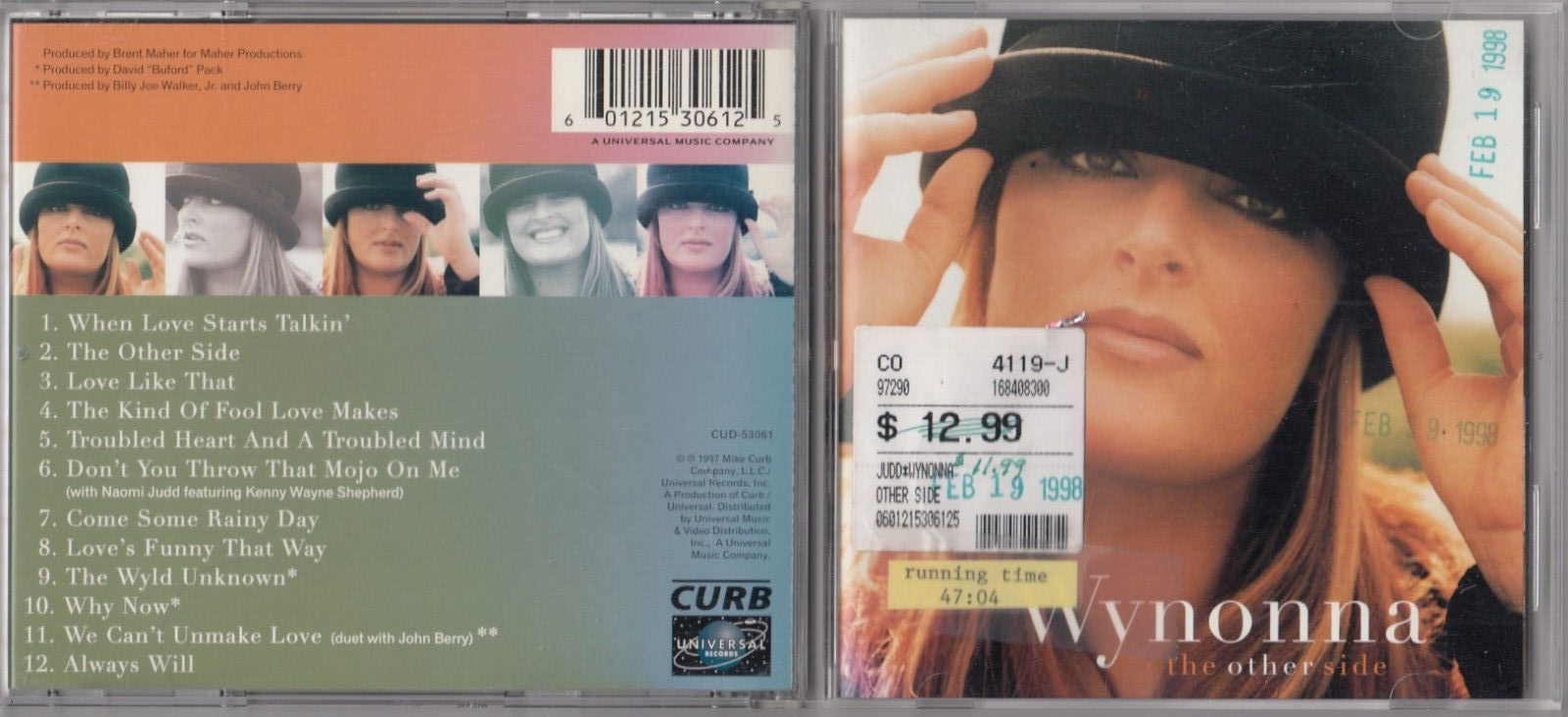
| Track Number | Song Title | Primary Songwriters | Duration | Single Status |
|---|---|---|---|---|
| 1 | When Love Starts Talkin' | Jamie O'Hara, Brent Maher, Gary Nicholson | 3:10 | Released |
| 2 | The Other Side | Jo Dee Messina, etc. (Various) | 4:18 | Album Track |
| 3 | Always Will | Harry Stinson, John Scott Sherrill | 4:51 | Released |
| 4 | We Can't Unmake Love | Aaron Knight, Max T. Barnes | 3:28 | Album Track |
| 5 | Come Some Rainy Day | Billy Kirsch, Bat McGrath | 3:15 | Released |
| 6 | Love Like That | Gary Harrison, Matraca Berg | 3:45 | Album Track |
| 7 | The Wyld Unknown | Cliff Downs, David Pack | 3:41 | Album Track |
| 8 | Why Now | Kostas, Martha McBride | 3:39 | Album Track |
| 9 | Don't You Throw That Mojo on Me | Bart Walker, etc. | 3:23 | Album Track |
| 10 | Troubled Heart and a Troubled Mind | Wynonna, etc. | 4:06 | Album Track |
| 11 | I Can't Wait to Love You | Bill LaBounty, Pat Bunch | 4:11 | Album Track |
| 12 | The Kind of Fool Love Makes | Michael Noble, Michael Smotherman | 3:55 | Album Track |
The Legacy of the Album in 2026
Standing in 2026, nearly three decades since the release of The Other Side, the album holds a special place in the history of 90s country. It represents the "rebel" phase of Wynonna’s solo career, where she dared to prioritize her artistic instincts over safe, radio-friendly formulas.
The album's influence can be heard in the work of modern artists who blend country with Americana and soul. Wynonna’s refusal to be pigeonholed on this record paved the way for future genre-blurring acts. Furthermore, the album's production quality—favoring real instruments and dynamic ranges—has allowed it to age better than many of its contemporaries that relied heavily on the digital production trends of the late 90s.
For collectors and fans, the vinyl reissues and digital remasters available today highlight the clarity of the recording. In retrospect, The Other Side wasn't just a collection of songs; it was a statement of independence from one of the most powerful voices in American music.
Practical Information for Collectors
For those looking to explore this era of Wynonna’s career, the album is widely available across all streaming platforms. However, for the best listening experience, physical media is recommended:
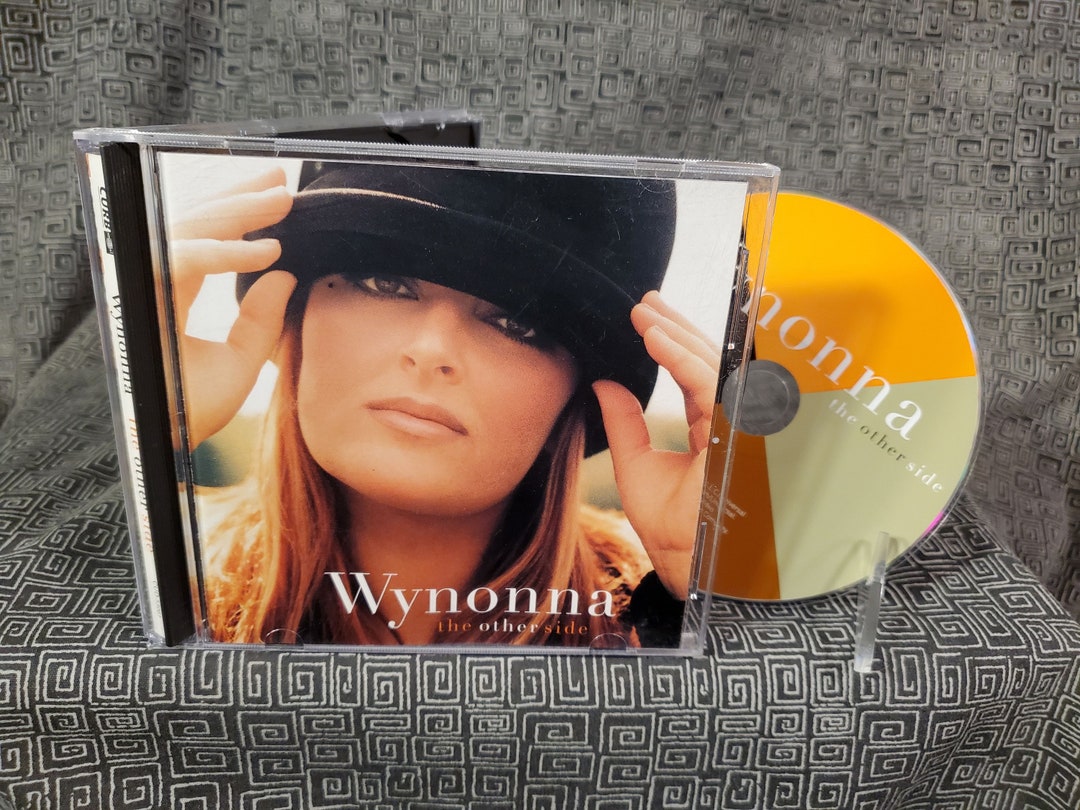
- CD Pressings: The original 1997 CD pressings are plentiful in the secondary market and offer the original mastering.
- Vinyl Availability: While vinyl was less common in 1997, subsequent anniversary reissues have made the album available on LP, often featuring high-fidelity pressings that benefit the album's bass-heavy, bluesy production.
- Digital Quality: High-resolution 24-bit audio versions are available on specialized platforms, providing the best "in-room" feel for her vocal performances.
FAQs about Wynonna Judd's The Other Side
What was the highest-charting single from The Other Side?
The lead single, "When Love Starts Talkin'," was the most successful radio hit from the album, reaching number 13 on the Billboard Hot Country Singles & Tracks chart. While it didn't break into the Top 10, it remained a high-rotation favorite on CMT and country radio throughout 1997 and 1998.
Did Naomi Judd contribute to this album?
No, The Other Side is a strictly solo effort. While Naomi occasionally made guest appearances or provided backing vocals on other projects, this album was focused entirely on Wynonna’s individual artistic identity and her collaboration with producers Brent Maher and Don Potter.
Why is this album considered more "bluesy" than her previous work?
Wynonna has always cited influences like Bonnie Raitt and Aretha Franklin. On The Other Side, she worked with songwriters and musicians who specialized in Southern rock and R&B styles. The use of the slide guitar and the Hammond B3 organ, combined with Wynonna's more aggressive vocal choices, created a "swampier" sound than the polished pop-country of her early solo hits like "No One Else on Earth."
Is there a music video for "Come Some Rainy Day"?
Yes, a music video was produced for "Come Some Rainy Day." It features a more contemplative and visually soft aesthetic compared to the high-energy video for "When Love Starts Talkin'." The video emphasizes the song's themes of emotional endurance and has remained a fan favorite for its artistic cinematography.
Was The Other Side nominated for any major awards?
While the album didn't sweep the major categories at the CMAs or ACMs like her debut did, it was recognized for its vocal excellence. Wynonna received several nominations for Female Vocalist of the Year during this era, and the singles from the album were frequently featured on year-end "best of" lists for country music.
Final Recommendation
For listeners new to Wynonna Judd, The Other Side serves as an essential entry point to understanding her versatility. It is best enjoyed as a complete album rather than a collection of singles. Start with "When Love Starts Talkin'" to appreciate her energy, but stay for "Come Some Rainy Day" and "The Other Side" to understand the depth of her artistry. Whether you are a fan of 90s country or soulful rock-and-roll, this album remains a definitive example of a legendary artist finding her voice in a changing musical landscape.
Image Gallery