Ooma Consumer Reports: Comprehensive VoIP Performance and Value Analysis
Ooma consistently ranks as a top-rated VoIP service in Consumer Reports’ member surveys, primarily due to its high call clarity, ease of use, and significant cost savings over time. By 2026, the Ooma Telo remains a benchmark for reside...
Ooma consistently ranks as a top-rated VoIP service in Consumer Reports’ member surveys, primarily due to its high call clarity, ease of use, and significant cost savings over time. By 2026, the Ooma Telo remains a benchmark for residential internet phone services, offering a reliable and feature-rich alternative to traditional landline providers.
Contents
Understanding Ooma’s Standing in Consumer Reports Surveys
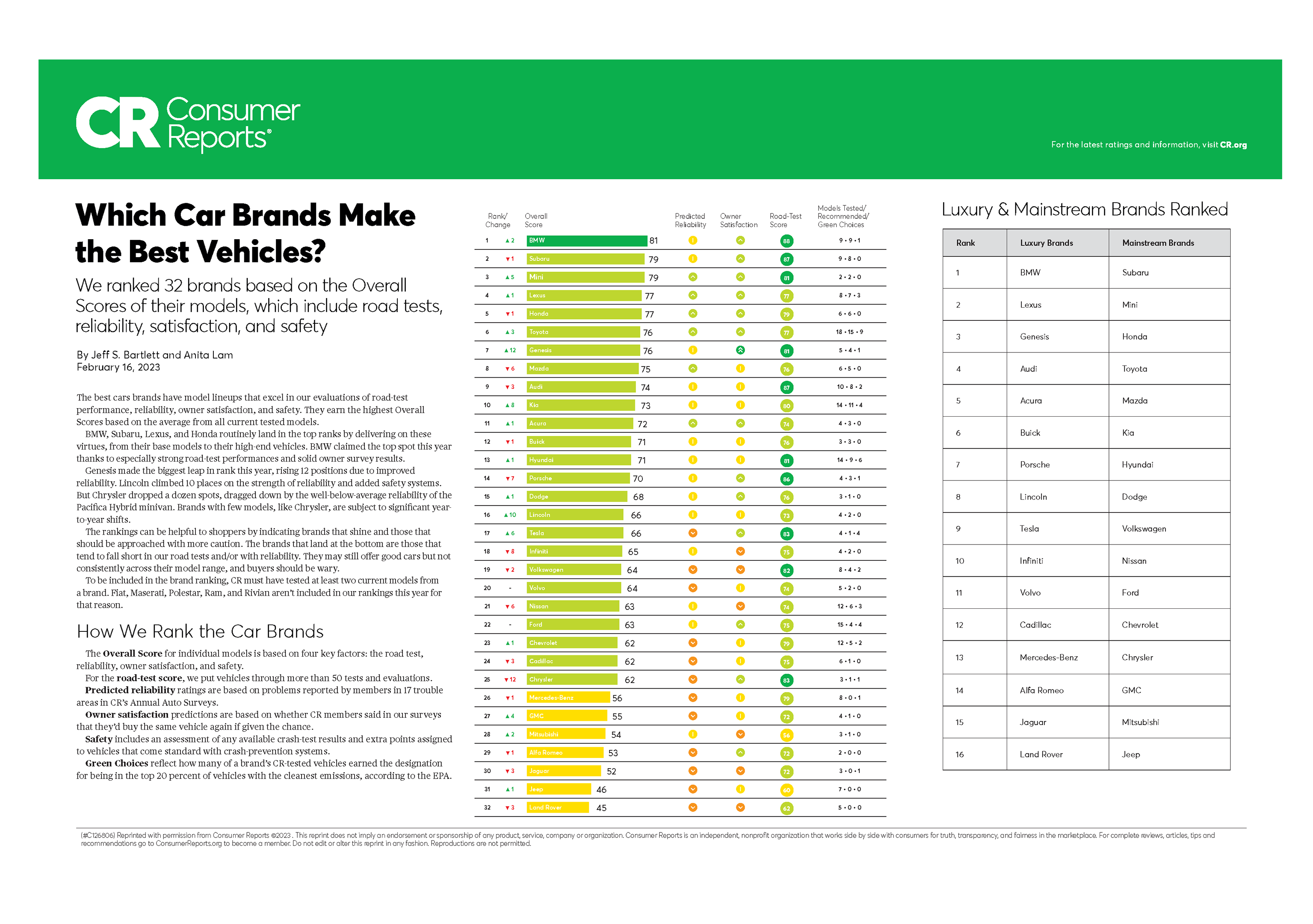
For over a decade, Consumer Reports (CR) has surveyed its members regarding residential telephone services, and Ooma has frequently emerged as the highest-rated provider. The reason for this sustained success lies in the intersection of hardware reliability and service affordability. Unlike traditional "Triple Play" bundles offered by cable companies, Ooma allows consumers to decouple their phone service from their internet or television packages, often leading to better customer satisfaction scores.
Consumer Reports’ evaluations typically focus on three core pillars: call quality, reliability, and value. In these categories, Ooma often outperforms major telecommunications giants. The Ooma Telo—the central hardware hub for the system—is designed to prioritize voice traffic using proprietary technology, which mitigates the "jitter" and "latency" issues that historically plagued early Voice over Internet Protocol (VoIP) systems. In 2026, as fiber-optic and high-speed 5G home internet become the standard, the hardware's ability to deliver crystal-clear audio has only improved, maintaining its status as a top-tier recommendation.
The Technical Foundation: How Ooma Telo Functions
To understand why Ooma receives high marks, it is essential to look at the underlying technology. The system uses a specialized hardware device called the Ooma Telo that connects your high-speed internet to your existing home telephones.
PureVoice HD Technology
Ooma utilizes a proprietary technology known as PureVoice HD. This system is designed to maintain voice quality even when the home network is congested. It employs several technical mechanisms:
- Advanced Compression: It uses sophisticated algorithms to reduce bandwidth consumption without sacrificing audio fidelity.
- Packet Loss Recovery: It predicts and reconstructs lost data packets to prevent "robotic" voices or dropped audio.
- Prioritization: The Telo can act as a router (if configured as such) to ensure that voice data packets receive priority over less time-sensitive data, like background software updates.
Hardware Specifications and Connectivity
By 2026, the Ooma Telo lineup includes the standard Telo, the Telo Air (which includes Wi-Fi and Bluetooth connectivity), and the Telo 4G (which provides a cellular backup for areas with unreliable wired internet). The Bluetooth integration is particularly noted in consumer reviews for its ability to sync mobile phone contacts and allow users to answer mobile calls on their home handsets.
Cost Structure: The Balance of Hardware and Fees
One of the primary drivers for Ooma’s high "Value" rating in Consumer Reports is the transparent, albeit unique, pricing model. Unlike traditional phone companies that charge a high monthly subscription fee, Ooma’s "Basic" service is technically free, though it is not without cost.
Initial Investment
Users must first purchase the Ooma Telo hardware. Depending on the model and any ongoing promotions in 2026, this typically ranges from $70 to $130. This upfront cost is the "entry fee" to the ecosystem.
Monthly Taxes and Fees
While the service itself is free for the Basic tier, Ooma is required by law to collect applicable taxes and fees, which vary by zip code. These typically include:
- Federal Universal Service Fund charges.
- State and local 911 fees.
- Compliance and administrative fees.
On average, these fees range from $6 to $10 per month. Compared to a standard landline that might cost $40 to $60 per month, the savings are substantial, often allowing the hardware to pay for itself within the first four to six months of use.
Ooma Premier: Is the Subscription Worth It?
While the Basic service covers the essentials, many consumers opt for Ooma Premier. This subscription service adds a layer of functionality that addresses common modern annoyances, specifically robocalls and telemarketers.
- Enhanced Blocklisting: Premier users gain access to a crowdsourced database of known telemarketers. In 2026, this system has evolved to use AI-driven pattern recognition to block "neighbor spoofing" and automated spam bots before the phone even rings.
- Instant Second Line: This allows users to make or receive a second call even if the first line is in use, provided they have an Ooma HD3 Handset or the Ooma Linx adapter.
- Mobile App Integration: While Basic users can receive calls on the app, Premier users can make outbound calls from their Ooma number using their smartphone’s data connection, essentially turning their mobile phone into a portable home extension.
- Smart Home Integration: Ooma Premier integrates with platforms like Amazon Alexa and various smart security systems, allowing for automated alerts and voice-activated dialing.
Comparing Ooma to Competitors
When looking at the broader landscape of residential VoIP, Ooma sits in a "sweet spot" between ultra-low-cost "dongle" services and expensive corporate-style residential lines.
| Feature | Ooma Telo | MagicJack | Vonage | Traditional Landline |
|---|---|---|---|---|
| Upfront Hardware Cost | Moderate (~$90) | Low (~$40) | Usually Included | None |
| Monthly Service Fee | Taxes Only ($6-$10) | Low Annual Fee | High ($25+) | Very High ($40+) |
| Voice Quality | Excellent (HD) | Variable | Good | Excellent |
| Emergency 911 | Advanced E911 | E911 Support | E911 Support | Native 911 |
| Spam Blocking | Premium Tier | Basic | Included | Limited |
| Reliability | High (Internet Dep.) | Moderate | High | Maximum |
Reliability and Emergency Services (E911)
A common concern highlighted in consumer reports regarding VoIP is how the system handles emergencies. Traditional landlines are powered by the copper wire itself, meaning they work during power outages. VoIP services like Ooma require both electricity and an active internet connection.
Ooma addresses this through Advanced E911. When a user sets up their Ooma system, they register their physical address. If 911 is dialed, this address is automatically transmitted to the local dispatcher. This is a critical safety feature that sets Ooma apart from simple mobile-app-based calling services. Furthermore, if the internet goes out or the power fails, Ooma can be configured to automatically forward calls to a designated mobile number, ensuring that the user remains reachable.
Installation and User Experience
Consumer feedback often emphasizes the "plug-and-play" nature of the Ooma system. The setup process generally involves three steps:
- Activation: Registering the device online using the activation code on the bottom of the Telo.
- Connection: Plugging the Telo into the internet router via Ethernet or connecting via Wi-Fi (on Air models).
- Phone Attachment: Plugging a standard telephone into the "Phone" port on the back of the Telo.
For those who wish to use their existing wall jacks throughout the house, the process is slightly more complex, requiring the disconnection of the external telephone company's line at the Network Interface Device (NID) to avoid electrical interference. Once the home is "isolated," the Ooma Telo can distribute its signal through the existing internal wiring.
Potential Drawbacks and Limitations
No service is perfect, and Consumer Reports data also highlights areas where users might face challenges:
- Internet Dependency: If your internet provider experiences frequent outages, your phone service will go down with it. In 2026, while broadband is more stable, this remains a factor for rural users.
- Number Porting Fees: Moving an existing phone number to Ooma usually incurs a one-time fee (often around $40), though this is frequently waived for users who sign up for a year of Ooma Premier.
- Faxing Issues: Like most VoIP services, Ooma can struggle with traditional fax machines due to the way voice data is compressed. While it supports faxing, it may require adjusting the fax machine's speed settings to the lowest baud rate.
Frequently Asked Questions
Can I keep my current phone number with Ooma?
Yes, Ooma supports "number porting" for most U.S. and Canadian residential numbers. The process typically takes 7 to 10 business days. During this transition period, Ooma provides a temporary number so you can continue to use the service immediately.
What happens if the power goes out?
The Ooma Telo requires power to function. To maintain service during a blackout, it is recommended to connect both your internet router and the Ooma Telo to an Uninterruptible Power Supply (UPS) or battery backup. Alternatively, Ooma’s "Call Forwarding" feature can send calls to your cell phone if the Telo goes offline.
Is the sound quality really as good as a landline?
In most cases, yes. Because Ooma uses high-definition voice codecs, the audio quality often surpasses that of traditional analog landlines, provided you have a stable internet connection with at least 256 Kbps of upstream bandwidth.
Does Ooma work with home security systems?
Ooma is compatible with many modern IP-based security systems. However, older alarm systems that rely on a physical dial-up connection to a monitoring center may not be compatible with VoIP. It is vital to check with your security provider before switching.
Are there any hidden costs?
The most common "hidden" cost is the monthly regulatory fee. While Ooma markets the service as "free," the government-mandated taxes are unavoidable. These are not kept by Ooma but are passed through to the relevant authorities.
Final Recommendation
Based on the aggregate of consumer reports and technical performance metrics in 2026, Ooma remains the premier choice for consumers looking to slash their monthly phone bills without sacrificing the reliability and features of a traditional home phone. It is particularly well-suited for households that want to maintain a "home base" number, families who need a reliable line for children or seniors, and small home-office environments.
If you decide to proceed, the most effective strategy is to start with the Basic service to verify your internet stability, and then consider the Premier trial to see if the advanced robocall blocking and mobile integration provide enough value for your specific needs.
Image Gallery