Mastering Professional Dress for Men: A Comprehensive Guide to Modern Workplace Attire
Professional dress for men in 2026 is defined by a strategic blend of traditional tailoring and modern versatility. To achieve a professional look, men should prioritize well-fitted garments—ranging from full suits to polished business...
Professional dress for men in 2026 is defined by a strategic blend of traditional tailoring and modern versatility. To achieve a professional look, men should prioritize well-fitted garments—ranging from full suits to polished business casual separates—that align with their specific industry’s standards while emphasizing high-quality fabrics, neutral color palettes, and meticulous personal grooming.
Contents
The Evolution of Professional Standards in 2026
The landscape of professional attire has undergone a significant transformation. While the rigid dress codes of previous decades have softened, the fundamental requirement to project competence, reliability, and respect through one's appearance remains unchanged. In 2026, "professional dress" is no longer a monolithic concept; it is a spectrum that requires men to read the room and adjust their level of formality based on the occasion, the industry, and the specific audience.
Professionalism in clothing is less about following a strict set of rules and more about understanding the psychology of attire. High-quality clothing suggests an attention to detail that clients and employers often associate with professional work ethic. Whether you are in a high-stakes legal environment or a modern tech firm, the principles of fit, fabric, and cleanliness serve as the foundation for any successful professional wardrobe.
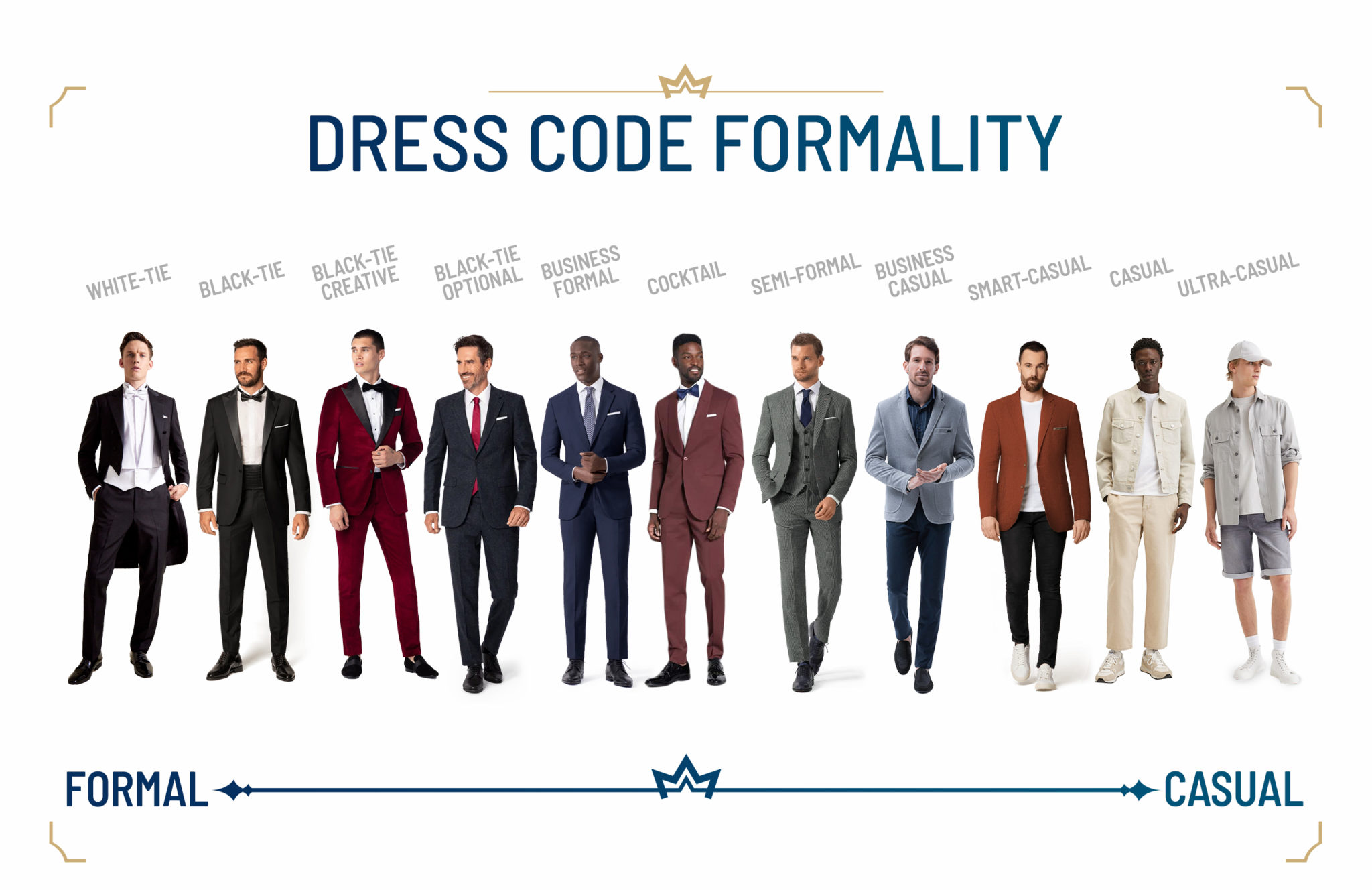
The Four Levels of Modern Professional Dress
To navigate the workplace effectively, one must distinguish between the varying degrees of formality. Misunderstanding these levels can lead to being either awkwardly overdressed or disrespectfully underdressed.
1. Business Formal (The Boardroom Standard)
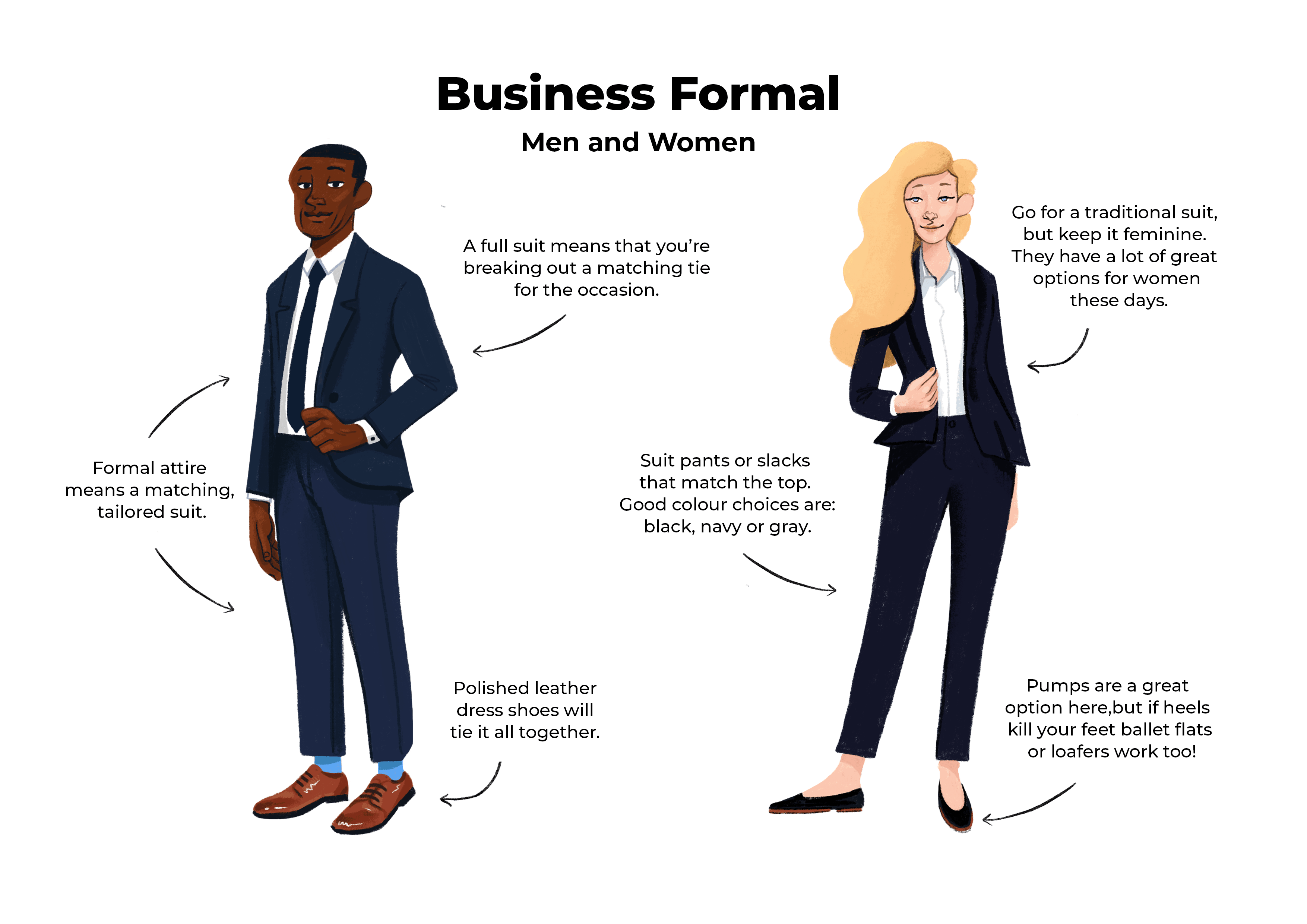
Business formal remains the gold standard for high-level meetings, court appearances, and the financial sector. This level requires a full suit—a matching jacket and trousers—usually in conservative colors such as navy blue, charcoal grey, or black.
- The Suit: In 2026, the focus is on natural fibers. A "Super 100s" to "Super 120s" wool suit provides the ideal balance of durability and a luxurious hand-feel. Full-canvas construction is preferred over fused jackets, as it allows the garment to mold to the wearer's body over time.
- The Shirt: A crisp, white or light blue dress shirt with a stiff collar is mandatory. Double cuffs (French cuffs) with conservative cufflinks add a layer of sophistication.
- The Neckwear: A silk tie is essential. The knot should be appropriate for the collar type—a Four-in-Hand for narrower collars and a Half-Windsor for spread collars.
2. Business Professional
This is the standard daily uniform for many corporate environments. It is slightly less rigid than business formal but still requires a high level of polish.
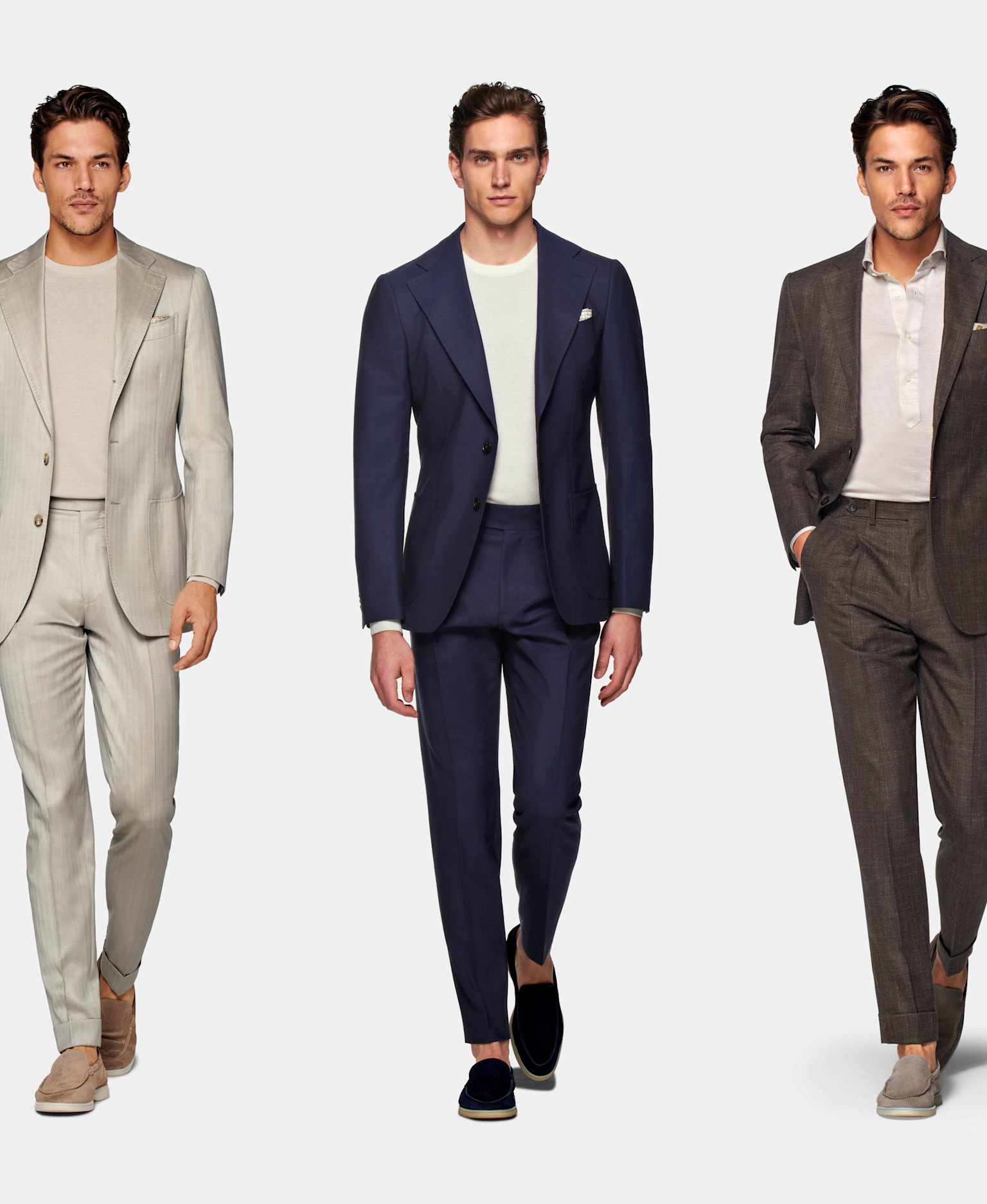
- Separates: While a suit is still common, "broken suits" or high-quality blazers paired with contrasting dress trousers are acceptable. A navy blazer with mid-grey wool trousers is a classic combination that signals authority without the severity of a full suit.
- Footwear: Leather Oxfords or Derbies in dark brown or black are the standard. The leather should be well-polished, and the soles should be in good repair.
3. Business Casual
Perhaps the most misunderstood category, business casual does not mean "casual." In a professional context, it involves removing the tie and perhaps the jacket, while keeping the rest of the outfit structured.
- Tops: Long-sleeved button-down shirts are the primary choice. Patterns like subtle gingham or windowpane checks are appropriate here. High-quality knitwear, such as a merino wool V-neck or a cashmere sweater, can be layered over a collared shirt.
- Bottoms: Chinos are the staple of business casual. They should be slim or straight-cut, avoid excessive pockets (no cargos), and be made of high-quality pima cotton.
4. Smart Casual
Common in creative agencies and tech startups, smart casual allows for the integration of traditionally "informal" pieces into a professional silhouette.
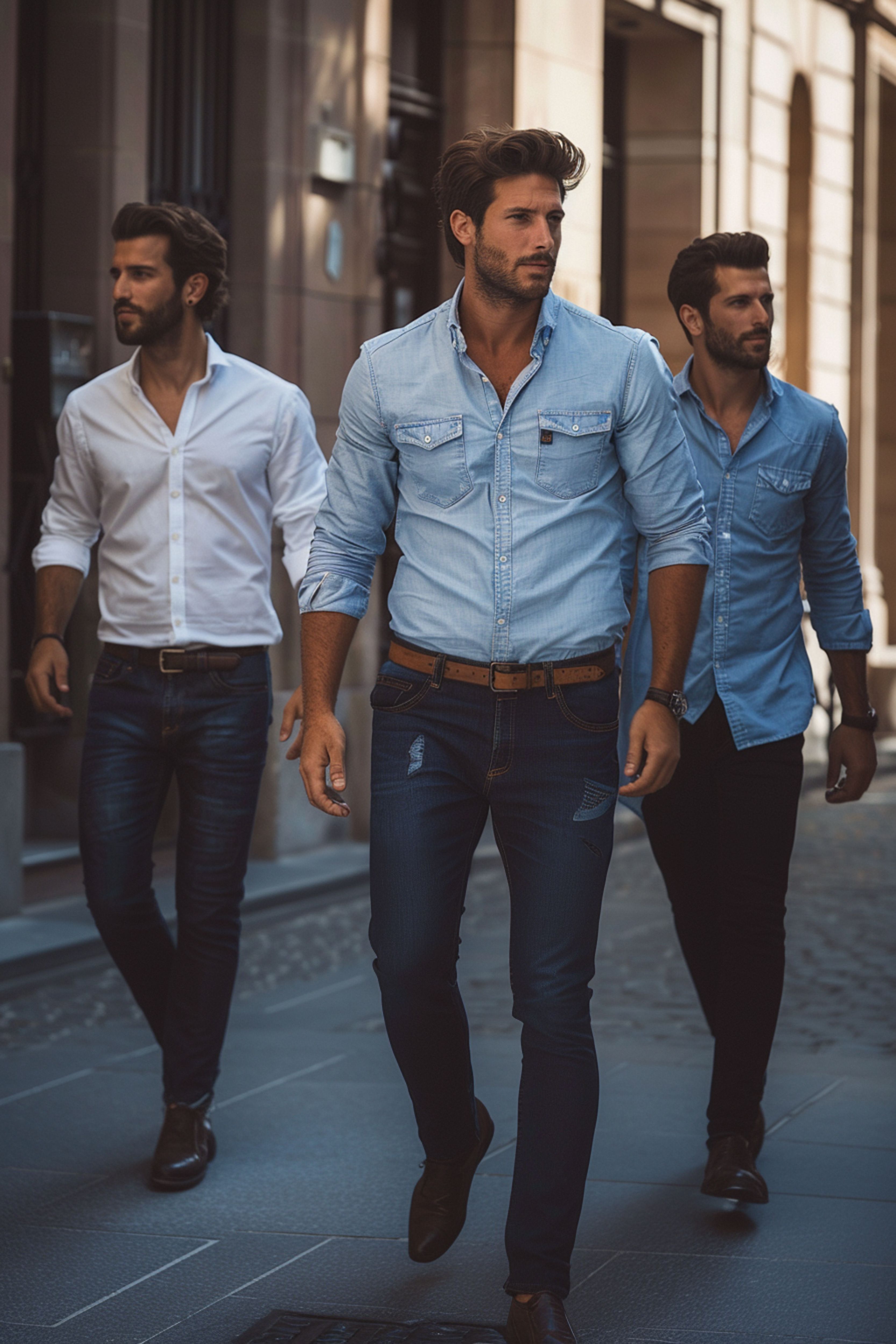
- Denim: Dark, indigo-wash denim with no distressing or fading is acceptable. It should be tailored like a dress pant.
- Footwear: Clean, minimalist leather sneakers or suede Chelsea boots can replace traditional dress shoes. However, the rest of the outfit must remain sharp to maintain a professional edge.
Technical Specifications: Fabrics and Construction
Understanding the "why" behind garment choices requires a look at the technical aspects of menswear. The quality of a professional outfit is often determined by its construction and the origin of its materials.
Wool Grades and Weaves
For suits and trousers, wool is the undisputed king. The "Super" numbering system (e.g., Super 100s) refers to the fineness of the wool fibers. Higher numbers indicate finer, thinner fibers, which result in a smoother, more lustrous fabric. However, very high numbers (Super 150s and above) are more delicate and prone to wrinkling, making them less ideal for daily office wear. For most professionals, Super 110s to 120s offers the best performance.
Canvas vs. Fusing
A "fused" jacket uses a gluable interlining to give the chest shape. Over time, this glue can degrade, leading to "bubbling." A "canvased" jacket uses a layer of horsehair or synthetic material stitched between the fabric layers. Full-canvas construction is the hallmark of high-end tailoring, allowing the jacket to breathe and drape naturally.
Shirt Fabrics
The weave of a shirt determines its formality and breathability:
- Poplin: A plain weave that is thin, breathable, and very formal.
- Twill: Identifiable by its diagonal ribbing; it is thicker, softer, and more resistant to wrinkles.
- Oxford: A heavier, basket-weave fabric best suited for business casual environments.
The Critical Importance of Fit
The most expensive suit in the world will look unprofessional if it does not fit correctly. In 2026, the trend has moved away from the hyper-skinny fits of the 2010s toward a more "classic slim" silhouette that emphasizes comfort and natural movement.
- The Shoulders: The seam of the jacket should end exactly where your natural shoulder ends. If it hangs over, the jacket is too large; if it creates a divot, it is too small.
- The Jacket Length: When your arms are at your sides, you should be able to cup your fingers under the hem of the jacket. It should fully cover your seat.
- Sleeve Length: A jacket sleeve should end at the large bone of your wrist, allowing roughly half an inch of shirt cuff to show.
- The Trouser Break: The "break" is the fold of fabric created when the bottom of the trouser hits your shoe. A "slight break" (one small fold) is the most professional and timeless choice.
Essential Footwear and Accessories
Accessories are often the "punctuation marks" of a professional outfit. They should be understated and functional.
| Accessory | Recommended Style | Material | Professional Tip |
|---|---|---|---|
| Shoes | Oxford or Derby | Calfskin Leather | Match the color to your belt. |
| Belt | Dress Belt (30mm) | Smooth Leather | Avoid large, flashy buckles. |
| Watch | Dress Watch | Metal or Leather Strap | Should fit under the shirt cuff. |
| Socks | Over-the-calf | Wool or Cotton Blend | Match to the trouser color, not the shoe. |
| Bag | Briefcase or Folio | Leather | Avoid backpacks in formal settings. |
The Rule of Leathers
A fundamental rule of professional dress is the coordination of leathers. Your shoes, belt, and watch strap should ideally be in the same color family (e.g., all dark brown or all black). While they do not need to be an exact leather match, significant clashing (like a tan belt with black shoes) disrupts the visual harmony of the outfit.
Grooming and Personal Maintenance
A professional wardrobe is incomplete without proper grooming. The cleanliness and presentation of the man wearing the clothes are as important as the clothes themselves.
- Hair and Beard: Hair should be neatly styled. If you have facial hair, it must be trimmed and edged. A "shadow" or unkempt beard is generally viewed as unprofessional in formal environments.
- Garment Care: Professional dress requires maintenance. Use cedar shoe trees to maintain the shape of leather shoes and absorb moisture. Suits should be hung on wide, contoured hangers to preserve the shoulder structure.
- The Steam vs. Iron Debate: For most high-quality wools, steaming is preferable to ironing. Steaming relaxes the fibers and removes wrinkles without the risk of "scorching" or creating a "shine" on the fabric that a hot iron can cause.
Strategic Wardrobe Comparison
| Feature | Business Formal | Business Casual |
|---|---|---|
| Requirement | Full Suit (Matching) | Trousers and Collared Shirt |
| Tie | Mandatory | Optional/Rare |
| Jacket | Structured Suit Jacket | Blazer, Sport Coat, or Sweater |
| Shirt Style | Plain Poplin/Twill | Patterns, Oxford, or Polos |
| Typical Colors | Navy, Charcoal, Black | Tan, Olive, Burgundy, Blue |
Frequently Asked Questions
Can I wear a polo shirt to a professional office?
Yes, but only in "Business Casual" or "Smart Casual" environments. The polo should be made of high-quality mercerized cotton or a fine-gauge knit (like merino). It must fit well—not too tight across the chest and not baggy at the waist—and should be tucked into tailored trousers or high-end chinos.
How many suits does a man actually need?
For a professional who wears a suit daily, a rotation of five is ideal to prevent premature wear. However, for most men, three "workhorse" suits are sufficient: one Navy, one Charcoal, and one Mid-Grey. These colors are the most versatile and can be worn with almost any shirt and tie combination.
Are tattoos and piercings acceptable in professional dress?
In 2026, many industries have become more accepting of tattoos and piercings. However, the conservative standard still suggests covering large tattoos with long sleeves and removing non-traditional piercings (like nose rings or gauges) during formal client interactions or in traditional sectors like law and high finance.
Is it okay to wear a backpack with a suit?
Generally, no. A backpack creates friction on the shoulders of a suit jacket, which will eventually damage the delicate wool fibers and ruin the "roll" of the lapels. For a professional look, a leather briefcase or a slim laptop bag with a handle is much more appropriate and preserves the longevity of your clothing.
What is the "Invisible" rule of professional dress?
The "invisible" rule is that your clothing should never be the loudest thing in the room. Professional dress is meant to frame your face and your ideas, not distract from them. If people remember your neon tie more than your presentation, you have failed the professional dress requirement.
Practical Next Steps for Building Your Wardrobe
If you are looking to upgrade your professional appearance, do not attempt to buy everything at once. Start with the "foundations":
- Audit Your Current Fit: Take your existing suits and trousers to a professional tailor. Often, a $50 alteration can make a $300 suit look like a $1,000 one.
- Invest in Quality Footwear: Buy one pair of high-quality, Goodyear-welted leather Oxfords in dark brown. They can be resoled and will last for a decade with proper care.
- Standardize Your Shirts: Purchase five high-quality white and light blue shirts in a twill or poplin weave. This simplifies your morning routine and ensures you always look crisp.
- Learn the Maintenance: Purchase a steamer and a set of shoe trees. Taking care of your investment is the final step in maintaining a professional image.
For further information on textile standards and garment care, you may consult the International Fabricare Institute or the Savile Row Bespoke Association for insights into traditional tailoring techniques.
Image Gallery