The Bird Box Story: How a Simple Nesting Box Shaped a Community
A bird box project transforms a community by fostering collective environmental stewardship, providing accessible citizen-science opportunities, and bridging social gaps through shared conservation goals. By focusing on a tangible, loc...
A bird box project transforms a community by fostering collective environmental stewardship, providing accessible citizen-science opportunities, and bridging social gaps through shared conservation goals. By focusing on a tangible, local objective—supporting avian populations—residents transition from passive observation to active ecological participation, revitalizing both local biodiversity and neighborhood social cohesion in the process.
Contents
The narrative of "The Bird Box Story" is not merely one of ornithology; it is a blueprint for grassroots activism. While the physical object is a simple wooden structure designed to mimic natural tree cavities, its impact radiates through neighborhoods, schools, and local governments. In 2026, as urban density continues to increase and natural nesting sites dwindle, these artificial habitats have become essential lifelines for native species and vital catalysts for community engagement.
The Genesis of a Modern Conservation Movement
The story began with a stark observation: as suburban expansion cleared older, decaying trees, many secondary cavity nesters—birds that rely on pre-existing holes for nesting—found themselves without homes. Species such as the Eastern Bluebird in North America or the Blue Tit in Europe faced significant population declines. The solution was deceptively simple: human-made nesting boxes.
However, the "story" evolved when individuals realized that a single box in a backyard was a drop in the bucket, but a "trail" of boxes through a community could create a corridor of life. This realization shifted the focus from individual gardening to collective habitat management. In 2026, community-led "Bird Box Trails" are recognized as one of the most effective ways to combat local biodiversity loss while simultaneously addressing the growing issue of social isolation in urban environments.
The transition from a hobby to a community pillar requires three distinct phases: education, implementation, and long-term stewardship. When a neighborhood adopts a bird box project, it moves through these phases together, creating a shared history and a common language of conservation.
Social Cohesion Through Shared Stewardship
One of the most profound elements of the bird box story is its ability to unite diverse demographics. In an era where digital silos can fragment communities, the physical act of building, installing, and monitoring nesting boxes provides a common ground that transcends age, politics, and socioeconomic status.
Intergenerational Knowledge Transfer
The Bird Box Story is frequently told through the lens of craftsmanship. Senior community members, often possessing woodworking skills that are becoming rarer, find renewed purpose in teaching younger generations how to construct boxes. These workshops are not just about hammers and nails; they are forums for storytelling and the passing down of local ecological knowledge. Children learn about the specific needs of local birds—why a hole must be exactly 32mm wide or why cedar is preferred over treated lumber—while seniors gain a sense of legacy.
The "Neighborhood Watch" for Nature
When boxes are installed in public parks or along residential streets, they create a sense of collective ownership. Residents begin to check on "their" boxes during daily walks. This constant monitoring fosters a heightened awareness of the local environment. If a box is damaged or a predator is spotted, the community communicates through local forums or apps to solve the problem. This shared vigilance often spills over into other areas of community life, increasing overall neighborhood safety and social trust.
Technical Specifications for Community Success
A community project is only as successful as its ecological impact. "The Bird Box Story" would be a failure if the boxes were poorly designed, leading to "death traps" rather than safe havens. Success depends on adhering to strict technical standards that ensure the safety of the avian inhabitants.
| Feature | Specification | Purpose |
|---|---|---|
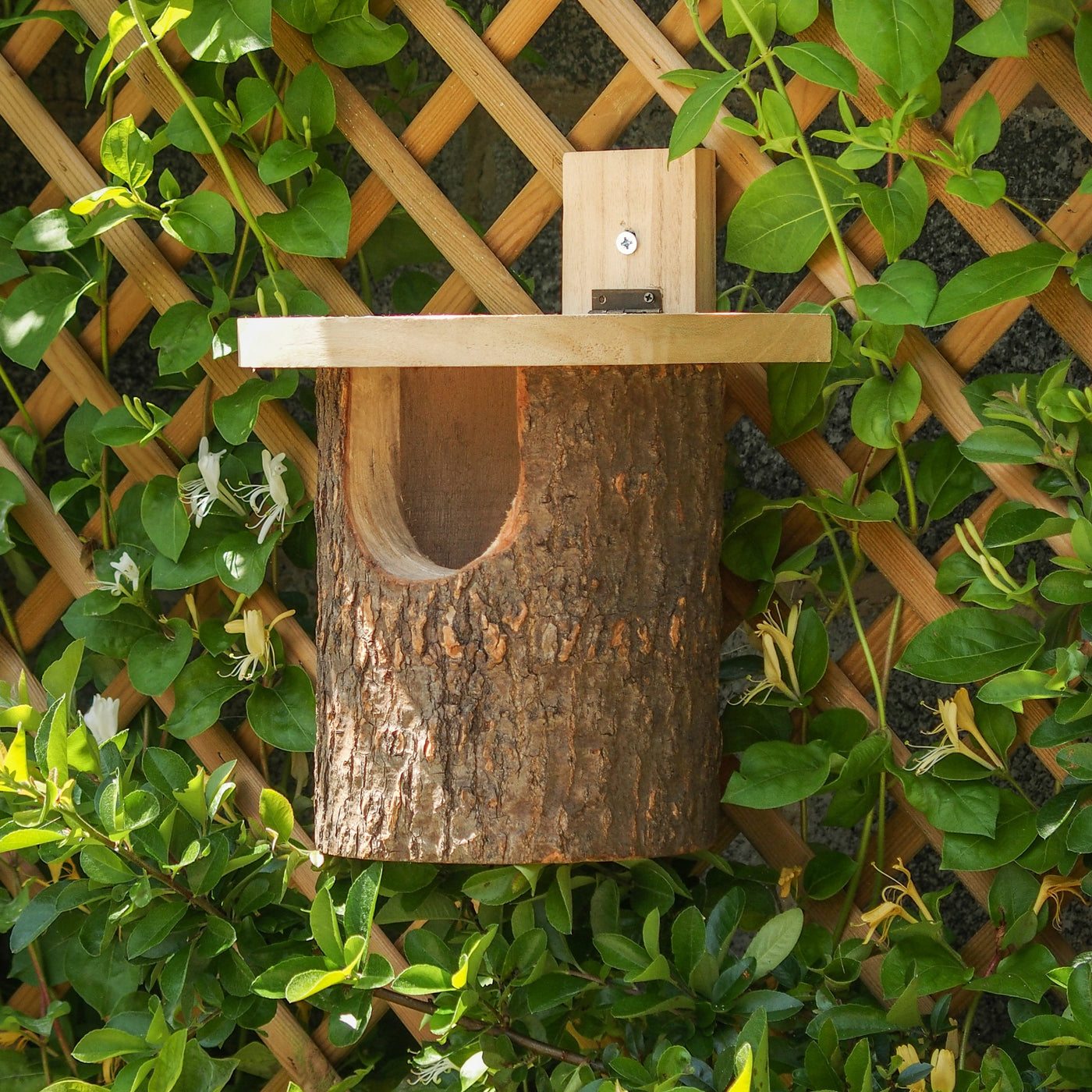
| Material | Minimum 15mm thick FSC-certified timber (Cedar, Larch, or Oak) | Provides essential insulation against heat and cold. |
| Entrance Hole | 25mm to 45mm (Species-dependent) | Excludes larger predators and competing invasive species. |
| Drainage | 2-4 small holes in the floor corners | Keeps the nest dry and prevents the growth of deadly fungi. |
| Ventilation | Small gaps near the roofline | Prevents overheating during peak summer months. |
| Access | Hinged side or front panel | Allows for vital annual cleaning and parasite removal. |
| Interior Surface | Rough-sawn wood (not sanded) | Enables fledglings to grip the wall and climb out of the box. |
In 2026, the use of "smart" boxes has also gained traction. These involve low-energy sensors that track temperature and occupancy, providing data to local universities. This integration of technology allows communities to see the real-time impact of their efforts, turning a simple box into a sophisticated tool for citizen science.
The Ecological Impact: Citizen Science in Action
The bird box story is fundamentally rooted in data. When a community manages a nesting trail, they are contributing to a massive, decentralized scientific study. By recording nesting dates, clutch sizes, and fledging success rates, residents provide ornithologists with granular data that would be impossible to collect through traditional academic means.
This data collection empowers the community. When a neighborhood can prove that their bird box project increased the local swallow population by 20% over three years, they gain leverage in local planning discussions. The birds become "stakeholders" in the eyes of local government, often leading to better protection for surrounding green spaces. This shift—from seeing nature as a backdrop to seeing it as a measurable community asset—is the core achievement of the bird box movement.
Overcoming Challenges and Risks
No community project is without friction. The bird box story includes chapters on managing invasive species, such as House Sparrows or Starlings in areas where they displace native birds. Communities must navigate the ethical complexities of intervention, learning to manage these challenges through collective decision-making rather than individual impulse.
Maintenance is another critical hurdle. A neglected bird box can become a breeding ground for parasites like blowflies or mites. Successful communities establish a "Maintenance Calendar." Every autumn, teams go out to clean the boxes, removing old nesting material and scalding the interior with boiling water (without chemicals) to kill parasites. This annual ritual ensures the boxes remain a benefit to the bird population rather than a liability.
Frequently Asked Questions
What is the best time of year to start a community bird box project?
The ideal time to install boxes is in late winter or very early spring, typically by late February in temperate climates. This allows birds time to scout potential nesting sites before the breeding season begins. However, boxes can be installed at any time of year; if put up in autumn, they often serve as vital roosting sites for birds seeking warmth during cold winter nights.
How do we prevent cats and other predators from reaching the boxes?
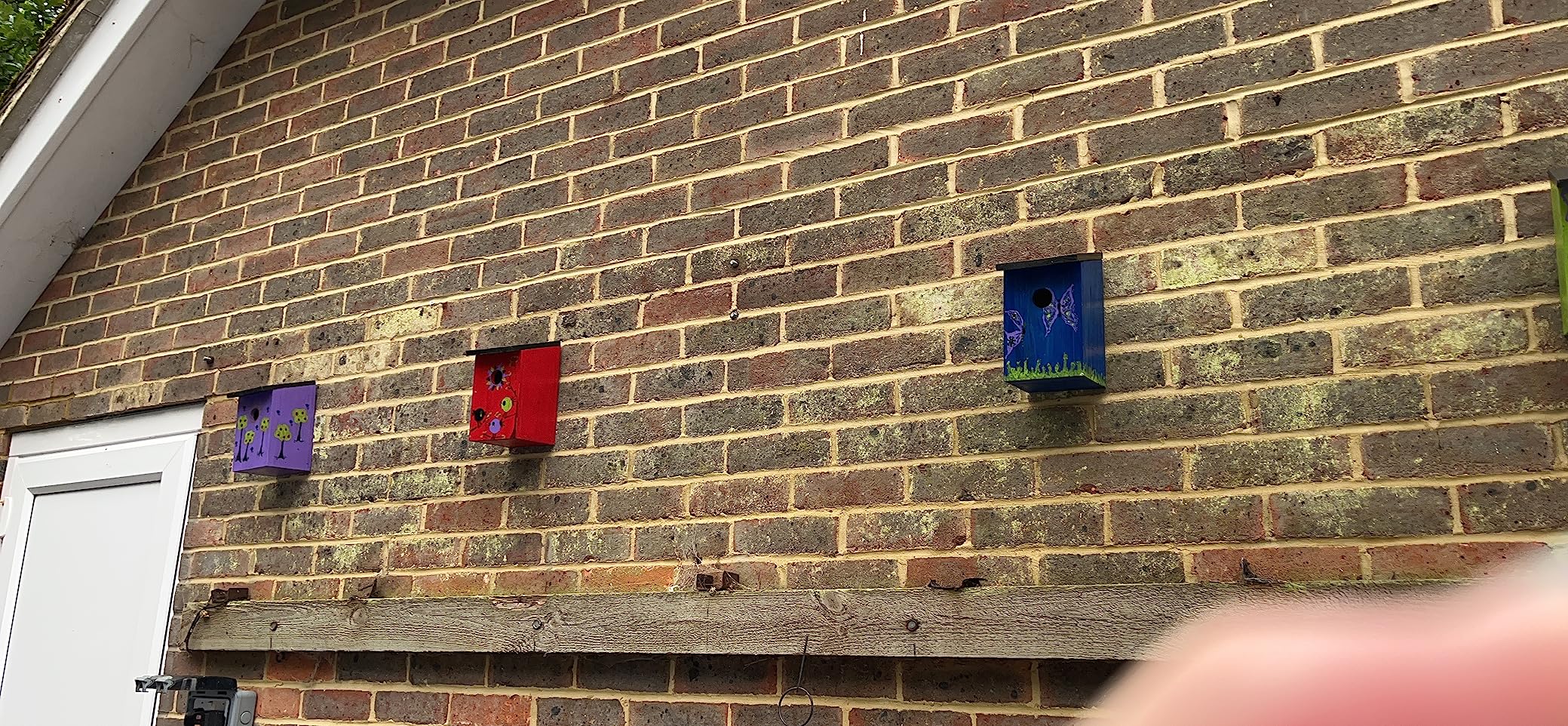
Predator protection is essential for a community project's success. Boxes should be mounted at least 2 to 4 meters above the ground. Metal "baffles" or guards can be placed on the mounting poles to prevent cats and squirrels from climbing. Additionally, the entrance hole should be reinforced with a metal plate to prevent woodpeckers or squirrels from enlarging the hole to reach the chicks inside.
Do we need local government permission to hang boxes in public parks?
In most jurisdictions, written permission is required for any installation in public spaces. However, most local councils in 2026 are highly supportive of these initiatives because they contribute to biodiversity targets. The best approach is to present a formal "Management Plan" that outlines who will be responsible for the installation, monitoring, and annual maintenance of the boxes.
Can bird boxes be installed on private balconies or high-rise buildings?
Yes, but species selection is key. High-rise installations are particularly effective for Swifts and Peregrine Falcons, which naturally nest on cliffs. For residential balconies, boxes for smaller songbirds are viable if there is sufficient nearby vegetation for the birds to forage for insects to feed their young. It is important to ensure the box is not in direct, scorching sunlight all day.
How much does it cost to start a community-wide project?
A small-scale project starting with 10 to 15 boxes can be launched for under $300 if the community builds the boxes themselves using donated or bulk-purchased FSC timber. Costs include wood, screws, mounting hardware, and basic tools. Many communities find that local businesses are willing to sponsor the materials in exchange for a small logo on the side of the boxes or a mention in the project’s digital updates.
Recommendation for Next Actions
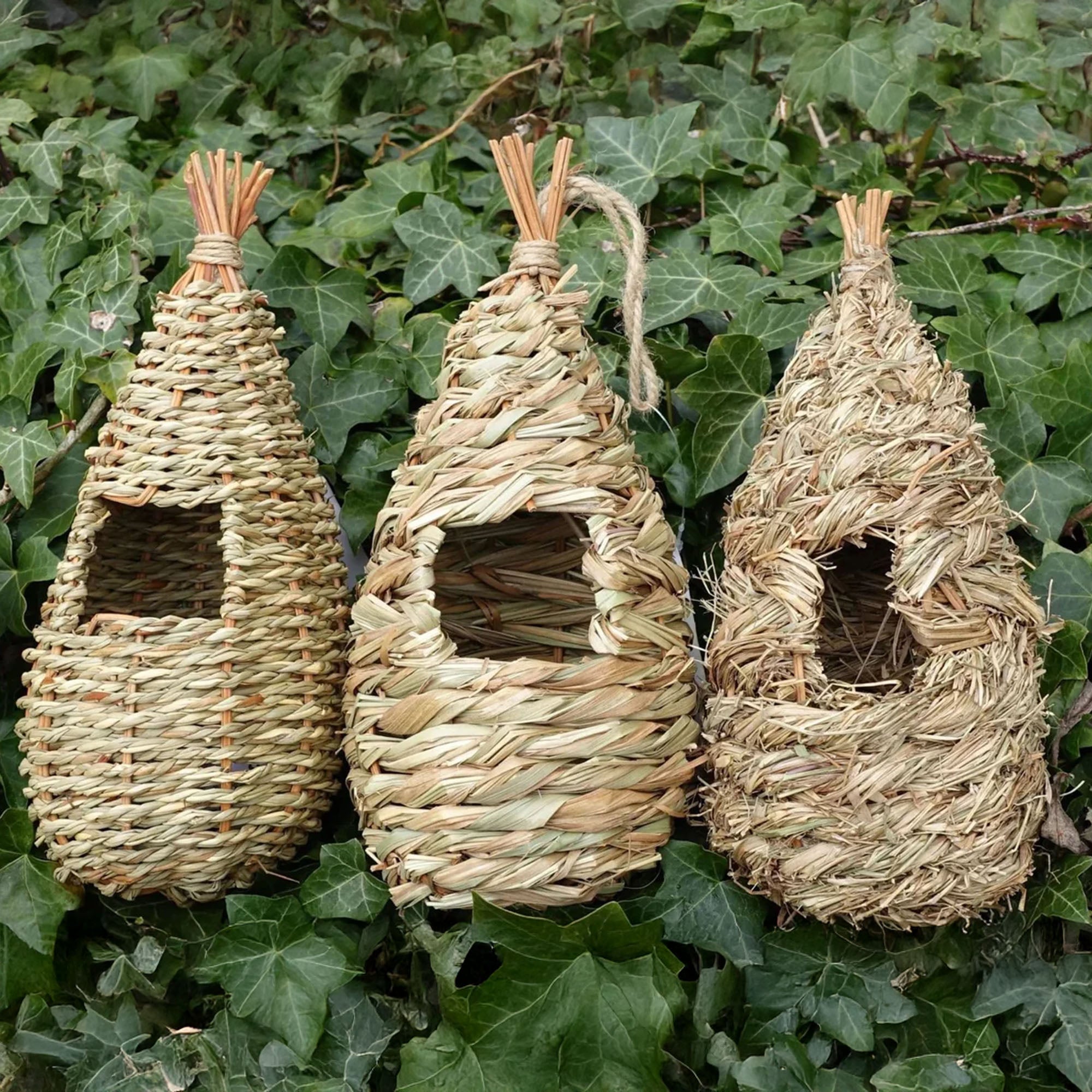
For those looking to replicate "The Bird Box Story" in their own locale, the first step is a site audit. Identify the specific species of birds already present in your area and determine which ones are lacking natural nesting sites. Avoid the temptation to buy "generic" decorative boxes, which often lack proper dimensions and safety features.
Instead, partner with a local wildlife organization to obtain verified blueprints. Organize a community "Build Day" to create the initial batch of boxes. This event serves as the official launch of the project, generating the social momentum needed to sustain the long-term monitoring and maintenance that defines a truly successful bird box community.
Image Gallery