Chris Mullin Height in the NBA: A Complete Profile of the Hall of Fame Sharpshooter
In the NBA, Chris Mullin was officially listed at 6 feet 7 inches (201 cm) tall throughout his professional career. This height provided him with the ideal frame for a versatile wing player, allowing him to excel at both the small forw...
In the NBA, Chris Mullin was officially listed at 6 feet 7 inches (201 cm) tall throughout his professional career. This height provided him with the ideal frame for a versatile wing player, allowing him to excel at both the small forward and shooting guard positions while maintaining a significant shooting advantage over smaller defenders.
Contents
Chris Mullin remains one of the most iconic figures in basketball history, recognized not just for his signature flat-top haircut but for a left-handed shooting stroke that is often cited as one of the purest the game has ever seen. Standing 6'7", Mullin occupied a "sweet spot" in the NBA's positional hierarchy during the 1980s and 1990s. He was tall enough to shoot over the era’s elite shooting guards and quick enough to navigate the perimeter against larger, more traditional small forwards. As we look back from the perspective of 2026, Mullin’s physical profile and skill set represent the precursor to the modern "3-and-D" and "stretch-wing" archetypes that dominate today’s league.
The Significance of 6'7" in the Golden Era of NBA Wings
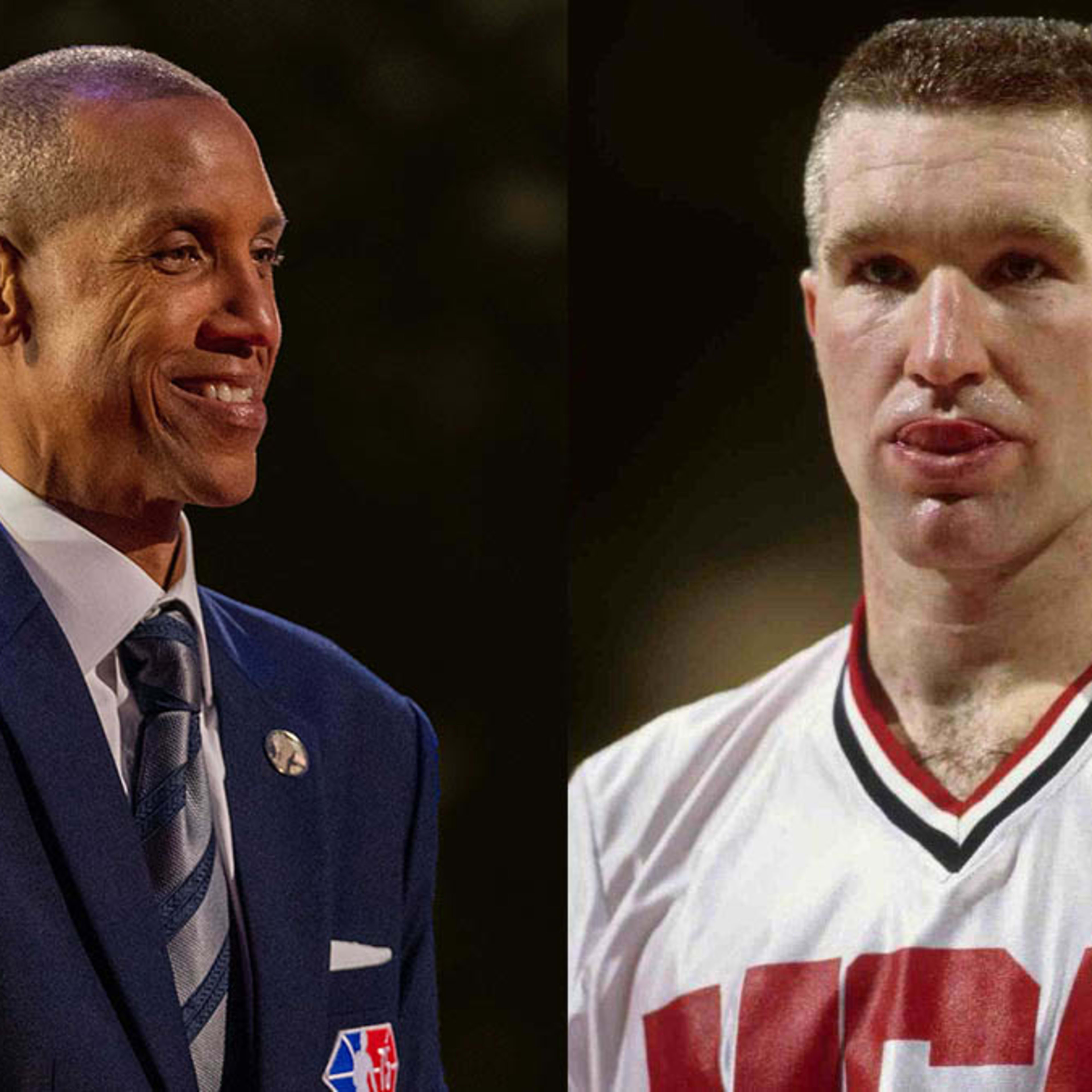
During Mullin's prime with the Golden State Warriors, the NBA was transitioning into an era where wing versatility became a primary offensive engine. At 6'7", Mullin was part of a legendary cohort of wings—including Larry Bird (6'9"), Clyde Drexler (6'7"), and Reggie Miller (6'7")—who redefined the expectations for perimeter players.
Mullin’s height was foundational to his "triple-threat" game. Because he stood 6'7", his high release point made his jump shot virtually unblockable for standard-sized guards. When defenders played him too closely to take away the shot, his size allowed him to see over the defense, making him an elite passer. This vision was a hallmark of his game; he wasn't just a scorer but a facilitator who could facilitate the offense from the high post or the wing.
Physical Specifications and NBA Measurements
While his listed height was 6'7", Mullin’s impact was augmented by his wingspan and his deceptive strength. Early in his career, Mullin struggled with conditioning, but after a transformative period in the late 1980s, he became one of the fittest players in the league. This physical peak allowed him to leverage his height more effectively, as he could maintain his shooting form and defensive intensity throughout 40-plus minutes of play.
| Attribute | Measurement (NBA Career) |
|---|---|
| Listed Height | 6'7" (201 cm) |
| Playing Weight | 210 lbs - 215 lbs (95–98 kg) |
| Primary Position | Small Forward (SF) |
| Secondary Position | Shooting Guard (SG) |
| Draft Year | 1985 (7th Overall Pick) |
| Wingspan | Estimated 6'10" |
Positional Versatility: The "Run TMC" Dynamics
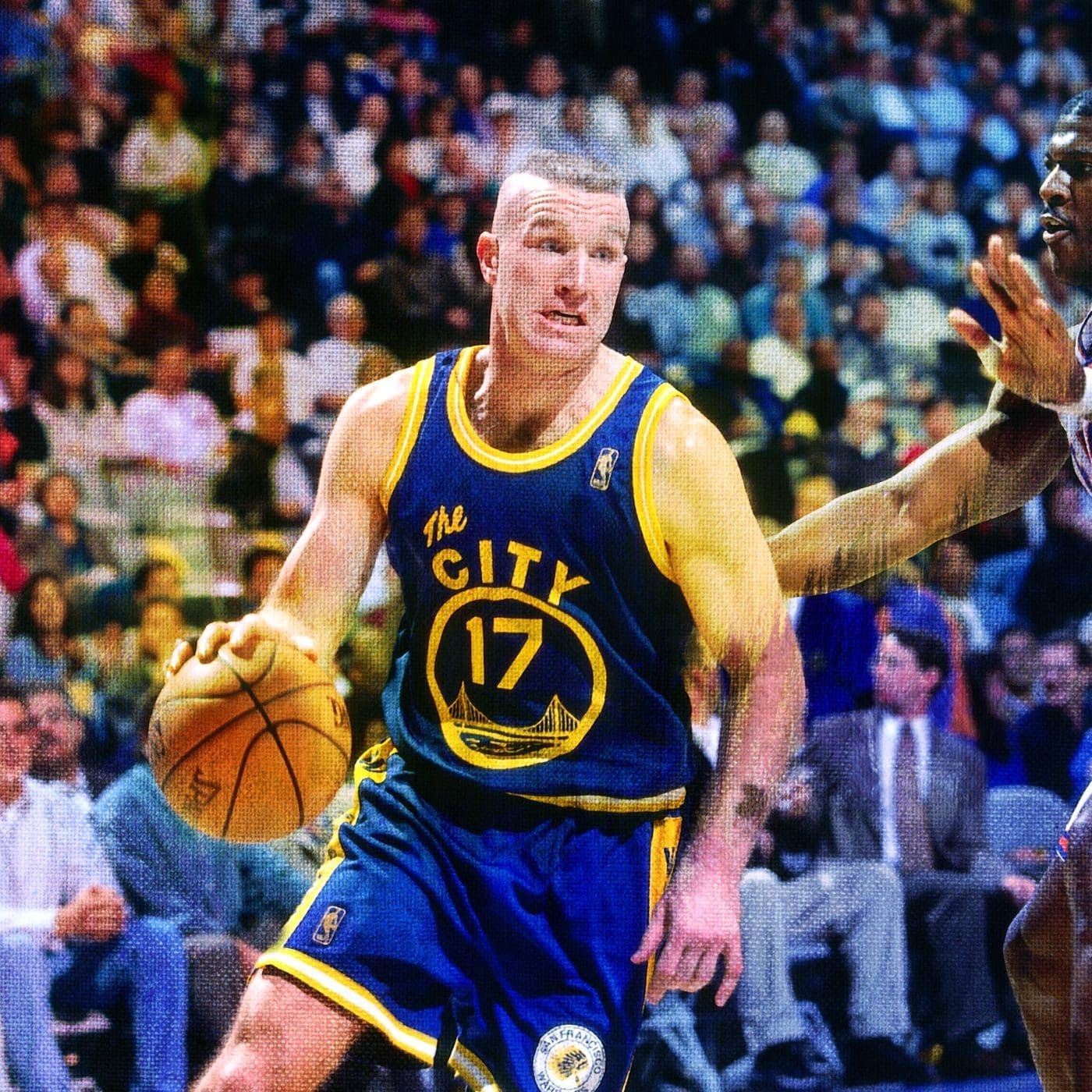
The most famous application of Mullin’s height and skillset occurred during the "Run TMC" era in Golden State (1989–1991). Alongside Tim Hardaway (6'0") and Mitch Richmond (6'5"), Mullin was the largest member of the trio. In Don Nelson’s innovative, fast-paced system, Mullin often played the small forward position but frequently moved to power forward in "small-ball" lineups.
At 6'7", Mullin was the defensive anchor of that perimeter trio. While Hardaway and Richmond focused on backcourt pressure, Mullin’s length allowed him to disrupt passing lanes and help on the boards. His height ensured that the Warriors did not surrender too much size when they went to their signature high-speed lineups. This era proved that a 6'7" player with elite IQ could effectively "play up" a position, a concept that has become standard in the 2026 NBA landscape.
Shooting Mechanics and the Height Advantage
One cannot discuss Chris Mullin’s height without analyzing his shooting mechanics. In basketball, effective height is often determined by the release point of the ball. Mullin utilized a textbook high-release jump shot. By extending his arms fully and releasing the ball at the apex of his jump (or even on a set shot), his effective shooting height was closer to 7 feet.
This mechanical advantage meant that even when defenders like Joe Dumars or Michael Jordan applied pressure, Mullin could still find a window to get the ball off. His height also allowed him to be an elite mid-range player. He was a master of the "one-dribble pull-up," using his 6'7" frame to shield the ball from defenders before elevating for a shot that few could reach.
Impact on Longevity and the Indiana Pacers Era
As Mullin entered the latter half of his career and moved to the Indiana Pacers in 1997, his height became even more vital as his pure foot speed naturally declined. Playing under head coach Larry Bird, Mullin was utilized as a veteran spacer. His 6'7" frame allowed him to remain a defensive asset in a zone-heavy or help-side system, where his length could deflect passes even if he wasn't beating younger players in a footrace.
His height also contributed to his efficiency. In the 1997-98 season with the Pacers, Mullin led the league in free-throw percentage and was near the top in three-point accuracy. At 6'7", he could see the floor clearly, making him a low-turnover player who understood exactly where to be to maximize his physical presence.
Chris Mullin vs. His Peers: A Comparative Analysis
To understand the context of Mullin’s 6'7" stature, it is helpful to compare him to other Hall of Fame wings of his era. While he wasn't the tallest or the most athletic, his combination of size and skill was nearly unparalleled.
| Player | Listed Height | Primary Style | Career Context |
|---|---|---|---|
| Chris Mullin | 6'7" | Sharpshooter / Point Forward | Elite efficiency, 5x All-Star |
| Larry Bird | 6'9" | All-Around Forward | Superior rebounding and height |
| Reggie Miller | 6'7" | Off-Screen Shooter | Thinner frame, focused on 3pt volume |
| Clyde Drexler | 6'7" | Slashing Wing | Higher verticality and transition play |
| Scottie Pippen | 6'8" | Defensive Specialist | Greater length and defensive versatility |
Mullin’s 6'7" frame put him in the same physical bracket as Miller and Drexler, but his game was more grounded and technical. Unlike Drexler, who used his height for high-flying dunks, Mullin used his 6'7" stature to create angles for passes and to stabilize his shot under duress.
The 1992 Dream Team and International Stature
Mullin's height and skill earned him a spot on the 1992 United States Olympic team, the "Dream Team." In an international setting, a 6'7" wing who could shoot 50% from the field was a nightmare for opponents. International defenders of the early 90s were often either much smaller guards who couldn't reach Mullin’s shot or larger, slower forwards who couldn't keep up with his constant off-ball movement.
His performance in Barcelona solidified his reputation as a global basketball icon. His 6'7" frame was seen as the "perfect" basketball body—versatile enough for any offensive scheme and durable enough to withstand the physical play of the era.
Technical Breakdown: How Mullin Utilized His Height
- High Post Entry: Mullin often initiated sets from the high post. At 6'7", he could hold the ball above his head, keeping it away from smaller guards, and scan the baseline for cutters.
- Back-to-the-Basket: While not a traditional post-up player, Mullin used his height to "bully" smaller guards in the mid-post, turning for a fadeaway that was a staple of his Indiana years.
- Rebounding from the Wing: Mullin was a reliable rebounder for a small forward, averaging 4.1 rebounds per game over his career, with several seasons exceeding 5.0. His height allowed him to compete with power forwards for long rebounds.
- The "Lefty" Advantage: Being a left-handed player at 6'7" created unique defensive challenges. Most defenders are trained to contest right-handed shooters; Mullin’s height and left-handed release forced defenders into uncomfortable adjustments.
Legacy and Influence on the 2026 NBA
As we evaluate Mullin's career from 2026, his physical profile remains the blueprint for the "prototypical wing." Modern scouts look for "the next Chris Mullin"—a player who stands 6'7" or 6'8", possesses a high basketball IQ, and can shoot the lights out. Players like Klay Thompson (6'6") have often been compared to Mullin in terms of shooting purity and positional size.
Mullin proved that you didn't need a 40-inch vertical if you had a 6'7" frame and a relentless work ethic. He maximized every inch of his height through preparation and technical mastery, ensuring that he remained effective from his debut in 1985 until his retirement in 2001.
Frequently Asked Questions
Was Chris Mullin considered tall for a small forward in the 1990s?No, 6'7" was considered the standard height for a small forward during that era. However, Mullin was considered quite tall for the shooting guard position, which he occasionally played. His height was perfectly average for his primary position, but his skill level made that size much more effective than his peers.
Did Chris Mullin’s height change during his career?No, Mullin entered the NBA at 6'7" and remained at that height throughout his career. While some younger players are credited with "growth spurts" after entering the league, Mullin was already 21 when he was drafted out of St. John's University, having reached his full adult height.
How did Mullin’s height compare to his "Run TMC" teammates?Mullin was the tallest member of the trio. Tim Hardaway was 6'0" and Mitch Richmond was 6'5". This made Mullin the primary "big wing" of the group, often responsible for guarding the opponent's best scoring forward and helping with interior rebounding.
Did his height help him become a Hall of Famer?While height is a prerequisite for most NBA careers, it was Mullin’s shooting and IQ that made him a Hall of Famer. However, his 6'7" frame was essential in allowing him to get his shot off against the legendary defenses of the 80s and 90s, such as the "Bad Boy" Pistons or the Bulls.
What is Chris Mullin’s height in centimeters?Chris Mullin is approximately 201 centimeters tall. This is the standard conversion for 6 feet 7 inches used by international basketball organizations and modern scouting databases.
Final Recommendation for Researchers
When analyzing the impact of Chris Mullin’s height, it is best to view it through the lens of positional efficiency. His 6'7" frame was not about overwhelming opponents with size, but about using that size to create a stable platform for his elite shooting mechanics. For those studying his film, pay close attention to his triple-threat stance and how he used his shoulder height to create space against defenders.
Image Gallery