Do You Need Insurance When You Buy a Used Car?
Yes, you must have insurance coverage to legally drive a used car off a lot or away from a private seller's home. In nearly every jurisdiction, operating an uninsured vehicle is illegal. While some existing policies offer a temporary g...
Yes, you must have insurance coverage to legally drive a used car off a lot or away from a private seller's home. In nearly every jurisdiction, operating an uninsured vehicle is illegal. While some existing policies offer a temporary grace period for replacement vehicles, new owners without an active policy must secure coverage before taking possession.
Contents
Purchasing a used vehicle is a multi-step process that involves more than just a handshake and a transfer of funds. Whether you are buying from a franchised dealership, an independent used car lot, or a private individual, the legal requirement for insurance remains a constant. As of 2026, state laws and financial responsibility requirements have become increasingly stringent, with digital registration systems making it easier for authorities to track uninsured motorists in real-time. Understanding when, how, and why you need insurance during the used car buying process is essential to avoid heavy fines, vehicle impoundment, or catastrophic financial loss.
The Legal Requirement for Auto Insurance
In the United States, 49 out of 50 states require a minimum level of auto insurance. New Hampshire remains the lone exception, though drivers there must still prove "financial responsibility" if they are at fault in an accident, which often necessitates an insurance policy anyway. For the rest of the country, the law is clear: you cannot operate a motor vehicle on public roads without at least the state-mandated minimum liability coverage.
Liability insurance consists of two main components: bodily injury liability and property damage liability. These do not cover your own vehicle; rather, they protect other people and their property if you cause an accident. If you are caught driving a newly purchased used car without this coverage, you risk immediate license suspension, significant fines, and the potential for your "new" used car to be towed to an impound lot on the spot. In 2026, many states have integrated their Department of Motor Vehicles (DMV) databases with insurance carrier feeds, meaning a lapse in coverage can be detected the moment a title transfer is attempted.
Buying from a Dealer vs. a Private Seller
The venue where you purchase your used car significantly dictates how the insurance requirement is enforced. Dealerships and private sellers operate under different regulatory frameworks, which changes the "friction" involved in the insurance process.
Dealership Requirements
If you are buying from a licensed dealership, they act as a gatekeeper for the state. A dealer will not allow you to drive the car off the premises until you provide proof of insurance. This is because the dealer can be held liable for allowing an uninsured driver to leave their lot, and if you are financing the vehicle, the lender mandates coverage to protect their collateral.
In 2026, most dealerships have digital portals that allow you to add a vehicle to your policy and receive a "binder" or digital proof of insurance within minutes. If you do not have an existing policy, many dealers have partnerships with insurance brokers or can point you toward "instant-issue" policies, though these are often more expensive than a policy you might find through independent research.
Private Seller Requirements
When buying from a private individual—such as someone you found on a digital marketplace—the seller is generally not legally responsible for ensuring you have insurance. However, the legal burden remains entirely on you. The moment the title is signed over and you take the keys, the seller’s insurance policy ceases to cover that vehicle for you.
Driving a car home from a private sale without insurance is one of the most common ways buyers get into legal trouble. Even if you are only driving a few miles, an accident during that first trip could lead to a total loss of your investment and a lawsuit from the other party. You should always have the Vehicle Identification Number (VIN) beforehand so you can activate a policy the moment the sale is finalized.
The Grace Period: Fact vs. Fiction
A common misconception in the used car market is the "automatic grace period." Many buyers believe they have 7 to 30 days to notify their insurance company of a new purchase. While this is often true, it only applies if you already have an active auto insurance policy on another vehicle.
Most "standard" insurance policies include a provision for "newly acquired autos." This provision typically extends your current level of coverage to a new vehicle for a short window—usually 14 to 30 days for liability and often only 4 days for physical damage (collision and comprehensive) if your current policy doesn't already include them.
Important Distinctions Regarding Grace Periods:
- No Existing Policy: If you do not currently own a car and do not have an active insurance policy, there is zero grace period. You must purchase a new policy before you drive.
- Replacement vs. Additional: If the used car replaces a car currently on your policy, the coverage levels usually transfer seamlessly for the grace period. If the used car is an additional vehicle, the grace period is often shorter and may provide only the narrowest coverage available on your existing policy.
- Lender Requirements: Even if your insurance company gives you a 14-day grace period, your bank or credit union (if financing) will likely require proof of full coverage before the loan is funded and you take delivery.
Essential Coverage Types for Used Cars
When insuring a used car, the age and value of the vehicle should dictate your coverage choices beyond the state minimums. While liability is the only legal requirement in most states, it is rarely the only coverage you should carry.
Collision and Comprehensive
If your used car is relatively modern or has a high market value, collision and comprehensive coverage are vital. Collision covers damage to your car resulting from a crash, while comprehensive covers non-collision events like theft, fire, vandalism, or "acts of God" such as hail.
As a rule of thumb in 2026, if the annual cost of collision and comprehensive coverage exceeds 10% of the vehicle’s total value, some experts suggest dropping it to save money. However, with the rising cost of used car parts and the complexity of modern sensors even in older vehicles, repairs are more expensive than ever.
Gap Insurance
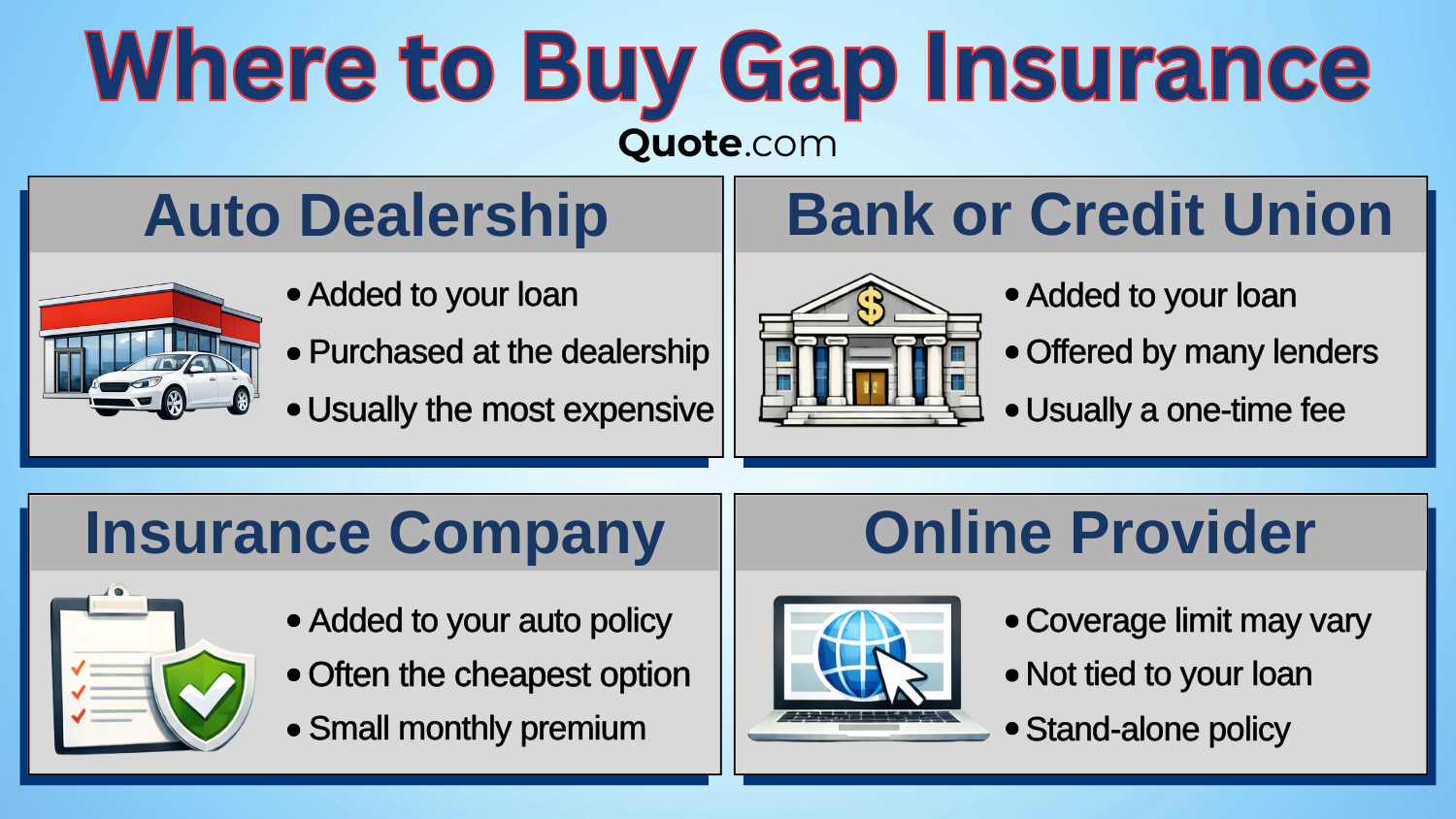
If you are financing a used car with a small down payment, you may find yourself "underweight" or "upside down" on the loan. Because used cars can depreciate quickly (or because you might have paid a premium in a high-demand market), you might owe $15,000 on a car that is only worth $12,000. If that car is totaled, the insurance company only pays the $12,000 market value. Gap insurance covers the $3,000 difference. Many 2026 used car buyers opt for this to protect against market volatility.
Uninsured/Underinsured Motorist (UM/UIM)
Given that a significant percentage of drivers on the road operate without insurance despite the laws, UM/UIM coverage is highly recommended. This protects you if you are hit by someone who either has no insurance or whose limits are too low to cover your medical bills and car repairs.
Comparison of Insurance Requirements and Recommendations
The following table outlines the differences in requirements based on how you acquire and fund your used vehicle.
| Factor | Cash Purchase (Private) | Dealer Purchase (Financed) | Existing Policy Holder | First-Time Buyer |
|---|---|---|---|---|
| State Minimum Liability | Legally Required | Legally Required | Legally Required | Legally Required |
| Collision/Comprehensive | Optional | Required by Lender | Usually extends for 4-14 days | Must be purchased immediately |
| Proof Needed at Sale | Recommended | Mandatory | Current ID Card suffices temporarily | New Policy Binder required |
| VIN Required Ahead? | Yes, for a quote | Yes, for the binder | Yes, to finalize | Yes, to initiate |
| Grace Period Apply? | No (unless existing policy) | No (unless existing policy) | Yes (Check policy terms) | No |
Step-by-Step Guide to Insuring Your Used Car
To ensure a smooth transition and legal compliance, follow these steps during your purchase process:
- Get the VIN Early: Ask the seller or dealer for the 17-digit Vehicle Identification Number before you meet to finalize the sale. This allows you to get an accurate quote.
- Check Your Existing Policy: If you have insurance, call your agent to see how "newly acquired vehicles" are handled. Specifically, ask about the duration of the grace period and if it includes physical damage coverage.
- Shop for Quotes: Used car insurance rates can vary wildly based on the vehicle’s safety features, theft rates, and your personal driving history. Use the VIN to get at least three quotes.
- Finalize the Coverage: Once you have inspected the car and are ready to sign the title, call your insurer or use their mobile app to "bind" the coverage. Ensure you receive a digital insurance card.
- Verify the Paperwork: If you are at a dealership, show the digital card to the F&I (Finance and Insurance) manager. If buying privately, ensure the policy is active before you put the key in the ignition.
Common Pitfalls to Avoid
Many buyers encounter avoidable issues when navigating used car insurance. One major mistake is assuming that the previous owner's insurance will "carry over" for the ride home. It will not. Once the title is signed, the previous owner no longer has an insurable interest in the vehicle, and their policy effectively dies for that specific car.
Another pitfall is failing to account for "regional rating factors." In 2026, many insurance companies use telematics and hyper-local data. A used car that was cheap to insure in a rural area might see a 40% premium spike if you live in a high-traffic urban center. Always get a quote based on the address where the car will be parked, not where it is being purchased.
Finally, don't overlook the importance of the "Binder." A quote is not insurance. A binder is a legal agreement that coverage is in place even before the formal policy documents are issued. Always ensure you have a binder or a confirmation of coverage before driving.
Frequently Asked Questions
Can I drive a used car home without insurance if I just bought it?
No. You must have insurance to drive any vehicle on public roads. If you have an existing policy, your "newly acquired auto" clause might cover you for the drive home, but you must verify this with your provider first. If you do not have an existing policy, you are driving illegally.
How do I get insurance for a used car on a weekend?
Most major insurance companies offer 24/7 mobile apps and websites that allow you to start a policy and receive instant proof of insurance. Even if a physical office is closed, you can typically bind coverage online. This is essential for weekend private sales.
Is insurance more expensive for used cars?
Not necessarily. While used cars lack some of the latest safety tech that can earn discounts, they are generally cheaper to replace than new cars, which can lead to lower collision and comprehensive premiums. However, older cars may lack modern anti-theft devices, which can sometimes keep rates higher than expected.
What documents do I need to insure a used car?
You will need the Vehicle Identification Number (VIN), the current odometer reading, the purchase price, and the names of all drivers in your household. If the car has any aftermarket modifications, you should disclose those to ensure they are covered.
Does the seller need to keep insurance on the car until I pick it up?
Yes, the seller should maintain their insurance until the moment the title is signed over and you take possession. If they cancel it early and a tree falls on the car while it's still in their driveway, neither of you will be covered.
Practical Recommendation
Before you go to look at a used car, contact your current insurance provider or an insurance broker to get a "pre-quote" based on the make and model you are targeting. Once you find the specific car you want, obtain the VIN and verify the final premium. If you are buying from a private party, do not drive the vehicle away until you have received a digital confirmation that the policy is bound and active. For the best balance of protection and value in 2026, ensure your policy includes Uninsured Motorist coverage, as the number of drivers opting out of mandatory insurance has risen alongside inflation.
Image Gallery