Finding the Nearest Indian Grocery Store: A Comprehensive Guide for 2026
To find the nearest Indian grocery store, use GPS-based navigation apps like Google Maps or Apple Maps with keywords like "Indian grocery" or "Desi market." For specialized needs, utilize ethnic-focused delivery platforms such as Quick...
To find the nearest Indian grocery store, use GPS-based navigation apps like Google Maps or Apple Maps with keywords like "Indian grocery" or "Desi market." For specialized needs, utilize ethnic-focused delivery platforms such as Quicklly or Weee!, or consult local community groups on social media to identify hidden gems and regional specialty shops nearby.
Contents
Finding authentic Indian ingredients—ranging from specific cultivars of lentils (dal) and stone-ground spices to fresh curry leaves and Alphonso mangoes—requires more than a trip to a standard supermarket. While the grocery landscape in 2026 has become increasingly integrated, specialized Indian grocery stores remain the gold standard for quality, variety, and price for Desi staples. Whether you are a seasoned home cook or an expat looking for a taste of home, navigating the local landscape efficiently saves time and ensures you find exactly what your recipe requires.
Utilizing Digital Navigation and Search Engines
The most immediate solution for locating a physical store is the use of high-accuracy navigation software. In 2026, these tools have moved beyond simple directory listings to provide real-time inventory insights and detailed user feedback.
Google Maps and Apple Maps
These remain the primary tools for local discovery. To get the best results, do not simply search for "grocery store." Instead, use specific industry terms that trigger the correct algorithmic categories:
- Keywords: Use "Indian grocery store," "Desi bazaar," "Masala shop," or "Indian supermarket."
- Filtering by Rating: Look for stores with a 4.0 rating or higher. Pay close attention to recent reviews from 2025 and 2026, as grocery management and stock consistency can change rapidly.
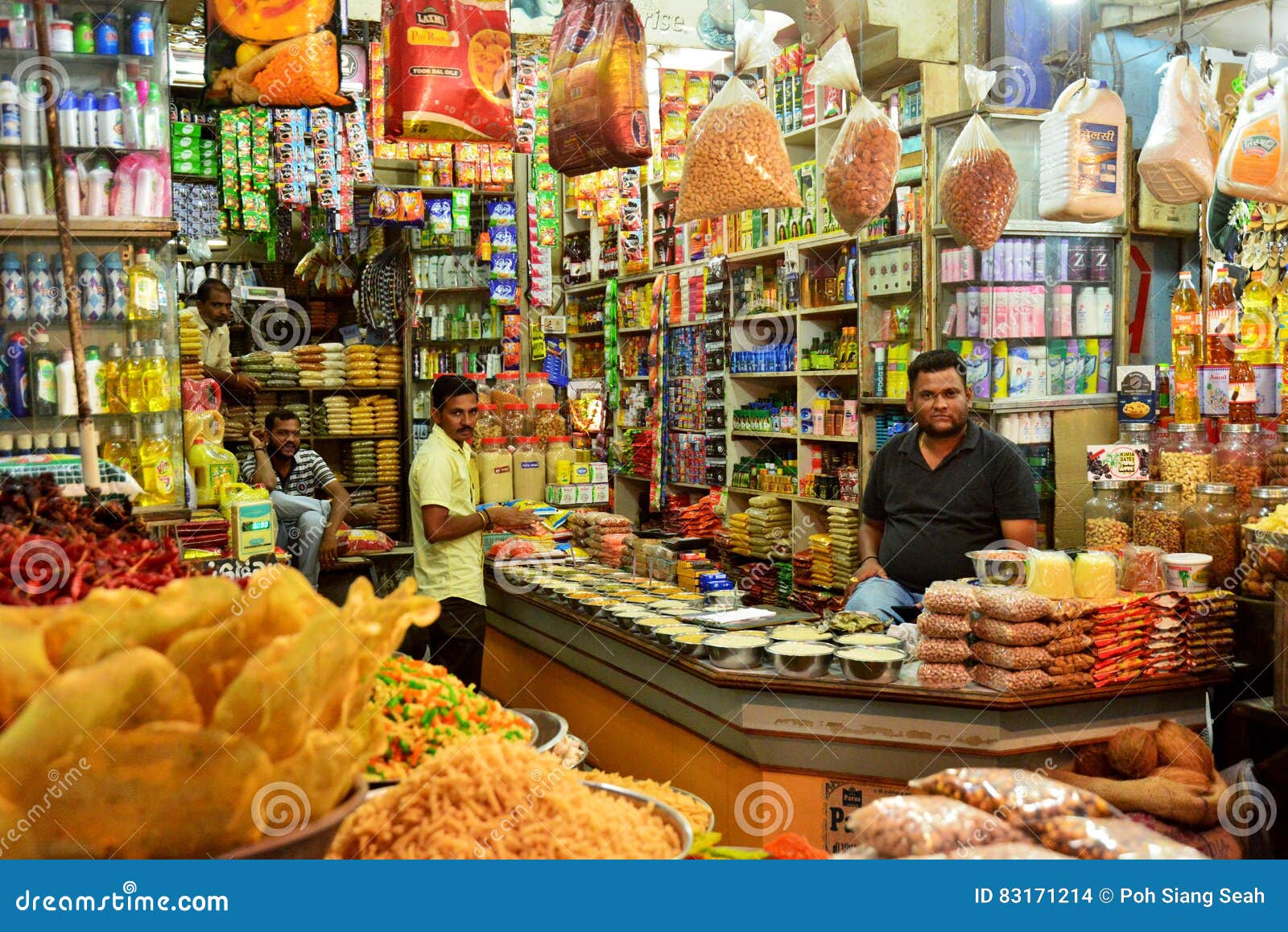
- Street View and Photos: Examine user-submitted photos. A high-quality Indian grocery store will typically show well-stocked aisles of bulk rice (Basmati/Sona Masoori), a dedicated refrigerator for fresh paneer and yogurt, and a produce section featuring okra (bhindi), bitter melon (karela), and various gourds.
AI-Enhanced Local Search
By 2026, most search engines utilize generative AI to synthesize local data. You can ask complex queries such as, "Which Indian grocery store near me has the best selection of South Indian snacks?" or "Find an Indian store open after 9 PM that sells fresh paratha." These queries analyze thousands of user reviews to give you a qualitative answer rather than just a pin on a map.
Specialized Ethnic Delivery and Discovery Platforms
If you prefer to browse from home or live in an area where physical stores are sparse, specialized platforms have filled the gap. These services often partner with local "mom-and-pop" brick-and-mortar shops to bring their inventory online.
Quicklly and Weee!
These platforms have expanded significantly. Quicklly focuses specifically on South Asian markets, allowing you to search by zip code to see which local stores offer delivery. They often provide access to specialty items like tiffin services and sweets (mithai) that might not be available in a general search. Weee!, while broadly focused on Asian groceries, has a robust Indian section that often features competitive pricing on bulk staples.
Instacart and Uber Eats
For those in major metropolitan areas, national delivery giants often have "Ethnic" or "International" tabs. The advantage here is the "Shop Specific Store" feature. You can select a known local Indian grocer and browse their exact aisle inventory in real-time. This is particularly useful for verifying if a store carries a specific brand of spice (like MDH or Everest) or a particular type of rice before you make the drive.
Major National and Regional Indian Grocery Chains
If you are looking for consistency and a wide selection, targeting established chains is a reliable strategy. These stores often function as "anchor" businesses in South Asian commercial hubs.
| Chain Name | Regional Strength | Known For |
|---|---|---|
| Patel Brothers | Nationwide (USA) | Extensive produce, bulk spices, and private label (SWAD) products. |
| Subzi Mandi | Northeast / Mid-Atlantic | Competitive pricing on fresh vegetables and frozen prepared foods. |
| Apna Bazar | New York / New Jersey / Texas | Large-scale supermarket feel with dedicated meat/halal sections. |
| Nilgiris | Southern India / International | Specialty South Indian dairy and bakery items. |
| Local Independent | Neighborhood Specific | Regional specialties (e.g., Bengali fish, Gujarati snacks, or Kerala spices). |
The "Anchor Store" Strategy
If you cannot find a store directly in your town, search for the nearest "Little India" or South Asian business district. In many Western cities, Indian grocery stores cluster together. Finding one major store like Patel Brothers often means there are three or four smaller, more specialized shops within a two-block radius that may offer better prices on specific items like loose-leaf tea or fresh snacks (chaat).
Community-Based Discovery Methods
Digital tools sometimes miss the most authentic, smaller shops that rely on word-of-mouth rather than SEO. To find these "hidden gems," tap into local community resources.
Social Media Groups
Search Facebook or Reddit for groups titled "Indians in [Your City]" or "Desi Cooks of [Region]." These communities are invaluable for finding out which stores receive fresh shipments of produce on specific days. For example, knowing that "the store on 5th Street gets fresh curry leaves every Thursday morning" is information a map app cannot provide.
Cultural and Religious Centers
Hindu temples, Gurdwaras, and Islamic centers often have community boards or nearby commercial complexes. Because these institutions serve the South Asian diaspora, the highest-quality grocery stores are almost always located within a short drive of these centers. If you are new to an area, visiting these locations can lead you to the most frequented markets.
Key Considerations When Choosing a Store
Once you have identified several options, evaluate them based on the following criteria to ensure a productive shopping experience:
- Produce Turnover: Indian cooking relies heavily on fresh, specific produce. High-traffic stores have faster turnover, meaning the cilantro, green chilies, and ginger will be fresher.
- Product Origin and Expiry: Check the labels on imported goods. Ensure the store manages its "Best Before" dates strictly, especially for flour (atta) and oils, which can go rancid if sitting too long on a shelf.
- Regional Focus: Not all Indian stores are the same. Some lean heavily toward North Indian/Punjabi staples, while others may specialize in South Indian (Dosa batters, specific lentils) or West Indian (Gujarati snacks) items. Choose a store that aligns with your specific culinary needs.
- In-House Services: Many premier Indian grocery stores in 2026 offer additional services such as on-site flour milling (chakki), custom meat cutting (Halal), or a small cafe section serving fresh samosas and chai.
Common Mistakes to Avoid
- Assuming "Asian Market" Means Indian: General Asian or "International" markets often focus on East Asian (Chinese, Japanese, Korean) ingredients. While they may have some overlap, they rarely carry the specific variety of lentils, spice blends, or flours essential for Indian cuisine.
- Ignoring the "Ship-to-Home" Option: For dry goods like spices and lentils, if the nearest physical store is over 30 miles away, it is often more cost-effective and environmentally friendly to use an online specialist. Many offer free shipping on orders over a certain amount, which is easily met when stocking up on bulk rice and flour.
- Visiting During Peak Hours: Indian grocery stores are community hubs. Saturday and Sunday afternoons are notoriously crowded. For a calmer experience and the best selection of fresh produce, aim for weekday mornings or Tuesday/Wednesday evenings when new stock typically arrives.
Troubleshooting Search Results
If your search is yielding no results, try expanding your parameters:
- Search for Brands: Instead of "Indian store," search for "Ashirvaad Atta" or "Deep Foods." Google will often point you to the retailers that carry those specific brands.
- Check "Halal" Markets: Many Middle Eastern or Pakistani grocery stores carry a significant overlap of Indian spices, Basmati rice, and lentils.
- Check Professional Directories: Sites like Yelp or the Yellow Pages (online) sometimes maintain listings for older, established businesses that haven't optimized their Google Business profiles.
Summary of Recommendations
For the most efficient search, begin with Google Maps using the keyword "Indian grocery." If you are looking for specific brands or want the convenience of delivery, download the Quicklly or Instacart app. For those who prioritize freshness and community-vetted quality, joining a local Facebook group for the South Asian community will provide the most nuanced recommendations. Always check for recent reviews to ensure the store is still in operation and maintains high standards of cleanliness and stock variety.
FAQ
What are the best keywords to use when searching for an Indian store? Beyond "Indian grocery," try searching for "Desi market," "Spices and Lentils," or "South Asian grocery." If you need specific regional items, try "South Indian store" or "Halal meat and grocery," as these often narrow the search to businesses that cater to specific dietary or regional needs.
Do Indian grocery stores offer home delivery in 2026? Yes, most major Indian grocers now partner with third-party delivery services like Instacart, Uber Eats, or DoorDash. Additionally, niche platforms like Quicklly and Weee! specialize in ethnic groceries and often provide more competitive pricing and a wider range of traditional brands than general delivery apps.
How can I tell if an Indian grocery store sells fresh produce? Check the user photos on Google Maps or Yelp specifically for the produce section. Look for vibrant greens and a wide variety of gourds. Reviews that mention "fresh arrival days" are a good indicator. Generally, larger chains like Patel Brothers have the most consistent produce turnover due to high customer volume.
Are online Indian grocery stores cheaper than physical stores? It depends on the item. Bulk items like 20lb bags of rice or 10lb bags of flour are often cheaper in-store because they are heavy and expensive to ship. However, for specialty spices, jarred pickles, and dry snacks, online retailers often offer competitive "bundle" pricing and subscriptions that can save you money over time.
Can I find Indian groceries at major supermarkets like Walmart or Kroger? While most major supermarkets have an "International" aisle with basic spices, simmer sauces, and small bags of Basmati rice, they rarely carry the specialized produce, bulk lentils, or authentic frozen meals found in a dedicated Indian grocery store. For a full recipe, a specialized store is usually necessary.
Image Gallery