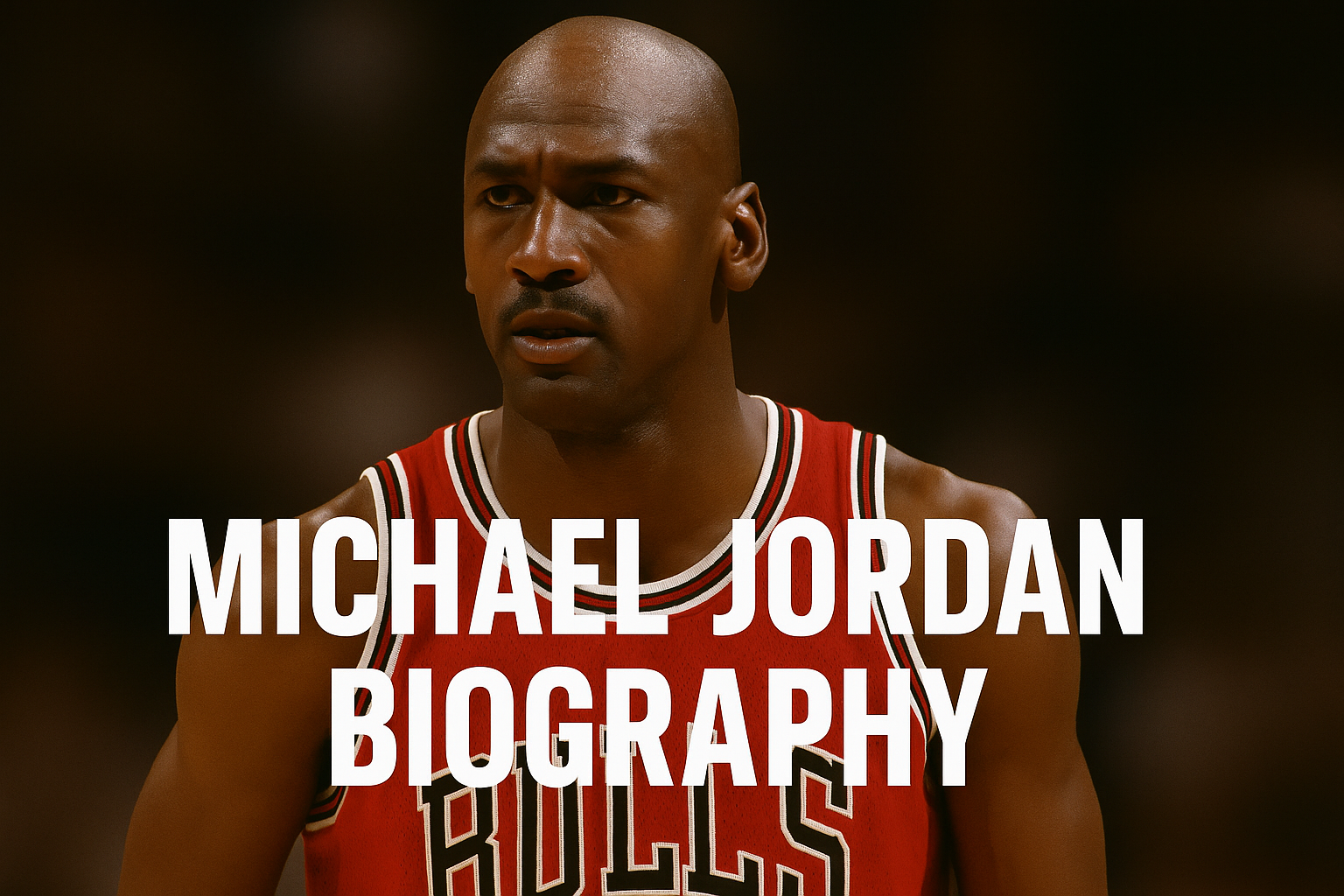
The Michael Jordan Celtics Story Revisited: A 63-Point Masterpiece 40 Years Later
The story of Michael Jordan versus the 1985-86 Boston Celtics centers on a historic 63-point performance in Game 2 of the Eastern Conference First Round. Though the Chicago Bulls were swept, Jordan’s record-breaking scoring output in t...
The story of Michael Jordan versus the 1985-86 Boston Celtics centers on a historic 63-point performance in Game 2 of the Eastern Conference First Round. Though the Chicago Bulls were swept, Jordan’s record-breaking scoring output in the Boston Garden remains the highest single-game total in NBA playoff history, signaling his ascent to legendary status.
Contents
The Context: A Season of Uncertainty and Conflict
To understand the magnitude of Michael Jordan’s performance against the Celtics, one must revisit the volatile circumstances of the 1985-86 NBA season. In just the third game of his second year, Jordan suffered a broken bone in his left foot. For a young star whose game relied on explosive athleticism and sudden changes of direction, the injury was potentially career-threatening.
The conflict that followed between Jordan and the Chicago Bulls’ front office—specifically owner Jerry Reinsdorf and General Manager Jerry Krause—defined the early part of his career. Management wanted Jordan to sit out the entire season to ensure a full recovery and, perhaps more pragmatically, to secure a better position in the NBA Draft lottery. Jordan, driven by an almost pathological competitive urge, refused to "tank."
After a grueling rehab process at the University of North Carolina, Jordan returned for the final 15 games of the regular season. However, he was placed on a strict "minutes restriction," often capped at 28 minutes per game. This led to the infamous scene where Jordan had to be pulled from a close game against the Indiana Pacers to satisfy the medical staff's timeline, despite his protests. By the time the playoffs arrived, the restriction was loosened, setting the stage for a collision with arguably the greatest team in basketball history.
The Opponent: The 1986 Boston Celtics Juggernaut
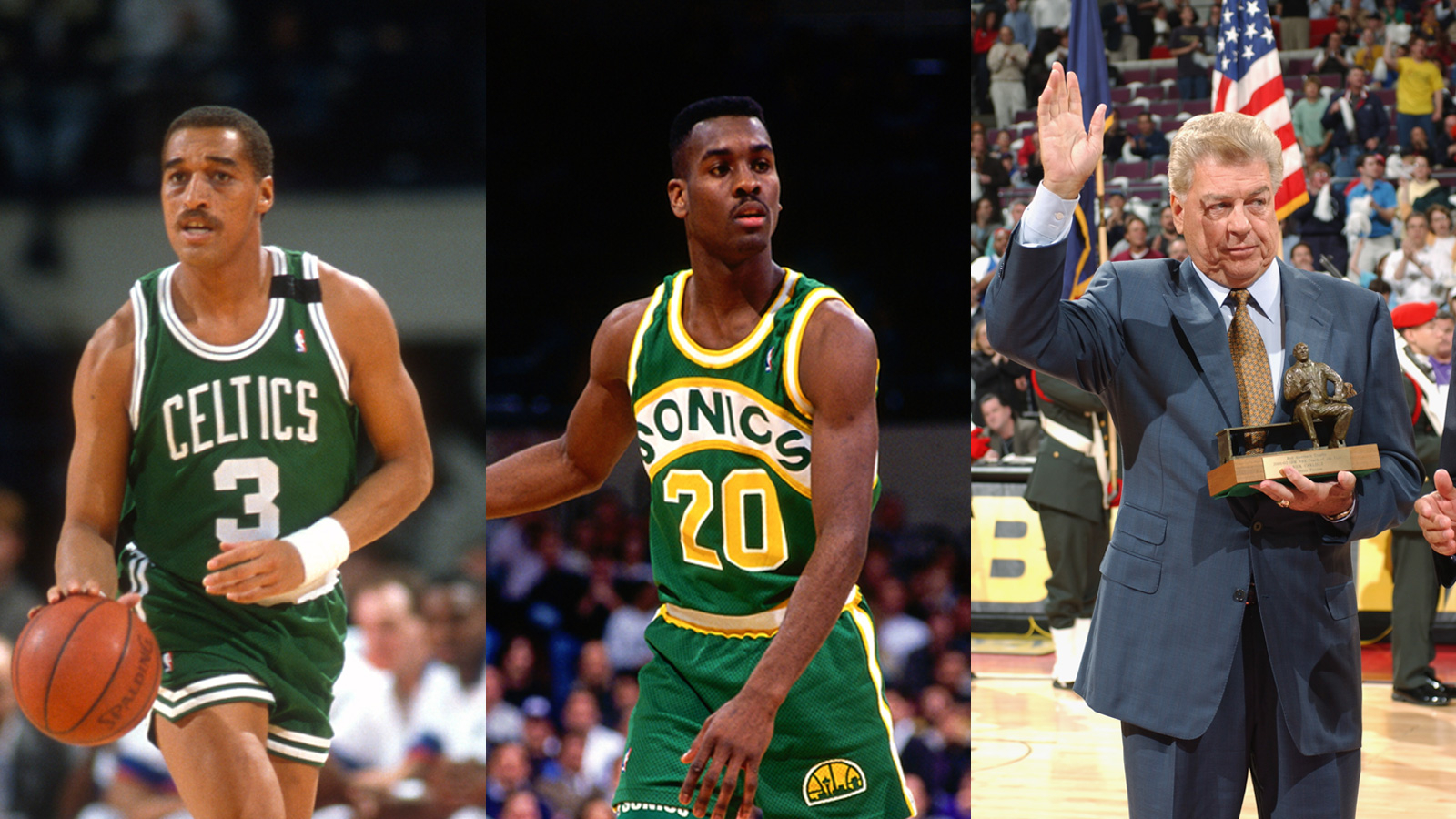
The 1985-86 Boston Celtics are frequently cited by historians and analysts as the gold standard for NBA excellence. Finishing the regular season with a 67-15 record, they were nearly invincible at home, going 40-1 at the Boston Garden. The roster featured five future Hall of Famers: Larry Bird, Kevin McHale, Robert Parish, Dennis Johnson, and Bill Walton (coming off the bench).
This Celtics team was not merely talented; they were a tactical masterpiece. They possessed elite interior scoring with McHale and Parish, world-class shooting and playmaking from Larry Bird, and a backcourt of Dennis Johnson and Danny Ainge that specialized in defensive irritation. For a 30-52 Bulls team that had scraped into the eighth seed, the matchup looked like a sacrificial offering. The Celtics were the heavy favorites to win the championship—a feat they eventually accomplished—making Jordan’s subsequent individual explosion even more improbable.
Game 1: The Warning Shot
While Game 2 is the centerpiece of the "Jordan vs. Celtics" lore, the opening game of the series provided the necessary foreshadowing. On April 17, 1986, Jordan dropped 49 points on the Celtics. The Bulls lost 123-104, but the performance left the Boston crowd and the Celtics roster uneasy.
Jordan’s 49 points came against a defense that was specifically designed to funnel players into the "Big Three" in the paint. He navigated the mid-range with ease, using his verticality to shoot over defenders who were often several inches taller. Celtics guard Danny Ainge later remarked that they knew they were in trouble because Jordan wasn't just getting lucky shots; he was dictating exactly where he wanted to go on the floor.
April 20, 1986: The 63-Point Masterpiece
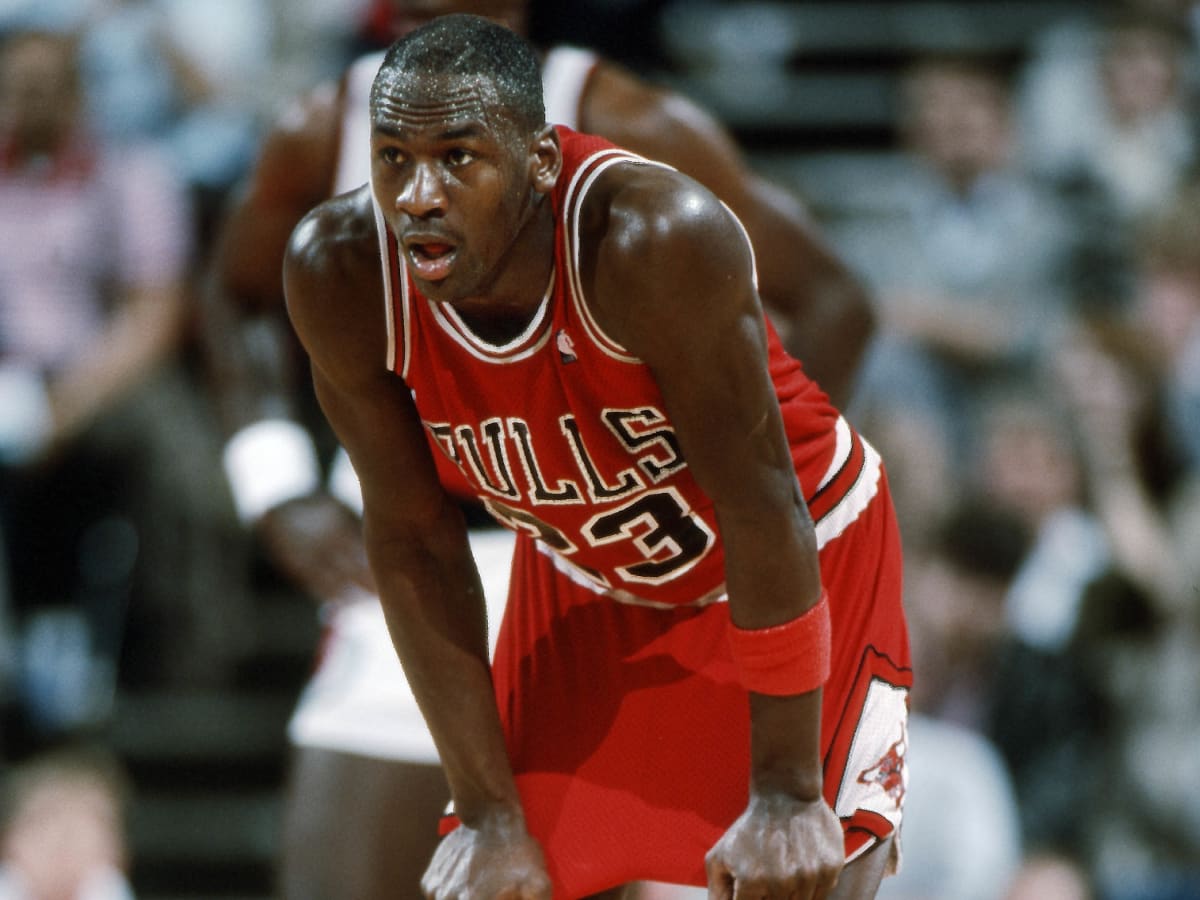
The second game of the series remains the most discussed individual performance in the history of the NBA postseason. In a double-overtime thriller, Jordan scored 63 points, breaking the previous playoff record of 61 set by Elgin Baylor in 1962.
The Statistical Breakdown
What makes the 63 points staggering is the efficiency and the era-specific style of play. In 1986, the three-point shot was a secondary tool, not a primary weapon.
- Field Goals: 22-of-41
- Three-Pointers: 0-of-0
- Free Throws: 19-of-21
- Final Score: Celtics 135, Bulls 131 (2OT)
Jordan did not attempt a single three-pointer during the entire game. Every point was earned through mid-range jumpers, acrobatic drives to the rim, and drawing fouls against a physical Celtics defense. He played 50 minutes, essentially ignoring any lingering concerns about his foot.
The Defensive Challenge
The Celtics threw everything at Jordan. Dennis Johnson, one of the greatest perimeter defenders in league history, spent the majority of the night shadowed by MJ. When Johnson was beaten, McHale and Parish—two of the best rim protectors of the 80s—waited in the paint. Jordan countered with a display of "body control" that has rarely been matched. He utilized his "hang time" to adjust shots in mid-air, often releasing the ball as he was descending to avoid the outstretched arms of the Boston giants.
"God Disguised as Michael Jordan"
The most famous quote in basketball history emerged from the locker room following Game 2. Larry Bird, who was at the peak of his powers and would go on to win his third consecutive MVP that season, was uncharacteristically humble when discussing the young Bulls guard.
"I think he's the most exciting, awesome player in the game today. I think it's just God disguised as Michael Jordan." — Larry Bird
This statement validated Jordan in a way that statistics could not. Coming from Bird, a player known for his trash-talking and supreme confidence, it was an admission that they were witnessing a generational shift. While the Celtics won the game and eventually the series in a 3-0 sweep, the narrative had shifted from "Can the Celtics win the title?" to "What is this 23-year-old capable of?"
Comparative Performance: Game 1 vs. Game 2
The following table highlights the progression of Jordan's dominance across the first two games of the 1986 series against the Celtics.
| Statistic | Game 1 (April 17, 1986) | Game 2 (April 20, 1986) |
|---|---|---|
| Points | 49 | 63 |
| Field Goals Made/Att | 18-36 (50%) | 22-41 (53.7%) |
| Free Throws Made/Att | 13-15 (86.7%) | 19-21 (90.5%) |
| Rebounds | 4 | 5 |
| Assists | 1 | 6 |
| Steals | 2 | 3 |
| Blocks | 1 | 2 |
| Minutes Played | 43 | 50 |
| Outcome | Loss (104-123) | Loss (131-135, 2OT) |
The Tactical Impact: How the Celtics Responded
Despite Jordan’s individual brilliance, the 1986 Celtics won the series because of their depth and disciplined execution. After Game 2, Celtics coach K.C. Jones made minor adjustments to ensure that while Jordan might get his points, the rest of the Bulls roster would be completely neutralized.
In Game 3, the Celtics focused on "fronting" the post and ensuring that Jordan’s passing lanes were clogged. Jordan still scored 19 points, 10 rebounds, and 9 assists, but the Celtics cruised to a 122-104 victory to complete the sweep. This series served as the first major lesson for Jordan: individual greatness could break records, but championship success required a cohesive team structure—a lesson that would take him another five years to fully capitalize on with the arrival of Phil Jackson and the development of Scottie Pippen.
Why the Story Matters in 2026
As we look back in 2026, forty years after this historic series, the "63-point game" remains a cornerstone of NBA culture. It serves as the bridge between the traditional team-oriented basketball of the 60s and 70s and the superstar-driven era of the modern game.
Today, with advanced player tracking and high-definition archival footage, fans can appreciate the technical nuances of Jordan's footwork and elevation that were only whispered about in the 80s. The 1986 series is often the starting point for "Greatest of All Time" (GOAT) debates because it proved Jordan could dominate the greatest team of an era while essentially playing "one-on-five."
FAQs About the Michael Jordan vs. Celtics Series
Did the Chicago Bulls win any games in the 1986 series against the Celtics?
No. The Boston Celtics swept the Chicago Bulls 3-0 in the best-of-five First Round series. Despite Michael Jordan’s record-breaking performances in Games 1 and 2, the overall depth and experience of the Celtics roster were too much for the young Bulls team to overcome.
Who was the primary defender on Michael Jordan during the 63-point game?
The primary defender was Dennis Johnson, a Hall of Fame guard and five-time All-Defensive First Team selection. Danny Ainge also spent significant time guarding Jordan. When Jordan drove to the basket, he was met by the "twin towers" of Kevin McHale and Robert Parish.
Is Jordan’s 63-point game still the NBA playoff record?
Yes. As of 2026, Michael Jordan’s 63 points against the Boston Celtics on April 20, 1986, remains the highest number of points ever scored by a single player in an NBA playoff game. The closest any player has come since was Donovan Mitchell, who scored 57 points in 2020.
Why did Michael Jordan almost miss the 1986 playoffs?
Jordan suffered a broken tarsal bone in his left foot during the third game of the regular season. The Bulls management wanted him to sit out the entire season to ensure he didn't suffer a career-ending injury, but Jordan insisted on returning. He eventually came back for the final 15 games of the season under a strict minutes restriction.
What were Larry Bird’s stats in the 63-point game?
While Jordan stole the headlines, Larry Bird had a massive game himself to secure the win for Boston. Bird finished with 36 points, 12 rebounds, and 8 assists, playing 56 minutes in the double-overtime contest.
Practical Recommendation for Fans and Historians
To truly appreciate the "Michael Jordan Celtics story," one should seek out the full broadcast of Game 2 rather than just the highlights. Watching the game in its entirety reveals the physical toll of the 1980s NBA, the lack of space on the floor compared to the modern era, and the sheer relentless nature of Jordan’s attack. For those interested in the technical evolution of the sport, analyzing Jordan's shot selection in this game—specifically his reliance on the "bank shot" and the "pull-up jumper"—provides a masterclass in scoring efficiency without the benefit of the three-point line.
Image Gallery