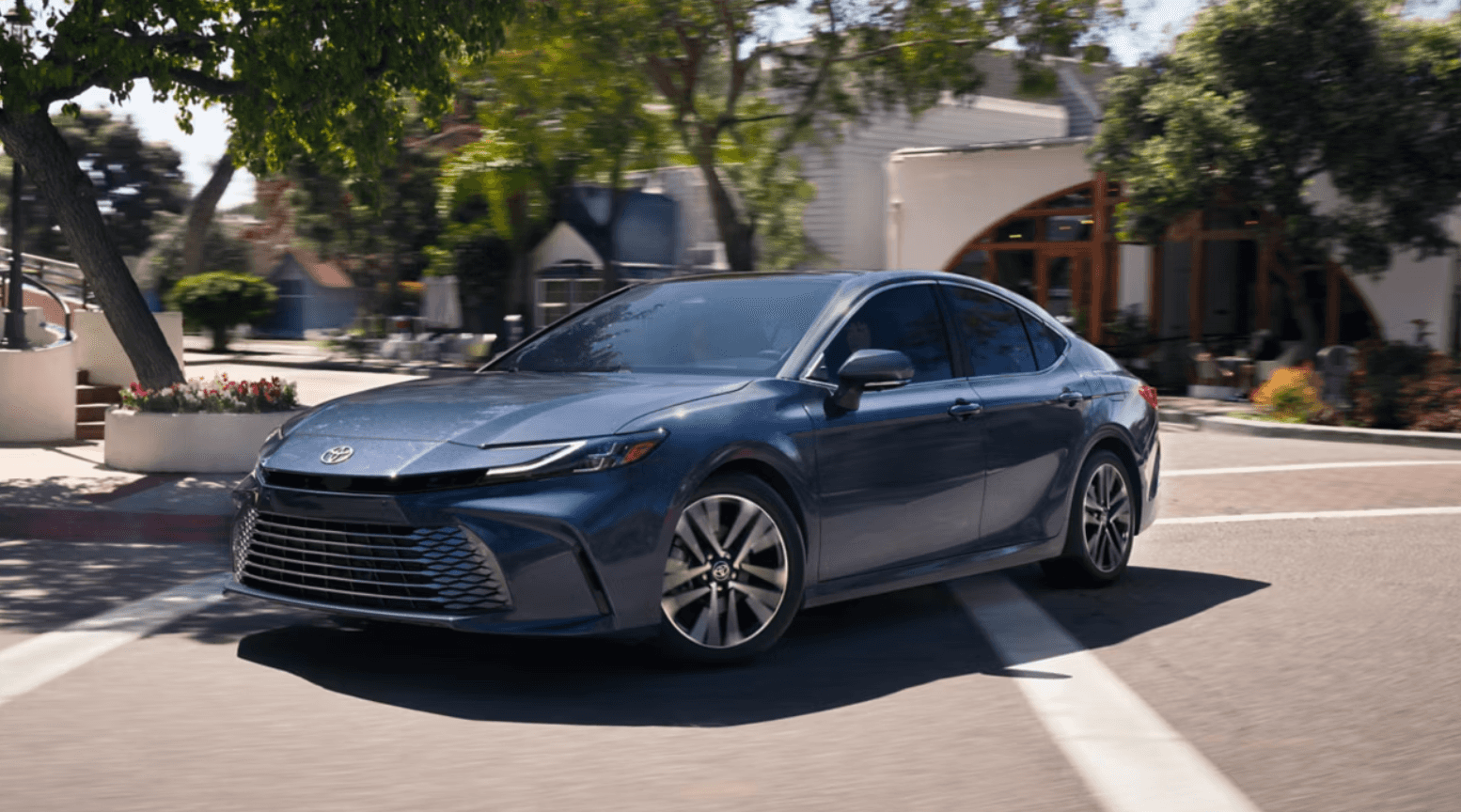
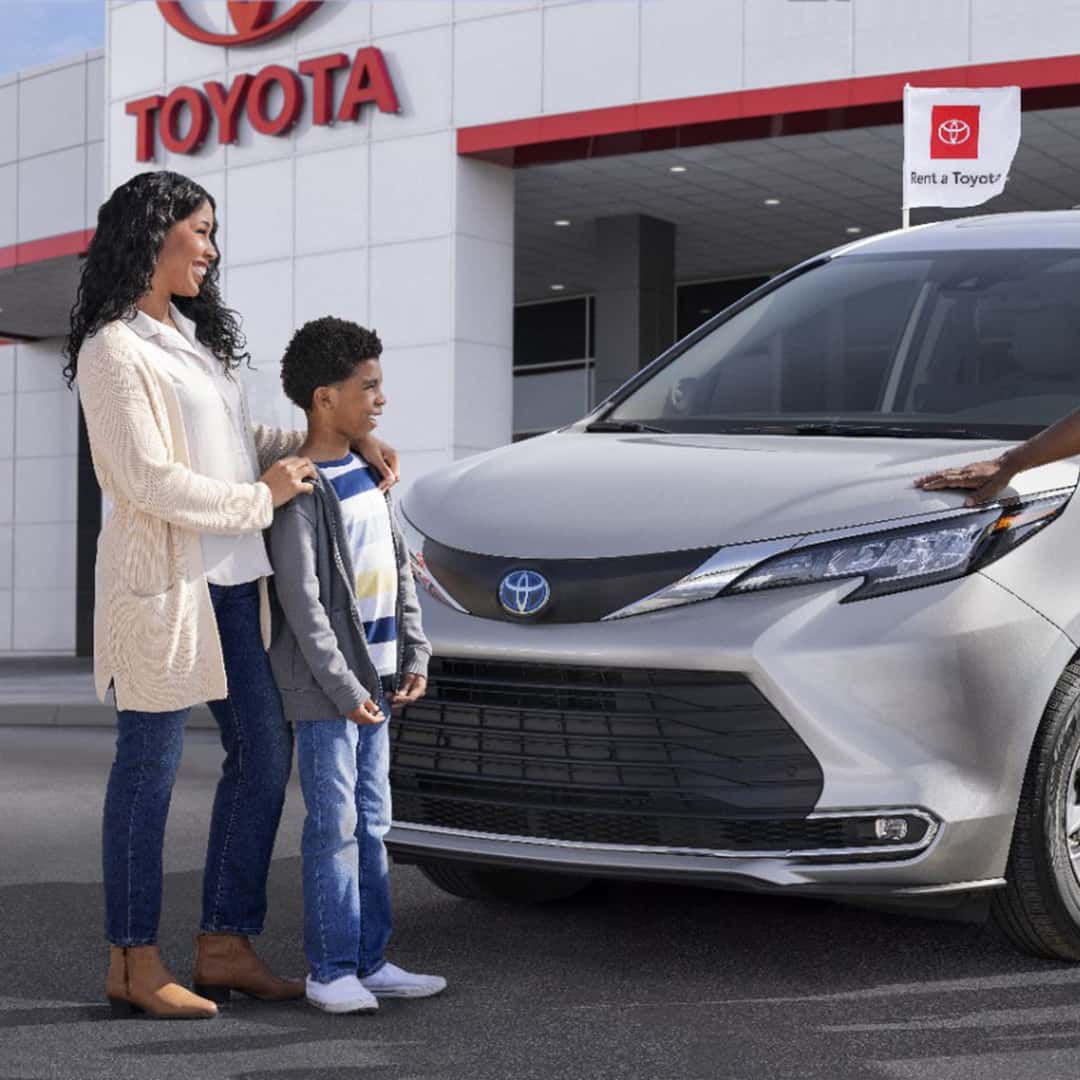
Comprehensive Guide to Toyota Car Loans: Financing Options, Eligibility, and Application in 2026
A Toyota car loan is a specialized financing agreement typically facilitated through Toyota Financial Services (TFS) or third-party lenders to fund the purchase of a new or certified pre-owned Toyota vehicle. In 2026, these loans offer...
A Toyota car loan is a specialized financing agreement typically facilitated through Toyota Financial Services (TFS) or third-party lenders to fund the purchase of a new or certified pre-owned Toyota vehicle. In 2026, these loans offer competitive interest rates, flexible terms ranging from 24 to 84 months, and specific incentives like rebates for recent graduates or military personnel, allowing buyers to distribute the vehicle's cost over time.
Contents
Securing a vehicle in 2026 requires more than just picking a model; it demands a strategic approach to financing. Whether you are eyeing the latest hybrid Tundra or the all-electric bZ series, understanding the mechanics of a Toyota car loan—from credit tiers to the final "wet ink" on the contract—is essential for long-term financial health.
Understanding Toyota Financial Services (TFS)
Toyota Financial Services (TFS) is the "captive" finance arm of the Toyota Motor Corporation. This means its primary goal is not just to profit from interest, but to facilitate the sale of Toyota vehicles. Because of this relationship, TFS can often offer promotional rates (such as 0% or 1.9% APR) that traditional commercial banks cannot match.
In the 2026 market, TFS has transitioned into a fully digital ecosystem. While the dealership remains the physical point of delivery, the financing journey usually begins online. TFS offers two primary paths: retail installment contracts (standard loans) and lease agreements. For most buyers looking for ownership, the retail installment contract is the standard "car loan." This contract allows you to build equity in the vehicle until the lien is released upon the final payment.
One of the distinct advantages of going through TFS is the integration with Toyota's maintenance and protection plans. Buyers can often roll the costs of Extended Gold or Platinum service contracts directly into the monthly loan payment, simplifying their monthly budgeting.
Key Toyota Financing Programs in 2026
Toyota provides several specialized lending programs designed to lower the barrier to entry for specific demographics. These are not merely marketing slogans but structured financial products with specific internal codes and requirements.
The College Graduate Program
Recognizing that recent graduates may have high earning potential but limited credit history, Toyota offers a specialized rebate and competitive financing rates. In 2026, this program typically requires proof of graduation within the last two years or upcoming graduation within six months. The primary benefit is the "waived" security deposit on leases or a significant "rebate" applied to the down payment on a loan.
The Military Rebate
Active-duty personnel, retirees, and veterans are eligible for specific rebates that can be stacked with current financing offers. This is Toyota’s way of rewarding service while capturing a loyal customer base. In 2026, this program requires a Leave and Earnings Statement (LES) or a DD214 form to verify eligibility.
Certified Used Vehicle (TCUV) Financing
Not all Toyota loans are for brand-new cars. The Toyota Certified Used Vehicle (TCUV) program provides specialized lending rates for older models that have passed a rigorous 160-point inspection. These loans often mirror new-car interest rates, which is a significant advantage over standard "used car" loans from independent banks, which typically carry much higher APRs.
Eligibility Requirements and Credit Tiers
To qualify for a Toyota car loan in 2026, lenders look at a "holistic" borrower profile, though the FICO score remains the dominant metric. Toyota Financial Services generally categorizes applicants into "Tiers."
- Tier 1+ and Tier 1: These are the "prime" and "super-prime" borrowers. They qualify for the lowest advertised APRs. Usually, a score above 720 is required.
- Tier 2 and 3: These are "near-prime" borrowers. Rates will be slightly higher, and there may be stricter requirements regarding the debt-to-income (DTI) ratio.
- Tier 4 and Below: These are "sub-prime" categories. While Toyota does offer some credit-builder programs, borrowers in these tiers may be required to provide a larger down payment (often 20% or more) or secure a co-signer.
Beyond credit scores, you must provide:
- Proof of Income: Recent pay stubs or tax returns for the self-employed.
- Proof of Residence: Utility bills or a lease agreement.
- Insurance Verification: Toyota requires "Full Coverage" insurance (Comprehensive and Collision) for the duration of the loan to protect their asset.
Comparative Analysis: TFS vs. Traditional Banks
When seeking a Toyota car loan, you are not limited to the dealership's captive finance. Commercial banks, credit unions, and online lenders are viable alternatives.
| Feature | Toyota Financial Services (TFS) | Traditional Banks / Credit Unions |
|---|---|---|
| Typical APR (Prime) | 0.9% - 4.9% (Promotional) | 5.5% - 7.5% |
| Approval Speed | Near-instant at dealership | 24 - 48 hours |
| Incentives | Cash-back rebates & loyalty perks | None (usually) |
| Flexibility | High for Toyota-specific products | High for various vehicle brands |
| Gap Insurance | Often integrated into the deal | Often a separate add-on |
| Digital Management | Integrated via Toyota App | Separate banking app |
While TFS often wins on promotional rates for new cars, a local credit union might offer better terms for a high-mileage used Toyota or for borrowers with a long-standing personal relationship with the bank.
The Application Process: Step-by-Step
Navigating the loan process in 2026 is designed to be seamless, but it requires preparation to ensure you don't overpay.
1. Pre-Qualification
Before visiting a showroom, use the Toyota online portal to "pre-qualify." This is usually a "soft" credit pull that does not impact your credit score. It gives you an estimated interest rate and maximum loan amount, allowing you to shop with a realistic budget.
2. Formal Application and Hard Inquiry
Once you select a vehicle, you will submit a formal application. This triggers a "hard" credit pull. In 2026, if you are shopping around, multiple inquiries for an auto loan within a 14-day window are typically treated as a single event by FICO scoring models, so it is beneficial to compare rates quickly.
3. Reviewing the "F&I" Menu
In the dealership’s Finance and Insurance (F&I) office, you will be presented with the final loan contract. This is where you must be vigilant. Ensure the APR matches your pre-qualification and check for "add-ons" like VIN etching, nitrogen-filled tires, or paint protection that might have been rolled into the loan amount without your explicit request.
4. Digital Signing and Funding
In 2026, most Toyota loans are closed via e-contracting. You will sign on a tablet, and the documents will be emailed to you immediately. The "funding" happens in the background between TFS and the dealership, allowing you to drive the car home the same day.
Managing Your Loan and Avoiding Pitfalls
Once the loan is active, management occurs through the Toyota Financial Services digital portal.
Auto-Pay Benefits: Setting up automatic payments is often a requirement for the lowest promotional rates. It also ensures you avoid late fees, which can be as high as $35 or 5% of the payment amount, depending on the state.
Prepayment Penalties: Most Toyota car loans in 2026 are "simple interest" loans with no prepayment penalties. This means if you receive a tax refund or a bonus, you can apply it directly to the principal, reducing the total interest paid over the life of the loan.
The "Underwater" Risk: Because new cars depreciate quickly, you might find yourself "upside down" or "underwater"—meaning you owe more than the car is worth. To mitigate this, aim for a down payment of at least 20% or consider purchasing Guaranteed Asset Protection (GAP) insurance, which covers the difference if the car is totaled.
Frequently Asked Questions
Can I get a Toyota car loan with a 600 credit score?
Yes, it is possible, but you will likely fall into a sub-prime tier. In 2026, Toyota has "Credit Move" programs designed for those with lower scores, but these usually require a substantial down payment (15-25%) and may carry an interest rate significantly higher than the prime rate.
Does Toyota offer 0% APR financing in 2026?
Toyota frequently offers 0% APR on specific models, particularly during "Toyotathon" or seasonal clearance events. However, these rates are usually reserved for Tier 1+ credit scores and are often limited to shorter loan terms, such as 36 or 48 months.
Can I refinance my Toyota loan later?
Yes. If your credit score improves or market interest rates drop, you can refinance your Toyota loan. You can do this through a different bank or credit union. TFS itself generally does not "refinance" its own loans, so you will need to look to an external lender to pay off the TFS balance and start a new contract.
What happens if I miss a payment on my Toyota loan?
TFS typically offers a 7 to 15-day grace period. If the payment is not received by the end of this window, a late fee is assessed. Consistent missed payments can lead to a "Notice of Default" and eventually repossession. If you face financial hardship, it is critical to contact TFS early; in 2026, they offer "Extension" or "Defferal" programs for qualified customers.
Is the Toyota Military Rebate available for used cars?
The $500 military rebate is generally applicable only to new Toyota models financed through TFS. However, individual dealerships may offer local incentives for used vehicles. Always verify the specific "Program Bulletin" dates with the dealer's finance manager.
Final Recommendation
When pursuing a Toyota car loan in 2026, pre-approval is your strongest leverage. By entering the dealership with a confirmed rate from a credit union or bank, you force the Toyota Financial Services representative to meet or beat that rate. Always prioritize the "Total Cost of Ownership" rather than just the monthly payment. A lower monthly payment over 84 months often results in paying thousands more in interest than a slightly higher payment over 60 months.
Note: Interest rates, credit requirements, and program availability are subject to change based on regional market conditions and individual creditworthiness. This guide is for informational purposes and does not constitute professional financial advice.
Image Gallery