Understanding Cervical Spinal Cord Injury Signs and Symptoms
Cervical spinal cord injury (CSCI) symptoms primarily involve the loss of motor function and sensation in all four limbs and the torso, a condition known as tetraplegia or quadriplegia. Depending on the specific level of the neck affec...
Cervical spinal cord injury (CSCI) symptoms primarily involve the loss of motor function and sensation in all four limbs and the torso, a condition known as tetraplegia or quadriplegia. Depending on the specific level of the neck affected (C1 through C8), signs range from total respiratory failure and paralysis to localized weakness in the hands and wrists, often accompanied by autonomic dysfunction.
Contents
A cervical spinal cord injury is one of the most significant medical events a person can experience. Because the cervical region of the spine is located in the neck, it serves as the primary conduit for signals traveling from the brain to the rest of the body. When these signals are interrupted by trauma—such as a motor vehicle accident, a fall, or a sports injury—the consequences are far-reaching. As of 2026, medical protocols focus heavily on rapid stabilization and neuroprotective strategies to mitigate secondary damage following the initial impact. Understanding the nuanced signs and symptoms is critical for both emergency response and long-term rehabilitation planning.
The Anatomy of Cervical Injuries
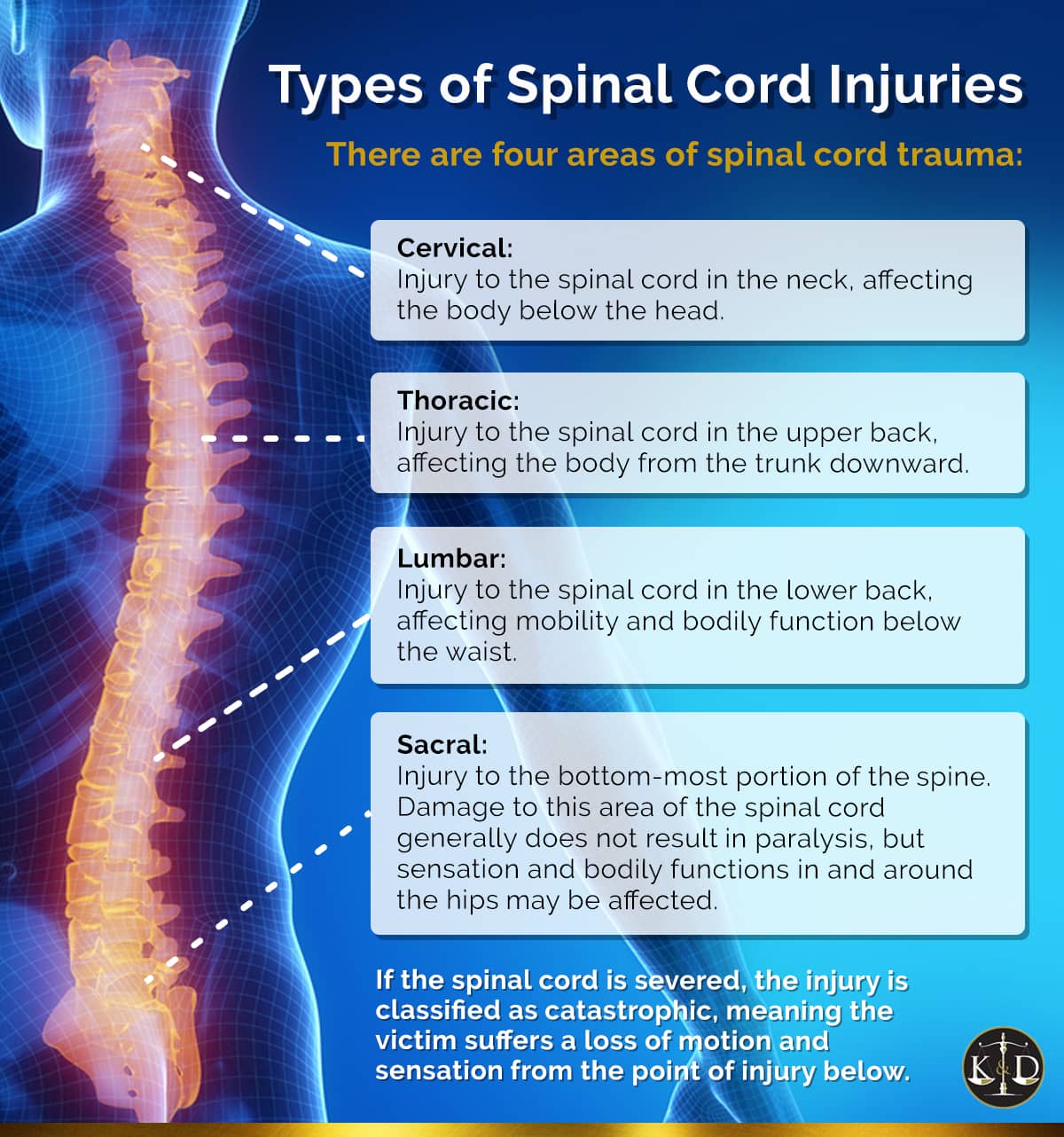
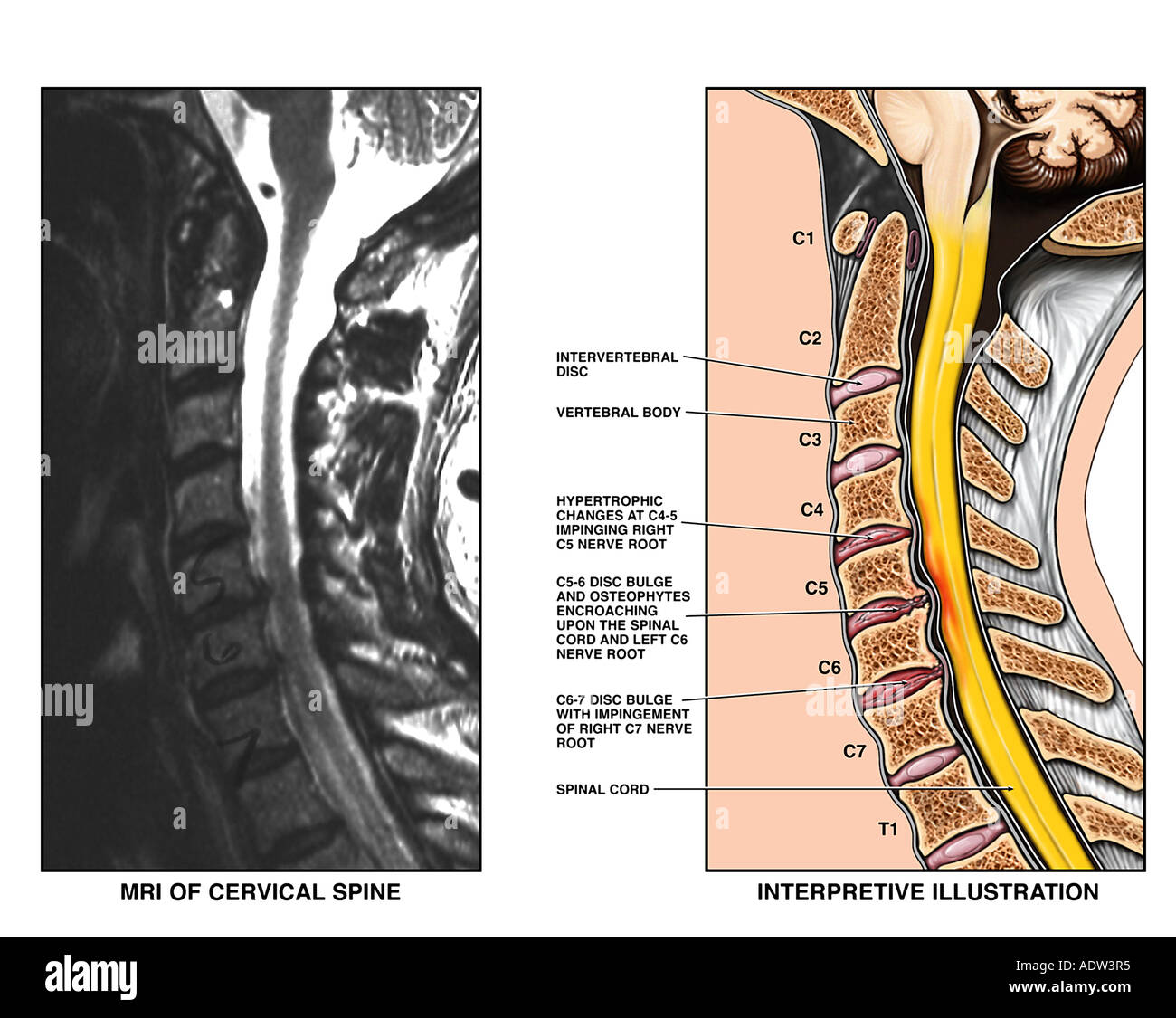
The cervical spine consists of seven vertebrae (C1–C7) that house eight pairs of cervical spinal nerves (C1–C8). The distinction between the bone (vertebra) and the nerve level is vital for clinical diagnosis. A "C5 injury" typically refers to damage at the level of the fifth cervical spinal nerve segment.
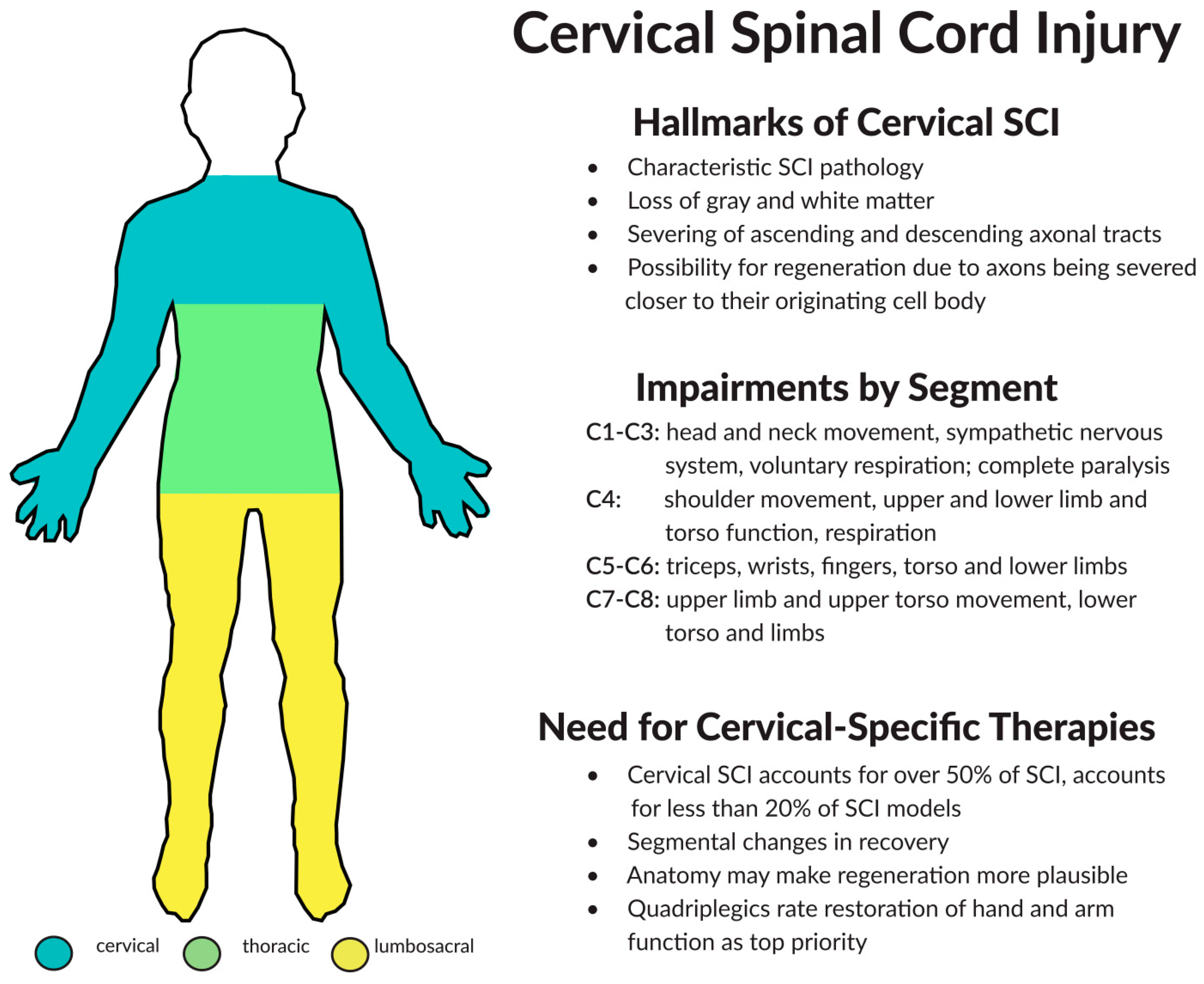
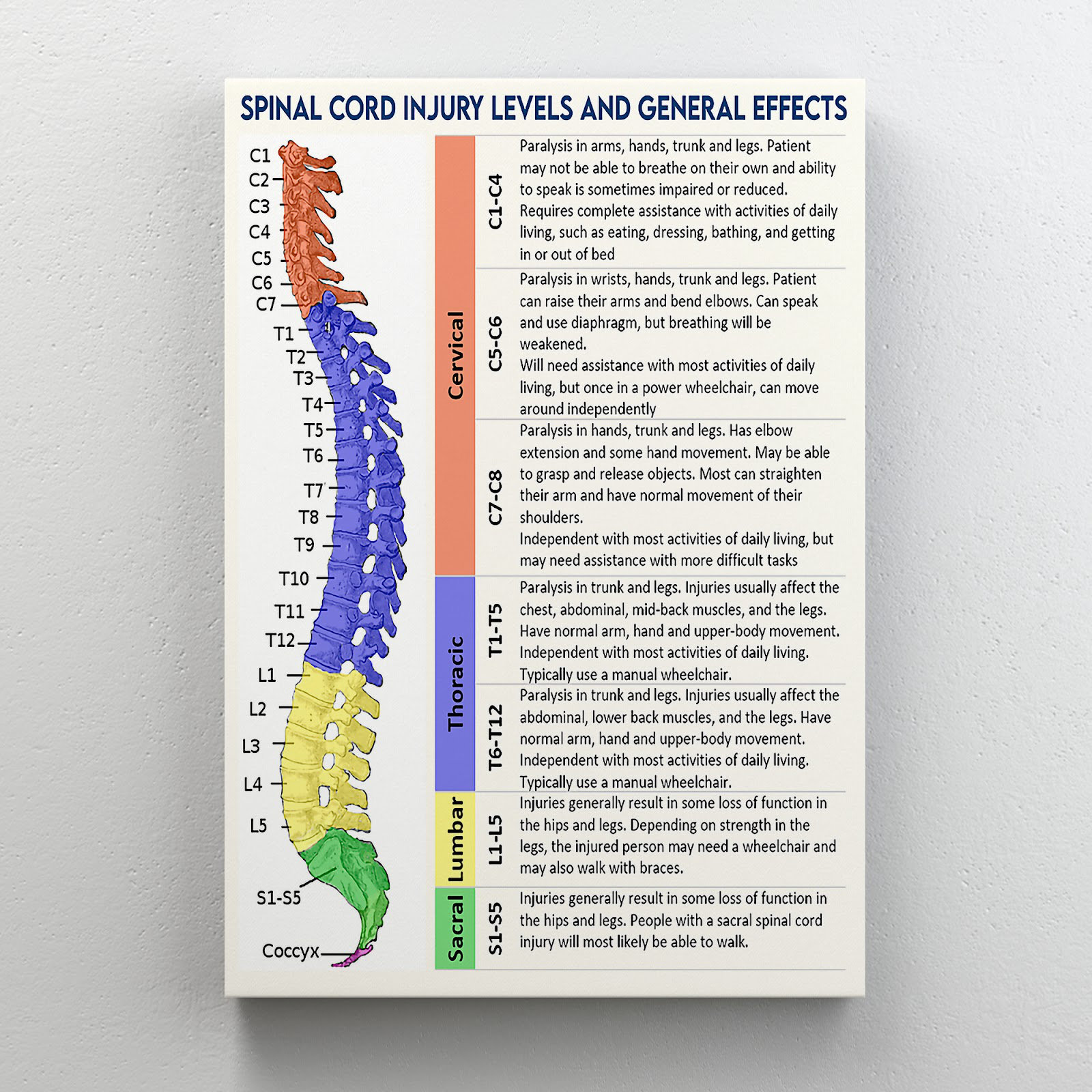
Physiologically, the higher the injury occurs on the spinal cord, the more extensive the loss of function. This is because the spinal cord functions like a vertical highway; an obstruction at the top prevents traffic from reaching any exits below it. Injuries at the C1 to C4 levels are categorized as "high cervical," often resulting in the most severe impairments, including the loss of the ability to breathe independently. Injuries from C5 to C8 are "low cervical" and may allow for varying degrees of arm and hand movement.
Immediate Emergency Signs and Symptoms
In the moments following a traumatic event, recognizing the signs of a cervical spinal cord injury is a matter of life and death. Because the neck supports the head and protects the spinal cord, any forceful impact should be treated as a potential CSCI until proven otherwise by medical imaging.
Physical Indicators of Acute Trauma
Immediate symptoms often include an unnatural angle of the neck or spine, severe back pain, or pressure in the neck and head. Victims may experience "spinal shock," a state where all reflex activity below the level of injury ceases temporarily. This can lead to flaccid paralysis, where muscles are limp and unresponsive.
Sensory and Motor Deficits
A hallmark sign is the inability to move the arms or legs (paralysis) or a profound numbness and tingling (paresthesia) that radiates through the extremities. Some individuals describe a "heaviness" in their limbs or a complete loss of spatial awareness regarding where their legs or arms are positioned.
Respiratory Distress
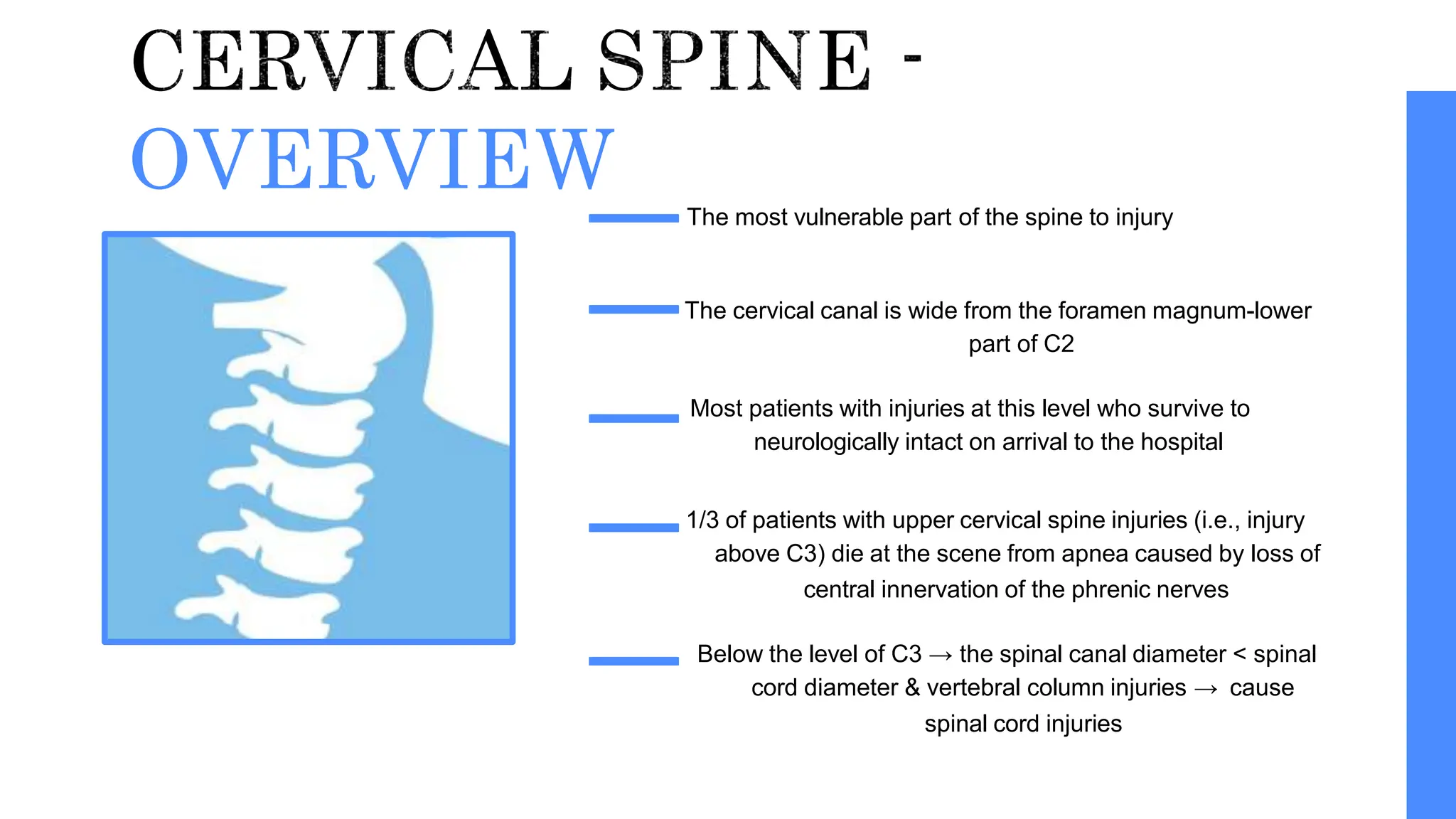
Perhaps the most critical emergency sign is difficulty breathing. The phrenic nerve, which controls the diaphragm, originates from the C3, C4, and C5 levels. If the injury is at or above these levels, the patient may stop breathing entirely or demonstrate shallow, labored "belly breathing," where the chest does not rise effectively.
Classification: Complete vs. Incomplete Injuries
The symptoms of a cervical injury are further defined by the "completeness" of the damage. This is officially graded using the American Spinal Injury Association (ASIA) Impairment Scale.
- Complete Injury: This signifies a total loss of all motor and sensory function below the level of the injury. In a complete cervical injury, there is no "sacral sparing," meaning there is no sensation or voluntary control in the lowest segments of the spinal cord (the anal area).
- Incomplete Injury: This occurs when some signals can still travel across the site of the injury. A person with an incomplete injury may have feeling but no movement, or they may have more strength on one side of the body than the other. Common incomplete syndromes include Central Cord Syndrome (more weakness in the arms than the legs) and Brown-Séquard Syndrome (paralysis on one side and loss of pain/temperature sensation on the other).
Level-Specific Symptoms and Functional Outcomes
The specific nerve level affected dictates which muscles and sensations remain intact. Medical professionals use these markers to predict a patient's long-term independence.
High Cervical (C1–C4)
Injuries at the C1, C2, and C3 levels are life-threatening because they eliminate the brain's ability to control the diaphragm. Patients usually require a mechanical ventilator to breathe. At the C4 level, some diaphragm function may remain, but breathing is often weak. Movement is typically limited to the head and neck, with perhaps some shoulder shrugging.
Mid-to-Low Cervical (C5–C8)
- C5 Level: The individual typically retains control of the deltoids and biceps. They can flex their elbows and lift their arms, but they cannot extend the elbow or move their wrists and hands. They may be able to feed themselves using assistive devices.
- C6 Level: This is a pivotal level for independence. Patients can usually extend their wrists. This allows for a "tenodesis grip," where pulling the wrist back naturally causes the fingers to curl, enabling the person to pick up objects without active finger muscles.
- C7 Level: The triceps become functional, allowing the individual to straighten their arms. This is crucial for "pushing off" surfaces, making independent transfers from a wheelchair to a bed much more feasible.
- C8 Level: The individual regains significant hand movement, including the ability to flex their fingers. While they may still experience some hand weakness, they can often perform most activities of daily living independently.
| Spinal Level | Key Muscle Function | Functional Expectations |
|---|---|---|
| C1 - C3 | Head and neck movement | Requires 24/7 care and ventilator support. |
| C4 | Diaphragm (partial), Trapezius | May breathe without a vent; limited shoulder movement. |
| C5 | Biceps, Deltoids | Can flex elbows; can use a power wheelchair with hand controls. |
| C6 | Wrist Extensors | Can use "tenodesis" grip; potential for independent grooming. |
| C7 | Triceps | Can extend elbows; can perform independent transfers. |
| C8 | Finger Flexors | Functional grasp; high level of independence in daily tasks. |
Secondary Symptoms and Long-Term Complications
Beyond the loss of movement, a cervical spinal cord injury disrupts the autonomic nervous system, which governs involuntary functions like heart rate and digestion.
Autonomic Dysreflexia (AD)
This is a potentially fatal condition that occurs in injuries at the T6 level or above (including all cervical injuries). AD is an overreaction of the autonomic nervous system to a stimulus below the injury—such as a full bladder, a pressure sore, or even a tight shoe. Signs include a sudden, massive spike in blood pressure, a pounding headache, profuse sweating above the level of injury, and a slow heart rate (bradycardia). It is a medical emergency that requires immediate attention to find and remove the triggering stimulus.
Spasticity and Muscle Spasms
As the initial spinal shock wears off, the muscles below the injury level may become hyper-reflexive. This results in spasticity, where muscles remain in a state of contraction or exhibit involuntary "jerking" movements. While sometimes painful, mild spasticity can actually help maintain muscle tone and assist in certain functional movements.
Bladder, Bowel, and Sexual Dysfunction
The nerves controlling the bladder and bowel exit at the base of the spine. Since a cervical injury blocks signals from the brain to these areas, voluntary control is typically lost. Patients must manage these functions using specialized programs (such as catheterization). Sexual function and fertility are also affected, though the specifics vary significantly between complete and incomplete injuries.
Diagnostic Procedures for Verification
When a cervical injury is suspected, clinicians utilize specific diagnostic tools to map the extent of the damage. In 2026, the standard of care involves a combination of neurological exams and advanced imaging.
- CT Scan (Computed Tomography): This is the first-line imaging tool used in emergency rooms to identify fractured vertebrae, blood clots, or vessel damage.
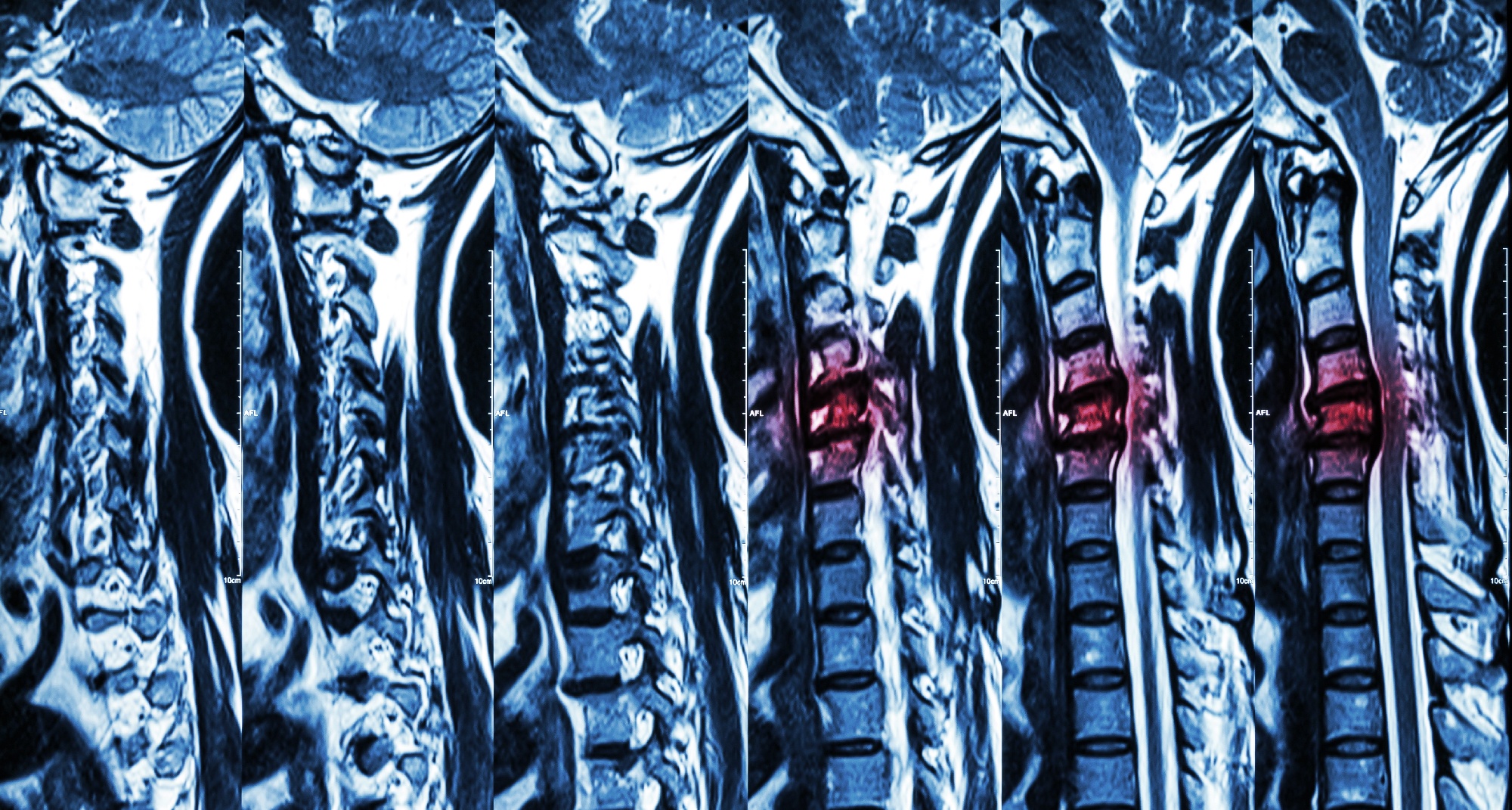
- MRI (Magnetic Resonance Imaging): This is the gold standard for viewing the spinal cord itself. It identifies bruising (contusion), swelling (edema), or compression caused by herniated discs or ligaments.
- X-rays: While less common for detailed cord analysis, X-rays are still used for quick assessments of spinal alignment and stability.
For more information on the clinical classification of these injuries, the American Spinal Injury Association (ASIA) provides the standardized international standards for neurological classification. Additionally, the National Institutes of Health (NIH) offers resources on current research into spinal cord regeneration and rehabilitation.
FAQs
What is the "Golden Hour" in cervical spinal cord injuries?
The "Golden Hour" refers to the critical window immediately following the injury where medical intervention—such as stabilizing the neck and administering neuroprotective treatments—can most effectively prevent secondary damage. Rapid decompression of the spinal cord within this timeframe is often associated with better long-term neurological recovery.
Can someone with a C4 injury breathe on their own?
It depends on the individual and whether the injury is complete or incomplete. The phrenic nerve (C3-C5) controls the diaphragm. At the C4 level, many individuals can eventually wean off a ventilator, though their breathing may remain shallow, and they are at a higher risk for respiratory infections like pneumonia.
What does "tenodesis" mean for a C6 quadriplegic?
Tenodesis is a natural biomechanical function where extending the wrist backward causes the tendons in the fingers to tighten, pulling the fingers into a grip. For someone with a C6 injury who has lost active finger control but retained wrist extension, this "tenodesis grip" is a vital tool for holding a cup, a toothbrush, or a pen.
Is it possible to recover from a complete cervical spinal cord injury?
While a "complete" injury implies no signal transmission across the injury site, some patients experience "zone of partial preservation" improvements in the weeks following the injury as swelling subsides. However, significant functional recovery of paralyzed limbs in a true ASIA-A complete injury remains rare with current 2026 medical technology, though intensive rehabilitation can maximize remaining abilities.
Why do people with cervical injuries get cold or hot so easily?
This is due to poikilothermia, a condition where the body cannot regulate its internal temperature because the connection between the brain's hypothalamus and the sweat glands/blood vessels is disrupted. Patients often take on the temperature of their environment and must be carefully shielded from extreme heat or cold.
Practical Recommendation for Caregivers and First Responders
If you suspect a cervical spinal cord injury, the most important action is to immobilize the head and neck immediately. Do not attempt to move the person unless there is an immediate threat to their life (such as a fire). Even a small movement can turn an incomplete injury into a complete one by causing a bone fragment to further compress the spinal cord. Always wait for emergency medical services (EMS) who have the proper equipment, such as cervical collars and backboards, to transport the individual safely.
Image Gallery