The Life of John F. Kennedy’s Wife: Jacqueline Bouvier Kennedy Onassis
Jacqueline Bouvier Kennedy Onassis remains one of the most scrutinized and enduring figures of the 20th century. Her life transitioned from the privilege of an East Coast socialite to the intense scrutiny of the White House as First La...
Jacqueline Bouvier Kennedy Onassis remains one of the most scrutinized and enduring figures of the 20th century. Her life transitioned from the privilege of an East Coast socialite to the intense scrutiny of the White House as First Lady, and later to a career as a respected book editor in New York City. Her legacy is defined by her restoration of the White House, her poise during national trauma, and her enduring influence on American culture and style.
Contents
Early Life and Intellectual Foundation
Born Jacqueline Lee Bouvier on July 28, 1929, in Southampton, New York, she grew up in an environment of wealth and social standing. Her father, John Vernou Bouvier III, was a stockbroker, and her mother, Janet Norton Lee, descended from colonial American stock. Her childhood was marked by a love for literature, history, and equestrian sports, which would remain constants throughout her life.
She attended the prestigious Vassar College before spending a junior year abroad at the University of Grenoble and the Sorbonne in Paris. This period in France deeply influenced her aesthetic sensibilities and intellectual development. Upon returning to the United States, she completed her studies at George Washington University and embarked on a career in journalism. She worked as an "Inquiring Camera Girl" for the Washington Times-Herald, where she interviewed local residents, honing the observational skills that would later serve her as a public figure.
Marriage to John F. Kennedy and the White House Years
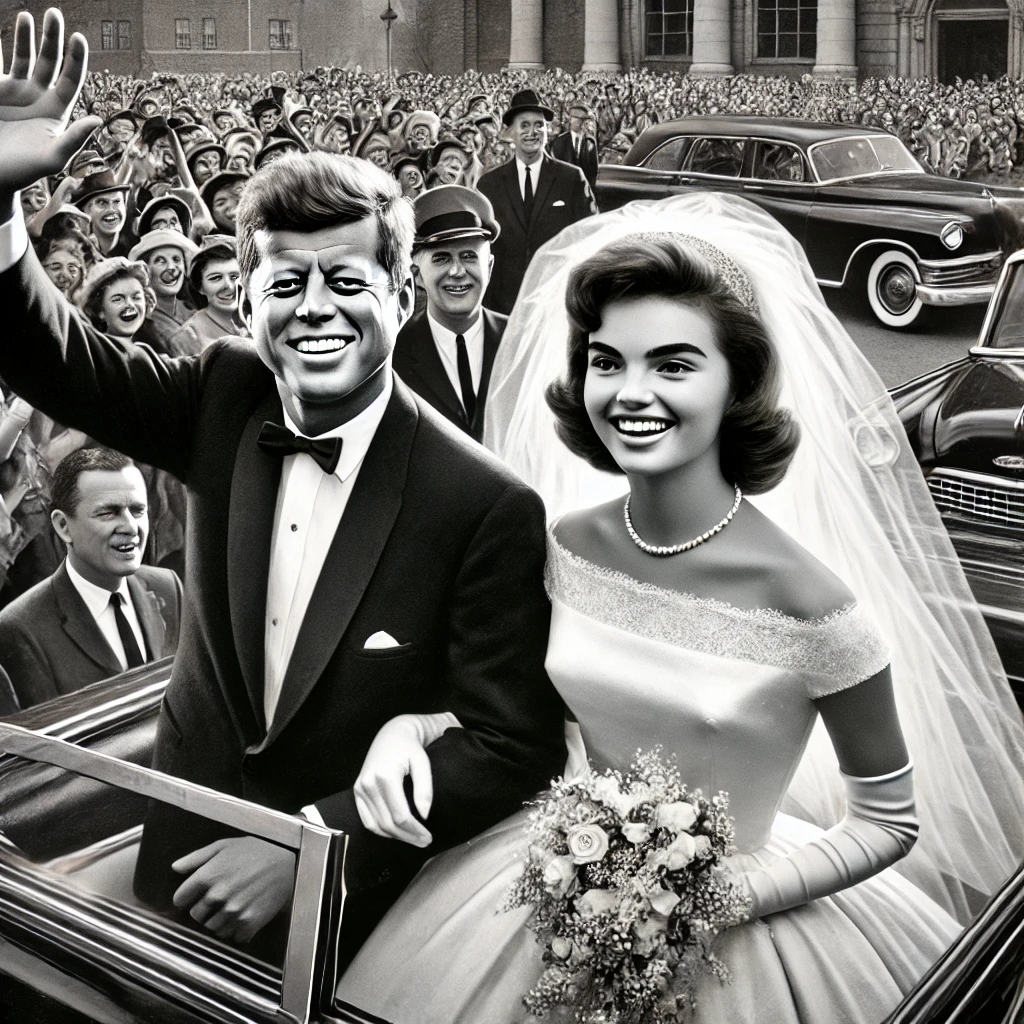
In 1952, she met Congressman John F. Kennedy at a dinner party. Their relationship moved quickly, and they were married on September 12, 1953, in Newport, Rhode Island. The union brought together two prominent families and positioned Jacqueline at the center of the burgeoning political dynasty.
The Restoration of the White House
When John F. Kennedy was inaugurated as the 35th President of the United States in 1961, Jacqueline entered the White House with a vision. She viewed the executive mansion not merely as a residence, but as a historic monument that required careful curation. She founded the White House Historical Association and spearheaded a massive renovation effort to restore period-appropriate furniture and art to the rooms. Her televised tour of the White House in 1962 remains a landmark moment in American broadcasting, highlighting her commitment to preserving American history.
The Kennedy Style
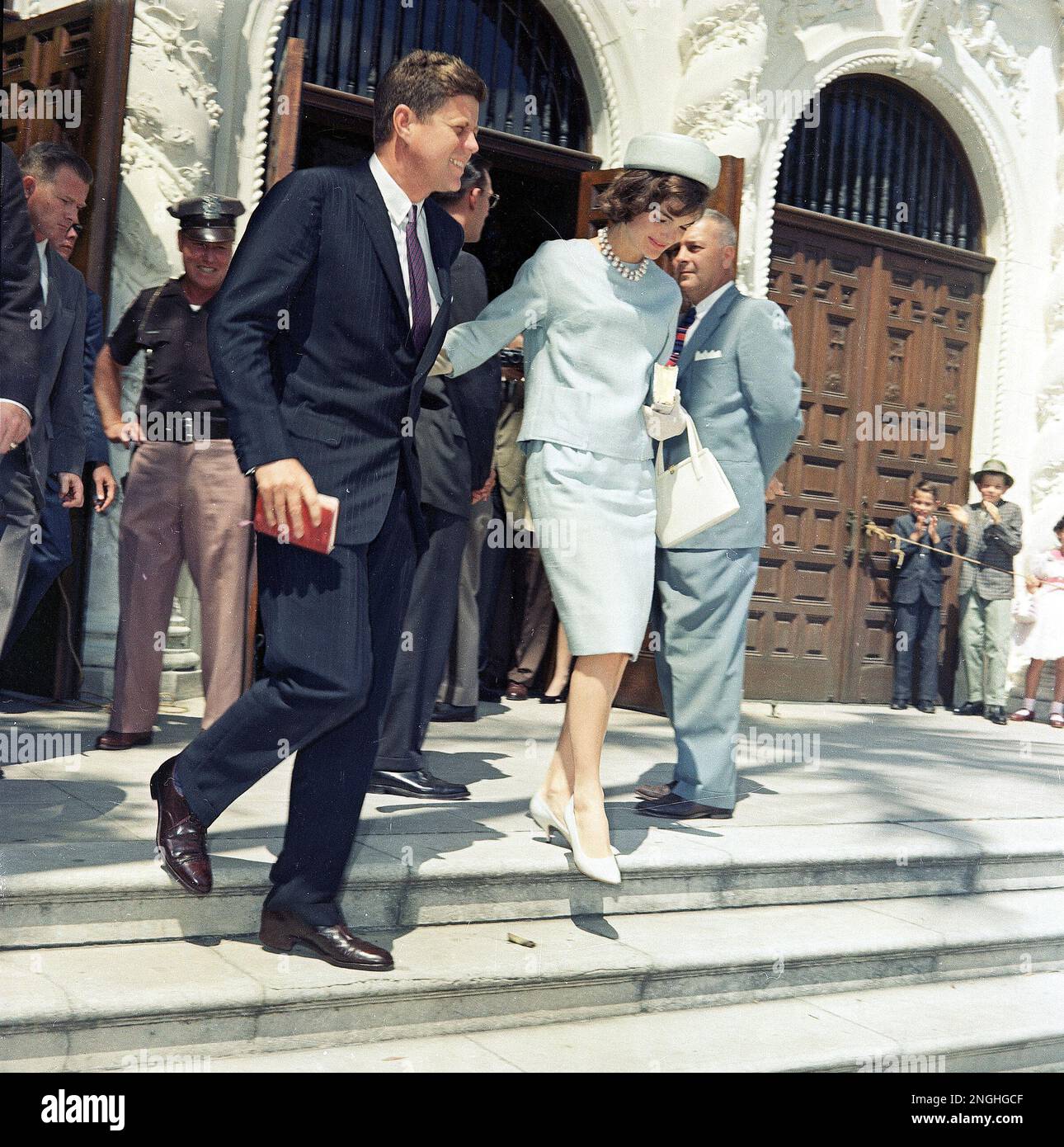
Jacqueline Kennedy’s influence on fashion was immediate and global. Working with designer Oleg Cassini, she cultivated a look characterized by clean lines, pastel suits, pillbox hats, and oversized sunglasses. This aesthetic became a symbol of the "Camelot" era, projecting a sense of modern elegance that was both accessible and aspirational.
Life After Tragedy
The assassination of John F. Kennedy on November 22, 1963, in Dallas, Texas, fundamentally altered the trajectory of her life. Her conduct in the days following the event, including her decision to wear her blood-stained pink suit during the swearing-in of Lyndon B. Johnson, was widely seen as a display of immense personal strength and a commitment to the historical record.
Following the assassination, she struggled to maintain privacy for herself and her children, Caroline and John Jr. In 1968, she married the Greek shipping magnate Aristotle Onassis. The marriage was controversial in the United States, leading to a period where she lived largely in Europe to escape the relentless attention of the American press. The marriage lasted until Onassis's death in 1975.
Professional Life and Final Years
Following her return to the United States in the mid-1970s, Jacqueline Kennedy Onassis sought a quieter, more intellectually fulfilling life. She pursued a career in publishing, first at Viking Press and later at Doubleday, where she worked as an editor for nearly two decades. In this capacity, she focused on memoirs, art books, and literature, successfully transitioning from a global icon to a working professional.
She died on May 19, 1994, at the age of 64, from non-Hodgkin lymphoma. She is interred at Arlington National Cemetery alongside her first husband and their deceased infant children.
Key Phases of Jacqueline Kennedy Onassis’s Life
| Period | Primary Focus | Notable Accomplishments |
|---|---|---|
| 1929–1952 | Education & Early Career | Studies at the Sorbonne; journalism career. |
| 1953–1960 | Political Integration | Marriage; supporting JFK’s Senate career. |
| 1961–1963 | White House Years | White House restoration; cultural diplomacy. |
| 1964–1975 | Private Transition | Marriage to Aristotle Onassis; raising children. |
| 1976–1994 | Publishing Career | Long-term career as a book editor at Doubleday. |
Frequently Asked Questions
What was the significance of the White House Historical Association?
Founded by Jacqueline in 1961, the association was created to provide a non-partisan, private framework to fund the restoration of the White House. It established the standards for the acquisition and maintenance of the mansion’s historical collection, ensuring that future administrations would treat the building as a living museum rather than a changing personal residence.
How did she manage the transition to a publishing career?
After moving back to New York City, she applied for an entry-level position at Viking Press. Despite her fame, she demonstrated a strong work ethic and a genuine passion for literature. Over time, she rose through the ranks, eventually moving to Doubleday where she became an editor who championed diverse writers and high-quality non-fiction works.
Did her style impact modern fashion standards?
Yes, her preference for understated, tailored European-influenced silhouettes redefined the "First Lady" look. By moving away from the more ornate styles of the 1950s, she established a minimalist standard that remains a point of reference for contemporary designers.
Why is she often associated with the term "Camelot"?
Following the 1963 assassination, she provided an interview to Life magazine in which she compared her husband’s administration to the mythic court of King Arthur. The term caught on as a way to characterize the perceived idealism and brief, tragic brilliance of the Kennedy presidency.
How did she balance public life and motherhood?
Throughout her time in the public eye, she was known for being intensely protective of her children. After the loss of her husband, she moved to New York City specifically to give them a measure of anonymity and a more normal upbringing, shielding them from the political spotlight as much as possible.
Recommendations for Further Study
To understand the life of Jacqueline Kennedy Onassis, one must look beyond the tabloid narratives. It is recommended to consult the official records maintained by the John F. Kennedy Presidential Library and Museum. Their archives provide the most accurate account of her efforts in historic preservation and her role during the Cold War. If you are interested in her professional contributions, her edited volumes at Doubleday serve as a testament to her lifelong commitment to the humanities.
Image Gallery