Understanding Glucocorticoid Hormones: Functions, Clinical Uses, and Safety Guidelines
Glucocorticoid hormones are a class of corticosteroids, primarily cortisol, that regulate essential biological processes including glucose metabolism, immune response, and the body’s reaction to stress. Produced by the adrenal cortex,...
Glucocorticoid hormones are a class of corticosteroids, primarily cortisol, that regulate essential biological processes including glucose metabolism, immune response, and the body’s reaction to stress. Produced by the adrenal cortex, these hormones are vital for survival. Synthetic versions are frequently prescribed to manage inflammatory, allergic, and autoimmune disorders.
Contents
The Biological Foundation of Glucocorticoid Hormones
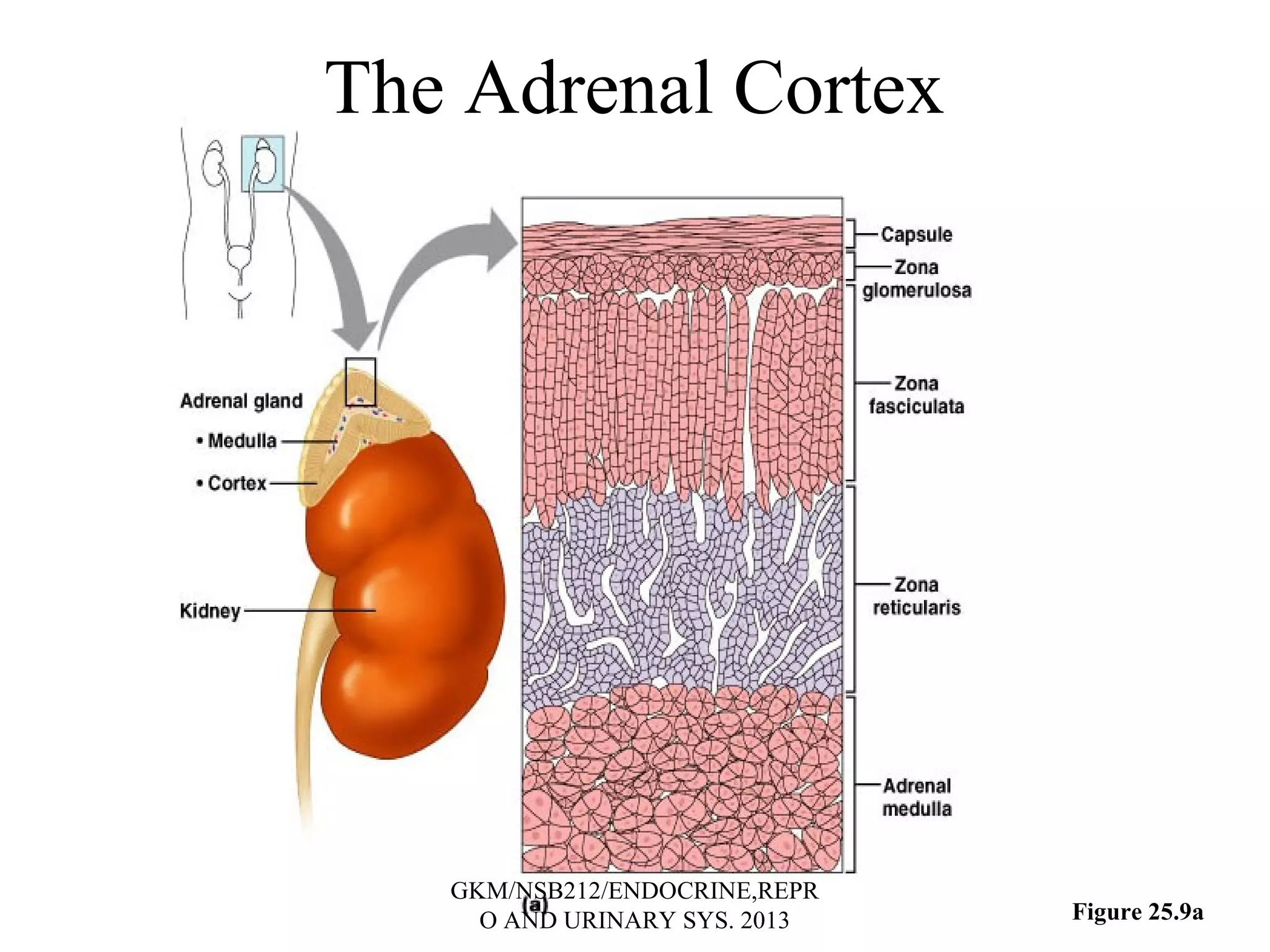
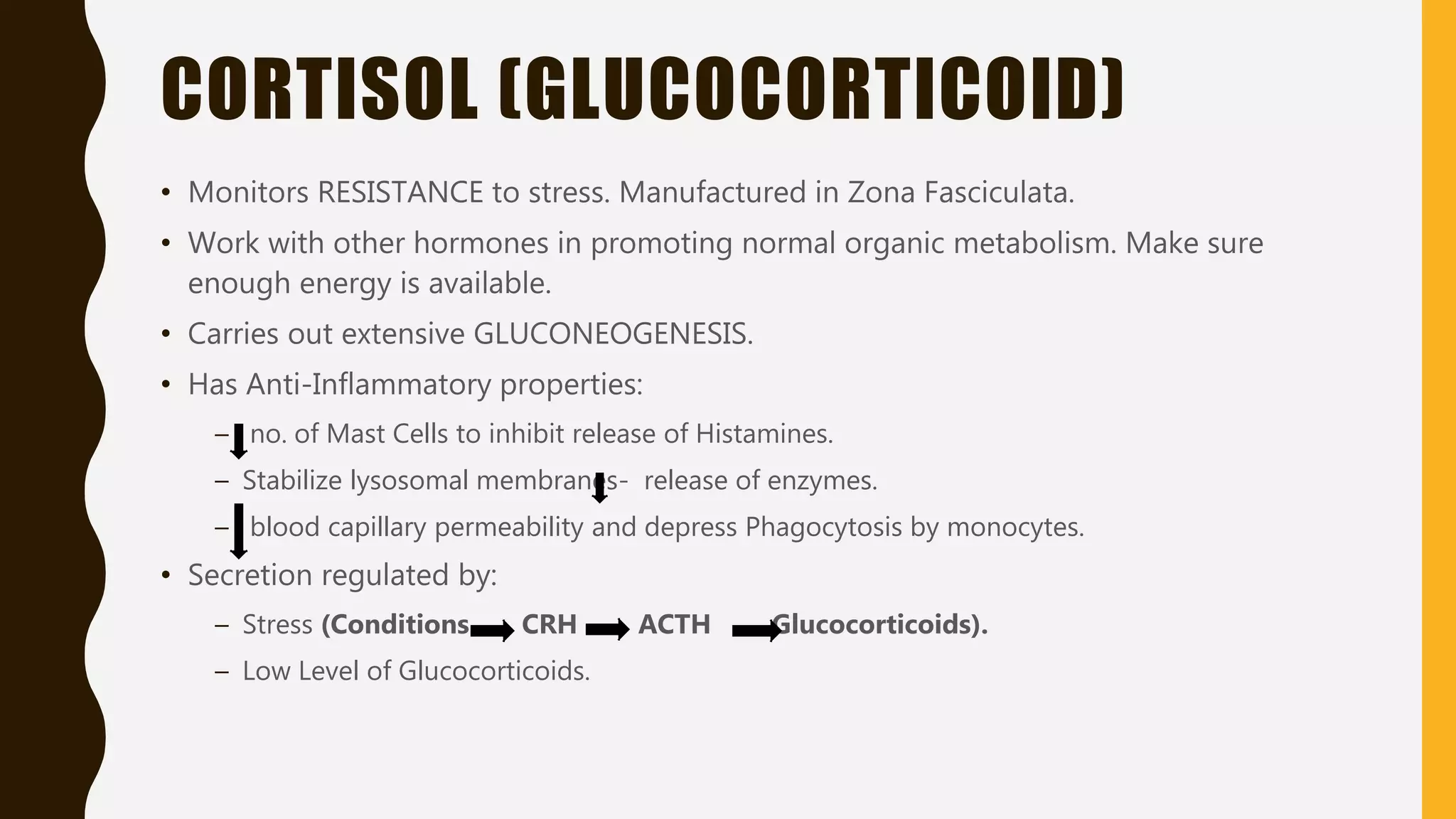
Glucocorticoid hormones are steroid hormones produced in the zona fasciculata of the adrenal cortex. In humans, the most significant naturally occurring glucocorticoid is cortisol. Their production and release are tightly regulated by the hypothalamus-pituitary-adrenal (HPA) axis, a complex feedback system that ensures the body maintains homeostasis under varying levels of physiological and psychological stress.
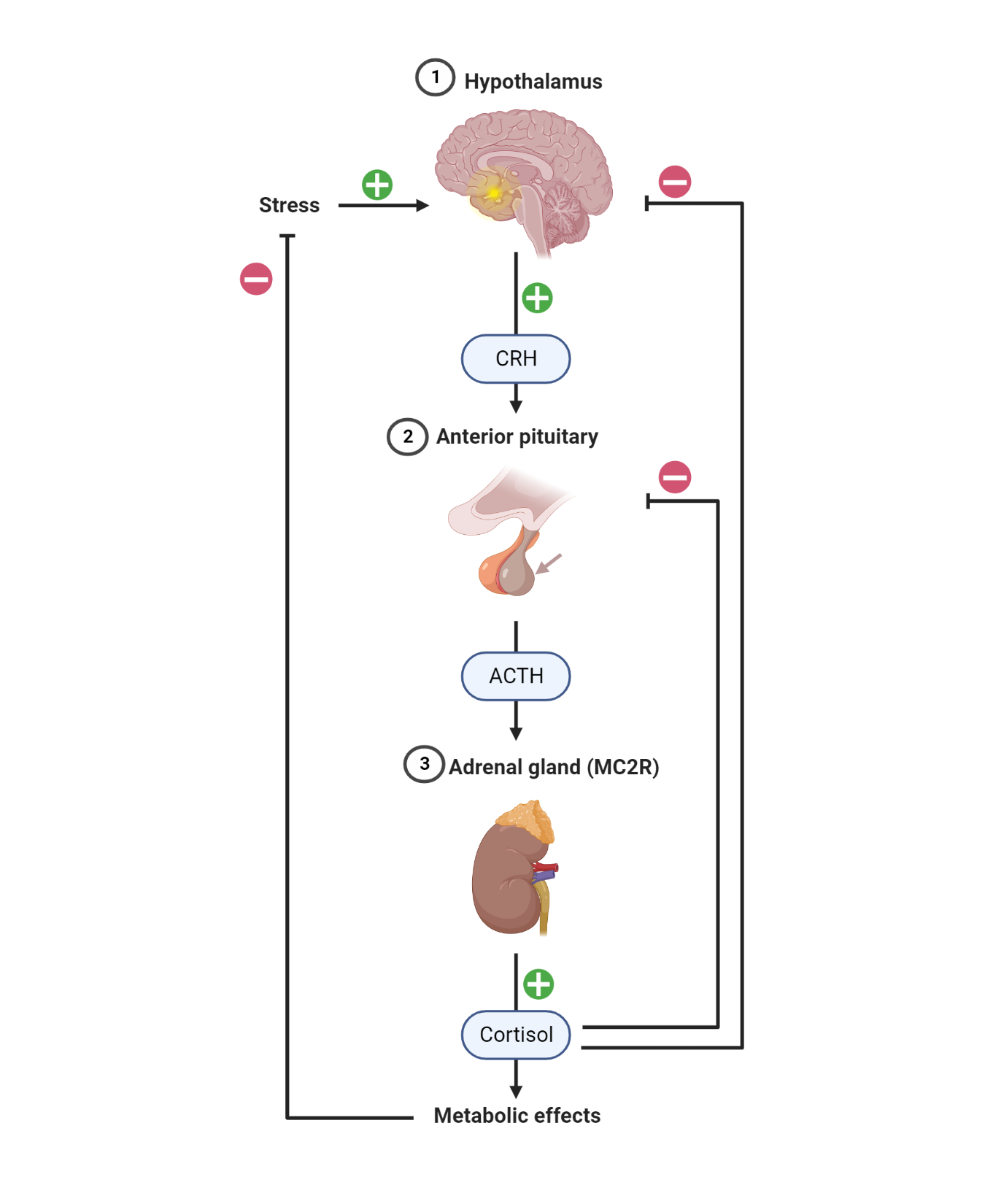
The process begins in the hypothalamus, which secretes corticotropin-releasing hormone (CRH). This triggers the anterior pituitary gland to release adrenocorticotropic hormone (ACTH), which then stimulates the adrenal glands to produce cortisol. Once cortisol levels reach a certain threshold, they exert negative feedback on both the hypothalamus and the pituitary gland to inhibit further secretion. As of 2026, clinical understanding of this axis remains the cornerstone of diagnosing adrenal insufficiencies and hypercortisolism.
Genomic and Non-Genomic Mechanisms
At the cellular level, glucocorticoids function primarily by binding to the glucocorticoid receptor (GR), a member of the nuclear receptor superfamily located in the cytoplasm. This interaction occurs through two primary mechanisms:
- Transactivation: The glucocorticoid-GR complex moves into the cell nucleus and binds to specific DNA sequences called glucocorticoid response elements (GREs). This promotes the transcription of anti-inflammatory genes, such as those encoding lipocortin-1 and interleukin-10.
- Transrepression: The complex interferes with the activity of pro-inflammatory transcription factors, such as NF-κB (nuclear factor kappa-light-chain-enhancer of activated B cells) and AP-1. By preventing these factors from binding to their target DNA, glucocorticoids effectively shut down the production of pro-inflammatory cytokines like TNF-alpha and IL-6.
Beyond these genomic effects, which take hours to manifest, glucocorticoids also exhibit rapid non-genomic effects through membrane-bound receptors. These immediate responses are particularly relevant in emergency medical settings where high-dose intravenous steroids are utilized.
Natural vs. Synthetic Glucocorticoids
While the body produces cortisol (hydrocortisone) naturally, pharmaceutical science has developed numerous synthetic derivatives designed to enhance anti-inflammatory potency while minimizing mineralocorticoid (salt-retaining) activity.
Potency and Duration Comparison
When selecting a glucocorticoid for therapy, clinicians categorize them based on their duration of action and relative strength compared to cortisol. The following table provides a comparison of commonly utilized agents as of 2026.
| Glucocorticoid Agent | Relative Anti-Inflammatory Potency | Mineralocorticoid Potency | Duration of Action |
|---|---|---|---|
| Hydrocortisone | 1 | 1 | Short (8–12 hours) |
| Cortisone | 0.8 | 0.8 | Short (8–12 hours) |
| Prednisone | 4 | 0.8 | Intermediate (18–36 hours) |
| Prednisolone | 4 | 0.8 | Intermediate (18–36 hours) |
| Methylprednisolone | 5 | 0.5 | Intermediate (18–36 hours) |
| Triamcinolone | 5 | 0 | Intermediate (18–36 hours) |
| Dexamethasone | 25–30 | 0 | Long (36–72 hours) |
| Betamethasone | 25–30 | 0 | Long (36–72 hours) |
Data based on standardized pharmacological equivalency charts updated for 2026 clinical guidelines.
Primary Clinical Applications
Glucocorticoid hormones are among the most versatile medications in modern medicine. Their ability to suppress the immune system and reduce inflammation makes them indispensable for a wide range of conditions.
Rheumatology and Autoimmune Disorders
In conditions like Rheumatoid Arthritis (RA) and Systemic Lupus Erythematosus (SLE), the immune system mistakenly attacks healthy tissue. Glucocorticoids are used to control acute "flares" and, in some cases, as bridge therapy until disease-modifying antirheumatic drugs (DMARDs) take effect. Guidelines from the American College of Rheumatology emphasize using the lowest effective dose for the shortest possible duration to avoid cumulative toxicity.
Pulmonology: Asthma and COPD
Inhaled glucocorticoids (e.g., fluticasone, budesonide) are the gold standard for long-term asthma management. They reduce airway hyper-responsiveness and prevent remodeling of the lung tissue. During acute exacerbations of Chronic Obstructive Pulmonary Disease (COPD), systemic steroids are often administered to reduce hospitalization time and improve lung function.
Endocrinology: Adrenal Insufficiency
For patients with Addison’s disease or secondary adrenal insufficiency, glucocorticoids are life-saving replacement therapies. In these cases, the goal is to mimic the natural diurnal rhythm of cortisol secretion, typically requiring a split dose with a larger portion taken in the morning.
Oncology and Transplantation
In cancer treatment, particularly for leukemias and lymphomas, glucocorticoids can directly induce apoptosis (cell death) in malignant lymphoid cells. They are also used to reduce cerebral edema associated with brain tumors and to prevent organ rejection in transplant recipients by suppressing the T-cell response.
Managing the Side Effects of Long-Term Therapy
The therapeutic benefits of glucocorticoids come with a significant side-effect profile, particularly when used systemically for extended periods. Chronic exposure to high levels of these hormones leads to a clinical state known as Cushing’s syndrome.
Metabolic and Endocrine Impacts
Glucocorticoids promote gluconeogenesis in the liver and reduce glucose uptake in peripheral tissues, which can lead to steroid-induced diabetes. They also cause a redistribution of adipose tissue, resulting in characteristic "moon face," "buffalo hump," and abdominal obesity.
Bone Health and Osteoporosis
One of the most debilitating side effects is glucocorticoid-induced osteoporosis (GIOP). These hormones inhibit osteoblast (bone-forming cell) activity while stimulating osteoclasts (bone-resorbing cells). Current 2026 medical standards recommend that patients on long-term therapy (defined as >3 months) undergo baseline DEXA scans and initiate preventive measures such as Vitamin D, Calcium, and bisphosphonates as indicated.
Dermatological and Muscular Effects
Patients often experience skin thinning, easy bruising, and impaired wound healing due to the inhibition of collagen synthesis. Furthermore, proximal muscle weakness (steroid myopathy) can occur, making it difficult for patients to perform basic tasks like rising from a chair or climbing stairs.
The Critical Importance of Tapering
One of the most dangerous mistakes in steroid management is the abrupt cessation of long-term therapy. When exogenous glucocorticoids are administered, the body’s HPA axis is suppressed because the pituitary senses sufficient "cortisol" in the blood and stops signaling the adrenal glands.
If the medication is stopped suddenly, the dormant adrenal glands cannot immediately resume production. This results in secondary adrenal insufficiency, which can escalate into an adrenal crisis—a medical emergency characterized by severe hypotension, electrolyte imbalances, and vascular collapse.
Tapering protocols are individualized based on the dose and duration of treatment. A typical 2026 protocol for a patient on long-term prednisone might involve reducing the dose by 10-20% every one to two weeks, depending on the patient's underlying disease stability and HPA axis recovery. More information on managing these transitions can be found via the Endocrine Society.
Future Directions in Glucocorticoid Research
As of 2026, research is heavily focused on the development of Selective Glucocorticoid Receptor Modulators (SEGRMs). These compounds aim to "dissociate" the beneficial anti-inflammatory effects (transrepression) from the harmful metabolic side effects (transactivation). While many are still in clinical trials, the goal is to provide the efficacy of traditional steroids without the risks of diabetes and bone loss.
Additionally, advancements in chronotherapy—matching drug delivery to the body's natural circadian rhythms—are improving the quality of life for patients with adrenal insufficiency by using delayed-release formulations that provide a cortisol surge just before awakening.
Frequently Asked Questions
What is the difference between glucocorticoids and mineralocorticoids?
Glucocorticoids primarily regulate glucose metabolism and immune function, while mineralocorticoids (like aldosterone) regulate salt and water balance. Some steroids, such as hydrocortisone, have significant activity in both categories, whereas others, like dexamethasone, are purely glucocorticoid.
Can glucocorticoids cause mood changes?
Yes. Glucocorticoids can have significant neuropsychiatric effects, ranging from insomnia and irritability to severe "steroid psychosis" or depression. These symptoms are usually dose-dependent and typically resolve once the dosage is lowered or discontinued.
Why do I need to take steroids with food?
Glucocorticoids can irritate the gastric lining and increase the risk of peptic ulcers, especially if taken with non-steroidal anti-inflammatory drugs (NSAIDs) like ibuprofen. Taking them with a meal provides a protective buffer for the stomach.
Are inhaled steroids as dangerous as oral steroids?
No. Inhaled glucocorticoids are designed to act locally in the lungs. While a small amount enters the systemic circulation, the risk of side effects like bone loss or weight gain is significantly lower than with oral tablets, provided the patient uses the correct technique and rinses their mouth after use.
What should I do if I miss a dose?
If you miss a dose of a prescribed glucocorticoid, take it as soon as you remember. However, if it is almost time for your next dose, skip the missed dose and resume your regular schedule. Do not double the dose to catch up, as this can increase the risk of acute side effects.
Practical Recommendation for Patients
If you have been prescribed glucocorticoid hormones, the most important action you can take is to never alter your dosage without consulting your healthcare provider. Maintain a detailed log of your symptoms and any side effects, such as increased thirst, vision changes, or unusual mood shifts. For those on long-term therapy, wearing a medical alert bracelet indicating "steroid dependence" is a vital safety measure that informs emergency responders of your need for stress-dose steroids in the event of an accident or sudden illness. Always ensure you have an adequate supply of medication, especially when traveling, to prevent accidental withdrawal.
Image Gallery