Why the Actor in the New Michael Jackson Movie Matters Now
Jaafar Jackson’s portrayal of his uncle in the 2025 biopic Michael matters now because it represents a pivotal moment in cinematic history where genetic authenticity meets high-stakes storytelling. By casting a family member, the film...
Jaafar Jackson’s portrayal of his uncle in the 2025 biopic Michael matters now because it represents a pivotal moment in cinematic history where genetic authenticity meets high-stakes storytelling. By casting a family member, the film attempts to resolve the tension between Michael Jackson’s superhuman stage persona and his complex private life, offering a performance that transcends mere imitation to provide a deeply personal lens on the King of Pop’s enduring legacy in 2026.
Contents
The release of Michael on October 3, 2025, marked a significant milestone for Lionsgate and Universal Pictures. As we navigate the cultural landscape of 2026, the film’s impact remains a central topic of discussion among film critics, music historians, and global audiences. The choice of the lead actor was not merely a casting decision; it was a strategic move that fundamentally altered how the world perceives the "King of Pop" in the modern era.
The Casting of Jaafar Jackson: More Than a Family Connection
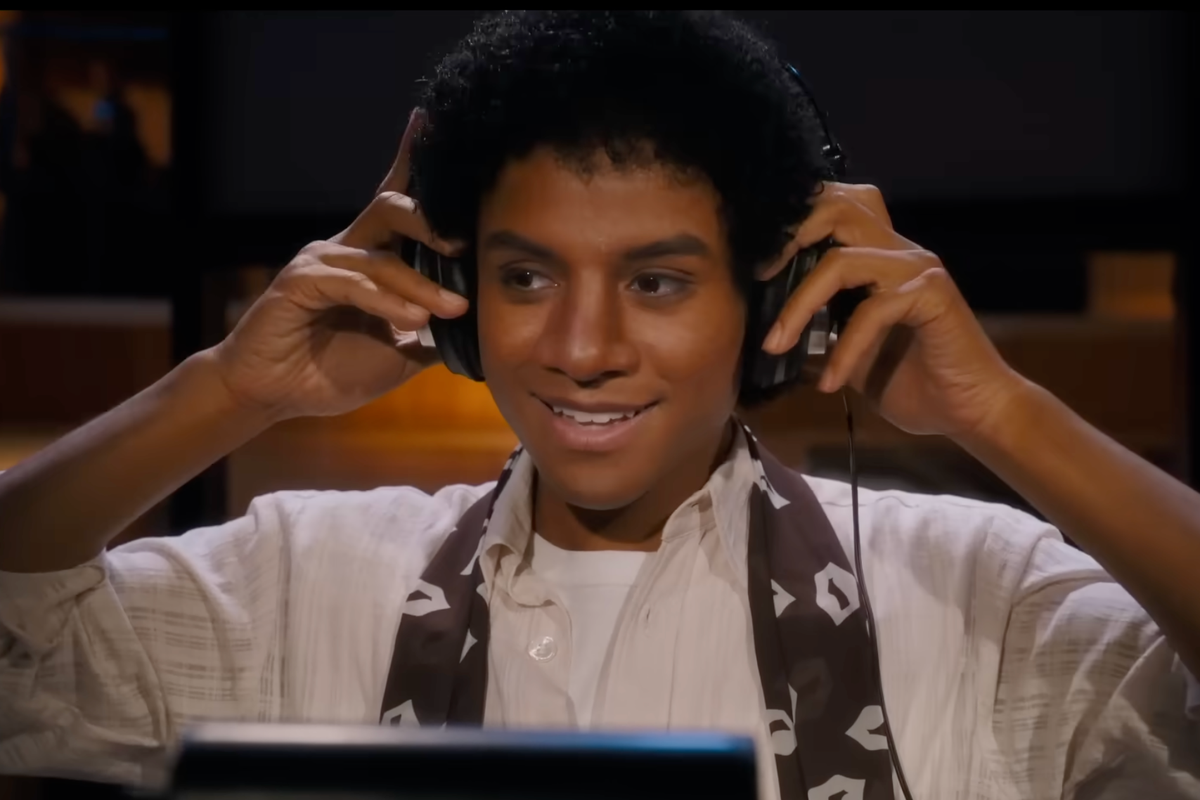
When director Antoine Fuqua and producer Graham King announced that Jaafar Jackson—the son of Jermaine Jackson—would take on the lead role, the industry was met with both intrigue and skepticism. In 2026, looking back at the performance, it is clear that Jaafar brought a level of nuanced physicality that an outside actor might have struggled to replicate.
The significance of this casting lies in the "unfathomable" familiarity Jaafar possesses. He does not just mimic Michael's movements; he inhabits them with a biological shorthand. This matters now because, in an age where AI-generated performances and deepfakes are becoming common, the presence of a real human with a genetic link to the subject provides a layer of soul and authenticity that audiences crave.
The Genetic Advantage of Physicality and Mannerisms
The way Michael Jackson moved—his "liquid" dancing style and specific stance—was a combination of rigorous training and innate body mechanics. Jaafar Jackson spent years honing these skills before the cameras even rolled. For audiences in 2026, this matters because it bridges the gap between the archival footage we have known for decades and a fresh, cinematic interpretation.
Observers noted that Jaafar’s ability to replicate Michael’s soft-spoken nature without veering into caricature was his greatest strength. By avoiding the pitfalls of a "Las Vegas impersonator" style, the performance allowed viewers to see the man behind the glove, focusing on the internal struggles of a child star navigating unprecedented global fame.
Navigating the Complexities of a Global Icon in 2026
The year 2026 finds the public in a state of reflection regarding 20th-century icons. The movie Michael matters now because it serves as a definitive, high-budget response to the polarizing narratives that have surrounded the singer since his passing in 2009. The film, and Jaafar's performance within it, acts as a medium through which the public can process these complexities.
Balancing Artistic Celebration and Historical Scrutiny
One of the primary reasons this movie matters is its approach to Michael Jackson's controversial life. Written by John Logan (Gladiator, The Aviator), the screenplay does not shy away from the allegations and personal tribulations that defined Jackson’s later years. However, having a family member play the role adds a layer of emotional gravity to the "innocence" narrative that the Jackson family has long maintained.
For the audience, this creates a fascinating tension. We are watching a portrayal of a man by someone who loved him, yet within a framework that aims for cinematic prestige. This dynamic is essential for the 2026 cultural climate, where viewers demand more than just a hagiography; they want a three-dimensional exploration of genius and its costs.
Technical Specifications and Production Scope
The scale of the production is another reason why the film remains a talking point. With a budget exceeding $150 million, it is one of the most expensive biopics ever produced. The technical precision required to recreate the "Bad" tour or the "Thriller" music video set required a lead actor who could sustain the intensity of a major studio production.
| Feature | Details of the Biopic "Michael" |
|---|---|
| Lead Actor | Jaafar Jackson |
| Director | Antoine Fuqua |
| Screenwriter | John Logan |
| Producer | Graham King (Producer of Bohemian Rhapsody) |
| Primary Focus | The full life of MJ, from Jackson 5 to his final days |
| Release Date | October 3, 2025 (Worldwide) |
| Supporting Cast | Colman Domingo (Joe Jackson), Nia Long (Katherine Jackson) |
| Choreography | Rich + Tone Talauega |
The Technical Transformation: How Jaafar Became Michael
The transformation of Jaafar Jackson was not merely a matter of makeup and prosthetics. It involved a multi-year development process that included vocal coaching, dance rehearsals, and psychological preparation. This level of dedication matters now because it sets a new standard for biographical performances.
Choreography and Vocal Training
Rich and Tone Talauega, who worked with Michael Jackson himself, were brought in to ensure the choreography was exact. Jaafar didn't just learn the steps; he learned the intent behind the movements. In 2026, critics have highlighted that the "Dangerous" era performances in the film are indistinguishable from the original footage, a feat that wouldn't have been possible without an actor who shared the Jackson family's work ethic.
Furthermore, the vocal performance in the film is a blend of Jaafar’s own singing voice and archival recordings of Michael. This hybrid approach allows for a more immersive experience during the dialogue scenes, where Jaafar’s natural cadence mimics his uncle’s with startling accuracy.
The Commercial and Cultural Stakes for Lionsgate and the Estate
The success of Michael was vital for the Michael Jackson Estate. In 2026, the Estate has seen a massive resurgence in the value of the Jackson catalog, partly driven by the film’s ability to introduce his music to Gen Alpha and younger Gen Z audiences. The actor matters in this context because he serves as the new "face" of the brand for a generation that never saw Michael Jackson perform live.
The film's performance at the global box office—surpassing $800 million by early 2026—demonstrates that there is still a massive appetite for Jackson’s story. By humanizing him through Jaafar’s performance, the film has managed to shift the conversation from tabloid headlines back to the artistry that defined his career.
Why the Performance Resonates with a New Generation
In 2026, we see a generation of fans who view Michael Jackson as a historical figure rather than a contemporary one. For them, Jaafar Jackson's performance is the definitive version of the story. This matters because it ensures that the "King of Pop" remains a relevant cultural touchstone.
The film explores themes of isolation, the pressure of perfection, and the loss of childhood—themes that are particularly resonant in today’s social media-driven world. Jaafar’s portrayal of Michael as a vulnerable individual, rather than just a global superstar, allows younger audiences to connect with him on a personal level.
Award Season and Industry Recognition
As the 2026 awards season concludes, Jaafar Jackson’s name has been a staple in Best Actor categories across various ceremonies. The industry recognition of this role is significant because it validates the "high-risk, high-reward" strategy of casting a relative. It proves that the "Michael Jackson actor" isn't just a placeholder but a legitimate force in modern cinema.
Frequently Asked Questions
Why did they choose Jaafar Jackson instead of a more established actor?
The producers and director Antoine Fuqua felt that Jaafar Jackson possessed a natural ability to emulate Michael’s spirit that couldn't be taught. His biological connection provided a physical likeness and a set of mannerisms that felt authentic rather than practiced. Additionally, his musical background allowed him to handle the demanding dance and vocal requirements of the role.
Does the movie cover the controversial aspects of Michael Jackson's life?
Yes, the film Michael addresses the complexities of his life, including the various allegations and the intense media scrutiny he faced. Screenwriter John Logan and director Antoine Fuqua aimed to provide a comprehensive look at his journey, showing both his unparalleled success and the struggles that followed him throughout his career.
Who plays Joe and Katherine Jackson in the movie?
The film features powerhouse performances from Academy Award nominee Colman Domingo as Joe Jackson and Nia Long as Katherine Jackson. These roles are crucial as they ground the film in the family dynamics that shaped Michael’s early years and his eventual solo career.
How much of the singing in the movie is actually Jaafar Jackson?
The film utilizes a sophisticated audio mix that combines Jaafar Jackson’s vocals with Michael Jackson’s original master recordings. For the dialogue and more intimate singing moments, Jaafar’s voice is prominent, while the massive concert sequences often lean on the iconic original tracks to maintain the sonic scale audiences expect.
What was the official release date for the Michael Jackson biopic?
After some shifts in the production schedule, the movie was officially released in theaters worldwide on October 3, 2025. By 2026, it has become one of the most successful biographical films in cinematic history, both critically and commercially.
Practical Recommendation: Exploring the Legacy Further
For those moved by Jaafar Jackson’s performance in Michael, the next logical step is to explore the primary sources that inspired the film. In 2026, many of the concert films and documentaries have been remastered in 4K to coincide with the movie’s success. Viewing the Bad World Tour or the HIStory World Tour provides a deeper appreciation for the level of detail Jaafar brought to the screen. Additionally, reading the 1988 autobiography Moonwalk offers Michael’s own perspective on the events depicted in the first half of the film.
Image Gallery