How to Obtain an FDA Registration Certificate: A Comprehensive 2026 Guide
To obtain an FDA registration certificate, you must first register your facility through the FDA Industry Systems (FIS) portal. It is important to note that the FDA does not actually issue paper certificates; instead, it provides a reg...
To obtain an FDA registration certificate, you must first register your facility through the FDA Industry Systems (FIS) portal. It is important to note that the FDA does not actually issue paper certificates; instead, it provides a registration number once your electronic submission is validated. Most businesses receive a "Certificate of Registration" from a third-party consultant to verify their status to stakeholders.
Contents
The process of "obtaining a certificate" is technically the process of facility registration and product listing. In 2026, the regulatory landscape remains rigorous, with specific requirements for food, medical devices, drugs, and cosmetics. This guide outlines the mandatory steps, legal requirements, and verification methods necessary to ensure your business remains compliant with U.S. Food and Drug Administration (FDA) regulations.
Understanding FDA Registration Categories
Before beginning the application, you must identify which regulatory category your business falls under. The FDA does not have a "one-size-fits-all" registration. Each industry has its own set of rules, portals, and fee structures.
Food and Beverage Facilities
Under the Food Safety Modernization Act (FSMA), all domestic and foreign facilities that manufacture, process, pack, or hold food for human or animal consumption in the United States must register. This includes warehouses, cold storage, and bottling plants. Retail food establishments, such as restaurants, are generally exempt.
Medical Device Establishments
Manufacturers, distributors, repackagers, and relabelers of medical devices intended for use in the U.S. must register annually. This process is more complex than food registration and requires the payment of a significant annual user fee.
Drug and Pharmaceutical Establishments
Establishments that manufacture, prepare, propagate, compound, or process drugs must register and list all of their commercially marketed drug products. This applies to both finished dosage forms and Active Pharmaceutical Ingredients (APIs).
Cosmetic Facilities (MoCRA Compliance)
As of 2026, the Modernization of Cosmetics Regulation Act (MoCRA) is fully mature. Facilities manufacturing or processing cosmetic products for distribution in the U.S. must register with the FDA, and every product must be listed. Unlike the previous voluntary programs, this is now a mandatory legal requirement for most cosmetic brands.
The Myth of the "Official" FDA Certificate
A common point of confusion for new business owners is the search for an "official" government certificate. It is a critical distinction: the FDA does not issue registration certificates.
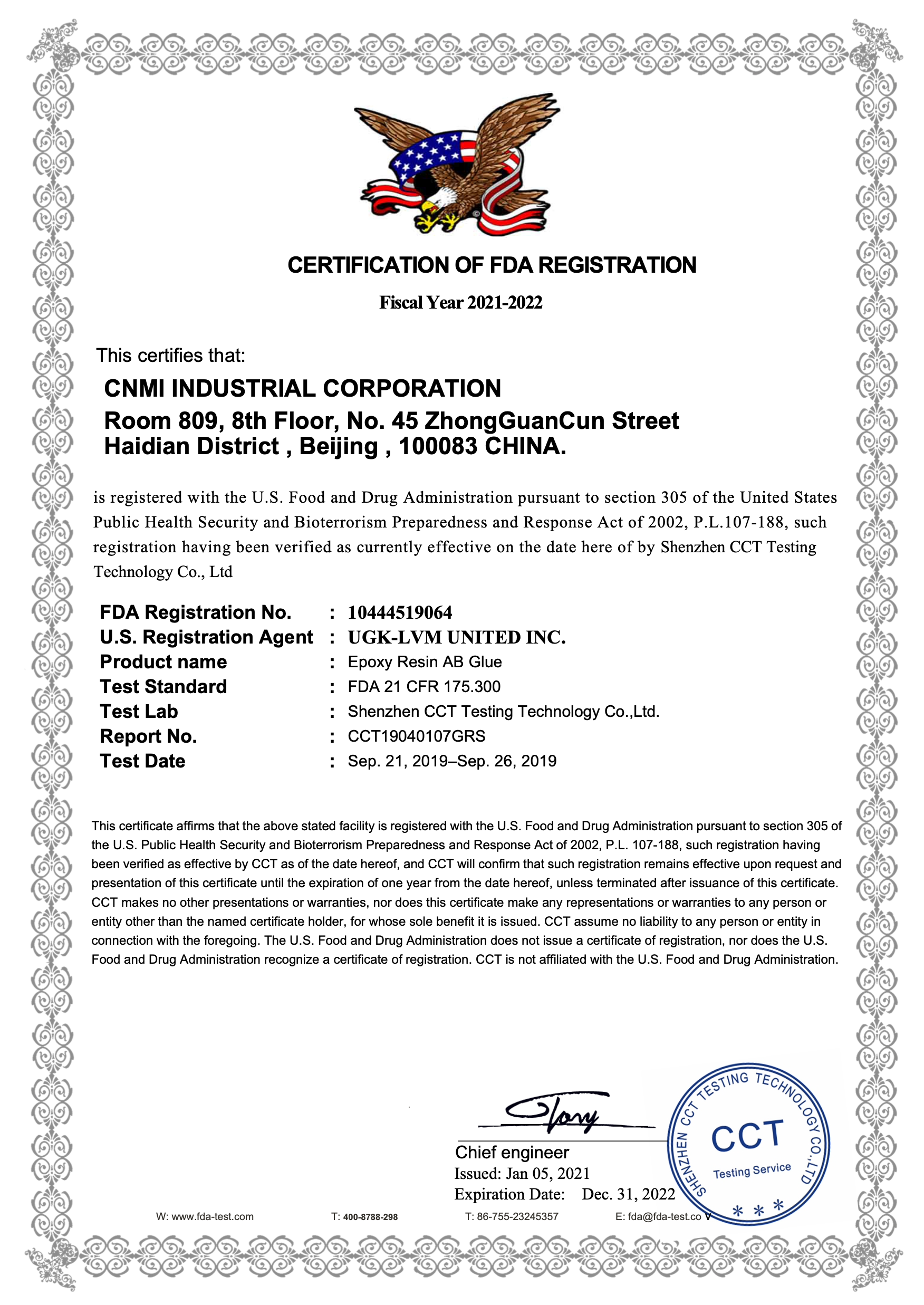
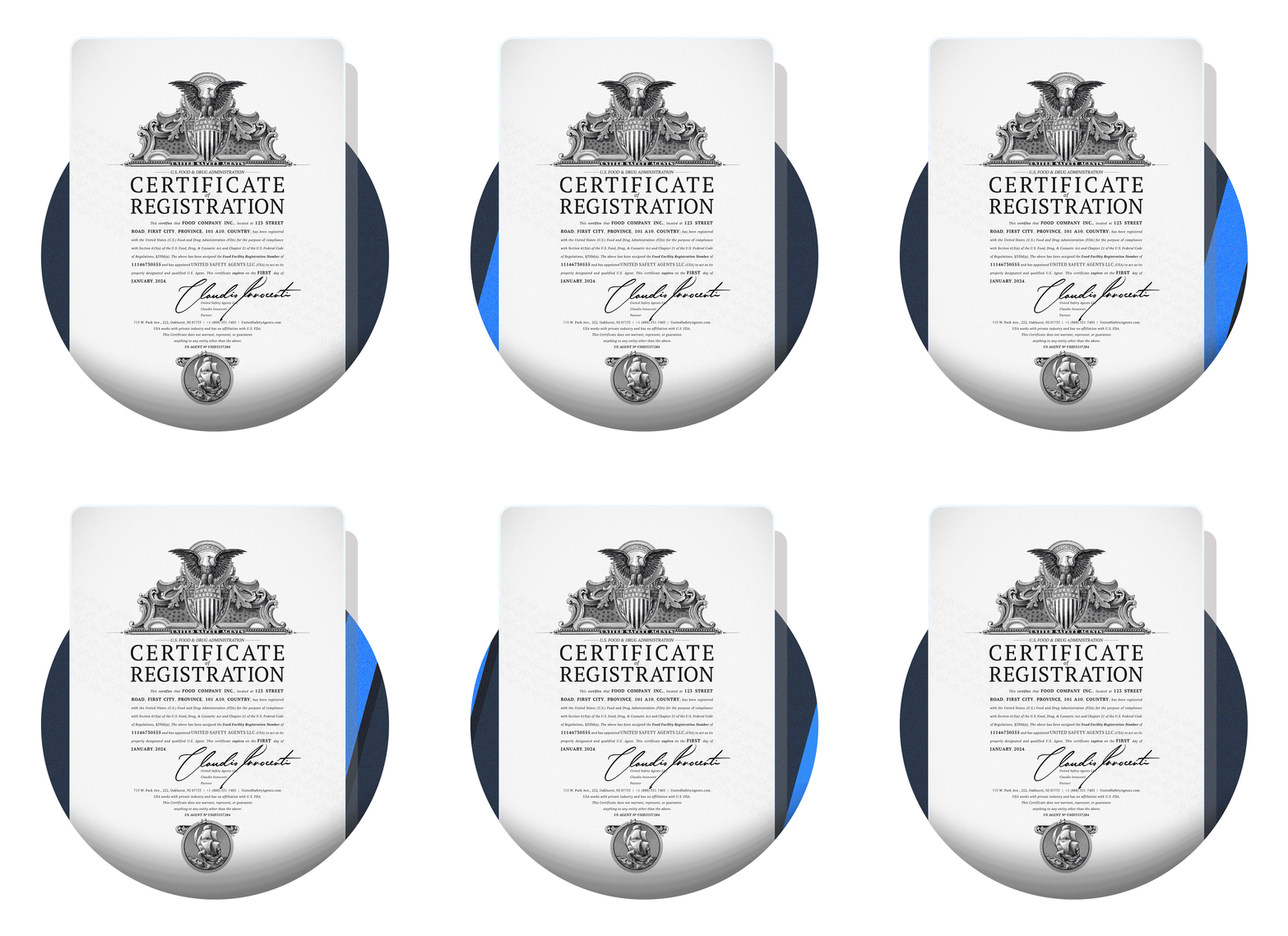
When you complete your registration, the FDA provides a Registration Number (for food) or confirms your FEI (FDA Establishment Identifier). To prove registration to customs brokers, retailers, or international distributors, many companies hire third-party regulatory consultants. These consultants verify the registration in the FDA database and issue a "Certificate of Registration" on their own letterhead. While these are widely accepted in commercial trade to prove a facility is registered, they carry no official government weight and are not issued by the FDA itself.
Essential Prerequisites for Registration
Before logging into the FDA portals, you must have specific identification numbers and representatives in place. Without these, the registration process will stall.
1. The DUNS Number
The FDA requires a Data Universal Numbering System (DUNS) number for most registrations, particularly for drug and medical device establishments. This nine-digit unique identifier is managed by Dun & Bradstreet and is used to verify the physical location and legal identity of a business. In 2026, ensuring your DUNS information exactly matches your FDA submission is the most common hurdle for successful registration.
2. U.S. Agent Appointment (For Foreign Entities)
If your facility is located outside of the United States, you must designate a U.S. Agent. This agent must be a person or entity that resides or maintains a place of business in the U.S. They serve as the specific point of contact between the FDA and the foreign facility for both routine and emergency communications. The FDA will verify the U.S. Agent’s agreement before finalizing the registration.
3. FDA Establishment Identifier (FEI)
The FEI is a system-generated number used by the FDA to track inspections and compliance. If you are a new business, you may not have one yet. The system will typically assign one after your first registration attempt, or you can search for an existing one via the FDA FEI Search Portal.
Step-by-Step Registration Process
Once prerequisites are met, follow these steps to complete your registration through the FDA Industry Systems (FIS).
Step 1: Create an Account
Access the FDA Industry Systems homepage and create a "New User" account. You will receive an Account ID and set a password. This account acts as the central hub for all your interactions with the FDA, including food facility registration and medical device listing.
Step 2: Select the Correct Module
Depending on your industry, you will enter a specific module:
- FURLS (Food Facility Registration Module): For food and beverage.
- DRLM (Device Registration and Listing Module): For medical devices.
- CDER Direct: Often used for drug listings and establishment registrations.
Step 3: Pay the User Fees (If Applicable)
For 2026, medical device establishments must pay the annual registration fee before the registration can be activated. For the 2026 fiscal year, these fees must be paid via the FDA User Fee Portal. Food facilities do not currently have a registration fee, but they must undergo biennial renewal.
Step 4: Enter Facility Information
Input your legal business name, physical address, and contact details. You must also specify the activities conducted at the facility (e.g., "Slicing/Dicing/Cutting" for food or "Sterilization" for devices).
Step 5: Submit and Verify
After submission, the FDA will send a verification email to the owner/operator and, if applicable, the U.S. Agent. For food facilities, the U.S. Agent must "confirm" the appointment electronically before the registration number is issued.
| Industry Category | Registration Fee (2026) | Renewal Cycle | Identification Needed |
|---|---|---|---|
| Food & Beverage | $0 (No Fee) | Biennial (Oct-Dec Even Years) | FEI Number / U.S. Agent |
| Medical Devices | ~$9,000 - $10,000* | Annual (Oct-Dec) | DUNS / FEI / U.S. Agent |
| Drugs/Pharma | Varies by Program | Annual | DUNS / Labeler Code |
| Cosmetics | $0 (General) | Every 2 Years | DUNS / Product Listings |
*Note: Medical device fees are adjusted annually by the FDA. Check the official MDUFA fee schedule for the exact 2026 amount.
Maintaining Your Registration
Registration is not a one-time event; it is an ongoing compliance obligation. Failing to maintain your registration can lead to the "deactivation" of your number, resulting in shipments being held at the U.S. border by Customs and Border Protection (CBP).
Biennial Renewal for Food Facilities
In 2026, food facilities must participate in the biennial renewal period, which occurs from October 1 through December 31 of every even-numbered year. If you do not renew during this window, your registration is considered expired, and your facility will be removed from the active database.
Annual Medical Device Renewal
Medical device registrations must be renewed annually between October 1 and December 31. This requires paying the updated user fee for the following fiscal year.
Updating Information
The FDA requires that any changes to your registration information (such as a change in U.S. Agent, facility location, or ownership) be updated within 30 to 60 days of the change, depending on the specific industry regulations.
Common Mistakes to Avoid
- Mismatched Data: The name and address on your FDA registration must perfectly match the records associated with your DUNS number. Even minor abbreviations (e.g., "St." vs. "Street") can cause system rejections.
- Inactive U.S. Agent: If your U.S. Agent does not respond to the FDA's verification email within the allotted timeframe, the registration will not be completed. Ensure your agent is prepared for the automated notification.
- Assuming Registration is "Approval": Being registered only means the FDA knows who you are and where you are located. It does not mean your product is "FDA Approved." Using the FDA logo on your packaging or marketing materials to imply approval is a violation of federal law and can lead to enforcement actions.
Frequently Asked Questions
Does an FDA registration expire?
Yes. Food facility registrations expire every two years at the end of even-numbered years (e.g., Dec 31, 2026). Medical device and drug registrations expire annually on December 31. You must actively renew them through the FURLS or appropriate portal to remain compliant.
How long does it take to get an FDA registration number?
For food facilities, the registration number is usually generated immediately upon successful electronic submission and U.S. Agent verification. For medical devices, the process can take several days or weeks because the user fee payment must be cleared by the U.S. Treasury before the registration can be finalized.
Can I sell my products in the U.S. without a registration number?
Generally, no. If your industry requires registration (food, drugs, devices, cosmetics), attempting to import or market products without a valid registration is illegal. Customs and Border Protection (CBP) uses the FDA database to verify shipments. Missing or invalid registration numbers will result in goods being detained at the port of entry.
How do I verify if a company is truly registered?
You can search the public FDA databases. For medical devices, use the Establishment Registration & Device Listing database. For food, the database is not public for security reasons, but you can request the facility's registration number and verify it through a "Certificate of Registration" provided by their consultant or by asking them to provide a screenshot of their FURLS account status.
Is the registration "certificate" required for customs?
Customs brokers require the registration number, not a physical certificate. However, providing a third-party certificate of registration is a standard industry practice that helps streamline the documentation process and proves to the broker that the number provided is currently active and verified.
Practical Recommendation
If you are a first-time registrant in 2026, begin the process at least 60 days before you intend to ship products to the U.S. This allows ample time to resolve DUNS number discrepancies and ensure your U.S. Agent has successfully verified their appointment. For medical device companies, factor in the time required for the annual user fee to process. If the technical nature of FURLS or MoCRA product listing seems overwhelming, consider engaging a reputable regulatory consultant to act as your U.S. Agent and handle the electronic filing to prevent costly shipping delays.
Image Gallery