Lady Godiva in Grand Rapids: Local Art History, Public Culture, and Regional Context
The phrase "Lady Godiva Grand Rapids" typically points toward regional historical touchpoints, local artistic installations, or theatrical productions linked to West Michigan, though it carries no singular official landmark designation...
The phrase "Lady Godiva Grand Rapids" typically points toward regional historical touchpoints, local artistic installations, or theatrical productions linked to West Michigan, though it carries no singular official landmark designation. Understanding how this classical Anglo-Saxon legend intersects with Grand Rapids requires examining local cultural references, public performance history, and regional arts programming.
Contents
Historical Foundations of the Legend and Its Regional Reflections
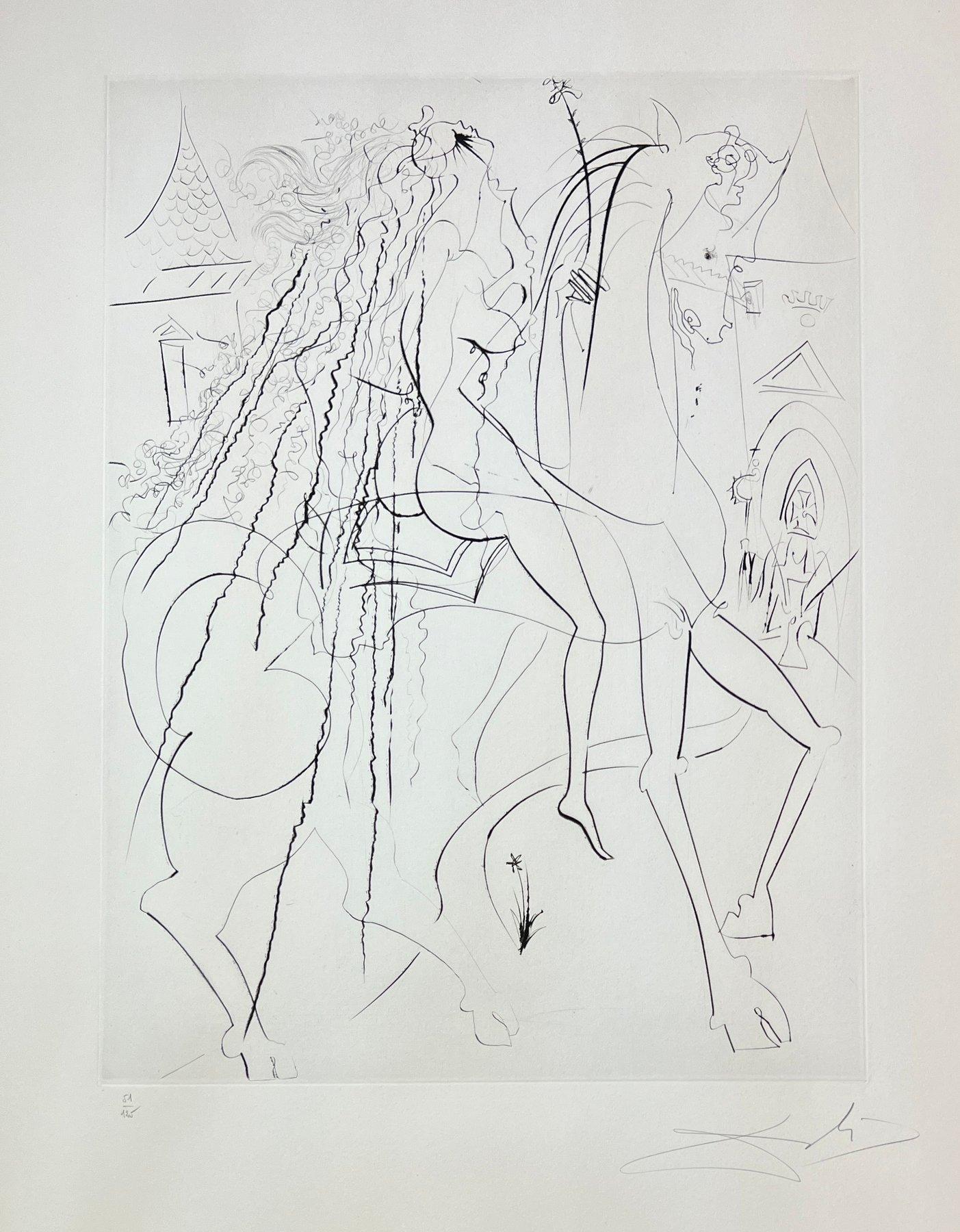
To understand why the name Lady Godiva occasionally surfaces in local Grand Rapids cultural discussions, one must first contextualize the legend itself. Originating from 11th-century Coventry, England, the story of Lady Godiva recounts a noblewoman who, according to chroniclers like Roger of Wendover, rode naked through the town to compel her husband, Leofric, Earl of Mercia, to remit oppressive taxation on his tenants. Over centuries, this folklore evolved through Victorian literature, paintings, and popular culture, eventually transforming into a universal symbol of protest, self-sacrifice, and municipal defiance.
In Grand Rapids, Michigan—a city known for its vibrant arts community, including ArtPrize and the Grand Rapids Art Museum—classical mythological and historical motifs frequently appear in local theater, fine art exhibitions, and public performance art. While Grand Rapids does not house a permanent, widely recognized municipal monument dedicated specifically to Lady Godiva, the theme surfaces periodically through regional cultural lenses. These include independent gallery showings, historical society lectures regarding Victorian-era artistic motifs, and local theatrical troupes examining classical heroines.
Furthermore, regional collectors and art historians in West Michigan occasionally evaluate 19th-century European academic paintings or prints depicting the Godiva legend, some of which pass through local fine art auction houses or are housed in private collections across Kent County. These localized artistic touchpoints link international folklore directly to the robust Midwestern arts ecosystem found in Grand Rapids.
Cultural Programming and Theater Arts in West Michigan
The performing arts sector in Grand Rapids serves as a primary driver for classical and historical adaptations. Local theater companies, such as the Grand Rapids Civic Theatre and Circle Theatre, alongside independent performance groups, occasionally stage classic European dramas or historical revivals that explore themes of rebellion and governance reminiscent of the Godiva narrative.
When regional venues host productions or lectures touching upon medieval or Victorian history, marketing campaigns and local press outlets often invoke archetypal figures like Lady Godiva to draw parallels with modern civic activism and freedom of expression. This recurring thematic integration highlights how classical European folklore continues to resonate within contemporary American Midwestern cultural frameworks.
| Context | Venue Type / Medium | Nature of Regional Reference | Primary Audience |
|---|---|---|---|
| Fine Art | Private Collections & Local Galleries | 19th-century academic art prints, oil paintings, and sculptures depicting classical motifs. | Art historians, collectors, and gallery patrons |
| Performing Arts | Community and Regional Theaters | Theatrical adaptations, historical dramas, and performance art exploring themes of civic protest. | Theatergoers, students, and local arts enthusiasts |
| Public Discourse | Local Journalism & Academic Lectures | Comparative discussions on taxation, municipal resistance, and the evolution of folklore. | Academics, historians, and civic participants |
Economic and Civic Parallels: Taxation, Protest, and Local Governance
Beyond fine arts and theater, the underlying motifs of the Lady Godiva legend—namely, civilian resistance against burdensome taxation and municipal governance disputes—frequently mirror historical and modern debates within the Grand Rapids metropolitan area. Local political discourse in West Michigan often invokes historical symbols of protest when addressing local property taxes, municipal ordinance changes, or downtown development disputes.
While these invocations are largely rhetorical or metaphorical, they demonstrate how deeply ingrained classical archetypes remain within local civic awareness. Grand Rapids civic leaders, urban planners, and historians frequently engage with the broader history of municipal rights, drawing a direct line from medieval European charters to modern Michigan Home Rule cities.
Key Dimensions of the Legend in Regional Discourse
- Symbolism of Defiance: Used metaphorically in local editorials and cultural commentary to discuss standing up against municipal overreach.
- Artistic Interpretation: Inspiring regional painters, sculptors, and photographers exploring the human form and historical narrative.
- Educational Curriculum: Referenced in regional college courses (such as those at Grand Valley State University or Calvin University) covering medieval history, folklore evolution, and Victorian aestheticism.
Navigating Local Archives and Libraries for Historical Research
For researchers, students, and enthusiasts seeking specific regional records, historical mentions, or past artistic performances related to classical themes in Grand Rapids, several key local institutions provide access to comprehensive archives:
- Grand Rapids Public Library (Main Branch - Special Collections & Local History): Offers extensive microfilms of historical Grand Rapids newspapers, local theater programs dating back decades, and regional historical manuscripts.
- Grand Valley State University (GVSU) Special Collections & University Archives: Maintains regional historical documents, fine art collection catalogs, and papers relevant to West Michigan cultural history.
- Kent County Public Library System: Useful for accessing broader humanities databases, historical encyclopedias, and interlibrary loan networks.
Researchers examining how classical European figures like Lady Godiva are interpreted within West Michigan will find that local archives emphasize community-driven art projects, public murals, and educational symposia over static monuments.
Frequently Asked Questions
Is there a permanent Lady Godiva statue or landmark in Grand Rapids, Michigan?
No, Grand Rapids does not feature a permanent public monument or landmark dedicated to Lady Godiva. References to the figure in the area typically relate to private art collections, touring theatrical performances, or academic discussions within local universities and historical societies.
How does the Lady Godiva legend connect to the local art scene in Grand Rapids?
The connection is primarily thematic and educational. Local galleries, independent artists, and regional theater productions occasionally explore classical European folklore, Victorian art history, and themes of public protest that align with the narrative traditions surrounding Godiva.
Where can I research historical cultural events in Grand Rapids?
The Grand Rapids Public Library’s Local History and Special Collections department, alongside the archives at Grand Valley State University, serves as the primary resource for investigating past theatrical productions, art exhibitions, and regional cultural history in West Michigan.
Are there upcoming exhibitions featuring 19th-century European art in Grand Rapids?
Exhibition schedules vary by season. Visitors should consult the current calendar of the Grand Rapids Art Museum (GRAM) or regional private galleries to verify ongoing or upcoming installations involving classical European painting and sculpture.
Next Actions for Researchers and Art Enthusiasts
Individuals interested in exploring classical folklore, regional art history, or theatrical adaptations within the Grand Rapids area should begin by consulting the digital catalogs of the Grand Rapids Public Library or reaching out to local fine art galleries. Verifying current exhibition schedules or theater season lineups ensures accurate, up-to-date engagement with West Michigan's active cultural community.
Image Gallery