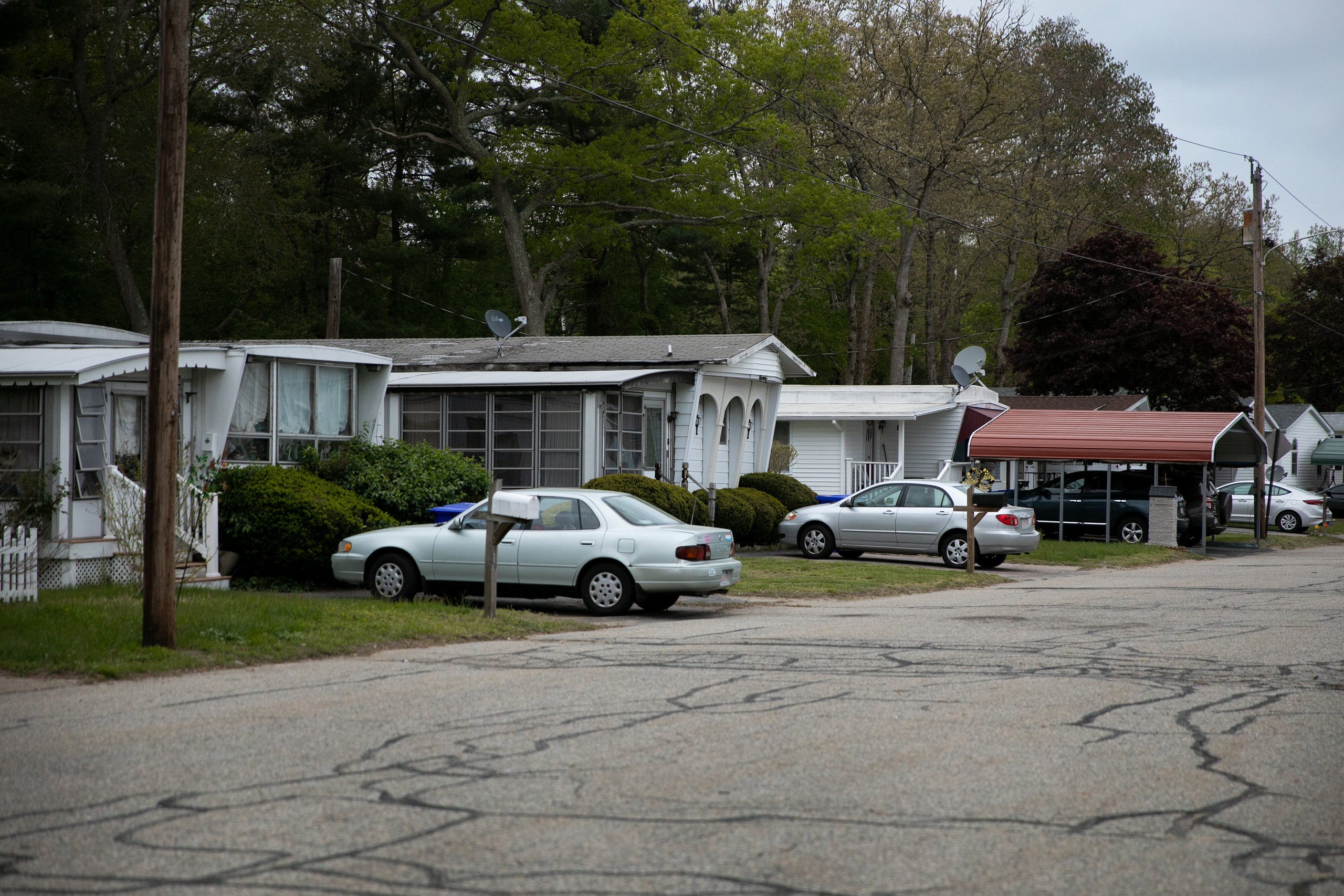
Comprehensive Guide to Trailer House Park Living and Management in 2026
Modern housing market pressures have thrust manufactured housing communities, commonly referred to as a trailer house park, into the spotlight of affordable real estate options. Navigating the operational, financial, and legal landscap...
Modern housing market pressures have thrust manufactured housing communities, commonly referred to as a trailer house park, into the spotlight of affordable real estate options. Navigating the operational, financial, and legal landscape of a modern manufactured home community requires a deep understanding of zoning laws, land lease structures, and infrastructure maintenance. This guide provides an authoritative overview for prospective residents, park operators, and investors analyzing community dynamics, regulations, and infrastructure realities.
Contents
Evolution of Manufactured Housing Communities in 2026
The contemporary trailer house park bears little resemblance to the stereotypical transient auto camps of the mid-20th century. Today, these properties are structured as professionally managed land-lease communities where homeowners own their physical dwellings while leasing the underlying land parcel, or pad. Regulatory frameworks across municipalities have shifted significantly by 2026, introducing stricter environmental standards, energy efficiency mandates, and modernized infrastructure requirements.
Investors and residents alike must recognize that these communities represent a critical pillar of affordable housing stock. Urban planners increasingly integrate manufactured home communities into regional housing strategies, balancing density with neighborhood compatibility.
- Land-Lease Dynamics: Residents purchase the structure outright, bypassing land appreciation costs, but pay a monthly space rent that covers common area maintenance and infrastructure access.
- Zoning Classizations: Most municipalities classify these properties under Manufactured Housing Community (MHC) zoning, which dictates density limits, setback requirements, and utility easements.
- Infrastructure Modernization: Properties constructed or significantly upgraded by 2026 feature underground utility grids, fiber-optic internet availability, and robust storm management systems.
Infrastructure Specifications and Civil Engineering Standards
Maintaining a trailer house park demands rigorous civil engineering oversight, particularly regarding subsurface utilities and load-bearing pads. Unlike traditional single-family subdivisions, a manufactured home community relies heavily on centralized, privately maintained infrastructure networks. Park operators must comply with updated civil codes governing water flow, electrical amperage, and wastewater disposal.
Electrical grids within these communities typically feature individual pedestals rated from 100 to 200 amps per pad to accommodate modern, energy-intensive double-wide and triple-wide homes. Water and sewer lines must be insulated or buried below the local frost line to prevent catastrophic pipe failures during extreme weather events.
- Pad Construction: Concrete ribbons, runners, or full poured slabs must be engineered to support dead loads and live loads, anchored by tie-down systems capable of withstanding high wind events.
- Wastewater Management: Communities either connect to municipal sewer districts or operate private package wastewater treatment plants, both of which require rigorous environmental monitoring.
- Stormwater Drainage: Grading must direct runoff away from home skirting and structural anchors to prevent soil erosion and foundation destabilization.
Financial Comparison: Trailer House Parks vs. Traditional Real Estate
Evaluating the economic reality of living in or operating a manufactured home community requires examining upfront capital requirements, ongoing operational expenses, and asset depreciation versus appreciation curves.
| Financial Metric | Manufactured Home Community (Pad Lease) | Traditional Stick-Built Single-Family Home |
|---|---|---|
| Upfront Capital | Low to Moderate ($50,000 - $150,000 for home) | High ($300,000+ for land and structure) |
| Monthly Space Rent | Required ($400 - $1,200+ depending on region) | None (Property taxes and mortgage only) |
| Land Ownership | None (Leased pad) | Fee-simple ownership of land and structure |
| Asset Appreciation | Structure generally depreciates; land does not appreciate for owner | Both structure and land typically appreciate over time |
| Financing Vehicles | Chattel loans (higher interest rates, personal property loans) | Conventional mortgages, FHA, VA loans |
Legal Frameworks, Tenant Rights, and Community Bylaws
Operating or residing within a trailer house park involves navigating a complex matrix of state statutes, local ordinances, and private community rules. Unlike standard residential tenancies governed by traditional landlord-tenant laws, manufactured housing often falls under specialized mobile home residency laws that provide unique protections regarding lease renewals, rent increases, and eviction procedures.
Park management enforces community guidelines via a set of rules and regulations designed to maintain aesthetic standards, health codes, and safety protocols. These rules typically govern exterior home maintenance, vehicle parking, pet policies, and common area usage. Residents enjoy security of tenure in many jurisdictions, meaning park owners cannot evict homeowners or force the relocation of a home without statutory cause, such as non-payment of rent or severe lease violations.
- Lease Term Protections: Many states mandate long-term leases (typically 12 months renewable) to protect homeowners from sudden displacement.
- Notice of Rent Increases: Statutes often require a 60- to 90-day written notice prior to any adjustment in space rent.
- Right to Sell: Homeowners retain the legal right to sell their manufactured home in situ within the park, subject to park management approval of the incoming buyer's background and credit check.
Step-by-Step Guide for Prospective Residents
Securing a home and a pad within a well-managed community requires a methodical approach. Prospective buyers should avoid focusing solely on the physical structure and perform comprehensive due diligence on the community itself.
- Community Vetting: Review the park's rules, verify management responsiveness, and inspect common amenities such as roads, lighting, and recreational facilities.
- Financial Qualification: Apply for park residency approval and secure appropriate financing, noting that chattel loans often require higher down payments than conventional mortgages.
- Home Inspection: Hire a certified manufactured housing inspector to evaluate the structural integrity, roofing, plumbing, electrical systems, and tie-down anchors.
- Lease Review: Carefully examine the land lease agreement, paying explicit attention to escalation clauses, utility billing methods, and maintenance responsibilities.
- Installation and Setup: Coordinate professional transport, leveling, anchoring, and utility hookups to ensure compliance with local building codes.
Frequently Asked Questions
What is the difference between owning a manufactured home and owning the land beneath it?
Owning a manufactured home means you hold title to the physical structure as personal property, while leasing the underlying land pad from a community owner. If you own both the home and the land (fee-simple), the entire parcel is treated as real estate, allowing for conventional mortgage financing and land appreciation.
Can a trailer house park owner force me to move my home?
Generally, park owners cannot arbitrarily force you to move your home if you are paying rent and abiding by community rules. Statutory protections restrict eviction and community closure without substantial advance notice, and in some jurisdictions, compensation packages for relocation costs.
What type of financing is used to buy a home in a community?
Homes located on leased land are typically financed through chattel loans rather than traditional real estate mortgages. Chattel loans are structured as personal property loans, which often carry shorter terms and higher interest rates.
Who is responsible for repairing underground utility lines in a park?
Park management is typically responsible for the main utility infrastructure lines leading up to the individual pad connection point. The homeowner is usually responsible for lateral lines and connections running directly from the pedestal or riser into the home.
How are rent increases regulated in manufactured home communities?
Rent increase regulations vary widely by state and municipality; some regions enforce strict rent control or stabilization ordinances, while others permit market-rate increases subject to statutory advance written notice periods.
Are older manufactured homes allowed in all communities?
Many communities enforce age restrictions or stringent appearance standards, prohibiting homes older than a certain model year (e.g., pre-1976 HUD code changes) to maintain property values and aesthetic uniformity.
Conclusion and Next Steps
Evaluating a trailer house park requires balancing the immediate affordability of manufactured housing against the long-term operational and financial realities of land-lease living. Whether you are seeking an affordable housing solution as a resident or analyzing investment opportunities in community management, thorough due diligence regarding infrastructure, zoning compliance, and local tenant laws remains paramount. Review current local municipal codes, consult with specialized manufactured housing real estate professionals, and inspect physical assets thoroughly before entering into any land lease agreement.
Image Gallery