The Outsider PDF Explained: Plot, Themes, and Supernatural Mythology
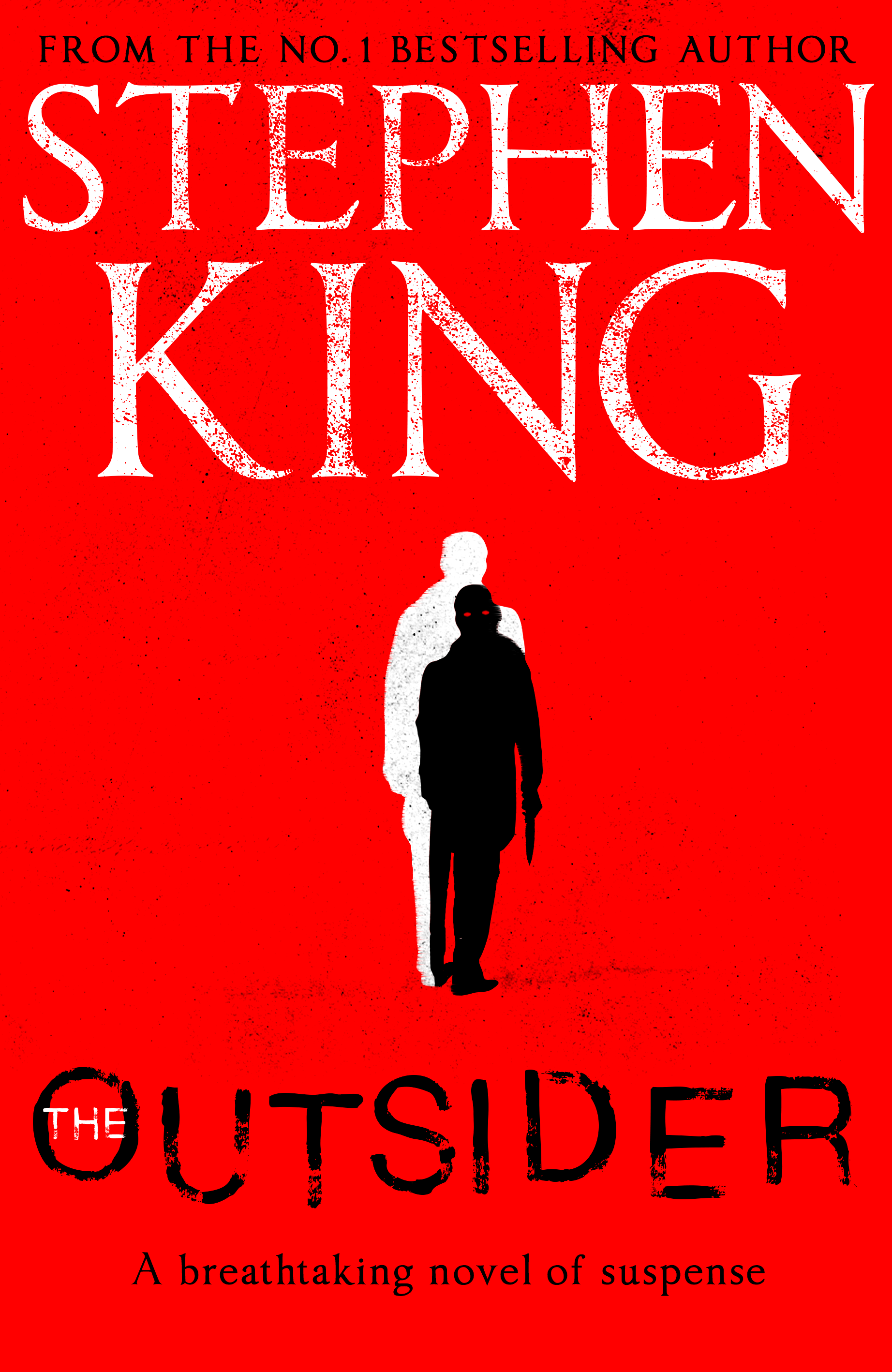
The term "The Outsider PDF explained" primarily refers to the detailed analysis and summary of Stephen King’s 2018 supernatural thriller, The Outsider. Readers seeking this explanation are typically looking to understand the complex tr...
The term "The Outsider PDF explained" primarily refers to the detailed analysis and summary of Stephen King’s 2018 supernatural thriller, The Outsider. Readers seeking this explanation are typically looking to understand the complex transition from a forensic police procedural to a paranormal horror story, the mechanics of the shape-shifting antagonist, and the character crossover with King’s other works.
Contents
Disambiguating The Outsider: Which Version Are You Reading?
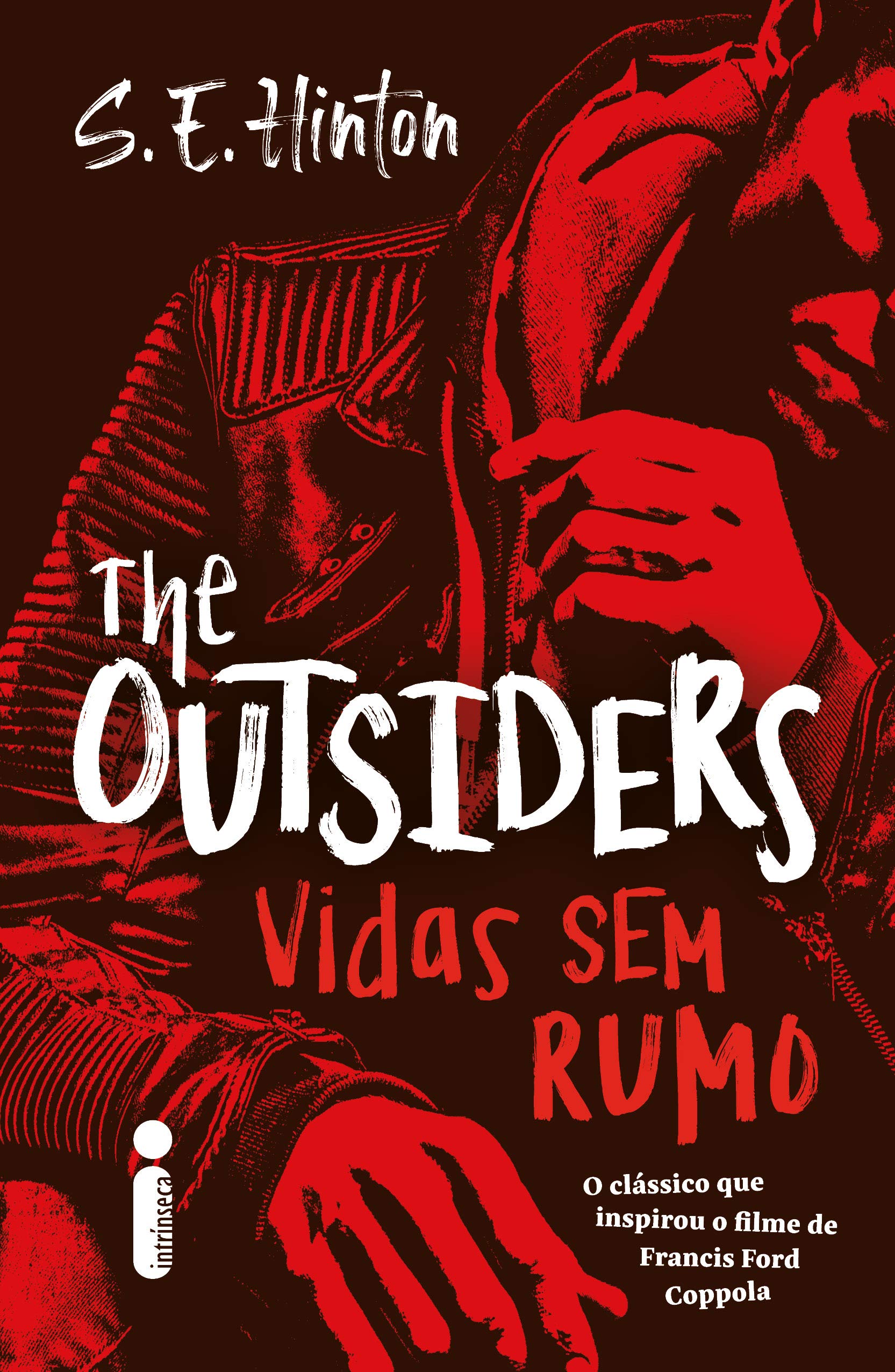
Before diving into the narrative mechanics of Stephen King’s work, it is essential to clarify which "Outsider" is being referenced, as the title is common in classic and contemporary literature. In the context of digital study guides and PDF summaries in 2026, there are three primary subjects that readers often encounter:
- Stephen King’s The Outsider (2018): A best-selling novel and HBO miniseries focusing on the investigation of a gruesome murder in Flint City and the discovery of a shape-shifting entity.
- Albert Camus’ The Outsider (L'Étranger, 1942): A foundational work of existentialist philosophy exploring themes of absurdity and emotional detachment.
- H.P. Lovecraft’s The Outsider (1926): A short story in the cosmic horror genre about a lonely entity discovering its own nature.
While Camus’ work is a staple of academic PDF requests, the majority of "explained" queries currently focus on the supernatural complexities of King’s 2018 novel. This guide focuses specifically on King’s narrative, which requires the most "explaining" due to its hybrid genre structure and intricate mythology.
The Flint City Mystery: The Impossible Crime Explained
The first half of the story functions as a grounded "hard-boiled" detective novel. The central conflict arises from an impossible contradiction in evidence regarding the murder of Frank Peterson, an eleven-year-old boy.
Detective Ralph Anderson arrests Terry Maitland, a well-liked Little League coach and English teacher, in a public and humiliating fashion because the physical evidence is irrefutable. Multiple witnesses place Maitland at the scene, and his DNA and fingerprints are found all over the crime scene and the victim.
However, Maitland’s defense attorney provides equally irrefutable evidence that Terry was at a teachers' conference in a different city at the exact time of the murder. He appears on news footage from the conference, and his fingerprints are found there as well. The "explained" element here is that both sets of evidence are factually true. This creates a "bottleneck" in logic: one man cannot be in two places at once, yet the physical world insists that he was. This paradox serves as the bridge from the rational world to the supernatural world.
The Entity Explained: Who or What is The Outsider?
The core of the "explained" request usually centers on the nature of the antagonist. The creature is an ancient, shape-shifting entity that feeds on pain and suffering. In the novel, it is often linked to the folklore of El Cuco (or the Bogeyman), but King expands this into a specific biological and psychic predator.
The Lifecycle of the Entity
The entity does not simply "change" its appearance; it undergoes a physical and biological transformation process. To take the form of a human, it must first scratch its intended victim. This scratch transfers a biological agent that allows the creature to begin duplicating the victim's DNA.
The transformation is not instantaneous. It takes several weeks for the entity to fully assume the new form. During this period, the creature is physically vulnerable and often hides in secluded areas, such as the caves near Marysville, Texas. It uses "human familiars"—individuals whose will it has broken through threats against their families—to provide it with food and protection during its transition.
Feeding on Grief
Unlike standard predators, this entity is a "grief eater." While it commits gruesome murders, the physical consumption of the victim is only a secondary objective. Its primary sustenance is the concentrated emotional agony of the victim's family and the surrounding community. This explains why it targets children of well-known community members; the resulting public outcry and familial devastation provide a more potent "meal."
Character Analysis: The Role of Holly Gibney
For readers who have accessed the Bill Hodges trilogy (starting with Mr. Mercedes), the appearance of Holly Gibney in The Outsider is a pivotal moment. For those who haven't, her role requires some explanation.
Holly Gibney is a private investigator with unique neurodivergent traits that allow her to see patterns others miss. In The Outsider, she acts as the "believer." While Detective Ralph Anderson is tethered to forensic logic, Holly has already encountered "unexplainable" evil in her previous cases. Her involvement shifts the investigation's methodology. She recognizes that when the impossible is eliminated, whatever remains—however improbable—must be the truth.
Holly’s role is to bridge the gap between the police's desire for a logical conviction and the reality of a supernatural threat. She introduces the team to the concept that "the world has no lid," suggesting that there are horrors beneath the surface of reality that traditional law enforcement is not equipped to handle.
Comparing Versions of "The Outsider"
To help readers navigate the different works that share this title, the following table summarizes the key distinctions between the three most popular versions often found in PDF format.
| Feature | Stephen King (2018) | Albert Camus (1942) | H.P. Lovecraft (1926) |
|---|---|---|---|
| Primary Genre | Supernatural Thriller / Horror | Existential Fiction | Cosmic Horror / Short Story |
| Central Theme | The limits of human logic and belief | The absurdity of the human condition | Alienation and self-discovery |
| Main Character | Ralph Anderson & Holly Gibney | Meursault | Unnamed Narrator |
| The "Outsider" | A shape-shifting creature (El Cuco) | A man alienated from society | A ghoul/undead entity |
| Setting | Flint City, OK and Marysville, TX | Algiers, French Algeria | A dark, abandoned castle |
| Key Conflict | Solving a murder with "two" killers | A man’s trial for a detached murder | Escaping a tomb to find humanity |
The Ending and the Cave Confrontation Explained
The climax of the novel takes place in the Marysville Hole, a cave system in Texas. This location is symbolic; it represents the "underworld" or the primal darkness where the creature is most comfortable.
The confrontation is not a traditional physical battle. Because the entity thrives on fear and the "outsider" status, the protagonists must confront it with a mixture of physical force and psychological resistance. Ralph and Holly realize that while the creature is ancient, it is not immortal. It is a biological organism that can be injured.
The entity is eventually defeated by Holly Gibney using a very "human" weapon: a sock filled with ball bearings (a "slapper"), which she used in her previous cases. This choice of weaponry is significant because it represents the triumph of human ingenuity and "street-level" justice over an ancient, high-concept evil. The death of the creature signifies that even the most "impossible" monsters are subject to the laws of physical consequence if one has the courage to acknowledge their existence.
Accessing The Outsider: PDF and Digital Requirements
When looking for a "PDF explained" version of the book, readers should be aware of the legal and technical landscapes as of 2026. While many sites offer "free" PDF downloads, these are often pirated and can pose significant security risks to devices.
Legitimate Digital Access
- Library Systems: Most public libraries now use platforms like Libby or OverDrive. You can check out the eBook version of The Outsider as a legitimate digital file (usually in EPUB format, which is superior to PDF for e-readers).
- Academic Summaries: For students, platforms like JSTOR or ProQuest provide PDF analyses and peer-reviewed articles that "explain" the literary merits and thematic structures of the book.
- Retailers: Amazon (Kindle), Apple Books, and Google Play remain the primary sources for purchasing the digital manuscript.
Reading Requirements
To properly view a PDF or eBook of The Outsider, ensure your software supports DRM (Digital Rights Management). Most official library files require Adobe Digital Editions or a compatible e-reader app to unlock the content.
Frequently Asked Questions
Is "The Outsider" connected to the "Mr. Mercedes" series?
Yes. Holly Gibney is a major character in the Bill Hodges trilogy (Mr. Mercedes, Finders Keepers, and End of Watch). The Outsider serves as a standalone story that also functions as an expansion of Holly's character arc. Reading the trilogy first provides deeper context for Holly's quirks and her specialized knowledge of the supernatural.
What is the significance of the title "The Outsider"?
The title has a dual meaning. Literally, it refers to the creature—an entity that exists outside the human species and outside the laws of nature. Figuratively, it refers to characters like Holly Gibney and even Terry Maitland, who find themselves on the "outside" of social norms or logical explanations.
Does the creature appear in other Stephen King books?
While this specific entity is unique to The Outsider, King often hints at a "multiverse" of similar creatures. The entity shares characteristics with Pennywise from IT (shape-shifting and feeding on emotion) and the Dandelo from The Dark Tower series. In King's mythology, these are often referred to as "todash" monsters.
Why did the creature scratch Claude Bolton?
The creature scratched Claude Bolton at the bar because it needed a "new" identity to transition into once the Terry Maitland form became too "hot" (widely recognized and hunted). By scratching Claude, the entity began the slow process of stealing his DNA to create a new disguise for its next cycle of feeding.
Can the entity be killed by fire?
While many myths suggest fire as a primary weapon against monsters, King’s entity is more susceptible to physical trauma and the disruption of its transformation process. In the novel, the entity is physically beaten and shot, proving that once it takes a physical human form, it inherits some of the vulnerabilities of that form.
Practical Recommendation for Readers
If you are using a PDF or digital summary to study The Outsider, focus on the "Grief Eater" aspect as your primary analytical lens. The book is less about a monster and more about how the human mind reacts when confronted with something that violates the laws of reality.
For the best experience, supplement your reading with the 2020 HBO adaptation, which provides a visual "explanation" of the entity’s physical decay and transformation. If you are a student, ensure you are citing the 2018 Scribner publication date for King's novel to distinguish it from the Camus or Lovecraft works.
Image Gallery