How to Choose Good Names for a Dating Site: A Strategic Guide for 2026
Effective names for a dating site should be memorable, easy to spell, and emotionally resonant with a specific target audience. In 2026, the most successful brands prioritize short, evocative verbs or unique nouns that suggest connecti...
Effective names for a dating site should be memorable, easy to spell, and emotionally resonant with a specific target audience. In 2026, the most successful brands prioritize short, evocative verbs or unique nouns that suggest connection and authenticity, moving away from generic "matchmaking" descriptors to focus on niche community values and high-intent relationship goals.
Contents
The Psychology of Naming in the Dating Industry
Selecting a name for a dating platform is not merely a creative exercise; it is an application of consumer psychology and linguistic theory. A brand name is the first touchpoint in a user's journey, and in the competitive landscape of 2026, that first impression occurs in milliseconds on an app store or search engine results page.
The psychology of "phonetic symbolism" plays a significant role. Research in linguistics suggests that certain sounds evoke specific feelings. For instance, "front vowels" (like the "i" in "Hinge" or "Link") often feel smaller, faster, and more lighthearted. In contrast, "back vowels" (like the "u" in "Luma" or "Bumble") can feel rounder, warmer, and more stable. When naming a dating site, you must decide if your brand represents the "spark" of a new flame or the "foundation" of a long-term marriage, then choose sounds that mirror that intent.
Furthermore, the "Bouba/Kiki effect" demonstrates that humans associate jagged sounds with sharp shapes and soft sounds with rounded shapes. A dating site named "Kavark" sounds clinical or transactional, whereas "Aura" sounds fluid and emotional. For a 2026 audience that increasingly values emotional intelligence and mental health, softer, more organic names tend to perform better than harsh, mechanical ones.
Categorizing Effective Dating Site Names
To find the right name, it helps to categorize your options based on brand architecture. Most successful dating platforms fall into one of four linguistic categories.
1. The Action-Oriented Verb
These names focus on the movement or the "doing" of the dating process. They are often short, punchy, and imply a result.
- Examples: Spark, Hinge, Pivot, Blend, Ignite.
- Why they work: They are easy to remember and imply that the user is taking an active step toward a goal. In 2026, these names are particularly popular for "slow dating" apps that emphasize intentionality over endless swiping.
2. The Evocative Noun
These names use a metaphor or a tangible object to represent a feeling or a relationship dynamic.
- Examples: Tinder (the start of a fire), Clover (luck and rarity), Coffee (casual meeting), Anchor (stability).
- Why they work: They create a visual identity in the user's mind. It is much easier to design a logo and a brand story around a "Clover" than a generic name like "Perfect Partner Finder."
3. The Niche Descriptor
These names explicitly state who the site is for. While less "poetic," they are highly effective for SEO and immediate user identification.
- Examples: ChristianMingle, FarmersOnly, Veggly, SilverSingles.
- Why they work: They reduce "bounce rates" by ensuring that anyone who clicks on the site knows exactly what to expect. For a niche community in 2026, clarity often beats cleverness.
4. The Neologism (Invented Words)
These are entirely new words created for the brand.
- Examples: Badoo, Zoosk, OkCupid (compound), eHarmony (compound).
- Why they work: They are unique and usually have available ".com" domains. However, they require a significant marketing budget to "fill" the word with meaning, as the word itself has no prior context.
Strategic Naming for Niche Demographics
As the dating market becomes more fragmented in 2026, "general" dating sites are losing ground to specialized platforms. Your name must signal to your specific tribe that they have found their "home."
Professional and High-Net-Worth Dating
For platforms targeting career-driven individuals, names should evoke prestige, privacy, and curated selection. Names like "The League," "EliteSingles," or "Vantage" work well here. The language should be sophisticated, avoiding overly "cute" or slang-heavy terms that might alienate a more mature or professional audience.
Interest-Based Communities
If your site focuses on a hobby or lifestyle—such as gaming, fitness, or environmentalism—the name should use the vernacular of that community. A dating site for outdoor enthusiasts might be called "Summit" or "Trailhead." For the gaming community, names like "Respawn" or "Co-Op" immediately signal shared values without needing further explanation.
Age-Specific Platforms
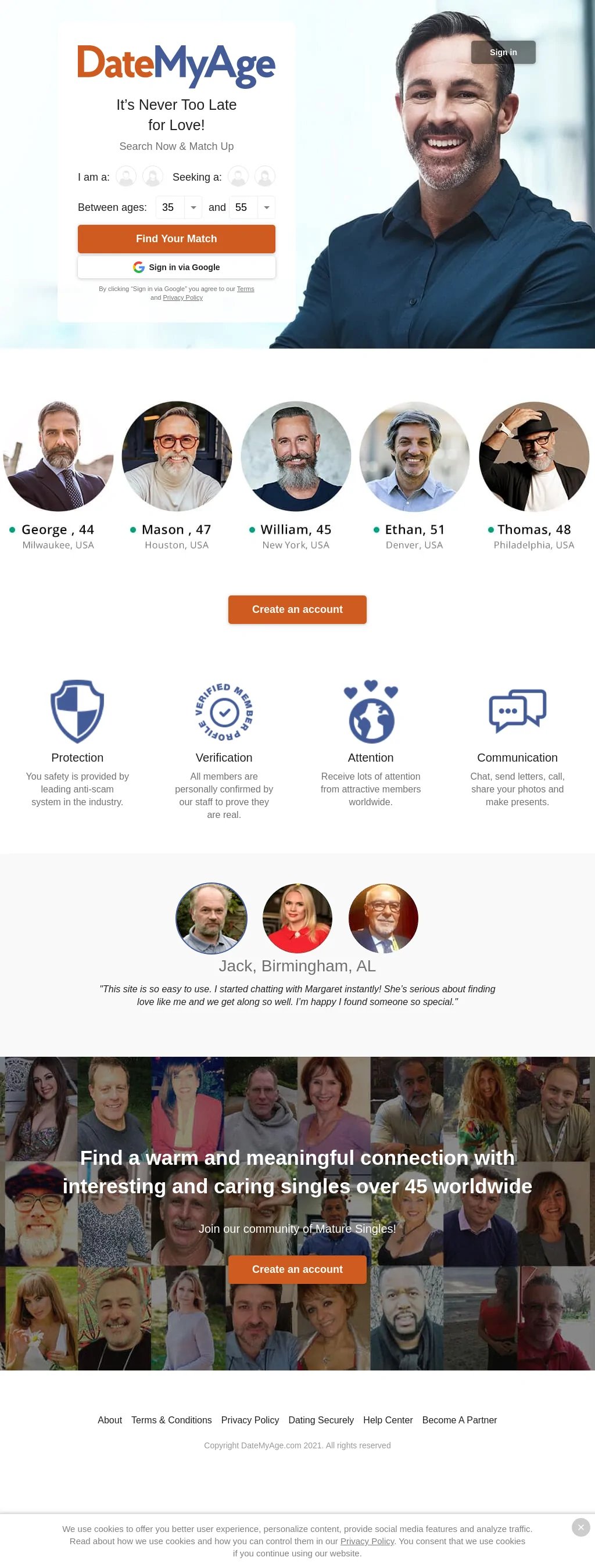
For the "Silver Splitters" or the over-50 demographic, trust and security are paramount. Avoid names that sound like "hook-up" culture. Instead, focus on companionship and "second acts." Names like "OurTime," "Evergreen," or "Wisdom" resonate better with an audience looking for stability and shared life experience rather than a fleeting romance.
Technical and SEO Considerations for 2026
In 2026, a name isn't just a label; it's a data point for search engines and voice assistants. You must consider how your name functions in a digital ecosystem.
| Consideration | Strategy | Importance |
|---|---|---|
| Domain Availability | Prioritize .com or .app; avoid hyphens. | High |
| Search Intent | Use keywords if the niche is highly competitive. | Medium |
| Voice Search | Must be easy for Siri/Alexa to recognize and spell. | High |
| Social Handles | Ensure @BrandName is available on TikTok/Instagram. | High |
| Global Appeal | Check for negative connotations in other languages. | Medium |
The "Siri Test"
Say your potential name out loud to a voice assistant. If the AI consistently misinterprets the word or asks "Did you mean...?", the name is likely too complex. In 2026, where a significant portion of web navigation happens via voice, a name like "Xylo-Match" is a technical liability.
Character Counts and Mobile UI
The majority of dating site interactions occur on mobile devices. A name that is too long (over 10-12 characters) will get truncated on a smartphone home screen icon. Aim for names that are 4 to 7 characters long. This "sweet spot" ensures the name is large and legible within the app's square or circular icon.
Legal Verification and Trademark Protection
Before falling in love with a name, you must perform a rigorous legal check. The dating industry is litigious, and many "obvious" names are already trademarked.
- USPTO Search: Start with the United States Patent and Trademark Office (or your local equivalent) to ensure the name isn't registered in Class 045 (Social networking and dating services).
- Common Law Check: Search Google, social media, and app stores for any existing platforms using the name, even if they haven't registered a formal trademark.
- WIPO Global Brand Database: If you plan to expand internationally, check the World Intellectual Property Organization database to prevent future legal hurdles in European or Asian markets.
Testing Your Shortlist
Once you have three to five strong contenders, move beyond your own intuition. Data-driven naming reduces the risk of a costly rebrand later.
- A/B Testing with Ads: Create two identical landing pages or social media ads, changing only the brand name. See which one gets a higher click-through rate (CTR). This provides objective evidence of which name "pulls" the audience better.
- Sentiment Surveys: Use platforms like PickFu or Pollfish to ask a target demographic what they think the site does based solely on the name. If you are building a marriage-focused site but 40% of respondents think "Ignite" sounds like a hook-up app, you have a branding misalignment.
- Linguistic Checking: Ensure the name doesn't have an accidental slang meaning. In 2026, digital slang evolves rapidly; checking modern dictionaries like Urban Dictionary or monitoring social trends can prevent a PR disaster.
Common Mistakes to Avoid
- Being Too Descriptive: While "LocalSinglesForMarriage.com" is great for SEO, it is impossible to build a lifestyle brand around it. It lacks "soul."
- The "i" and "y" Substitution: Replacing "i" with "y" (e.g., "Datyng") was a trend a decade ago, but in 2026, it looks dated and makes the site harder for users to find via search.
- Narrow Names for Broad Goals: If you name your site "TennisDate," it becomes very difficult to expand into other sports later without confusing your users. If you have ambitions for growth, choose a name that is "flexibly specific."
Summary of Next Steps
Choosing a good name for a dating site in 2026 requires a balance between emotional resonance and technical viability. Start by defining your "ideal user" and the specific problem your site solves—whether that is finding a life partner, a casual companion, or a niche-interest match. Use the categories of verbs, nouns, and descriptors to brainstorm at least 50 options, then aggressively filter them through the "Siri Test," domain availability checks, and trademark searches.
Finalize your choice by running a small-scale A/B test to see which name actually converts. Remember that while a name is the face of your brand, its ultimate success will depend on the trust and community you build behind it.
Frequently Asked Questions
Should I use my own name for a dating site?
Generally, no. Personal branding (e.g., "Jane Doe's Dating Service") is effective for high-end boutique matchmaking, but it does not scale well for a digital platform or app. A brand name should represent the community or the process, not a single individual, to allow for future growth and acquisition.
How important is a .com domain for a dating site in 2026?
While .app and .io have become more accepted, a .com remains the gold standard for "trust." In the dating industry, where safety and legitimacy are primary concerns for users, a .com domain signals that the company is established and professional. If your perfect name's .com is unavailable, consider adding a verb like "Get" or "Join" (e.g., JoinSpark.com).
Can a name influence the gender ratio on my site?
Yes. Linguistic research shows that names with "softer" consonants (L, M, N, R) often appeal more to women, while "harder" plosive sounds (K, T, P, B) can sometimes skew more masculine or transactional. To maintain a balanced ratio, aim for "balanced" names that combine different phonetic elements.
How much should I spend on a domain name?
For a serious startup in 2026, spending $2,000 to $10,000 on a high-quality, short domain is often more cost-effective than spending $50,000 on marketing to overcome a bad, hard-to-spell name. However, do not exhaust your entire seed capital on a domain before you have a working product.
Image Gallery