Cat on a Hot Tin Roof and the Academy Awards: A Legacy of Nominations
The 1958 film adaptation of Tennessee Williams’ Cat on a Hot Tin Roof remains a landmark in American cinema, notable for its significant presence at the 31st Academy Awards. Directed by Richard Brooks and starring Elizabeth Taylor, Pau...
The 1958 film adaptation of Tennessee Williams’ Cat on a Hot Tin Roof remains a landmark in American cinema, notable for its significant presence at the 31st Academy Awards. Directed by Richard Brooks and starring Elizabeth Taylor, Paul Newman, and Burl Ives, the film received six Academy Award nominations, reflecting its critical acclaim and impact on mid-century dramatic film history.
Contents
The Context of the 31st Academy Awards
Held on April 6, 1959, at the RKO Pantages Theatre in Hollywood, the 31st Academy Awards ceremony honored films released in 1958. This era marked a transitional period for the film industry as it grappled with the rise of television and shifting social mores. Cat on a Hot Tin Roof, produced by Metro-Goldwyn-Mayer, was a high-profile prestige project that brought Tennessee Williams’ intense, Pulitzer Prize-winning play to the screen with a powerhouse cast.
The film faced notable challenges during production, particularly regarding the Motion Picture Production Code. The script had to navigate strict censorship guidelines concerning themes of homosexuality and alcoholism present in the original stage production. Despite these thematic compromises, the performances were widely praised for their raw emotional intensity, ultimately positioning the film as a major contender during the 1959 awards season.
Academy Award Nominations Explained
The film earned six nominations in total. While it did not win any of the golden statuettes that night—a result often cited by film historians as a major "snub" or an indication of the intense competition in 1958—the recognition demonstrated the high regard in which the industry held the production. The categories for which the film was nominated are as follows:
- Best Picture: The production team was recognized for the film’s overall impact, narrative strength, and direction.
- Best Director: Richard Brooks received his first directing nomination for his work in translating the claustrophobic tension of the play into a cinematic language.
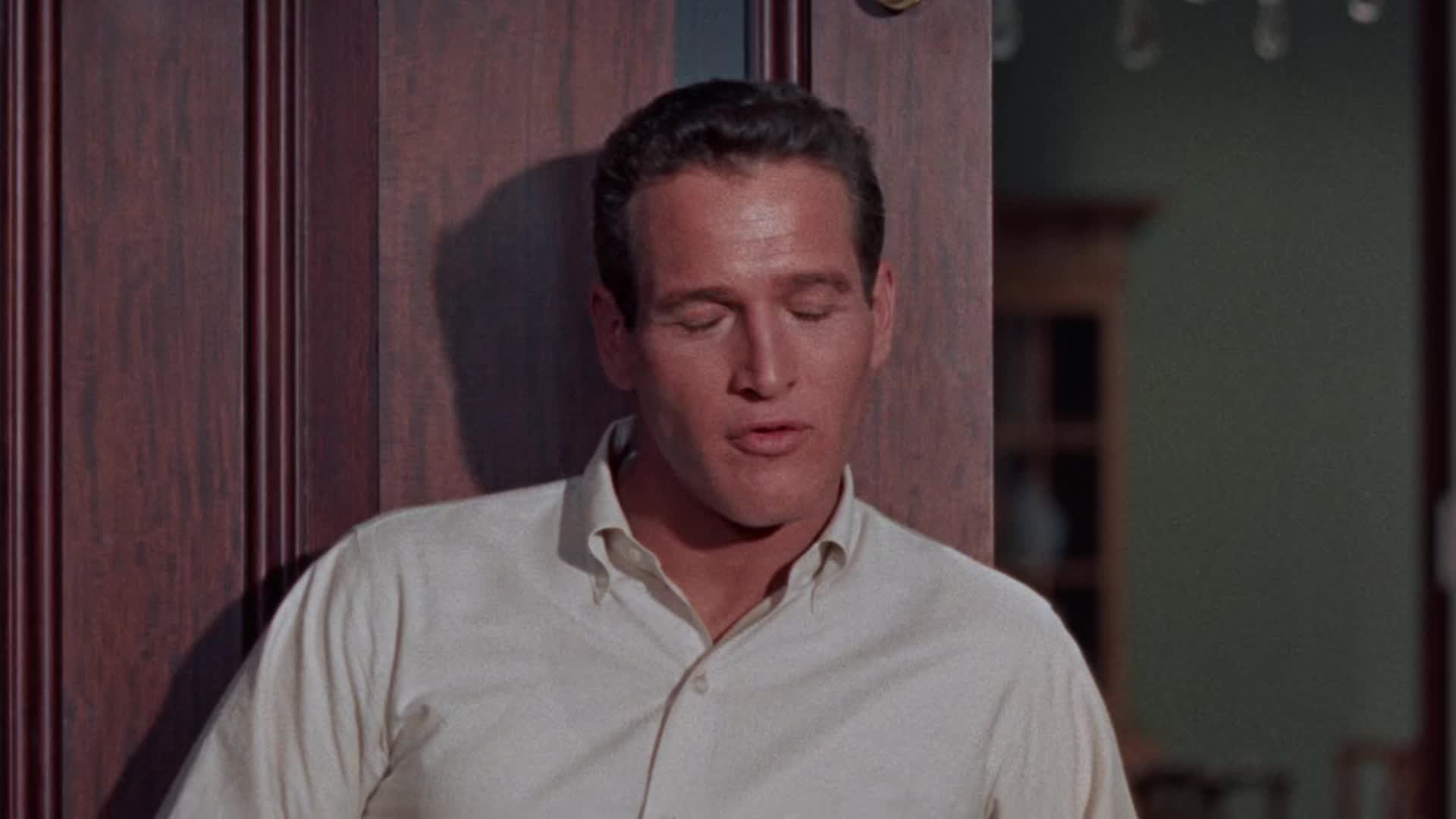
- Best Actor: Paul Newman was nominated for his portrayal of Brick Pollitt, the disillusioned former athlete grappling with grief and alcoholism.
- Best Actress: Elizabeth Taylor was nominated for her role as Maggie "The Cat" Pollitt. This nomination was a significant milestone in her career, solidifying her status as a serious dramatic actress.
- Best Adapted Screenplay: Richard Brooks and James Poe were honored for their adaptation of the Tennessee Williams play, which required balancing the source material’s heavy themes with the constraints of the era's censorship.
- Best Cinematography (Color): William H. Daniels was recognized for his expert use of color, which heightened the film's sense of Southern heat, decay, and family obsession.
Comparative Overview: The 1958 Awards Landscape
To understand the position of Cat on a Hot Tin Roof within the 1958 cinematic landscape, it is helpful to look at the other major contenders. The competition was fierce, dominated by musical epics and period dramas that appealed to a broad demographic.
| Category | Nominee: Cat on a Hot Tin Roof | Winner (1959 Ceremony) |
|---|---|---|
| Best Picture | Nominated | Gigi |
| Best Director | Richard Brooks | Vincente Minnelli (Gigi) |
| Best Actor | Paul Newman | David Niven (Separate Tables) |
| Best Actress | Elizabeth Taylor | Susan Hayward (I Want to Live!) |
| Best Adapted Screenplay | Richard Brooks & James Poe | Alan Jay Lerner (Gigi) |
| Best Cinematography | William H. Daniels | Joseph Ruttenberg (Gigi) |
This table illustrates that while Cat on a Hot Tin Roof was highly regarded, the Academy favored Gigi across almost all major categories in 1959. This outcome is a frequent subject of analysis for film critics who argue that the gritty realism of Cat was overlooked in favor of the more conventional spectacle of the musical genre.
Performance Analysis: The Craft Behind the Nominations
The nominations for Paul Newman and Elizabeth Taylor were not mere ceremonial gestures; they represented a shift toward "method" acting styles that were gaining traction in the late 1950s. Newman’s performance as Brick required a subtle, internalized approach to grief that contrasted with the more performative styles of his contemporaries.
Elizabeth Taylor’s work as Maggie is often considered one of the highlights of her long career. Critics have noted that she successfully captured the character's desperation and fierce independence while maintaining a vulnerability that anchors the film’s narrative. The synergy between the leads helped the film transcend its stage-bound origins, proving that the medium of film could effectively convey the suffocating atmosphere of a Mississippi delta plantation.
Production Constraints and Critical Reception
A crucial aspect of the film’s history is its battle with the censors. Tennessee Williams was famously dissatisfied with the adaptation, particularly the removal of the underlying implications of Brick’s attachment to his deceased friend, Skipper. Because the Production Code restricted explicit references to homosexuality, the film had to pivot toward vague feelings of "disgust" and "inadequacy."
Despite these compromises, the film was a massive commercial success. It grossed significantly more than its production budget, proving that adult-oriented, character-driven dramas could thrive in the market. This financial success bolstered the film’s credibility during the Oscar campaign, as the Academy often considered box-office performance as a signifier of cultural relevance.
FAQ: Common Questions Regarding the Film and the Oscars
Why did the film fail to win any Academy Awards despite six nominations? The year 1958 was an exceptionally competitive field at the Oscars. Gigi swept most of its nominations, taking home nine awards, including Best Picture and Best Director. The film’s focus on darker, uncomfortable family dynamics may have also put it at a disadvantage compared to the lighter, more traditional entertainment value offered by the year’s winners.
Was the film’s screenplay considered controversial? Yes. Adapting a play known for its explicit discussion of taboo subjects was considered risky. Writers Richard Brooks and James Poe had to navigate the strict Hays Code, which dictated what could be shown on screen, leading to a script that focused more on family inheritance and strained marriage than the play’s original focus on repressed identity.
How did the nomination impact Paul Newman’s career? The nomination for Best Actor served as a launching pad for Paul Newman, cementing his status as a leading man capable of intense, dramatic work. This was the first of many Academy Award nominations for Newman, who would eventually go on to win the Best Actor Oscar for The Color of Money in 1987.
Is the 1958 film the only version of the story to receive awards? While the 1958 film is the most famous adaptation, the source material by Tennessee Williams has been adapted multiple times for television and stage. However, in terms of the Academy Awards specifically, the 1958 film remains the definitive version recognized by the Motion Picture Academy.
Conclusion and Next Actions
For those interested in exploring the legacy of Cat on a Hot Tin Roof at the Academy Awards, the best next step is to examine the original 1958 film alongside the screenplay written by Brooks and Poe. Comparing the final film to published versions of the stage play offers a masterclass in how cinematic censorship and the demands of the studio system shaped the storytelling of the mid-20th century. By viewing the film through the lens of its six nominations, one gains a clearer understanding of how the industry balanced critical artistic integrity with the box-office expectations of the 1950s.
Image Gallery