Understanding High Cash Value Life Insurance Scams and Financial Protection
A high cash value life insurance scam typically involves the misrepresentation of permanent life insurance products—such as whole, universal, or indexed universal life—as short-term investment vehicles or "tax-free" savings accounts. T...
A high cash value life insurance scam typically involves the misrepresentation of permanent life insurance products—such as whole, universal, or indexed universal life—as short-term investment vehicles or "tax-free" savings accounts. These schemes often use aggressive sales tactics to promise unrealistic returns or liquidity, misleading consumers about the actual costs, surrender charges, and long-term viability of the policy.
Contents
The Mechanism of Life Insurance Misrepresentation
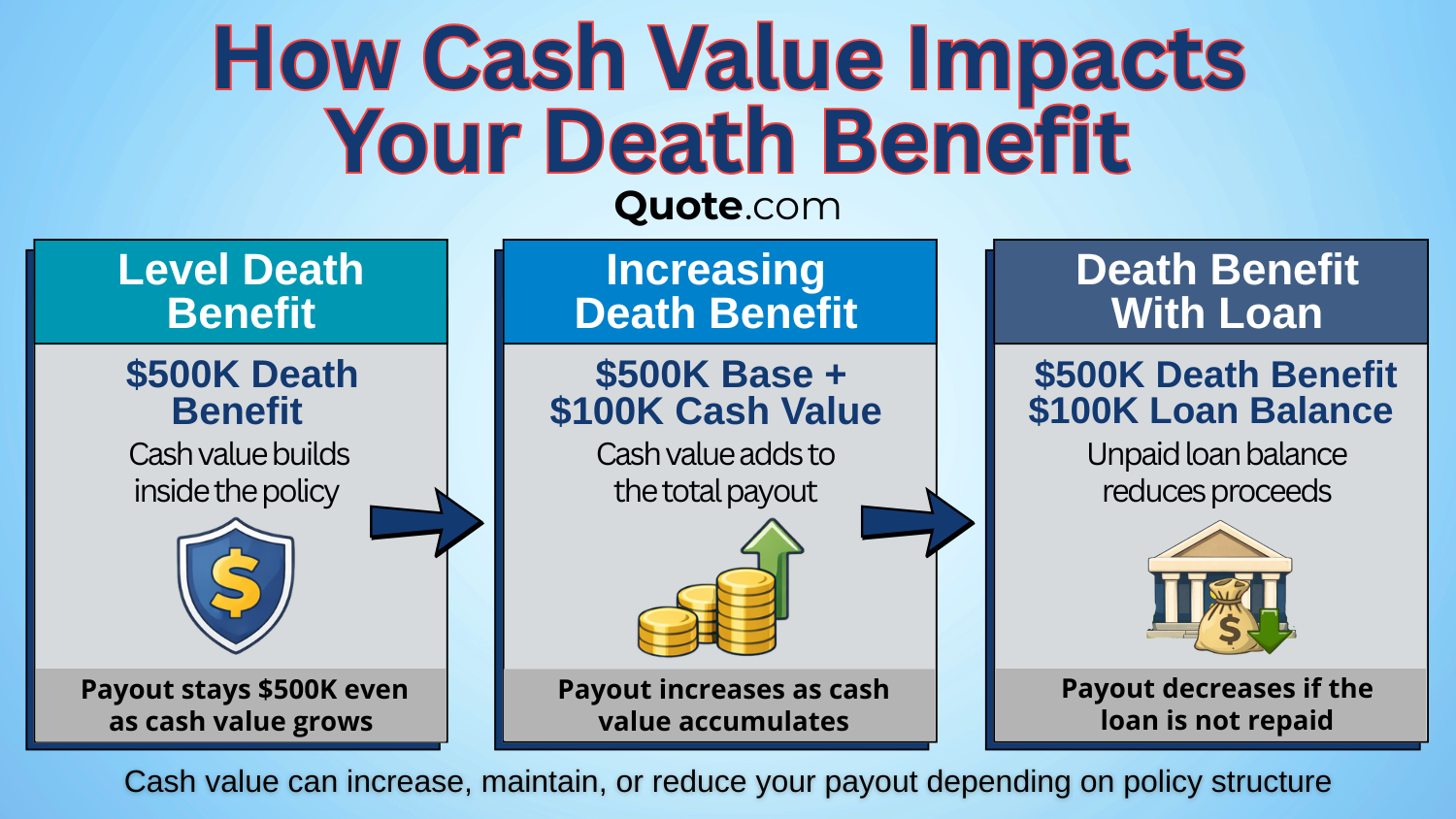
Permanent life insurance, which includes a cash value component, is a legitimate financial tool designed to provide a death benefit while accumulating a pool of savings over decades. A "scam" in this context rarely involves a fake insurance company; rather, it manifests as the unethical sale of a legitimate product through deception.
The most common iteration of this fraud is the "investment-first" pitch. Agents may describe a policy as a "private banking" system or a high-yield savings account alternative. They gloss over the heavy front-end commission structures, mortality charges, and administrative fees that consume the vast majority of premiums in the early years. By the time a policyholder realizes that their cash value is significantly lower than their total premium payments, they may have already locked themselves into a multi-year contract with steep surrender penalties.
Identifying Red Flags in Insurance Sales
Recognizing a potential scam requires distinguishing between the valid features of permanent life insurance and the inflated promises made by bad-faith actors. If an insurance professional emphasizes investment performance over protection, you should proceed with extreme caution.
- Unrealistic Rate-of-Return Projections: If an agent guarantees high, consistent returns on a cash value policy, they are likely misrepresenting the volatility of the underlying sub-accounts or the interest-crediting methods of the insurance carrier.
- The "Free Money" Narrative: Tactics that describe life insurance as a way to "get rich" or "eliminate debt" without mentioning the necessity of sustained, long-term premium payments are immediate warning signs.
- Pressure to Replace Existing Coverage: Often called "churning," agents may suggest canceling a perfectly good policy to start a new one, purely to generate a new commission for themselves, at the expense of your existing progress and surrender charges.
- Lack of Transparency regarding Fees: You should always request a formal "illustration" of the policy. If the agent cannot explain the surrender charge schedule or the impact of annual cost-of-insurance (COI) increases, they are failing to provide the disclosures required by state insurance departments.
Key Differences Between Legitimate Strategy and Deception
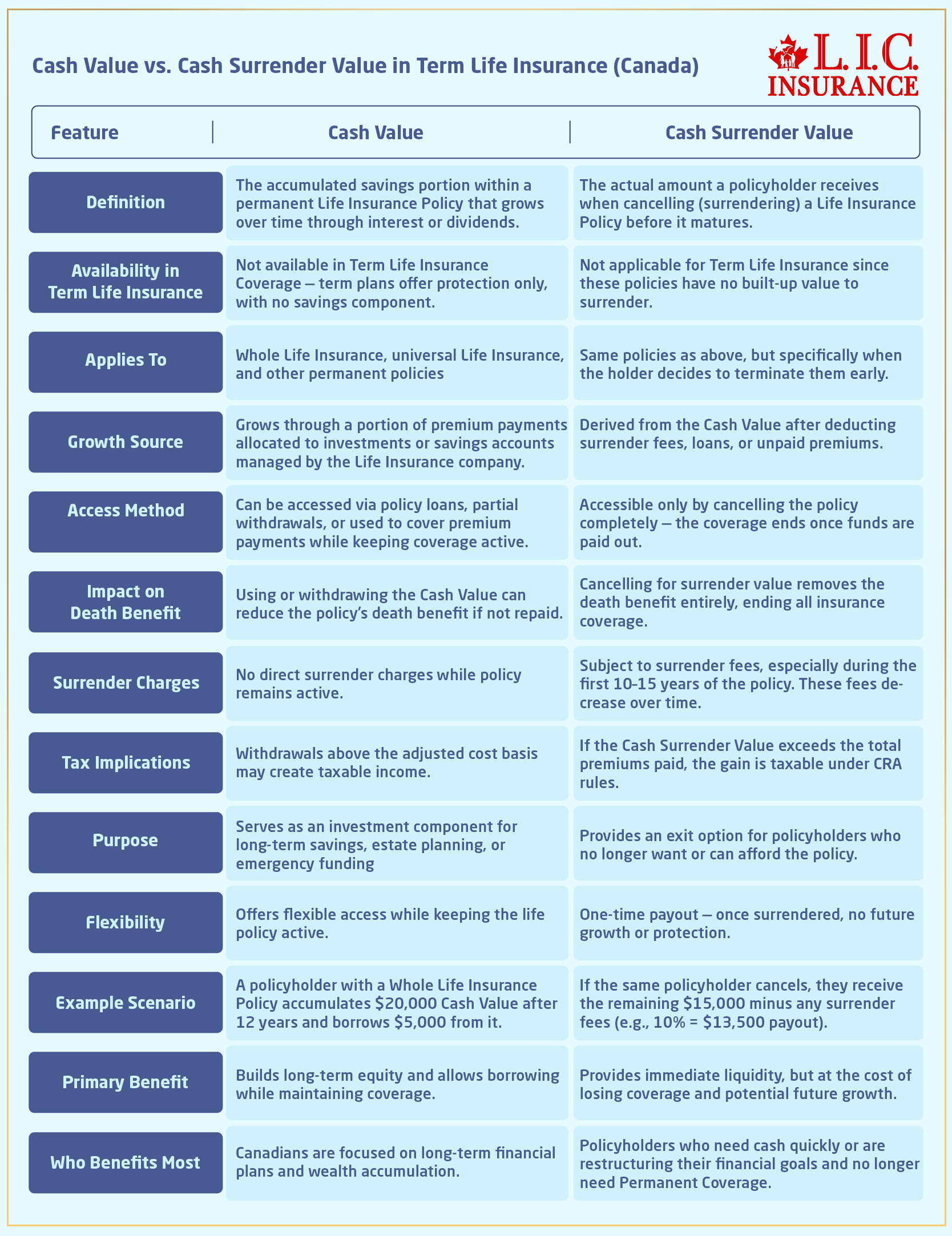
| Feature | Legitimate Financial Strategy | Typical Scam/Misrepresentation |
|---|---|---|
| Primary Goal | Long-term death benefit protection. | "Get rich quick" or short-term gains. |
| Fees & Loads | Transparently disclosed in the contract. | Hidden, obscured, or glossed over. |
| Surrender Charges | Standard mechanism for early exit. | Never mentioned until policy cancellation. |
| Role of Agent | Providing insurance solutions. | Acting as an investment advisor/guru. |
| Liquidity | Accessible via loans (subject to rules). | Claimed to be as liquid as a bank account. |
The Role of Financial Regulation and Verification
In 2026, the insurance industry remains highly regulated at the state level. Every insurance agent must be licensed in the state where they conduct business. If you suspect you are being steered into a policy based on false pretenses, the first step is to verify the agent's credentials through the National Association of Insurance Commissioners (NAIC) or your specific state’s Department of Insurance.
Legitimate insurance companies are required to provide a "Free Look" period—typically 10 to 30 days after policy delivery—during which you can cancel the policy for a full refund of premiums paid. If an agent attempts to discourage you from exercising this right or fails to provide the necessary policy documents during this window, you have grounds to file a formal complaint with the state regulator.
Steps to Protect Your Financial Assets
If you believe you have already been sold a policy under false pretenses, take the following steps to mitigate your loss:
- Request the Full Policy Jacket: Do not rely on marketing brochures or agent-provided spreadsheets. The legal contract, or "policy jacket," contains the exact terms regarding charges, interest crediting, and surrender penalties.
- Audit the Illustration: Look specifically for the "Guaranteed" vs. "Non-Guaranteed" values. Many scams highlight the non-guaranteed projection to sell the policy, while the guaranteed values show a much bleaker financial reality.
- Contact the Carrier Directly: If you lose trust in your agent, contact the home office of the insurance company. Ask them to verify the premium schedule and the implications of stopping payments.
- Consult a Fee-Only Fiduciary: Seek advice from a certified financial planner (CFP) who does not sell insurance products. A fiduciary is legally obligated to act in your best interest, whereas an insurance agent is typically only required to follow the "suitability" standard, which is a much lower bar for ethical conduct.
Frequently Asked Questions
Is cash value life insurance ever a good investment? For most individuals, life insurance is not a substitute for traditional investment accounts like IRAs or 401(k)s. It can be a useful tool for high-net-worth individuals for estate liquidity or tax-advantaged wealth transfer, but these strategies are complex and should only be pursued with independent, professional tax and financial advice.
What happens if I stop paying premiums on a high cash value policy? If you have accumulated sufficient cash value, the policy may continue to pay its own costs via "automatic premium loans" or by reducing the death benefit. However, if the cash value is insufficient, the policy will lapse, and you may lose everything paid into it. Always verify the status of the policy with the carrier before missing a payment.
Are there legal protections against insurance fraud? Yes. State Departments of Insurance investigate agents who engage in "twisting" (deceptive replacement of policies) or "churning." If you provide evidence of misrepresentation, regulators can impose fines, suspend licenses, or require restitution.
How do I find a reputable life insurance provider? Check the financial strength ratings of the carrier through independent agencies like A.M. Best or Moody’s. A company with a long history of stability and high financial ratings is less likely to be associated with the aggressive, "get-rich" sales tactics found in fringe marketing.
Should I use an agent recommended by a friend or social media group? Personal recommendations can be helpful, but they do not guarantee the agent is acting in your best interest. Regardless of how you found the agent, you must conduct your own due diligence, verify their state license, and read the contract documents before signing.
Final Recommendation
Do not purchase a life insurance policy based on oral promises or social media marketing. Before signing any contract, demand a copy of the policy specimen and the full illustration. If you feel pressured to act quickly or are told that the details are "too complicated to explain," walk away. Insurance is a long-term commitment; there is never a reason to sign without a complete understanding of the costs.
Image Gallery