Facial Transplantation for Suicide Survivors: Medical Processes, Eligibility, and Outcomes in 2026
Facial transplantation for suicide survivors is a complex reconstructive procedure designed to restore essential functions—such as breathing, eating, and speaking—and appearance following severe self-inflicted trauma. It involves a mul...
Facial transplantation for suicide survivors is a complex reconstructive procedure designed to restore essential functions—such as breathing, eating, and speaking—and appearance following severe self-inflicted trauma. It involves a multidisciplinary approach including microsurgery, lifelong immunosuppression, and rigorous psychological vetting to ensure the recipient can manage the profound physical and emotional changes of a new identity.
Contents
The field of Vascularized Composite Allotransplantation (VCA) has evolved significantly over the last two decades. While the first facial transplants were performed to address animal attacks or industrial accidents, a substantial portion of recipients today are individuals who survived self-inflicted gunshot wounds. These cases present unique clinical and ethical challenges, requiring a synthesis of advanced surgical techniques and intensive psychiatric support.
The Clinical Necessity of Facial Transplantation
For many suicide survivors who have sustained massive mid-face trauma, traditional reconstructive surgery reaches a "ceiling." Conventional methods, such as using skin grafts from the patient’s own leg or back (autologous grafts), often fail to restore the intricate functionality of the lips, eyelids, or nasal passages. These "patchwork" reconstructions may provide coverage but frequently leave the patient with significant functional deficits and social isolation.
Facial transplantation offers a "like-with-like" replacement. By transplanting the skin, muscles, nerves, and sometimes the bone structure of a deceased donor, surgeons can restore the complex mechanics of the human face. In 2026, the goal of these procedures is no longer merely aesthetic; it is the restoration of a patient’s ability to interact with the world—smelling, tasting, smiling, and closing their eyes.
Eligibility and the Psychological Vetting Process
Perhaps the most critical phase of a facial transplant for a suicide survivor occurs before the patient ever enters the operating room. Because the procedure requires a lifelong commitment to immunosuppressant medications and a high risk of graft rejection, the patient’s mental health must be demonstrably stable.
The "Psychological Clearance" Criteria
Medical centers, such as NYU Langone Health and the Cleveland Clinic, employ strict protocols to determine if a candidate is suitable for the procedure. The following criteria are standard:
- Prolonged Stability: Candidates must typically demonstrate at least 12 to 24 months of psychiatric stability without active suicidal ideation or self-harm attempts.
- Adherence History: A proven track record of compliance with medical regimens is essential. If a patient cannot reliably take medications, the body will reject the new face, leading to catastrophic health failure.
- Support System: A robust social support network (family, friends, or dedicated caregivers) is required to help the patient manage the arduous recovery process.
- Cognitive Understanding: The patient must fully grasp that they will not look like their "old self" nor exactly like the donor, but rather a unique combination of the two.
The Surgical Procedure: A Feat of Microsurgery
A facial transplant is a marathon surgery, often lasting between 15 and 30 hours, requiring two simultaneous surgical teams: one to procure the donor's face and one to prepare the recipient.
Preparation and 3D Planning
In 2026, surgeons utilize advanced 3D modeling and virtual surgical planning. By using CT scans of both the donor and the recipient, they can create 3D-printed cutting guides. These guides ensure that the donor’s bone structure—such as the jaw or orbital floors—fits the recipient’s anatomy with millimeter precision.
Microsurgical Reconnection
The success of the transplant hinges on the reconnection of microscopic vessels and nerves.
- Vascular Anastomosis: Surgeons connect the carotid arteries and jugular veins to ensure immediate blood flow to the new tissue.
- Neural Reintegration: The facial nerve (for movement) and the trigeminal nerve (for sensation) are meticulously sutured. Nerve regeneration is a slow process, typically occurring at a rate of one millimeter per day, meaning functional results may not appear for months.
- Structural Realignment: The "bony scaffold" is secured using titanium plates and screws, followed by the draping and tailoring of the skin and soft tissue.
Post-Operative Recovery and Immunosuppression
Once the surgery is complete, the recipient begins a lifelong journey of medical management. The body naturally views the transplanted face as a foreign object and attempts to attack it.
Managing Rejection
Recipients must take a "cocktail" of immunosuppressant drugs, such as tacrolimus and mycophenolate mofetil, for the rest of their lives. These drugs carry significant side effects, including an increased risk of kidney damage, diabetes, and certain cancers.
"Acute rejection" episodes are common, particularly in the first year. These usually manifest as redness or swelling of the skin and are treated with high-dose steroids. More concerning is "chronic rejection," a slow decline in the health of the transplanted tissue that remains a primary focus of VCA research in 2026.
Physical and Speech Therapy
Recovery involves thousands of hours of rehabilitation. Patients must relearn how to swallow, speak clearly, and manipulate their facial expressions. This process requires immense patience, as the "new" nerves must grow into the transplanted muscles before movement is possible.
Comparing Traditional Reconstruction vs. Facial Transplantation
| Feature | Traditional Autologous Reconstruction | Facial Transplantation (VCA) |
|---|---|---|
| Source of Tissue | Patient's own body (thigh, back, forearm) | Deceased donor |
| Functional Outcome | Limited; often "mask-like" appearance | High; restores lips, eyelids, and expression |
| Surgical Duration | Multiple surgeries over years | One primary 15–30 hour surgery |
| Medication | None specific to the graft | Lifelong immunosuppression required |
| Recovery Focus | Wound healing and scarring | Nerve regeneration and psychological integration |
| Risk of Rejection | Zero (it is the patient's own tissue) | High; requires constant monitoring |
Ethical Considerations in Suicide Survivor Cases
The use of facial transplantation for suicide survivors sparks significant ethical debate within the medical community. The core of the controversy lies in the allocation of scarce resources.
- Organ Scarcity: With a limited pool of donors, some argue that organs should prioritize those whose injuries were accidental. However, the prevailing medical consensus in 2026 follows the principle of "beneficence"—providing the best possible care to those in need, regardless of the origin of the injury, provided they meet the stability criteria.
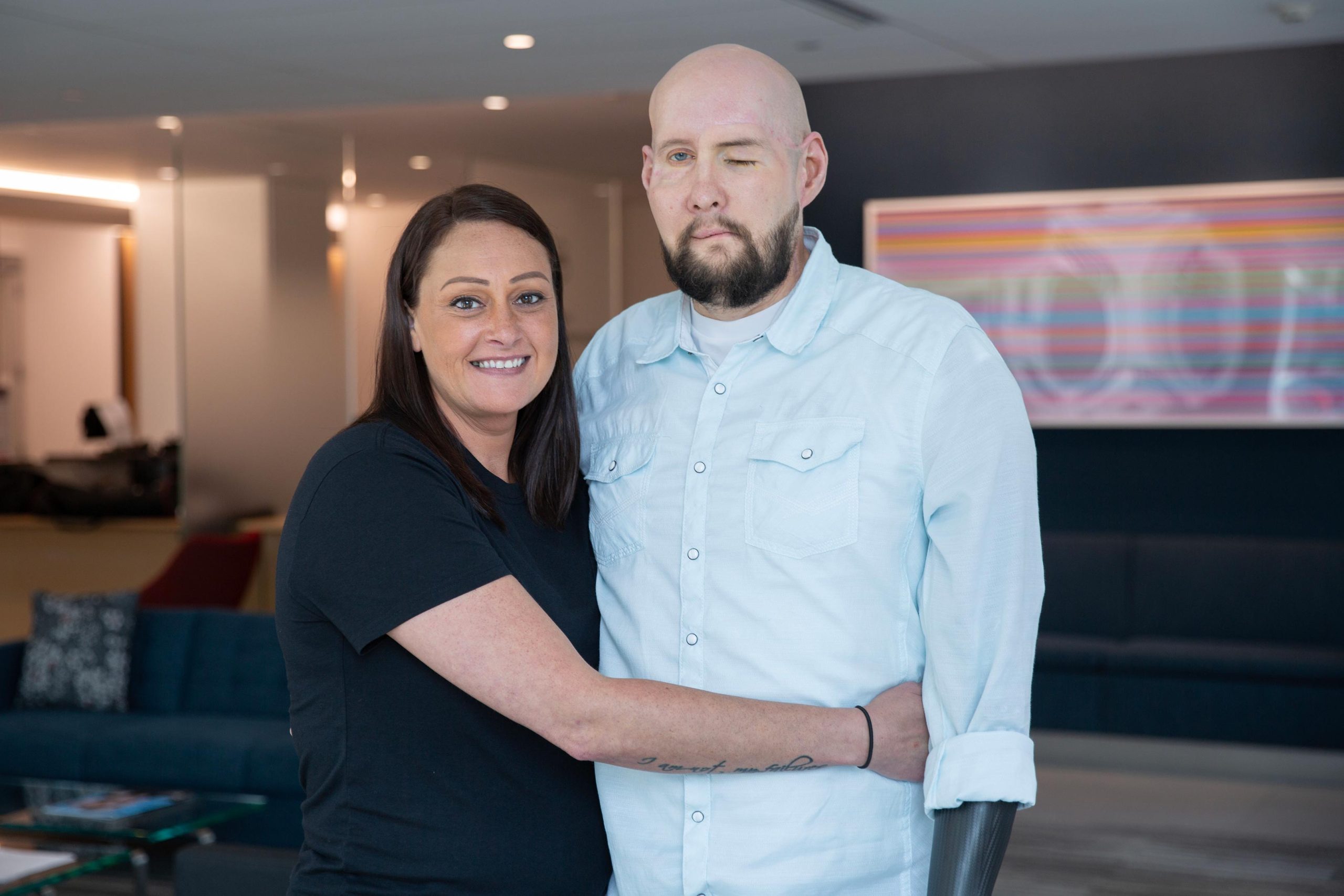
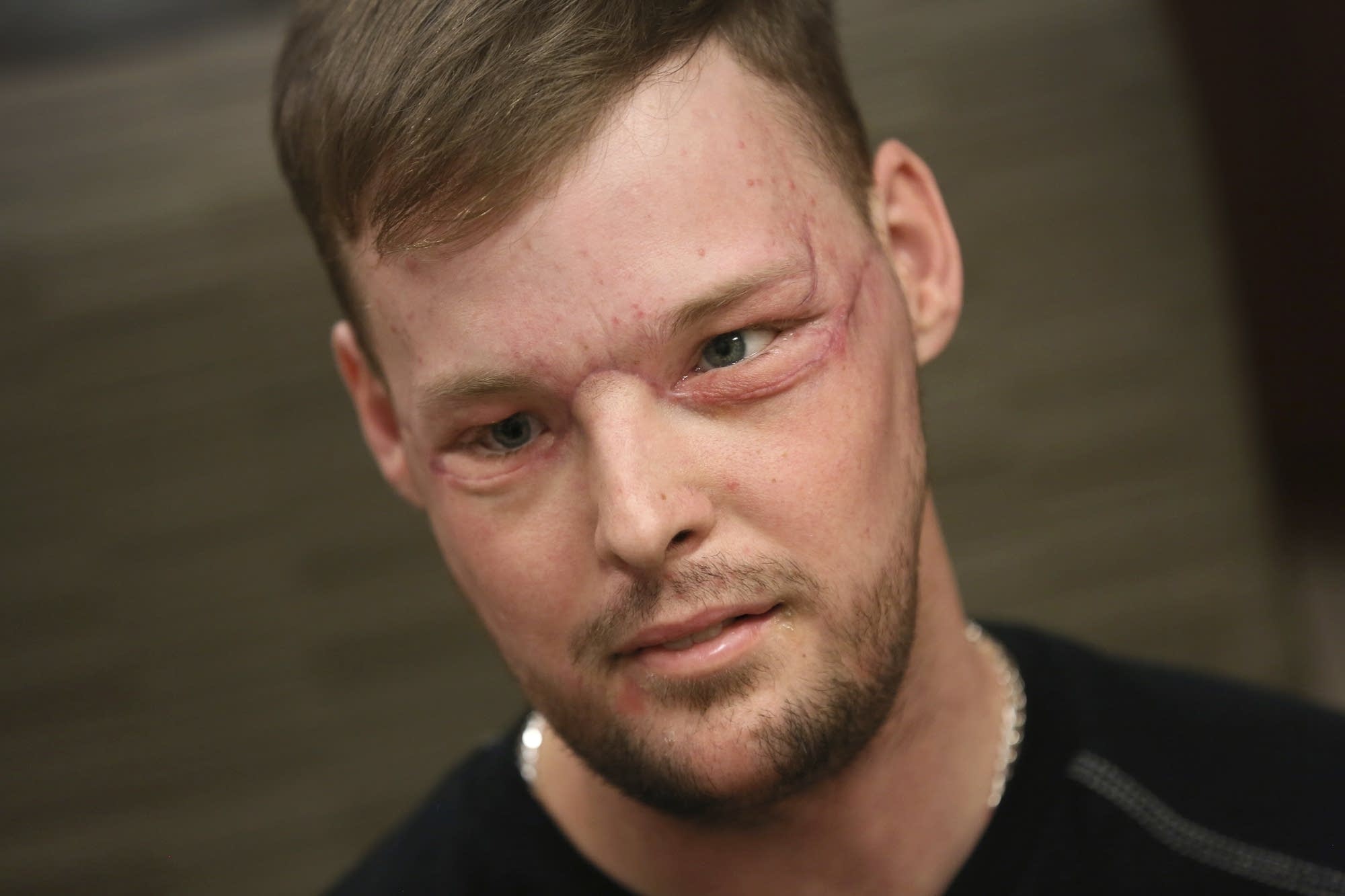
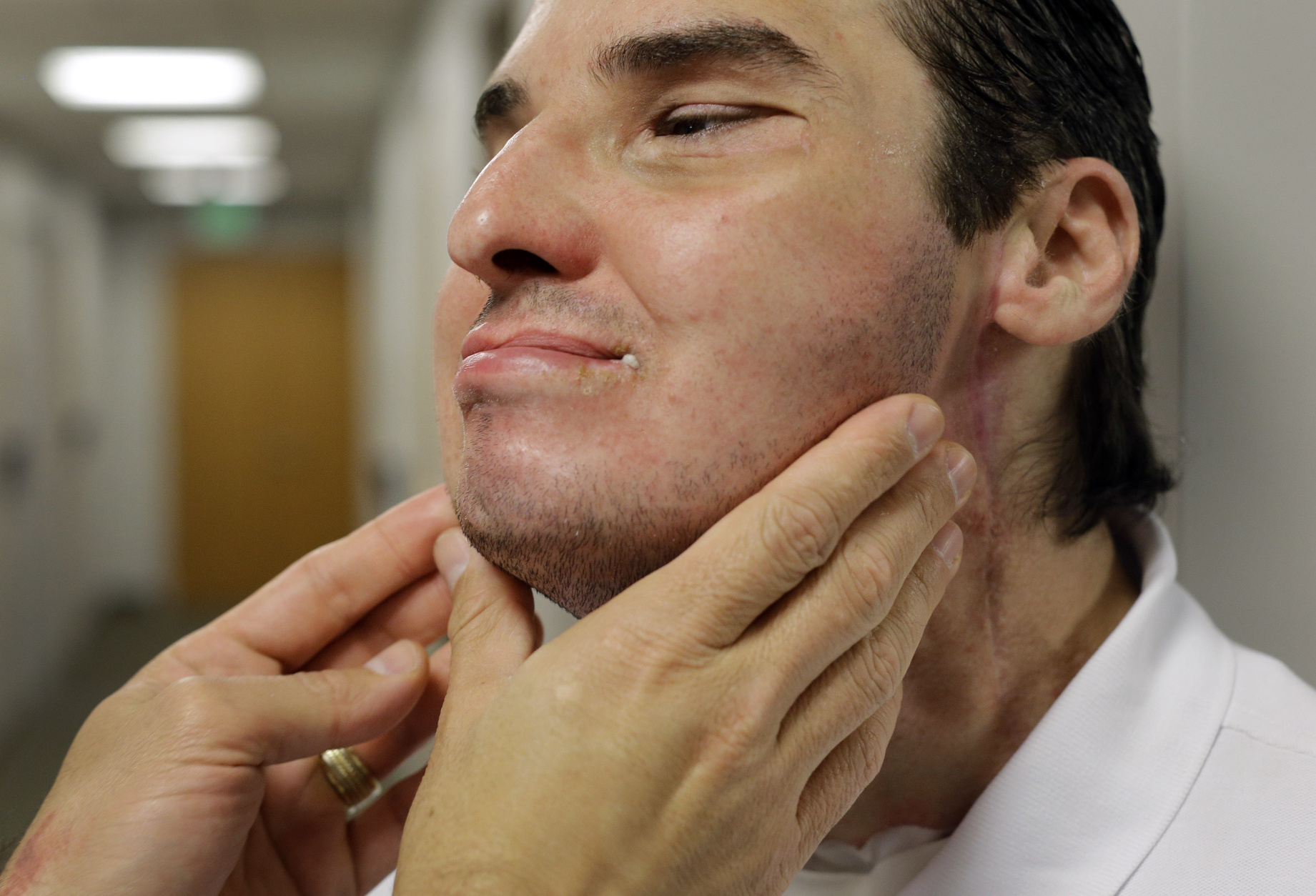
- Identity and Privacy: Recipients often become public figures (e.g., Katie Stubblefield or Cameron Underwood). Balancing their need for privacy with the medical community's need to document these rare cases is a constant challenge.
- The "Second Chance" Philosophy: Many transplant programs view these procedures as the ultimate "second chance," offering a person who was at their lowest point the opportunity to rejoin society without the stigma of severe facial disfigurement.
Financial Considerations and Access
As of 2026, facial transplantation remains an incredibly expensive undertaking, often exceeding $1 million for the surgery and initial hospitalization.
- Research Grants: Many early transplants were funded by the U.S. Department of Defense (DoD) to refine techniques for wounded veterans.
- Institutional Funding: Large academic medical centers often absorb a significant portion of the cost as part of clinical trials.
- Insurance Coverage: While some private insurers have begun to cover aspects of VCA, it is not yet a standard benefit. Long-term costs for immunosuppressant medications and therapy can exceed $30,000 to $50,000 annually.
FAQ: Understanding Facial Transplantation
Will the recipient look exactly like the donor?
No. The appearance of a face is determined not just by the skin, but by the underlying bone structure of the recipient. The result is typically a "hybrid" appearance that looks like neither the donor nor the recipient’s pre-injury self.
How many face transplants have been performed globally?
By 2026, approximately 50 to 60 facial transplants have been performed worldwide since the first procedure in 2005. The procedure remains rare due to its complexity and the strictness of the screening process.
Can a face transplant fail?
Yes. If chronic rejection occurs or if the patient stops taking immunosuppressant medications, the tissue will die. In such cases, the transplant may need to be removed, and the patient would return to a state of severe disfigurement, often requiring traditional skin grafts as a "salvage" procedure.
Is the procedure available for all suicide survivors with facial injuries?
No. Only those with the most severe "pan-facial" injuries that cannot be fixed by traditional means are considered. Furthermore, the psychological and medical hurdles disqualify a large percentage of potential candidates.
How do donors get matched?
Matching involves blood type (ABO) compatibility, tissue typing (HLA), and physical characteristics like skin tone, age, and facial size. Because the donor must be deceased and the family must provide specific consent for "facial donation" (which is separate from standard organ donation), finding a match is exceptionally difficult.
Recommendations for Families and Candidates
If you or a loved one are considering facial transplantation following a suicide attempt, the first step is to achieve long-term psychological stability. Seek out a major academic medical center that specializes in Vascularized Composite Allotransplantation (VCA).
Candidates should prepare for a rigorous evaluation process that may take a year or longer. It is essential to work closely with both a reconstructive surgeon and a psychiatrist who specializes in transplant medicine. For many, the goal is not perfection, but the restoration of the "human" functions that allow for a dignified and connected life.
Image Gallery