The Ultimate Guide to Clubs That Play House Music: Venues, Sound Systems, and Entry Strategies
Clubs that play house music span intimate underground basements, multi-level converted warehouses, and iconic global superclubs. Finding the right venue depends on your preferred subgenre—such as deep house, tech house, or afro house—a...
Clubs that play house music span intimate underground basements, multi-level converted warehouses, and iconic global superclubs. Finding the right venue depends on your preferred subgenre—such as deep house, tech house, or afro house—as well as door policies, custom acoustic setups, peak operating hours, and advance ticketing requirements across key nightlife capitals worldwide.
Contents
Understanding House Music Subgenres and Club Environments
House music is not a monolithic sound; it encompasses a broad spectrum of sonic signatures, tempos, and atmospheres. Choosing the right nightclub requires understanding how different subgenres align with specific venue acoustics, staging layouts, and crowd dynamics.
House Music Spectrum:
- Deep House (118–124 BPM): Intimate lounges, low-ceiling basements, warm acoustic tuning
- Tech House (124–128 BPM): High-energy warehouses, industrial spaces, punchy kick drum focus
- Soulful / Chicago (120–125 BPM): Historic heritage clubs, vinyl-only booths, open dance floors
- Melodic / Progressive (120–126 BPM): Multi-tier venues, immersive lighting rigs, spatial audio
- Afro House (120–124 BPM): Open-air terraces, percussion-heavy soundscapes, relaxed dress codes
Underground Basements vs. Multi-Room Superclubs
Underground basement clubs prioritize acoustic intimacy and dark, unpretentious environments. Featuring low ceilings and minimal visual distractions, these spaces concentrate sound energy, making them ideal for deep house, minimal house, and Detroit-style tech house. The focus remains squarely on the dance floor and the DJ's track selection rather than elaborate production elements.
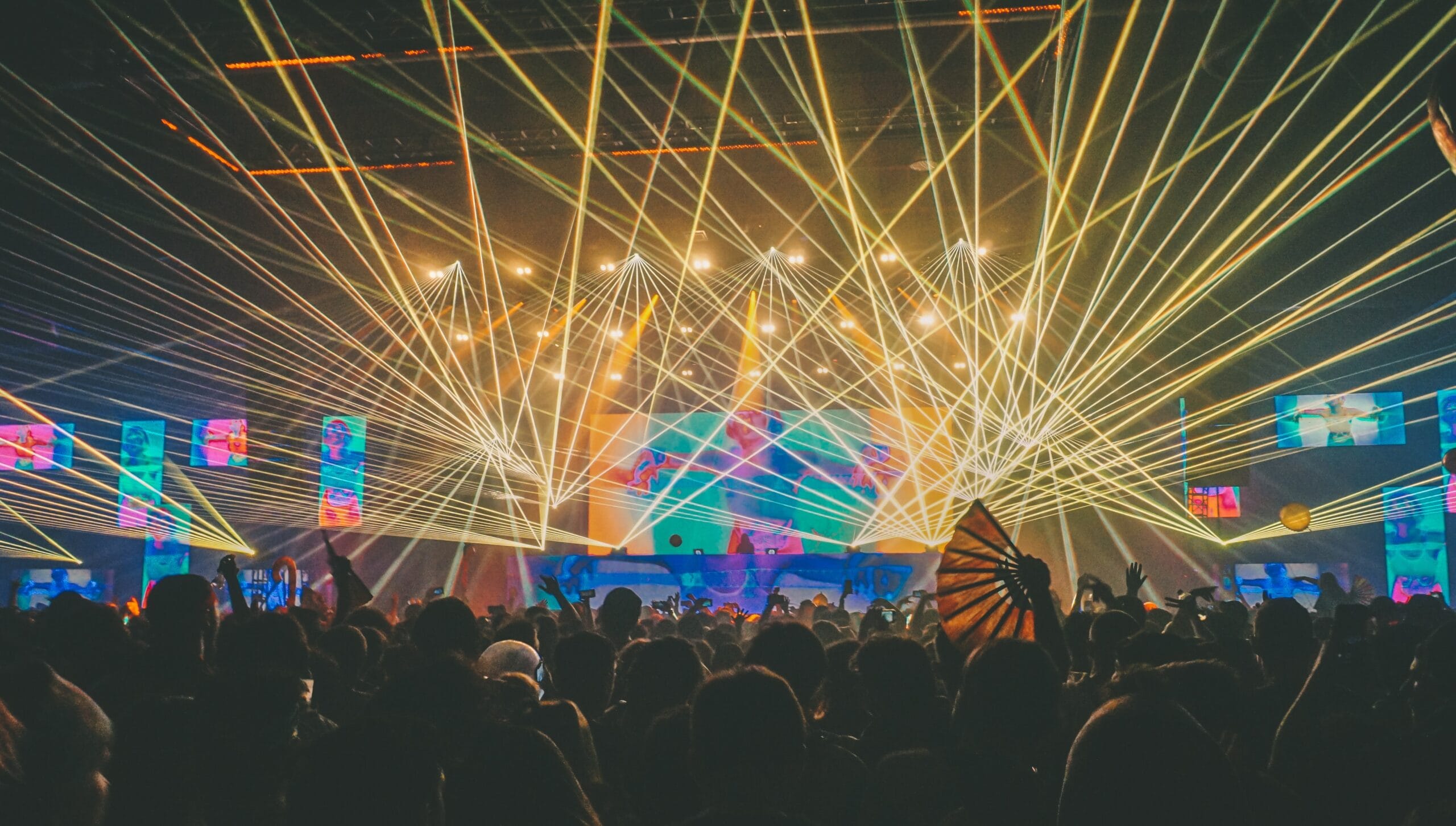
Conversely, multi-room superclubs and converted industrial warehouses offer large-scale production, including custom laser arrays, LED walls, and multi-tiered viewing platforms. These spaces frequently host international headliners playing high-tempo tech house, progressive house, or big-room house. Multi-room venues often curate distinct subgenres in separate rooms, allowing patrons to transition between soulful vocal house in a side room and driving peak-time house in the main room.
Premier Global Hubs for House Music
While house music was born in the warehouse parties of Chicago and the underground clubs of Detroit during the 1980s, it has evolved into a global movement supported by dedicated venues across major nightlife capitals.
Global House Capitals:
- Chicago: Smartbar (Underground heritage, local residents)
- London: Fabric, E1, Ministry of Sound (Pitched floors, acoustic isolation)
- Ibiza: DC10, Amnesia, Hï Ibiza (Terraces, seasonal residencies)
- Berlin: Panorama Bar / Berghain, Watergate (Strict door policies, no-photo enforcement)
- New York: Knockdown Center, Elsewhere, Good Room (Analog systems, loft roots)
- Amsterdam: Shelter, De School legacy venues (Underground licenses, ADE showcases)
Chicago and New York: The Heritage and Loft Tradition
Chicago remains the spiritual home of house music. Venues such as Smartbar maintain the city's foundational legacy, utilizing custom sound systems and hosting long-running residencies from legendary artists. The focus in Chicago clubs remains on rhythm, vinyl selection, and community.
In New York, the culture traces back to the Loft and Paradise Garage eras. Modern venues in Brooklyn—such as Knockdown Center, Elsewhere, and Good Room—continue this tradition by blending industrial warehouse aesthetics with refined analog and digital sound reinforcement systems catered to deep house, disco house, and melodic techno-house crossovers.
London and Amsterdam: Precision Acoustics and Warehouse Culture
London’s house music landscape is defined by long-standing institutions and industrial conversion spaces. Venues like Fabric are globally renowned for custom acoustic engineering, including vibrating bodily-sensory floors ("bass necks") and strict clubbing etiquette.
Amsterdam hosts a thriving year-round scene anchored by venues like Shelter, located beneath the IJ river, and supported annually by the Amsterdam Dance Event (ADE). Dutch house clubs are celebrated for their 24-hour licensing capabilities, immaculate spatial acoustics, and inclusive crowd policies.
Ibiza and Berlin: Terraces, Residencies, and Underground Strictness
Ibiza represents the peak of commercial and open-air house music culture. Clubs like DC10, Amnesia, and Hï Ibiza host summer residencies featuring the world's top tech house and afro house DJs. The signature experience revolves around day-to-night terrace dancing under high-output sound systems.
Berlin offers a stark contrast, focusing on uncompromising underground clubbing. While famous for techno, venues like Panorama Bar (situated above Berghain) and Watergate represent world-class temples for deep, vocal, and micro-house music. Berlin venues enforce strict door policies, long operating hours, and total camera bans to preserve dance floor freedom.
Technical Elements: Sound Systems, Acoustics, and Lighting
The quality of a house music club depends fundamentally on its acoustic engineering. Because house music relies on rhythmic 4/4 kick drums, continuous basslines, and intricate hi-hat patterns, sound systems must deliver clear low-frequency extension without creating listener fatigue or muddy acoustic reflection.
| Sound System Architectural Focus |
|---|
| Low-Frequency Clarity (Sub-bass response from 30–80 Hz) |
| Spatial Dispersion (Even SPL across the entire floor) |
| Dynamic Headroom (Distortion-free output at peak hours) |
Leading Sound Systems Used in Top House Clubs
- Funktion-One: Renowned for point-source technology, Funktion-One systems are designed to minimize physical driver equalization, yielding an exceptionally punchy, raw, and organic sound favored by tech house and deep house venues.
- L-Acoustics: Utilizing advanced line-array configurations and precise wave-sculpting acoustics, L-Acoustics systems deliver smooth, transparent high frequencies and deep, controlled bass, common in large-scale electronic venues and luxury clubs.
- VOID Acoustics: Distinguished by visual design as well as audio engineering, VOID systems feature sculpted horn-loaded arrays that deliver high sound pressure levels (SPL) with striking visual aesthetics.
- Analog & Custom Rotary Systems: Intimate deep house and audiophile venues often pair custom-built horn speakers with vintage rotary mixers (such as UREI or Condesa), emphasizing dynamic warmth over extreme volume.
House Music Club Comparison Matrix
The following matrix compares standard operational models found across house music venues worldwide to help you choose the best experience for your preferences:
| Venue Category | Primary Subgenres | Sound System Setup | Door Strictness | Primary Entry Method | Peak Operating Hours |
|---|---|---|---|---|---|
| Underground Basement | Deep House, Microhouse, Minimal | Custom Analog, Rotary, Vintage Horns | Moderate to High | Presale / Small Queue | 01:00 – 06:00 |
| Industrial Warehouse | Tech House, Acid House, Techno-House | Funktion-One, VOID Arrays | Low to Moderate | Advance Mobile Ticket | 00:00 – 07:00 |
| Commercial Superclub | Big Room House, Commercial Tech | L-Acoustics, Integrated LED/Lasers | Low (Dress Code Enforced) | Presale / VIP Table Booking | 01:30 – 05:00 |
| Open-Air Terrace | Afro House, Melodic House, Ibiza Tech | Line-Array Systems with Delay Towers | Moderate | Advance Ticket / Guestlist | 18:00 – 00:00 (Day/Night) |
| Audiophile / Listening Bar | Soulful House, Disco, Deep House | Custom Klipschorn, JBL, Rotary Mixers | Low to Moderate | Reservation / Walk-up | 21:00 – 02:00 |
How to Secure Entry: Ticketing, Guestlists, and Door Policies
Getting into popular house music clubs requires understanding entry mechanics, presale platforms, and door etiquette.
Entry Strategy Flowchart:
- Determine Event & Venue
- Is Presale Available?
- YES: Purchase via RA / Dice / Shotgun: Arrive early with valid ID
- NO: Research Door Policy: Dress appropriately & arrive at door opening
1. Advance Ticketing Platforms
Most reputable electronic music venues distribute tickets through dedicated ticketing platforms such as Resident Advisor, DICE, or Shotgun. Buying presale tickets guarantees entry—provided you comply with venue rules—and is strongly recommended for high-profile DJ lineups.
- Early Entry Tickets: Often sold at a discount but require arrival before a specified cut-off time (e.g., before 23:00). Arriving late renders the ticket invalid or requires paying a surcharge.
- General Admission Presales: Grant entry throughout the night, though peak arrival times (00:30–02:00) may still involve queue delays.
2. Door Rules and Bouncer Etiquette
In cities like Berlin, Paris, and London, having a ticket does not guarantee admission if a venue operates a strict selection process at the door. To maximize your chances of entry:
- Know the Lineup: Door staff often ask patrons which DJs are playing to filter out tourists who are unfamiliar with the musical programming.
- Group Sizes: Arrive individually or in small groups (2–3 people). Large groups are frequently turned away at underground venues.
- Dress Code Adherence: Industrial and underground venues prefer low-key, dark, or casual clothing. Avoid corporate attire, flash logos, or standard festival costumes unless specified by an event theme. Conversely, commercial superclubs in Miami or Las Vegas enforce strict upscale dress codes (collared shirts, dress shoes, no athletic wear).
- Respect Door Staff: Keep voice levels down in queue, put mobile phones away, and refrain from intoxication while waiting for entry.
Health, Hearing Safety, and Dance Floor Etiquette
Nightclub environments pose unique physical demands. Protecting your health and respecting community standards ensures a sustainable and positive experience.
Hearing Protection: High-Fidelity Earplugs
Sound pressure levels in house clubs regularly exceed 100 dB, which can cause permanent hearing damage or tinnitus after short exposures. Standard foam earplugs muffle high frequencies, ruining the musical balance.
High-fidelity acoustic earplugs (manufactured by brands like Loop, Alpine, or Minuendo) utilize membrane filters to attenuate sound levels uniformly across the frequency spectrum by 15–25 dB. This lowers the volume to safe exposure levels while preserving vocal clarity and instrument definition.
Dance Floor Etiquette
Respecting the shared space of the dance floor is fundamental to house music culture:
- No Photography/Video Policies: Many elite house clubs restrict or ban smartphone cameras on the dance floor (often placing stickers over camera lenses upon entry). This preserves privacy, encourages presence, and prevents visual distractions.
- Spatial Awareness: Move through crowded dance floors carefully. Avoid pushing, carrying drinks overhead across crowded areas, or holding lengthy conversations in the middle of the room.
- Consent and Inclusivity: House music was created as a safe haven for marginalized communities. Intolerance, harassment, or non-consensual physical contact will result in immediate ejection by venue security.
Frequently Asked Questions
What is the difference between a house music club and a techno club?
While house and techno share historical roots in the American Midwest, house music typically operates at a slightly slower tempo (118–128 BPM) and features warm basslines, swing rhythms, vocal chops, and soul or funk samples. Techno generally features faster tempos (130–150 BPM), driving repetitive synthetic percussion, dark textures, and industrial soundscapes. Clubs catering to house music tend to have a warmer, more groove-oriented atmosphere.
What time do house music clubs usually peak?
Peak operating hours vary by region. In North America and the UK, doors open between 22:00 and 23:00, with peak crowds arriving between 00:30 and 03:00. In mainland Europe (such as Spain, Germany, and the Netherlands), clubs open later, reaching peak intensity between 02:00 and 06:00, with some venues running continuous multi-day events.
How do I find underground house music events in a new city?
The most reliable method for finding verified house music listings globally is through event aggregation platforms like Resident Advisor, Shotgun, and DICE. Additionally, following local independent record shops, independent record labels, and local DJ collectives on social platforms will reveal pop-up warehouse parties and unlisted venue events.
Do I need to buy tickets in advance for house music clubs?
For high-profile headliners, boutique venues, or holiday weekends, buying advance presale tickets is strongly advised, as events frequently sell out. However, many classic underground clubs reserve a portion of entry for walk-ups at the door to maintain a balanced, local crowd demographic.
Why do some house clubs put stickers over smartphone cameras?
Venues place stickers over camera lenses to protect patron privacy, foster an uninhibited social environment, and maintain focus on music and dancing rather than social media recording. Violators who remove camera stickers risk immediate removal from the venue.
Recommended Next Steps for Finding House Music Clubs
To plan your visit to a house music club, follow these practical steps:
- Identify Your Subgenre: Determine whether your preference leans toward deep house, soulful house, tech house, or afro house, as this dictates the ideal venue style.
- Research Event Listings: Check platforms like Resident Advisor or DICE 1 to 2 weeks before your outing to review confirmed artist lineups and venue operating hours.
- Secure Presale Tickets: Purchase presale general admission tickets early to lock in lower pricing tier rates and guarantee venue access.
- Prepare Equipment and Attire: Invest in a pair of high-fidelity acoustic earplugs, review the venue's specific dress code online, carry physical government identification, and bring small cash or contactless payment methods for bar service.
Image Gallery