The 25 Pound Bag Explained: Weight, Volume, Practical Uses, and Selection Guide
The 25-pound bag is a standard industrial, commercial, and retail unit of measurement used worldwide for packaging dry goods, aggregates, pet food, and construction materials. Understanding its practical volume, handling requirements,...
The 25-pound bag is a standard industrial, commercial, and retail unit of measurement used worldwide for packaging dry goods, aggregates, pet food, and construction materials. Understanding its practical volume, handling requirements, and applications helps consumers and professionals select the right quantity for storage, transport, or project execution.
Contents
When examining bulk packaging standards, few measurements bridge the gap between heavy industrial supply and everyday consumer convenience quite like the twenty-five-pound container. Whether you encounter this weight class in agricultural feed stores, commercial construction sites, or bulk food pantries, it represents a specific threshold. It offers a balance between economic value and manual handling limits. This guide examines the structural characteristics, volume conversions, handling considerations, and comparative economics of this ubiquitous packaging size.
Understanding the 25-Pound Weight Class
To fully understand what a 25-pound bag represents, one must look at how packaging standards evolved across global supply chains. In metric-adopting countries, this translates precisely to 11.34 kilograms, though manufacturers often round to an even 10 or 12 kilograms when packaging for metric-first markets. In Imperial-system markets, it serves as a half-step between smaller 5- or 10-pound consumer packages and heavy 50- or 100-pound commercial sacks.
The choice of 25 pounds as a packaging standard is not arbitrary. Ergonomic studies in industrial hygiene often cite 50 pounds as the maximum recommended weight for a single person to lift repeatedly without specialized lifting aids. By cutting that standard heavy-duty weight in half, the 25-pound bag creates a safer tier for manual handling by retail workers, consumers, and light contractors. It reduces occupational strain while still providing enough material to justify bulk purchasing discounts.
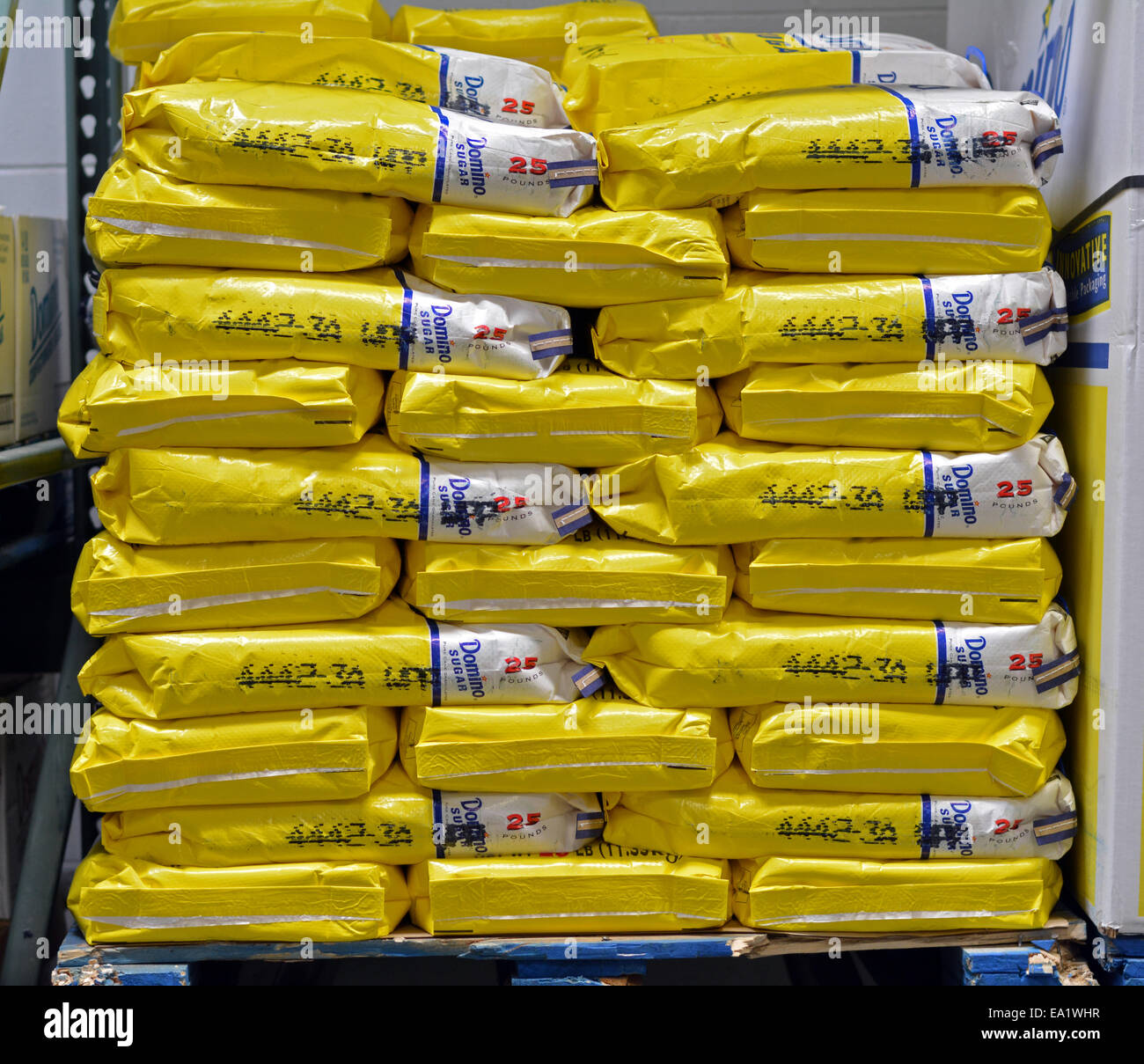
Furthermore, the physical dimensions of a 25-pound package typically allow for efficient palletization. Standard wooden pallets can accommodate uniform stacks of these bags without excessive overhang, ensuring structural stability during freight transport via trucking or rail logistics.
Volume Conversions and Material Densities
A common misconception is that a 25-pound bag always occupies the same physical space regardless of its contents. In reality, volume depends entirely on the density, particle size, and moisture content of the material packed inside.
Weight and volume exist in an inverse relationship dictated by density. A dense material like dry concrete mix requires a relatively small sack, whereas a low-density material like animal bedding or expanded insulation takes up considerably more space.
| Material Type | Approximate Density | Estimated Volume (Cubic Feet) | Primary Application |
|---|---|---|---|
| Concrete / Mortar Mix | ~130 lbs / cu. ft. | ~0.19 cu. ft. | Construction, masonry patching |
| All-Purpose Flour | ~35 lbs / cu. ft. | ~0.71 cu. ft. | Commercial baking, bulk food storage |
| Dry Pet Food (Kibble) | ~25 lbs / cu. ft. | ~1.00 cu. ft. | Animal nutrition, pet ownership |
| Aggregate / Gravel | ~100 lbs / cu. ft. | ~0.25 cu. ft. | Landscaping, hardscaping |
| Wild Bird Seed | ~40 lbs / cu. ft. | ~0.62 cu. ft. | Backyard wildlife management |
When calculating storage space requirements for a project or pantry overhaul, these volumetric differences matter significantly. For instance, storing four 25-pound bags of flour requires roughly 2.8 cubic feet of shelf space, whereas four bags of dog food will demand close to 4 cubic feet of space, even if they weigh the exact same amount on a scale.
Common Industries and Product Categories
The 25-pound packaging format spans multiple commercial sectors, each utilizing the scale for distinct operational advantages.
Agriculture and Pet Care
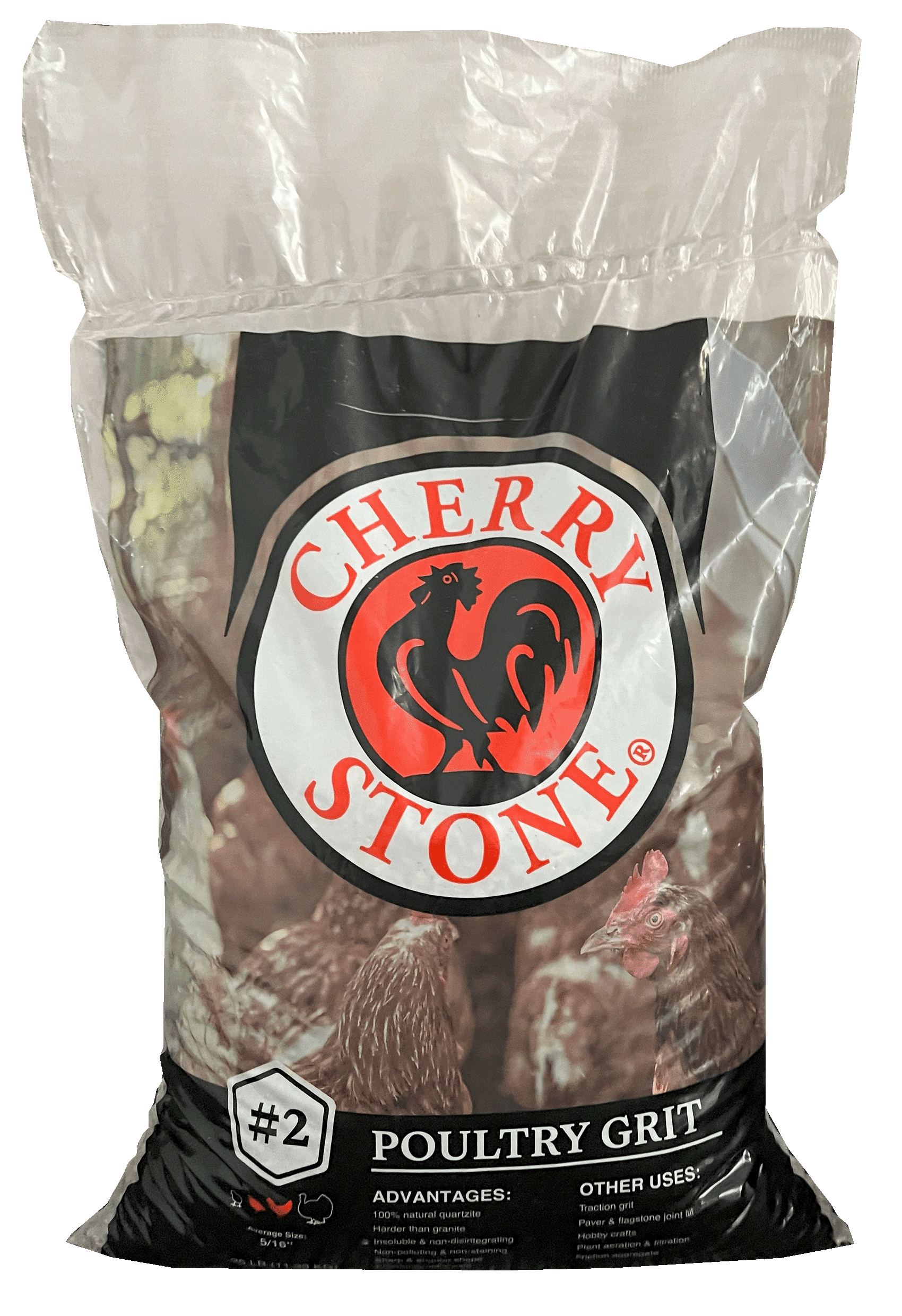
In the pet food and livestock feed industries, the 25-pound bag is a staple for medium-to-large dog owners, small-scale poultry keepers, and equestrian facilities. For pet owners, it provides a 30-to-60-day supply of food for a large dog, striking a balance between freshness and cost efficiency. Buying smaller bags increases packaging waste and cost per pound, while 50-pound bags can spoil or attract pests before the animal can consume them.
Food Service and Baking
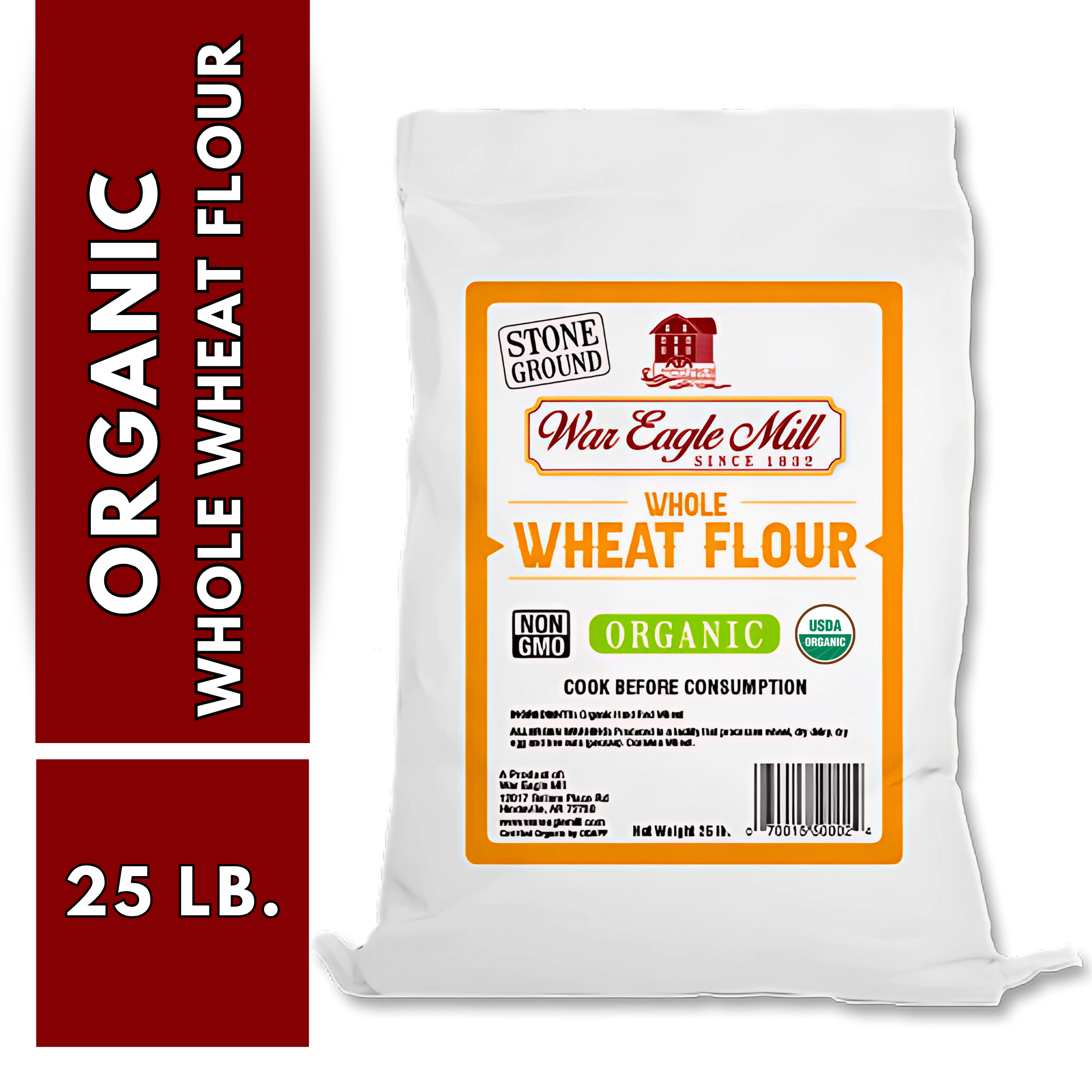
Commercial kitchens, artisan bakeries, and large families frequently purchase dry goods—such as flour, sugar, rice, and dried beans—in 25-pound quantities. This size fits neatly into standard commercial ingredient bins on wheels, allowing line cooks and bakers to scoop ingredients easily without wrestling with heavy industrial sacks.
Construction and Landscaping
In construction, finishing materials like specialized tile grout, self-leveling compounds, mortar, and dry plaster are frequently sold in 25-pound increments. These are particularly popular for residential renovation projects where full 50- or 80-pound bags would result in excessive material waste or exceed the mixing capacity of portable, single-bucket electric mixers.
Handling, Ergonomics, and Safety
Lifting and transporting heavy packages require proper technique to prevent musculoskeletal injury. Even though a 25-pound weight is manageable for most healthy adults, improper lifting posture can still cause strain, particularly during repetitive loading tasks.
- Lifting Technique: Bend at the knees, keep the load close to your center of gravity, and lift with your legs rather than your lower back.
- Grip Security: Many modern multi-wall paper or woven polypropylene bags feature built-in pinch-bottom handles or textured surfaces to prevent slipping.
- Team Lifting: While individual lifting is standard for this weight class, stacking pallets to heights above shoulder level should always be done with awareness of overhead hazards and potential instability.
For workers handling dozens of these bags daily, automated or semi-automated depalletizers and ergonomic lifting tables help reduce cumulative physical stress.
Storage Best Practices and Shelf Life
Proper storage of goods housed in 25-pound packaging preserves quality, prevents pest infiltration, and avoids environmental degradation. Because these packages are frequently constructed from multi-ply paper, woven plastic, or polyethylene film, their outer shells are vulnerable to moisture and punctures.
- Moisture Control: Keep paper-wrapped bags elevated off concrete floors on pallets or shelving units to prevent capillary moisture absorption, which can cause clumping, mold, or rotting.
- Pest Prevention: Transfer contents into airtight food-grade storage containers if storing grains, pet food, or flour for extended periods. Rodents and insects can easily chew through paper or thin plastic packaging.
- Temperature Regulation: Store temperature-sensitive materials in climate-controlled environments. Extreme heat and humidity degrade the nutritional value of pet food and cause chemical setting in cementitious construction products.
Economic Value and Cost Analysis
Purchasing materials in 25-pound quantities generally offers a lower cost per unit than buying smaller retail packages (such as 2-pound or 5-pound bags), but a higher cost per unit than bulk industrial sizes (such as 1,000-pound supersacks or pallet loads).
Consumers and small business owners must weigh the upfront savings of bulk purchasing against consumption rates. If a bulk food item spoils, or if construction mix cures from exposure to humidity before use, the initial savings are negated by waste. Evaluating historical usage rates ensures that buying at this scale remains cost-effective.
Frequently Asked Questions
How many cups are in a 25-pound bag of flour?
Because flour density varies based on milling style and settling, a 25-pound bag of all-purpose flour typically contains between 90 and 100 dry cups. Professional bakers rely on weight rather than volume for precision, making the scale weight the most reliable metric.
Are 25-pound bags recyclable?
Recyclability depends entirely on the packaging material. Woven polypropylene bags can often be recycled at specialized facilities that accept agricultural plastics. Multi-wall paper bags with plastic liners are generally not curbside recyclable, though the paper portion may be accepted if liners are removed.
How do I safely store an opened 25-pound bag of pet food?
Once opened, seal the inner plastic liner securely or pour the contents into an airtight, food-safe plastic or metal container with a locking lid to maintain freshness and keep out pests.
Can I check a 25-pound bag as airline luggage?
Most commercial airlines enforce a standard 50-pound (23 kg) weight limit for checked bags without overweight fees, meaning a single 25-pound bag will meet weight requirements. However, transportation of loose or unboxed dry goods and powdery substances may be subject to specific security screening regulations and inspection policies.
What is the easiest way to open a multi-wall paper bag?
Look for the end of the bag featuring the single-thread chain stitch (usually the right side when facing the front). Pulling the thread in the correct direction allows the entire closure to unravel smoothly without requiring scissors or knives.
Conclusion and Next Actions
The 25-pound bag remains an essential format across consumer and industrial supply chains, offering an optimal intersection of volume, economy, and ergonomic manageability. When purchasing or working with items in this weight class, verify material density, ensure proper storage conditions to prevent moisture and pest damage, and employ safe lifting techniques. Assess your specific consumption rate or project scope before buying to ensure this packaging tier matches your operational needs.
Image Gallery