Mormon Dress Code for Men: A Comprehensive Guide to LDS Standards and Traditions
The Mormon dress code for men, specifically within The Church of Jesus Christ of Latter-day Saints, emphasizes modesty, respect for the sacred, and professionalism. While daily wear is guided by principle-based modesty, formal worship...
The Mormon dress code for men, specifically within The Church of Jesus Christ of Latter-day Saints, emphasizes modesty, respect for the sacred, and professionalism. While daily wear is guided by principle-based modesty, formal worship typically requires "Sunday best" attire, such as suits or white shirts and ties, reflecting a commitment to honoring God.
Contents
For members of The Church of Jesus Christ of Latter-day Saints (often referred to as "Mormons"), clothing is more than a matter of personal style; it is an outward expression of inward devotion. As of 2026, the Church continues to move toward a "principle-based" approach to grooming and apparel, focusing on the intent of the wearer rather than a rigid list of prohibited items. However, distinct standards remain for various settings, including Sunday worship, missionary service, temple attendance, and educational environments like Brigham Young University (BYU).
The Theological Foundation of LDS Grooming and Apparel
To understand why a specific dress code exists, one must understand the theology behind it. Latter-day Saints believe the human body is a gift from God—a "temple" that should be treated with reverence. This belief influences how men dress, groom themselves, and treat their physical forms.
The primary guiding document for the rising generation is the For the Strength of Youth guide. In recent years, this guide was revised to focus on "The Guide for Making Choices." Instead of providing specific measurements for shorts or listing forbidden hairstyles, it encourages men to ask themselves if their appearance reflects a disciple of Jesus Christ. This shift places the burden of "modesty" on the individual’s conscience and their relationship with the Spirit, rather than a checklist of rules.
In a professional and ecclesiastical context, the "Mormon look" for men is often characterized by being "well-groomed." This typically means hair that is neat and clean, clothing that is in good repair, and an overall appearance that does not draw undue attention to oneself through "extreme" fashions.
Sunday Worship: The "Sunday Best" Tradition
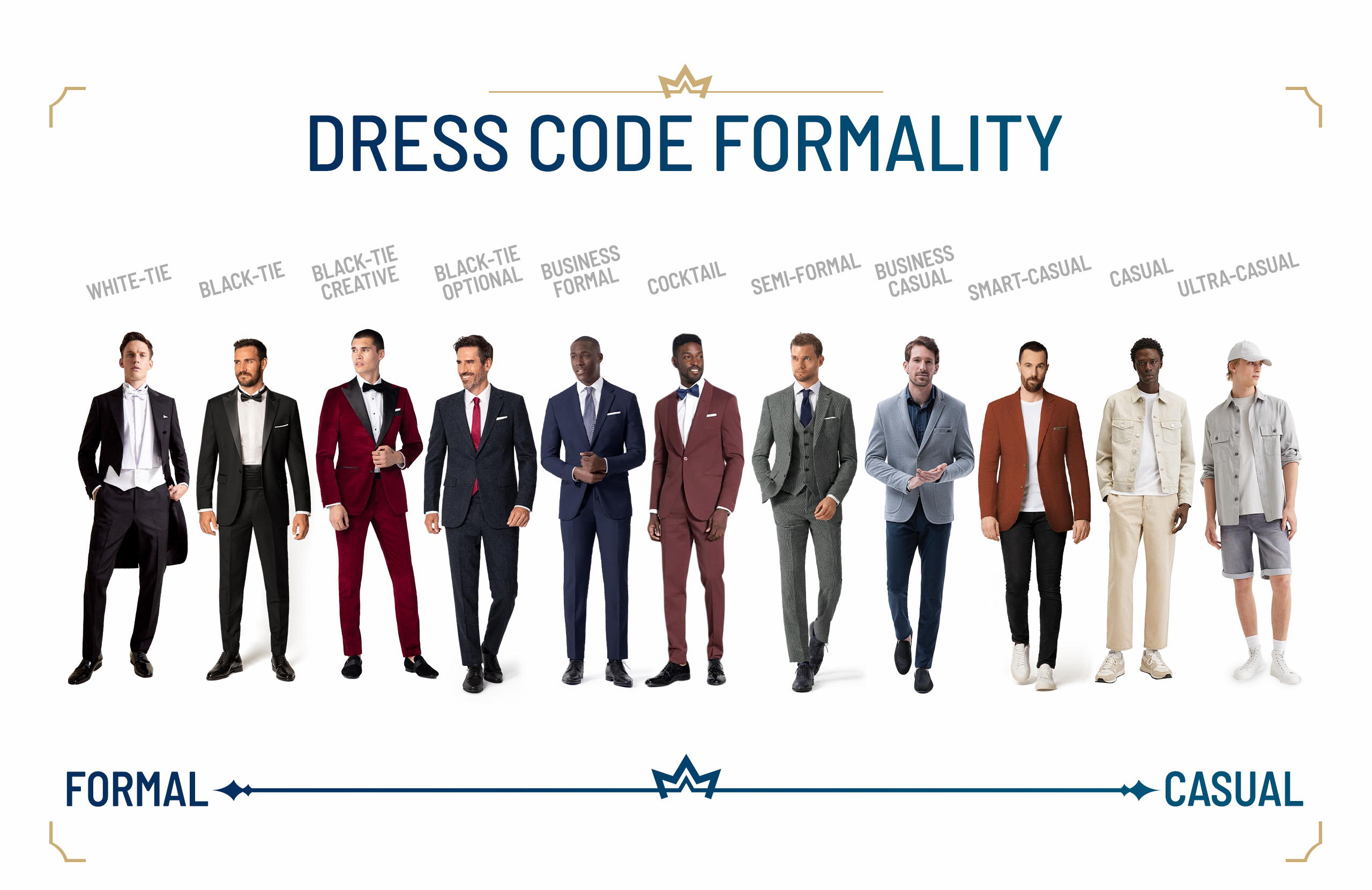
For weekly worship services, Latter-day Saints are encouraged to wear their "Sunday best." For men, this has traditionally meant a suit and tie. However, the culture varies slightly by geography and climate.
The White Shirt and Tie
The white shirt and tie is the most recognizable "uniform" of male Church members. While the Church's General Handbook does not strictly mandate a white shirt for every member attending a meeting, it is explicitly preferred for those who are officiating in Priesthood ordinances, such as passing or blessing the Sacrament (Communion).
The white shirt symbolizes purity and provides a sense of uniformity and order during sacred rituals. In most wards (congregations) across the world, you will see the majority of men in white button-down shirts, even if they are not wearing a full suit jacket.
Cultural Evolution in Sunday Attire
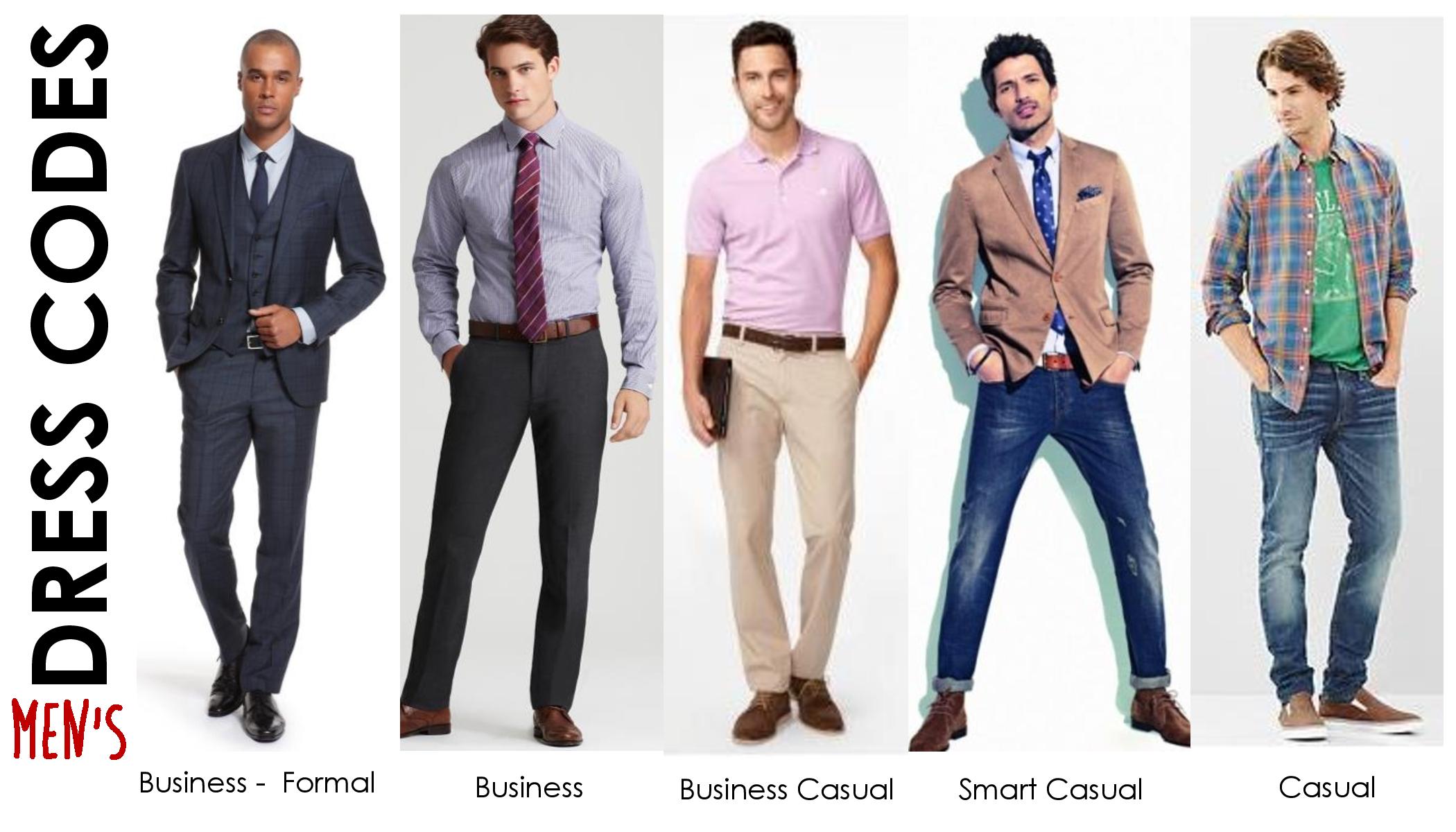
As of 2026, there is an increasing acceptance of "business casual" in Sunday meetings, particularly in regions where suits are financially out of reach or culturally out of place. While a tie is still standard for those holding leadership positions or performing Priesthood duties, the Church has emphasized that no one should be made to feel unwelcome if they do not have formal clothing. The priority is participation in worship rather than the cost or style of the outfit.
The Sacred Nature of the Temple Garment
For adult men who have participated in the "endowment" ceremony in an LDS temple, the dress code includes a specific religious item: the temple garment. This is a two-piece undergarment worn daily beneath regular clothing.
The garment serves as a private reminder of covenants (promises) made with God. Because the garment has a specific cut—covering the torso and reaching the knees—it naturally dictates the outer dress code for endowed men. To keep the garment covered, men typically wear:
- Shirts with sleeves (avoiding tank tops).
- Shorts that reach the knee.
- Clothing that is not overly sheer or tight.
The garment is considered sacred and is not displayed publicly. For many LDS men, the requirement to wear the garment is the primary factor in their daily clothing choices, ensuring that their "street clothes" remain modest and respectful.
Missionary Dress Standards in 2026
Missionaries for the Church, often referred to as "Elders," follow the most rigorous dress code. This standard is designed to identify them as representatives of Jesus Christ and to maintain a professional, non-distracting appearance.
In 2026, missionary dress standards allow for some regional flexibility based on climate and safety. However, the core requirements remain:
- Professional Suits: In most missions, Elders wear dark suits for Sunday meetings and conferences.
- White Shirts and Ties: This is the standard for daily proselyting in many parts of the world.
- The "Blue Shirt" Exception: In some tropical or high-heat missions, or missions with specific safety needs, Elders are permitted to wear light blue shirts and forgo the tie during daily work.
- Grooming: Missionaries are expected to be clean-shaven (unless a medical exemption is granted) and have "conservative" hairstyles.
The goal of the missionary dress code is to ensure the focus remains on the message they share rather than their personal appearance.
The Honor Code at Church-Owned Universities (BYU)
Brigham Young University (BYU) and its sister schools (BYU-Idaho and BYU-Hawaii) maintain a specific "Dress and Grooming" standard as part of their Honor Code. Historically, this was one of the most restrictive areas for LDS men, particularly regarding facial hair.
The Shift in Beard Policy
A significant update occurred in late 2023 and has become the settled norm by 2026: Beards are now permitted. For decades, BYU required men to be clean-shaven unless they had a "beard card" for medical or religious reasons. Under the current policy, beards are allowed as long as they are "neat and well-maintained."
General Campus Standards
Men at BYU are expected to dress in a way that is "modest, neat, and clean." This includes:
- No sleeveless shirts in public areas.
- Hair that is not "extreme" in color or style.
- No body piercings or tattoos (though existing tattoos should be covered where possible).
- Clothing that is appropriate for the setting (e.g., athletic wear is for the gym, not the classroom).
Summary of Dress Requirements by Setting
The following table outlines the typical expectations for LDS men across various environments as of 2026.
| Setting | Standard Attire | Grooming Expectations |
|---|---|---|
| Sunday Worship | Suit or white shirt and tie; slacks. | Clean-cut, neat hair, often clean-shaven. |
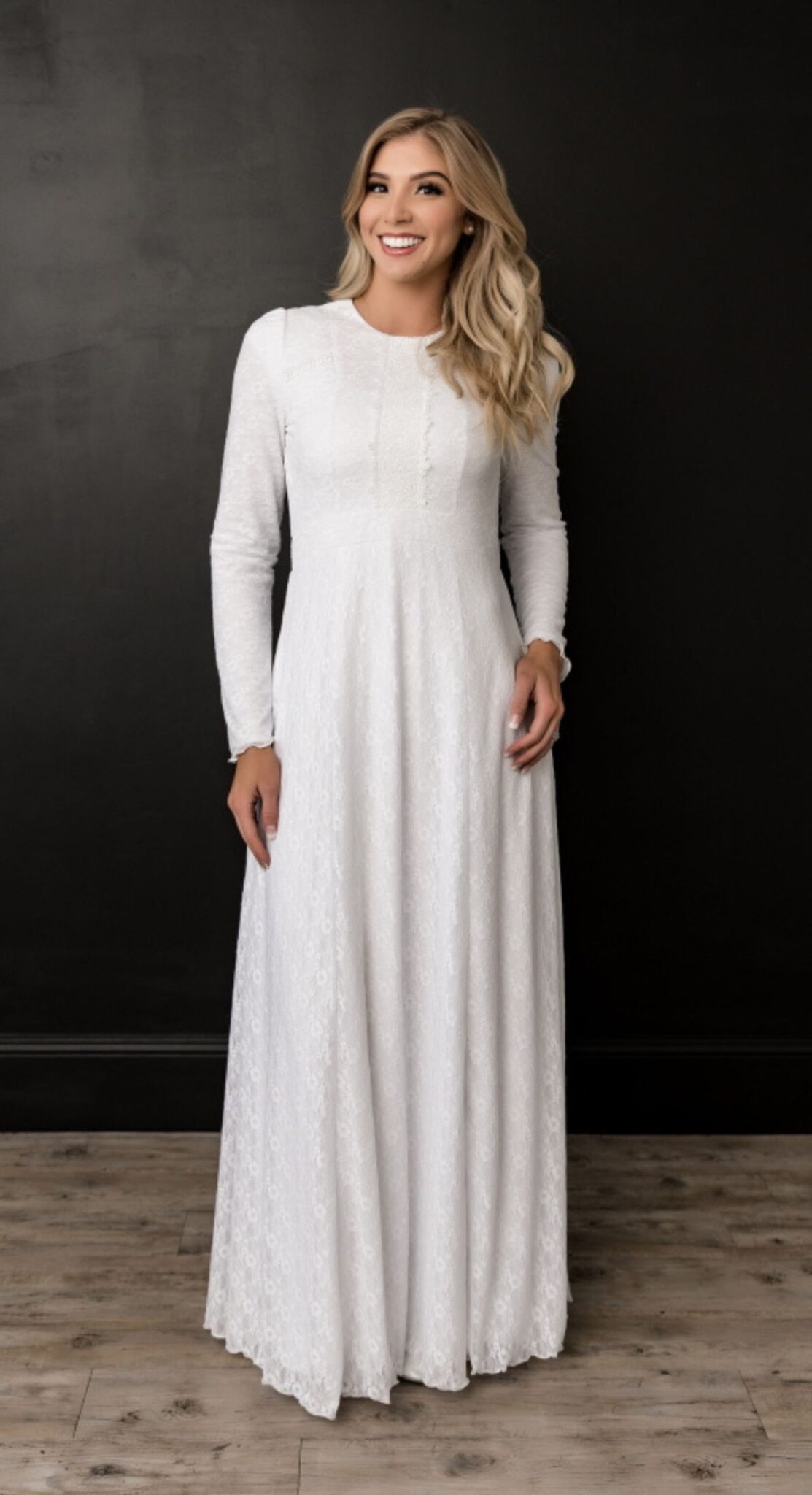
| Temple (Inside) | All-white clothing (suit, shirt, tie, socks, shoes). | High standard of cleanliness and neatness. |
| Daily Life | Modest casual (covers the temple garment). | Generally neat; beards are common. |
| Missionary Work | Suit/white shirt and tie (varies by region). | Clean-shaven; conservative hair. |
| BYU Campus | Clean, modest "business casual" or neat casual. | Beards allowed if neat; no extreme styles. |
Practical Guidance for Visitors and New Members
If you are attending an LDS service for the first time, you may wonder how strictly these rules are enforced. The reality is that there is no "fashion police" at the door.
- For Visitors: You are welcome to wear whatever you have that is respectful. While you will see many suits, a pair of slacks and a polo shirt is perfectly acceptable.
- For New Members: Transitioning to a "Mormon" wardrobe usually happens gradually. The focus is on the heart. As men progress toward temple worship, they naturally align their clothing with the requirements of the temple garment.
- Regarding Tattoos and Piercings: While the Church discourages tattoos and body piercings for men, many members (particularly converts) have them. They are not a barrier to fellowship or church activity. The modern counsel is to avoid new tattoos and to keep existing ones covered if they might be considered offensive in a sacred setting.
Frequently Asked Questions
Can Mormon men have beards?
Yes. There is no official Church-wide ban on beards. While they were historically discouraged for leaders and students at BYU to maintain a "professional" look in the mid-20th century, that culture has shifted. Beards are now common among lay members and permitted at Church universities, provided they are groomed neatly.
Why do Mormon men wear white shirts to church?
White shirts are not a requirement for salvation, but they are a strong tradition. They symbolize purity and help create a uniform, non-distracting environment during the administration of the Sacrament. For those blessing or passing the bread and water, the white shirt is the standard requested by Church leadership.
Are shorts allowed for LDS men?
Yes, shorts are allowed in casual settings. The general guideline is that they should be "modest." For men who wear the temple garment, this typically means shorts that reach the knee to ensure the garment remains covered.
Is there a specific hairstyle required?
The General Handbook simply states that hair should be "clean and neat" and avoid "extremes." What constitutes an "extreme" style is often left to the discretion of local leaders or university administrators, but generally, natural colors and traditional cuts are preferred.
What happens if a man doesn't follow the dress code?
In a congregational setting, nothing happens. The Church emphasizes that all are welcome. For specific roles, such as serving as a missionary or attending the temple, adherence to the dress code is a matter of worthiness and covenant keeping. In these cases, a man would speak with his Bishop to understand the expectations.
Final Recommendation: Focus on Intent
When navigating the Mormon dress code for men, the best approach is to focus on the intent behind the clothing. The goal of LDS standards is to deflect attention from the individual and redirect it toward God and the service of others. Whether you are preparing for a mission, attending BYU, or simply visiting a local ward, choosing clothing that is clean, neat, and modest will ensure you are in harmony with the community's values while maintaining your personal dignity.
Image Gallery